


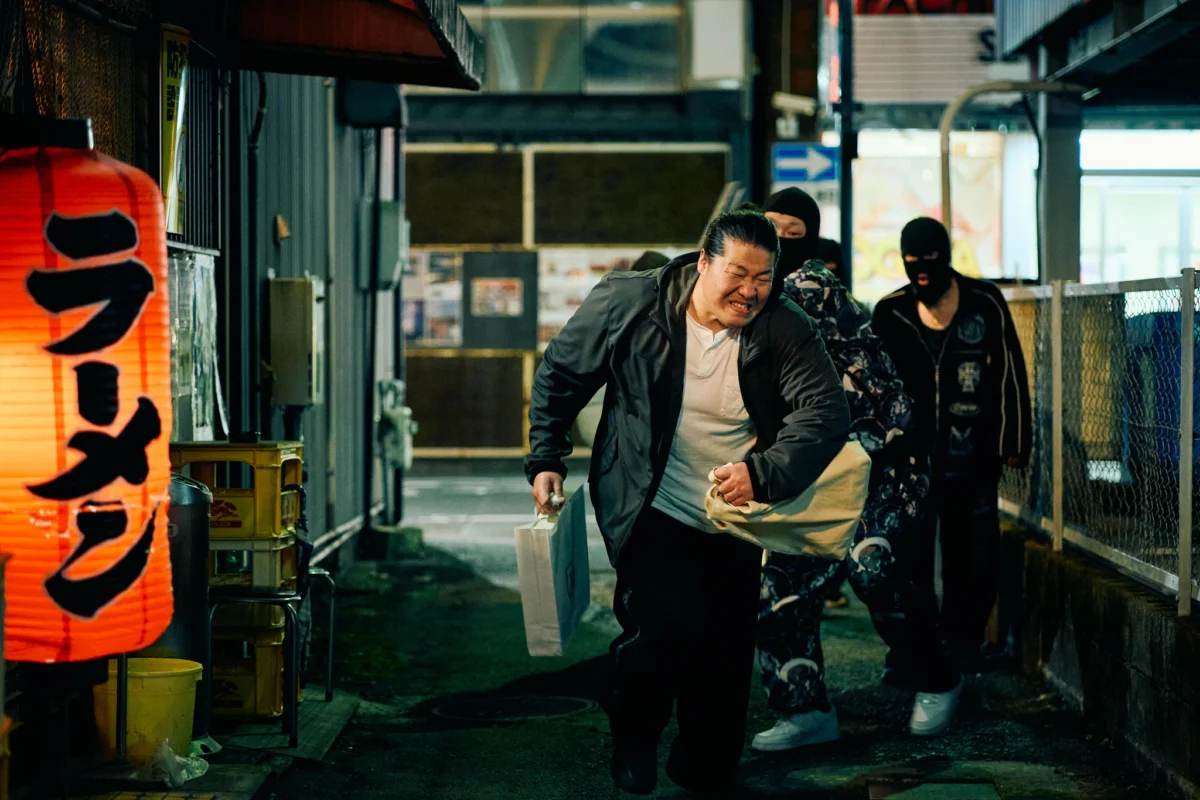
Keisuke Yoshida, a filmmaker renowned for his unflinching gaze upon the societal fringes and the individuals often relegated to the periphery, returns to familiar yet profoundly challenging thematic territory with his latest work, "Unchained." This powerful drama, which premiered to significant critical attention at the Udine Far East Film Festival (FEFF), delves into the pervasive issues of bullying and juvenile delinquency in Japan, a subject matter frequently explored within Japanese cinema, yet here approached with Yoshida’s signature raw honesty and a distinctively nuanced perspective. The film’s selection for its world premiere at one of Europe’s most prestigious festivals dedicated to Asian cinema underscores its potential to resonate with international audiences grappling with similar societal concerns.
A Deep Dive into Rehabilitation and Resilience
At the heart of "Unchained" lies the compelling narrative of Nishi (Wataru Ichinose), a man whose imposing demeanor might initially suggest a connection to Japan’s notorious yakuza underworld. However, Nishi is revealed to be the dedicated leader of Mirai no Sato, a rehabilitation center for adolescents struggling with severe behavioral issues. A former convict himself, having served time for violent offenses, Nishi is a fervent advocate for the transformative power of redemption. His philosophy centers on the belief that even those who have strayed can find their way back through structured, hands-on engagement. Mirai no Sato is not a sterile institution; instead, it is built upon the foundational principles of teamwork and practical skills development, with activities such as farming and carpentry forming the core of its therapeutic approach.
Yoshida does not shy away from the controversial aspects of Nishi’s methodology. In an era increasingly sensitive to notions of political correctness, Nishi openly acknowledges and defends the use of physical discipline when deemed necessary. His rationale is rooted in a stark belief that experiencing pain can be a potent, albeit harsh, teacher, helping these young individuals to truly comprehend the gravity and consequences of their destructive actions. This unconventional approach immediately positions Nishi as a figure who operates outside the established norms of contemporary child-rearing and education, sparking debate and raising profound questions about the efficacy and ethics of his methods.
The Echoes of Violence and the Struggle for Empathy
Parallel to Nishi’s efforts at Mirai no Sato, the film introduces the poignant story of a dedicated schoolteacher (Kaho). Her concern is intensely focused on one of her students, Kaito (Kohsaka Hayato), a boy whose violent tendencies are disturbingly pronounced. Kaito exhibits a profound lack of empathy, his rage erupting uncontrollably against peers, family members, and even innocent animals. He appears tragically incapable of understanding the pain he inflicts, a stark indicator of deep-seated emotional turmoil.
The teacher, witnessing Kaito’s escalating aggression and the ineffectiveness of conventional disciplinary measures, becomes increasingly desperate. Upon learning of Nishi’s public advocacy for his unique rehabilitation strategies, she persuades Kaito’s mother to enroll him in Mirai no Sato. Kaito’s arrival at the center marks a pivotal moment, as he struggles to adapt to the communal living and structured environment. His disruptive behavior threatens the delicate equilibrium of the group, testing Nishi’s resolve and the patience of his staff.
Meanwhile, Nishi’s unconventional methods and outspoken defense of his approach begin to attract significant public attention. His growing notoriety, fueled by the controversial nature of his work, draws both admiration and condemnation. As public scrutiny intensifies, a determined journalist embarks on an investigation into Nishi’s past, threatening to unearth long-buried secrets that could jeopardize his mission and his reputation. This unfolding narrative creates a palpable tension, as the film explores the precarious balance between redemption and the persistent shadows of past transgressions.
Yoshida’s Distinctive Cinematic Voice
Keisuke Yoshida’s direction in "Unchained" is characterized by a deeply personal and unmistakable tone, one that skillfully juxtaposes moments of intense drama with an almost accidental, yet effective, sense of dark humor. His characters are rendered with a compelling complexity, driven by primal emotions such as rage and desperation. Yet, within their often turbulent existences, they frequently reveal flashes of unintended comedy, humanizing them in unexpected ways.
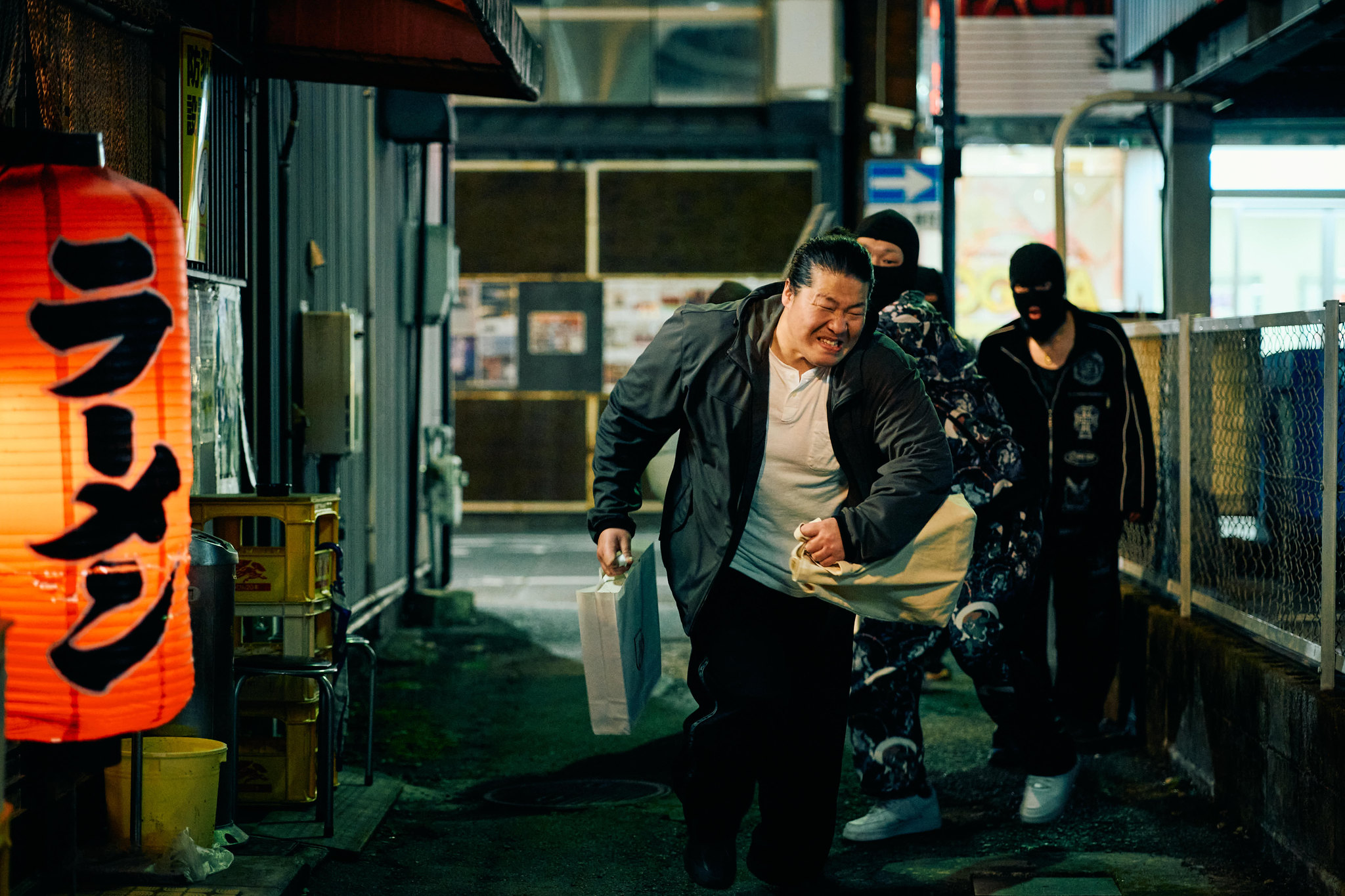
However, it is crucial to acknowledge that many of these characters are, by design, deeply unpleasant, even repellent. Kaito, in particular, emerges as a chillingly psychopathic presence. The film deliberately refrains from inviting the audience to empathize with him in a conventional manner. This calculated refusal to offer easy emotional alignment generates a persistent, unsettling tension that permeates the viewing experience. Yoshida masterfully places the audience in an uncomfortable position, forcing them to confront the blurry lines of morality and to question their own preconceived notions of right and wrong.
Nishi, too, remains an enigmatic figure, his character a study in contrasts. He is a man caught between the violent experiences of his past and his unwavering present conviction that profound change is achievable. Yet, in his relentless determination, Nishi embodies someone who is not merely striving to save the troubled youths under his care but, in a profound sense, is also attempting to salvage his own redemption.
The Lingering Scars of Harm and the Burden of Guilt
A recurring and deeply resonant theme throughout "Unchained" is the concept of the irreversibility of harm. The film poignantly illustrates how victims carry permanent emotional and psychological scars, and it persistently poses the question of whether genuine repentance can ever truly atone for past actions. This is a question that "Unchained" deliberately leaves unanswered, contributing to the film’s overall moral ambiguity and leaving the audience in a state of sustained unease.
Guilt is another pervasive force that shapes the narrative and its characters. It weighs heavily on the young offenders, a constant reminder of the pain they have inflicted. It also extends to the parents of the bullies, who grapple with the agonizing possibility of their own complicity in their children’s violent behavior. Even the dedicated teacher is not immune to this burden, experiencing the uneasy awareness that the intense focus required by her most troubled students inevitably diverts attention and resources from others who may also be in need. In this regard, the film exposes a profound paradox: those who inflict the most damage often receive the most attention and care, while those who do not, risk being overlooked and forgotten.
Glimmers of Hope and the Ambiguity of the Future
Despite the bleakness and moral complexities it explores, "Unchained" ultimately allows for a small measure of hope to emerge. For much of its duration, the audience experiences a sense of anticipation, waiting for a breakthrough that is repeatedly thwarted by setbacks. This faint sense of resolution arrives discreetly, and the film demonstrates a keen artistic judgment by concluding at precisely the right moment. It avoids overextending its narrative or offering facile explanations for what the future might hold, instead opting to leave it open to individual interpretation. The name of Nishi’s center, "Mirai no Sato," translates to "village of the future," yet the notion of this future remains profoundly ambiguous, a testament to the film’s commitment to exploring nuanced realities rather than delivering neat conclusions.
Stellar Performances Anchor the Narrative
The performances within "Unchained" are consistently strong, serving as a crucial anchor for the film’s challenging themes. Wataru Ichinose, who previously gained wider recognition for his role as a sumo wrestler in the popular television series "Sanctuary," delivers a commanding central performance as Nishi. His presence is striking, not only due to his imposing physicality but also because of the palpable intensity of his convictions and the sheer force of his will. He embodies Nishi with a magnetic power that draws the audience into his world, even as they question his methods.
In a fitting counterpoint to Ichinose’s gravitas, the young newcomer Hayato Kohsaka delivers a chilling and unsettling performance as Kaito. He embodies a disturbing lack of the innocence and hope typically associated with youth, making his character all the more effective and impactful within the narrative’s framework. Kaho, portraying the concerned teacher, offers a strong performance that skillfully balances fragility with an unwavering refusal to succumb to despair. Her portrayal captures the emotional toll of working with severely troubled children and the quiet determination required to make a difference.
A Societal Mirror Held Up to the Audience
In conclusion, Keisuke Yoshida’s "Unchained" stands as another emotionally charged and critically incisive portrait of contemporary Japanese society. Built around an unforgettable and eccentric lead character, the film is a morally complex work that deliberately offers no easy answers. Instead, it poses profound questions that linger long after the credits roll, touching upon the enduring issues of responsibility, the pervasive nature of guilt, and the ever-present, albeit often elusive, possibility of genuine change. The film’s premiere at the Udine Far East Film Festival, a significant platform for global cinematic discourse, suggests that these universal themes are poised to resonate with audiences worldwide, sparking dialogue and introspection on the societal challenges that "Unchained" so courageously confronts. The festival, which ran from April 26th to May 4th, 2024, is renowned for its commitment to showcasing diverse and challenging Asian cinema, making it an ideal venue for the debut of Yoshida’s thought-provoking film. The critical reception at FEFF, often a barometer for a film’s future trajectory, indicates that "Unchained" is poised to become a significant talking point in discussions surrounding social issues and cinematic artistry.