


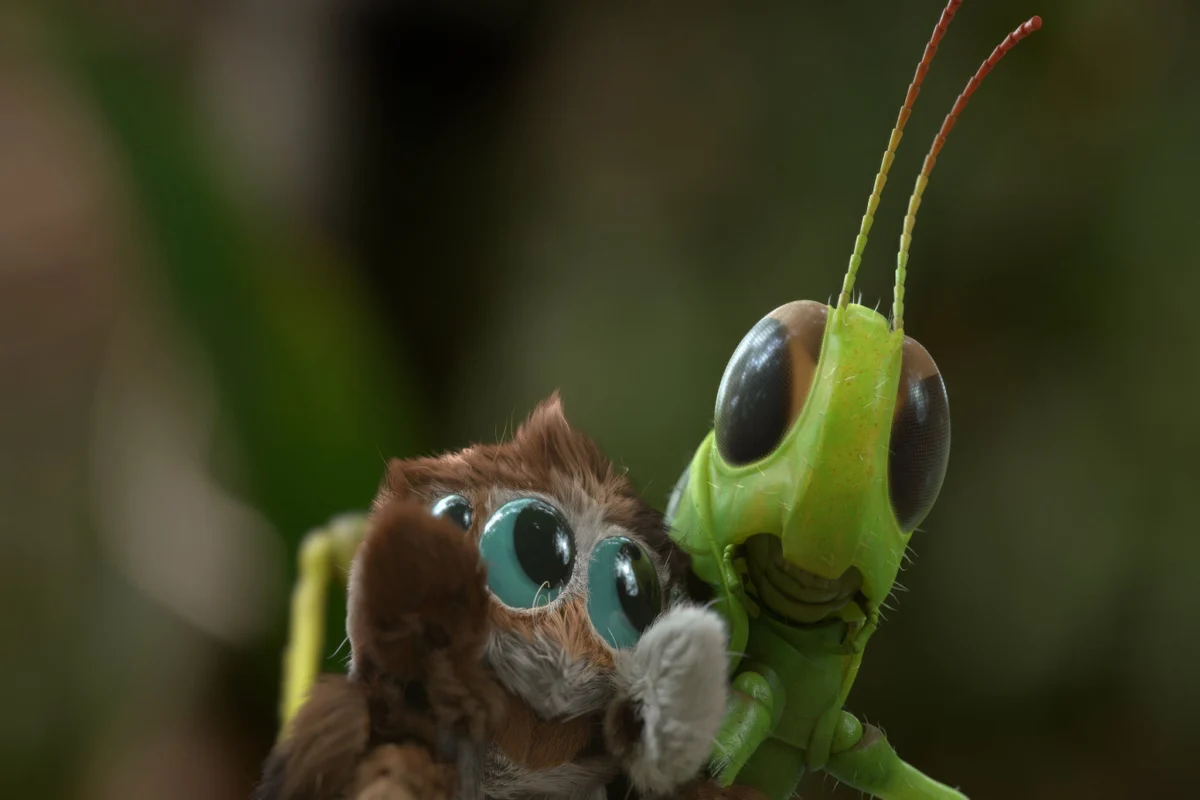
The Udine Far East Film Festival (FEFF), a globally recognized platform for showcasing cinematic excellence from across Asia, is set to present "A Mighty Adventure," the latest animated featurette from acclaimed director Toy Yuen. This visually ambitious film, running at 77 minutes, marks Yuen’s significant return to international filmmaking after a hiatus of several years. It is notable for its innovative hybrid approach, seamlessly blending computer animation with live-action elements, a technique that promises to immerse audiences in a richly detailed and imaginative world. The inclusion of "A Mighty Adventure" in the FEFF lineup highlights the festival’s commitment to championing diverse and groundbreaking cinematic expressions, particularly within the realm of animation.
Toy Yuen is a figure of considerable renown in the animation industry, having garnered international attention and critical acclaim with his 2001 masterpiece, "My Life as McDull." This earlier work was not only a commercial success but also a pivotal moment for Hong Kong animation, solidifying its presence on the global stage and earning Yuen the top prize at the prestigious Annecy International Animation Film Festival. His return with "A Mighty Adventure" is thus keenly anticipated by industry professionals and animation enthusiasts alike, signaling a potential new chapter for his artistic output and for the broader landscape of Hong Kong’s animated storytelling tradition.
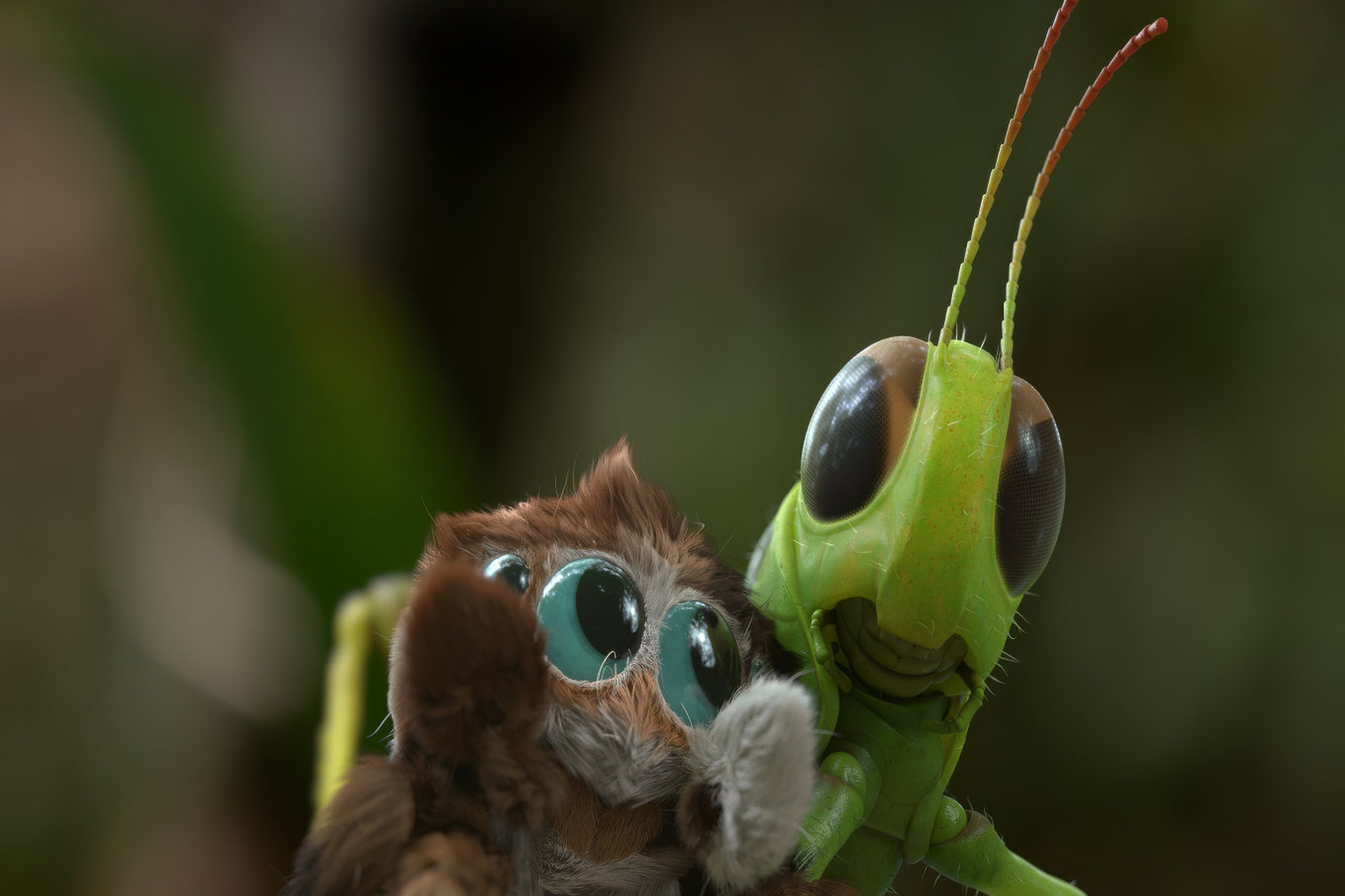
The narrative of "A Mighty Adventure" unfolds within a seemingly idyllic natural setting, initially presented as a lush forest. However, this verdant expanse is soon revealed to be the overlooked suburban greenery of a sprawling metropolis, strongly evoking the character and atmosphere of Hong Kong. This miniature ecosystem serves as the stage for a diverse array of insect families coexisting. Among them are a community of crickets, characterized by their strict, perhaps overbearing, parental figures and young offspring diligently learning the art of jumping. The story’s protagonist emerges as one of these young crickets, a character distinguished by an insatiable curiosity and a restless spirit, unwilling to adhere strictly to established norms. Driven by an imaginative yearning, he ventures away from his kin, embarking on a journey of discovery. His leaps from leaf to leaf lead him to an encounter with a mesmerizing butterfly, sparking his fascination. Along this path, he befriends a small spider, a spirited companion who eagerly joins him in exploring their shared world.
Their burgeoning adventure is brought to an abrupt halt by the intervention of humans – a father and son armed with nets. The protagonists are captured and taken to an unfamiliar human dwelling. The resourceful spider manages to follow, and the cricket soon finds himself confined within a glass jar, disoriented in an environment utterly alien to him. This initial confinement sets the stage for a larger narrative arc: the small band must not only engineer their escape from their immediate predicament but also navigate the formidable and overwhelming human world of the city, with the ultimate goal of returning to the familiar comfort of their green sanctuary. This perilous journey through the urban landscape, from the perspective of minuscule creatures, forms the core of the film’s adventurous spirit.
"A Mighty Adventure" is fundamentally a family-oriented animated film, characterized by its sweetness, playfulness, and frequent humor. Yet, its sophisticated execution and thematic depth ensure its engagement for adult viewers as well. While the initial premise and character dynamics might evoke comparisons to the storytelling conventions of studios like Pixar, the film distinguishes itself through its unique artistic vision and technical execution. The visual presentation is a standout feature, marked by a masterful and seamless integration of animation with live-action backgrounds. These environments are rendered with an exceptional level of detail, imbuing the film’s world with a tangible sense of reality. Textures such as dust, soil, and everyday surfaces are brought to life, lending a profound weight and presence to the miniature world the characters inhabit.
Within the domestic setting of the human house, ordinary objects are transformed into colossal landscapes, with toys and utensils becoming monumental obstacles. This visual strategy at times evokes the spirit of "Toy Story," but "A Mighty Adventure" consistently develops its own distinct visual identity. A particularly striking and inventive sequence occurs in the kitchen, where a boiling pot of soup overflows with the dramatic force of a volcanic eruption. This image is both playful and surreal, showcasing the film’s capacity for imaginative visual storytelling.
The film also incorporates moments of palpable suspense, particularly when the protagonists find themselves in peril, and the fate of the butterfly remains uncertain. Despite these tense situations, the overall tone of the film remains gentle and approachable. Notably, "A Mighty Adventure" is entirely dialogue-free, save for the occasional muffled human voices that serve as background elements. Instead, the narrative relies heavily on a precisely crafted sound design that amplifies every minute sound of the insect world – the tapping, rustling, and vibrations – creating an immersive auditory experience. This is complemented by an orchestral score that expertly underscores the emotional rhythm and progression of the story, guiding the audience through the characters’ emotional journey.
At the heart of "A Mighty Adventure" lies the evolving dynamic between the cricket and the spider, a relationship that gradually becomes the emotional core of the film. Their interactions are characterized by playfulness and expressiveness, reminiscent of classic comedy duos such as Stan Laurel and Oliver Hardy. The contrasting physicalities and personalities of the two characters enhance both the humor and the charm of their bond, making their companionship a central element of the film’s appeal. This focus on friendship and mutual reliance underscores the film’s broader themes.
While "A Mighty Adventure" possesses a subtle environmental undertone, it remains understated and observational rather than didactic. The film refrains from delivering explicit messages about conservation or environmentalism. Instead, it invites viewers to contemplate their own relationship with nature and to recognize the significance of the small creatures that often go unnoticed or are dismissed in everyday life. The film’s ultimate aim appears to be fostering a sense of attention and wonder, encouraging a deeper appreciation for the natural world and its inhabitants, rather than imparting a direct lesson. This nuanced approach allows the themes to resonate organically with the audience.
The screening of "A Mighty Adventure" at the Udine Far East Film Festival is part of a larger cultural event that plays a crucial role in the international film calendar. The festival, now in its 28th edition, has established itself as a vital platform for discovering and promoting Asian cinema to a global audience. Founded in 2000, the FEFF has consistently provided a vital bridge between Eastern and Western filmmaking, fostering cultural exchange and appreciation. Its focus extends beyond mainstream productions, actively seeking out independent films, documentaries, and animation that offer unique perspectives and artistic innovations. The festival typically takes place in Udine, Italy, and attracts filmmakers, critics, distributors, and cinephiles from around the world. The selection of films for the festival is curated by a dedicated team, with a strong emphasis on quality, originality, and cultural significance. This year’s festival, scheduled to run from [Insert Dates of FEFF 2026 if available, otherwise omit or generalize to "later this year"], will feature a diverse program of films from various Asian countries, celebrating the richness and dynamism of contemporary cinema from the region.
"A Mighty Adventure" represents a warm and imaginative return for director Toy Yuen. It also signifies a broader sense of renewal and artistic vitality within Hong Kong animation. This resurgence is further evidenced by other notable works such as "Another World," indicating a promising period of creative output from the region. The film is characterized by its simplicity, yet it is meticulously crafted, deriving its strength from a keen attention to detail, the richness of its textures, and a gentle, pervasive sense of discovery. Its visual storytelling, reliance on sound, and compelling character dynamics contribute to a cinematic experience that is both entertaining and thought-provoking. The film’s ability to resonate with both young and adult audiences, coupled with its innovative animation techniques, positions it as a significant entry in the contemporary animated film landscape. The successful integration of live-action and CGI elements, particularly in creating believable miniature environments and grand-scale visual metaphors, showcases a high level of technical artistry. This approach not only enhances the film’s aesthetic appeal but also deepens the audience’s immersion in the characters’ extraordinary journey. The dialogue-free narrative structure is a bold choice that, when executed effectively as it appears to be in "A Mighty Adventure," allows for universal understanding and relies on visual cues and emotional expression to convey meaning, a testament to the power of pure cinematic language.