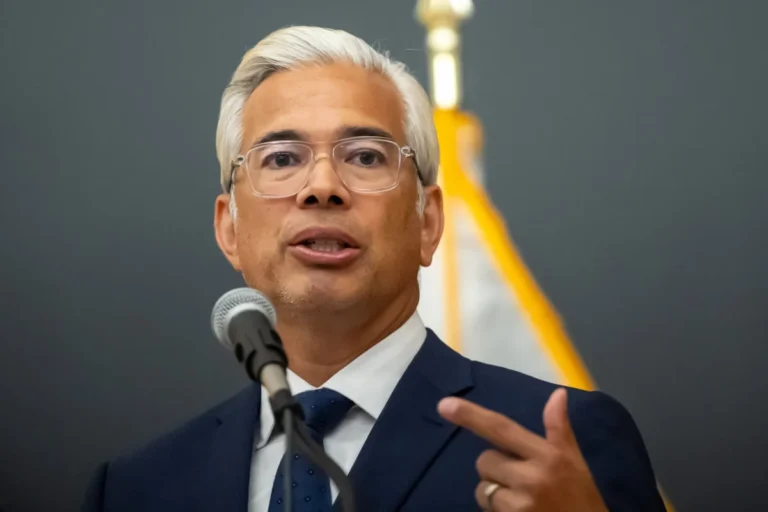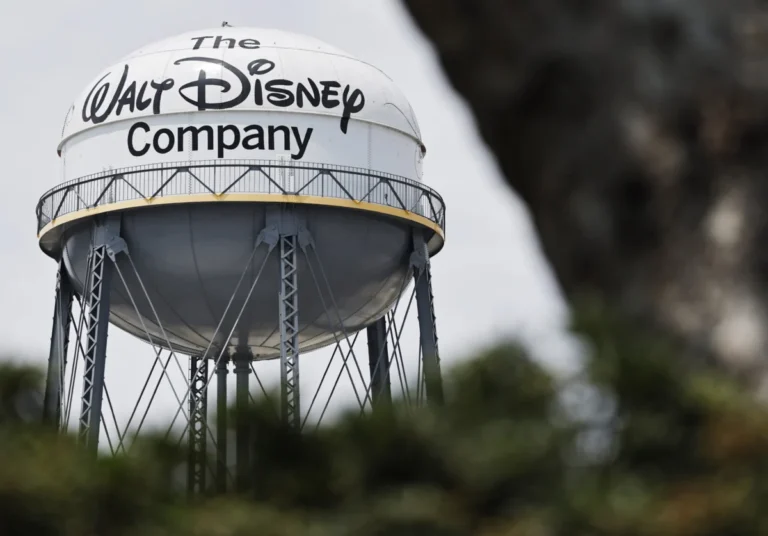

The intersection of comedy and executive power has reached a new flashpoint as President Donald Trump and First Lady Melania Trump intensified their public campaign this week for the removal of Jimmy Kimmel from his long-running ABC late-night program. The demand for the comedian’s dismissal marks the most significant challenge to date for Josh D’Amaro, who assumed the role of Disney CEO just last month. This escalating confrontation centers on a monologue delivered by Kimmel that the White House has characterized as a direct incitement to violence, while the comedian maintains the remarks were a satirical observation on the age gap between the President and the First Lady.
The controversy was ignited by a comedy sketch aired last week in which Kimmel referred to Melania Trump as an "expectant widow." The comment, made only days before a reported security incident at the White House Correspondents’ Dinner described by officials as an alleged assassination attempt, drew immediate and sharp condemnation from the administration. The First Lady utilized her platform on X, formerly Twitter, to label the rhetoric "hateful and violent," asserting that such language is "intended to divide our country." President Trump echoed these sentiments on Truth Social, describing the host’s words as a "call to violence" that was "far beyond the pale" for a national broadcaster.
A Precarious Moment for Late-Night Television
The current friction between the Trump administration and Disney-owned ABC is not an isolated event but rather the latest chapter in a tumultuous period for late-night television. This industry, once a cornerstone of American media consumption, has found itself on increasingly precarious footing during the President’s second term. The renewed calls for Kimmel’s firing come less than a year after his show was briefly suspended in September 2025. That previous disciplinary action followed comments Kimmel made regarding the death of conservative activist Charlie Kirk, which prompted major broadcast station owners to threaten a blackout of the program.
The landscape of late-night comedy has already seen significant contraction. Just last year, Paramount-owned CBS announced the conclusion of "The Late Show with Stephen Colbert." While the network framed the move as part of a broader restructuring during its merger with Skydance, industry analysts noted that the announcement coincided with intense regulatory scrutiny from the Federal Communications Commission (FCC). With the departure of Colbert and the ongoing pressure on Kimmel, the traditional format of satirical political commentary on broadcast television faces an existential threat.
The Role of Broadcast Affiliates and Regulatory Pressure
A critical component of the pressure on Disney comes from the powerful owners of local broadcast stations. In September 2025, Nexstar Media Group and Sinclair Broadcast Group, two of the largest station owners in the United States, indicated they would preempt Kimmel’s show in favor of alternative content. This move followed public statements from FCC Chairman Brendan Carr, who raised concerns about whether Kimmel’s content met the standards required for broadcast licenses.
Under the Communications Act of 1934, the FCC has the authority to review and revoke broadcast licenses if a station is deemed to not be operating in the "public interest." While the First Amendment provides broad protections for speech, including satire and comedy, Chairman Carr’s recent suggestions that licenses could be at risk have sparked a nationwide debate over the boundaries of government influence on private media. On Tuesday, reports emerged from Semafor indicating that the FCC is currently preparing a comprehensive review of Disney’s various broadcast licenses. Although sources close to the commission claim the timing is unrelated to the Kimmel monologue, the proximity of the review to the White House’s demands has heightened tensions within the industry.
Timeline of Recent ABC and Disney Political Conflicts
The relationship between the Trump administration and ABC News has been defined by a series of legal and professional disputes over the last eighteen months. To understand the gravity of the current situation, it is necessary to look at the sequence of events that have led to this impasse:
- December 2024: ABC News reached a $15 million settlement with Donald Trump to resolve a defamation lawsuit. The suit stemmed from comments made by anchor George Stephanopoulos regarding the President’s legal history. As part of the settlement, ABC agreed to contribute the funds toward the construction of Trump’s future presidential library.
- Early 2025: ABC News terminated its relationship with veteran national correspondent Terry Moran. The dismissal followed a social media post in which Moran described the President and senior advisor Stephen Miller as "world-class" haters. The network cited a violation of its internal social media and neutrality policies.
- September 2025: Jimmy Kimmel’s show was suspended for several days following a monologue regarding Charlie Kirk. The suspension ended only after Kimmel issued a formal on-air apology, a move that reportedly followed intense negotiations between Disney executives and broadcast affiliate leaders.
- March 2026: Josh D’Amaro officially takes the helm as CEO of Disney, succeeding Bob Iger. D’Amaro’s tenure begins amidst a flurry of regulatory challenges and a direct demand from the White House to alter the network’s late-night lineup.
Official Responses and Political Rhetoric
The White House has remained steadfast in its position that Kimmel’s recent monologue crossed a line from comedy into dangerous provocation. White House Director of Communications Steven Cheung issued a statement on Tuesday arguing that Kimmel should be "shunned" by the industry. Cheung criticized the host for "doubling down on that joke instead of doing the decent thing by apologizing."
Kimmel, for his part, used his Monday night monologue to address the backlash directly. He characterized the "expectant widow" remark as a simple joke about the age difference between the President and the First Lady. "It was not, by any stretch of the definition, a call to assassination," Kimmel told his audience. "And they know that." The comedian suggested that the administration was intentionally misconstruing his words to exert further control over the media landscape.
Disney has so far maintained a strategic silence. Representatives for the company did not respond to requests for comment regarding the White House’s demands or the reported FCC license review. This silence reflects the delicate balancing act Josh D’Amaro must perform: protecting the creative independence of Disney’s talent while navigating a regulatory environment that could threaten the company’s broadcast assets.
Broader Implications for Media and the First Amendment
The campaign against Kimmel raises fundamental questions about the future of political satire in the United States. Journalistic and legal experts warn that if a presidential administration can successfully force the firing of a media personality through the threat of license revocation, it establishes a precedent that could lead to widespread self-censorship across all networks.
The economic stakes are also significant. Late-night television remains a major source of advertising revenue for networks like ABC, even as viewership shifts toward digital platforms. However, the risk of losing local affiliates—who provide the "reach" that advertisers pay for—is a potent weapon. If Nexstar and Sinclair were to permanently drop Kimmel, the financial viability of the show would be severely compromised, regardless of Disney’s internal support for the host.
Furthermore, the involvement of the FCC suggests a shift in how the government interacts with broadcasters. Traditionally, the FCC has avoided content-based interventions, focusing instead on technical standards and ownership limits. The current focus on "rhetoric" and "public interest" as grounds for license review represents a more interventionist approach that could redefine the media landscape for decades to come.
Conclusion: A Test of Corporate Resolve
As the Trump administration continues its push, the focus remains on Disney’s headquarters in Burbank. The decision facing Josh D’Amaro is not merely a personnel matter regarding a single late-night host; it is a test of how one of the world’s largest media conglomerates will respond to direct executive pressure.
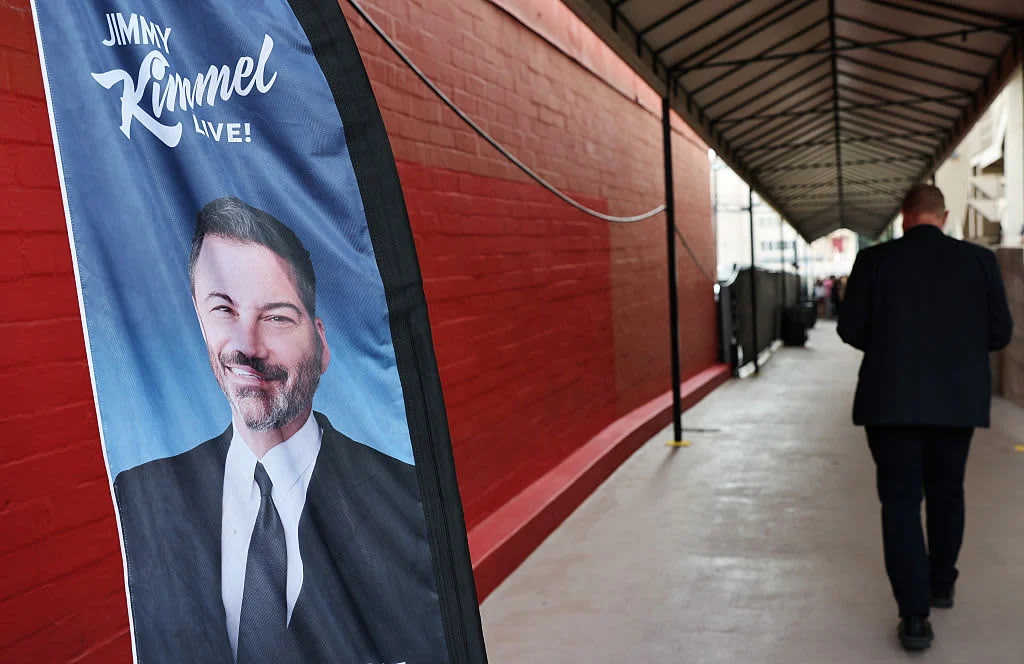
In the coming weeks, the industry will be watching for several key indicators: the outcome of the FCC’s license review, the reaction of ABC’s advertisers, and whether other late-night hosts rally in support of Kimmel or opt for a more cautious approach to political commentary. For now, the "Jimmy Kimmel Live!" stage in Hollywood remains a central battleground in the ongoing struggle between the presidency and the press. Whether the show survives this latest round of political fire will likely depend on whether Disney views Kimmel as an indispensable asset or a liability in an era of unprecedented regulatory and political scrutiny.