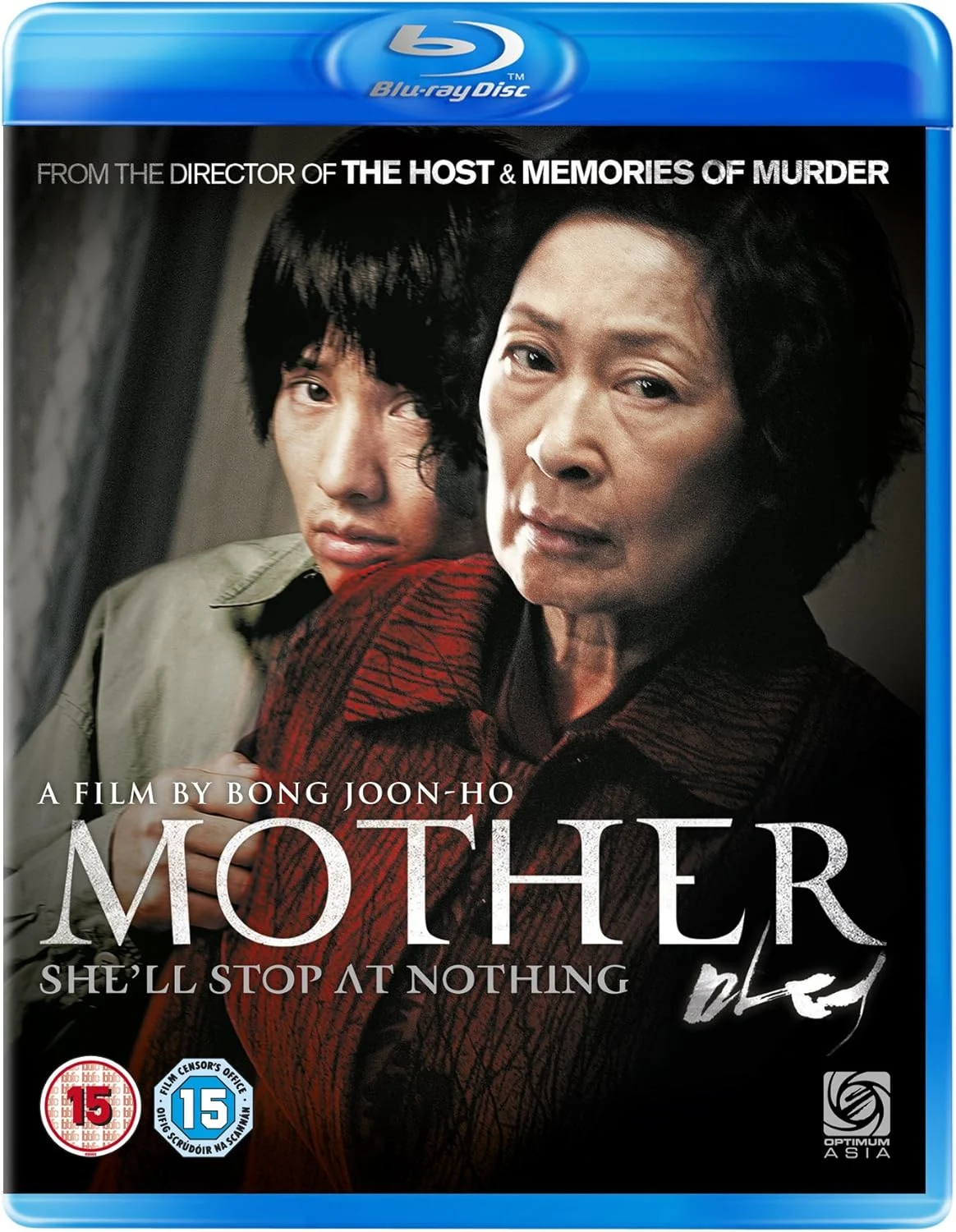
Bong Joon-ho’s critically acclaimed film, Mother, stands as a pivotal work in the director’s illustrious career, arriving in 2009 as a testament to his burgeoning reputation as a master storyteller capable of navigating diverse genres. Following the international triumph of The Host (2006), Mother further solidified Bong’s status as a versatile auteur in contemporary cinema. Produced on a relatively modest budget of approximately $5 million, the film achieved significant commercial success in its native South Korea, drawing over three million admissions and securing its place among the year’s top domestic box office performers. Its critical reception was equally strong, premiering in the prestigious Un Certain Regard section of the Cannes Film Festival, which amplified Bong’s global profile. Subsequent festival screenings, including those at Santa Barbara, facilitated its introduction to Western audiences, generating considerable anticipation for the filmmaker’s unique cinematic vision. A later release of a black-and-white version further underscored the film’s meticulous visual design and thematic depth, offering audiences a renewed appreciation for its aesthetic precision.
Genesis and Critical Acclaim
The development and release of Mother were strategically positioned within Bong Joon-ho’s ascending career trajectory. After the global phenomenon of The Host, a creature feature that blended horror, satire, and heartfelt drama, expectations for his next project were exceptionally high. Mother represented a deliberate shift in tone and subject matter, demonstrating Bong’s commitment to exploring complex human emotions and societal issues through compelling narratives. The film’s premiere at Cannes in 2009 was a significant moment, placing it on a global stage alongside other critically lauded international films. This exposure was crucial in cultivating an audience receptive to Bong’s distinctive style, characterized by its ability to seamlessly blend genres and imbue even the most somber narratives with moments of dark humor and profound humanity. The subsequent release of the black-and-white version was not merely an artistic flourish but a deliberate choice to highlight the film’s visual composition and the starkness of its thematic concerns, emphasizing the director’s meticulous attention to detail and his willingness to experiment with presentation.
Narrative Core: A Mother’s Desperate Pursuit
At its heart, Mother tells the story of a devoted, widowed herbalist, referred to simply as Mother, and her intellectually disabled son, Do-joon. Their quiet, fragile existence is violently disrupted by the discovery of a murdered high school girl. The ensuing investigation is spearheaded by an alarmingly incompetent police force, which, prioritizing expediency over truth, manipulates Do-joon into confessing to the crime. Faced with a justice system seemingly indifferent to the facts and tragically flawed in its pursuit of justice, Mother embarks on a relentless and increasingly desperate quest to uncover the real killer. Her journey takes her through a labyrinth of societal prejudices, financial struggles, and profound moral ambiguities. As she digs deeper into the circumstances surrounding the murder, the film’s initial framing as a straightforward mystery gradually dissolves, giving way to a far more unsettling and profound exploration of truth, responsibility, and the extreme lengths to which maternal devotion can be pushed.
Subverting Expectations: A Psychological Thriller in Disguise
While the premise might initially suggest a sentimental drama centered on the unwavering bond between a mother and her son, Bong Joon-ho masterfully subverts these expectations. Mother operates more akin to a meticulously crafted psychological thriller, echoing the tone and investigative intricacies of Bong’s earlier masterpiece, Memories of Murder (2003), while forging its own unique identity. The narrative unfolds with a deliberate and almost surgical precision, gradually ratcheting up the tension through layered character development and unexpected tonal shifts. Bong artfully intersperses moments of dark, often disarming humor, which serve to momentarily alleviate the pervasive unease before plunging the audience back into the film’s unsettling atmosphere. This sophisticated approach allows Bong to delve not only into the mechanics of crime and investigation but also into the profound fragility of human perception and the often-unforeseen consequences of individual actions. The film questions the reliability of memory, the nature of guilt, and the societal forces that can shape and distort an individual’s reality.
Thematic Resonance: Institutional Failure and Distorted Love
Within the broader context of Bong Joon-ho’s filmography, Mother can be interpreted as a continuation of his persistent examination of institutional failure and the marginalization of vulnerable individuals within society. The South Korean police force depicted in the film is portrayed as a collection of bumbling, indifferent, and often corrupt figures who are more concerned with closing cases quickly than with achieving genuine justice. This critique extends to the wider community, which is characterized by a pervasive sense of apathy and quiet complicity, often turning a blind eye to the suffering of those on the fringes. Simultaneously, the film bravely ventures into the darker, more complex dimensions of maternal love. Bong presents this powerful force not as an inherently nurturing and selfless entity, but as something that can be distorted, possessive, and even destructive when confronted with extreme circumstances. In this regard, Mother challenges the audience to re-evaluate conventional notions of morality and compassion, particularly as the protagonist’s actions spiral into increasingly morally ambiguous territory, forcing viewers to question the ethical boundaries of a mother’s love and the justification of her choices.
Technical Prowess: Cinematography and Score
From a purely technical standpoint, Mother is a triumph across all cinematic departments, showcasing Bong Joon-ho’s unwavering commitment to visual storytelling. Hong Kyung-pyo’s cinematography is particularly noteworthy, masterfully capturing the film’s setting – a rundown neighborhood characterized by its cramped, narrow alleyways – with a palpable sense of both gritty realism and suffocating claustrophobia. His visual language reaches its zenith in the film’s striking opening and closing sequences, which employ a surreal, almost dreamlike aesthetic. These sequences frame the entire narrative within a cyclical and profoundly hypnotic structure, suggesting a continuous loop of fate and consequence. Complementing the visual artistry is Lee Byung-woo’s evocative score, which subtly enhances the emotional tension of each scene without ever becoming intrusive or overpowering. The score acts as an invisible hand, guiding the audience’s emotional response and deepening the film’s pervasive sense of unease. Furthermore, Moon Sae-kyung’s editing is exemplary, striking a delicate and crucial balance between narrative clarity and thematic ambiguity. This allows the story to unfold in a manner that continuously challenges and reshapes the viewer’s understanding, ensuring that the film remains a dynamic and intellectually engaging experience from beginning to end.
Stellar Performances: Anchoring the Narrative
The power of Mother is significantly amplified by its exceptional performances, most notably the truly remarkable portrayal by Kim Hye-ja in the titular role. Kim carries the entire narrative with an extraordinary presence that is simultaneously commanding and deeply unsettling. Her nuanced interpretation transforms what could have been a conventional character into a complex and unforgettable study of maternal obsession, unwavering determination, and profound denial. Her ability to convey a vast spectrum of emotions – from fierce protectiveness to chilling resolve – is central to the film’s enduring impact. Won Bin, as Do-joon, delivers a performance that is equally compelling, avoiding any hint of caricature. He presents Do-joon not as a mere plot device but as a character defined by vulnerability, confusion, and a profound emotional state that remains tantalizingly difficult for the audience, and perhaps even for himself, to fully grasp. The supporting cast further enriches the narrative tapestry. Jin Goo delivers a strong performance, and the presence of actors like Chun Woo-hee and Kwak Do-won, who were then lesser-known talents but have since achieved significant recognition, adds vital layers to the social ecosystem in which the story unfolds, contributing to the film’s immersive and authentic portrayal of its world.
Legacy and Enduring Impact
Ultimately, Mother transcends its seemingly straightforward premise to emerge as a deeply unsettling, thought-provoking, and enduring work of art that audaciously defies conventional genre classifications. By skillfully blending elements of thriller, drama, and dark comedy, Bong Joon-ho crafts a narrative that is as emotionally resonant as it is intellectually provocative. The film’s profound exploration of the darker facets of maternal love, combined with its impeccable technical execution and the power of its outstanding performances, results in a cinematic experience that lingers long after the final frame. It leaves the audience in a state of profound discomfort and lingering contemplation, mirroring the very ambiguity and moral complexity that lie at its core. Mother remains a testament to Bong Joon-ho’s unparalleled ability to dissect the human condition, exposing the uncomfortable truths that often lie beneath the surface of ordinary lives. The film’s success paved the way for even greater international acclaim for Bong, cementing his reputation as one of the most significant and influential filmmakers of the 21st century. Its influence can be seen in subsequent films that tackle similar themes of flawed justice systems, societal indifference, and the complex dynamics of familial relationships.
The film’s commercial success in South Korea, evidenced by its over three million admissions, demonstrated a strong appetite for sophisticated, genre-bending cinema that could also resonate with mainstream audiences. This performance not only bolstered Bong’s standing but also contributed to the growing international recognition of South Korean cinema as a source of high-quality, innovative filmmaking. The critical accolades received at festivals like Cannes further validated the film’s artistic merit and its ability to engage with diverse global audiences. The decision to release a black-and-white version later on served as a testament to the film’s visual artistry and its enduring appeal, offering a new perspective on its meticulously crafted imagery and thematic depth. This re-release strategy is a rare but effective method employed by filmmakers to re-engage audiences and highlight specific aspects of a film’s production.
Broader Implications and Societal Commentary
The thematic explorations within Mother extend beyond the immediate narrative to offer broader commentary on societal structures and individual agency. The film’s critique of the police force as an institution highlights systemic flaws and the potential for corruption or incompetence to have devastating consequences for ordinary citizens. This resonates with broader discussions about accountability and the effectiveness of justice systems worldwide. Furthermore, the film’s portrayal of social marginalization, particularly through the character of Do-joon, underscores the vulnerability of those who fall outside societal norms and the ease with which they can become scapegoats. The narrative implicitly argues for greater empathy and understanding towards individuals who may not conform to conventional expectations. The film’s examination of maternal love, pushing its boundaries to the extreme, also prompts reflection on the societal pressures and expectations placed upon mothers and the complex emotional landscapes they navigate. It challenges simplistic portrayals of motherhood and delves into the darker, more possessive, and even destructive aspects that can emerge under duress, forcing viewers to confront uncomfortable truths about love, sacrifice, and the potential for obsession.
A Lasting Cinematic Achievement
Mother continues to be studied and celebrated for its intricate plotting, its masterful blend of genres, and its profound exploration of human nature. It stands as a testament to Bong Joon-ho’s directorial genius and his ability to craft films that are both artistically significant and deeply resonant with audiences. The film’s success and critical acclaim have cemented its place as a modern classic and a crucial work in the canon of contemporary South Korean cinema, influencing subsequent generations of filmmakers and continuing to provoke thought and discussion among cinephiles worldwide. The film’s enduring power lies in its refusal to offer easy answers, instead inviting the audience to grapple with complex moral questions and the unsettling realities of human behavior, ensuring its relevance and impact for years to come.