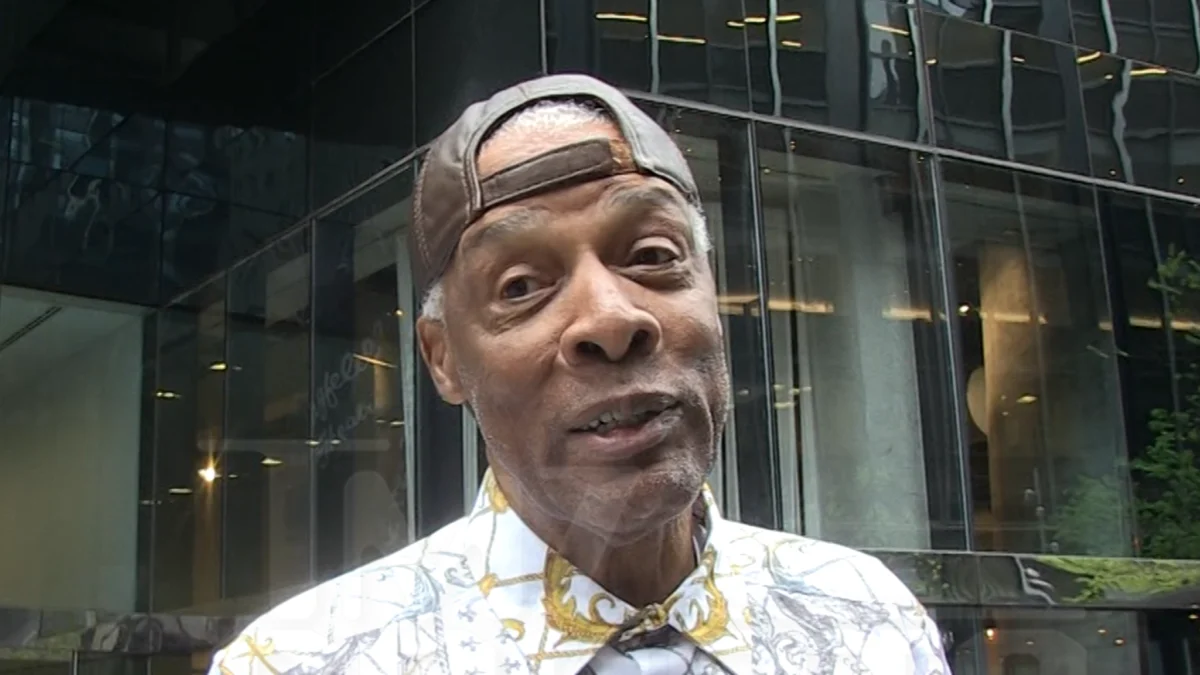
The illustrious NBA Slam Dunk Contest, once a pinnacle of All-Star Weekend spectacle, is currently facing a profound crisis of relevance, a situation compelling legendary figure Julius Erving, the inaugural winner of the event, to issue a fervent appeal to the league’s contemporary superstars. Speaking exclusively to TMZ Sports in New York City this week, Dr. J articulated a clear path forward: a return to historical appreciation and a renewed commitment from the game’s biggest names. His remarks underscore a growing sentiment among fans and former players that the contest, a cherished tradition, is teetering on the brink of irrelevance, largely due to the conspicuous absence of the NBA’s most electrifying talents.
The Genesis of a Spectacle: Dr. J’s Enduring Legacy
Julius Erving’s call to action carries immense weight, rooted in his indelible contribution to the very fabric of the dunk contest. It was Dr. J who, in 1976, captivated audiences in the American Basketball Association’s (ABA) inaugural Slam Dunk Contest, delivering a performance that etched itself into sports lore. His iconic free-throw line dunk, a feat of athleticism and artistry previously unseen, transcended the sport, establishing a benchmark for creativity and power. This foundational moment not only crowned Erving as the first-ever dunk contest champion but also laid the groundwork for the NBA’s adoption of the event in 1984, transforming it into a cornerstone of its All-Star festivities.
The early years of the NBA’s contest were defined by legendary rivalries and breathtaking displays. Michael Jordan and Dominique Wilkins’ epic duels in the late 1980s, particularly their clash in 1988, are widely considered the zenith of the competition. These contests were not merely exhibitions; they were fiercely competitive battles for bragging rights, pushing the boundaries of what was thought possible on a basketball court. The participation of such marquee players elevated the event beyond a mere sideshow, embedding it deeply within the cultural consciousness of basketball fans worldwide. The allure was simple: witness the greatest athletes perform acts of aerial artistry, often defying gravity and conventional understanding of human capability.
A Steep Decline: The Erosion of Star Power
However, in recent decades, the contest has witnessed a noticeable and troubling decline in star participation. What was once a stage for the league’s brightest stars to showcase their athleticism has increasingly become a platform for lesser-known players, often those with limited regular-season visibility. While talents like Zach LaVine and Aaron Gordon delivered an unforgettable showdown in 2016, a contest many consider a modern classic, and G League standout Mac McClung recently injected a much-needed jolt of excitement with his dominant performance, these instances have become exceptions rather than the norm.
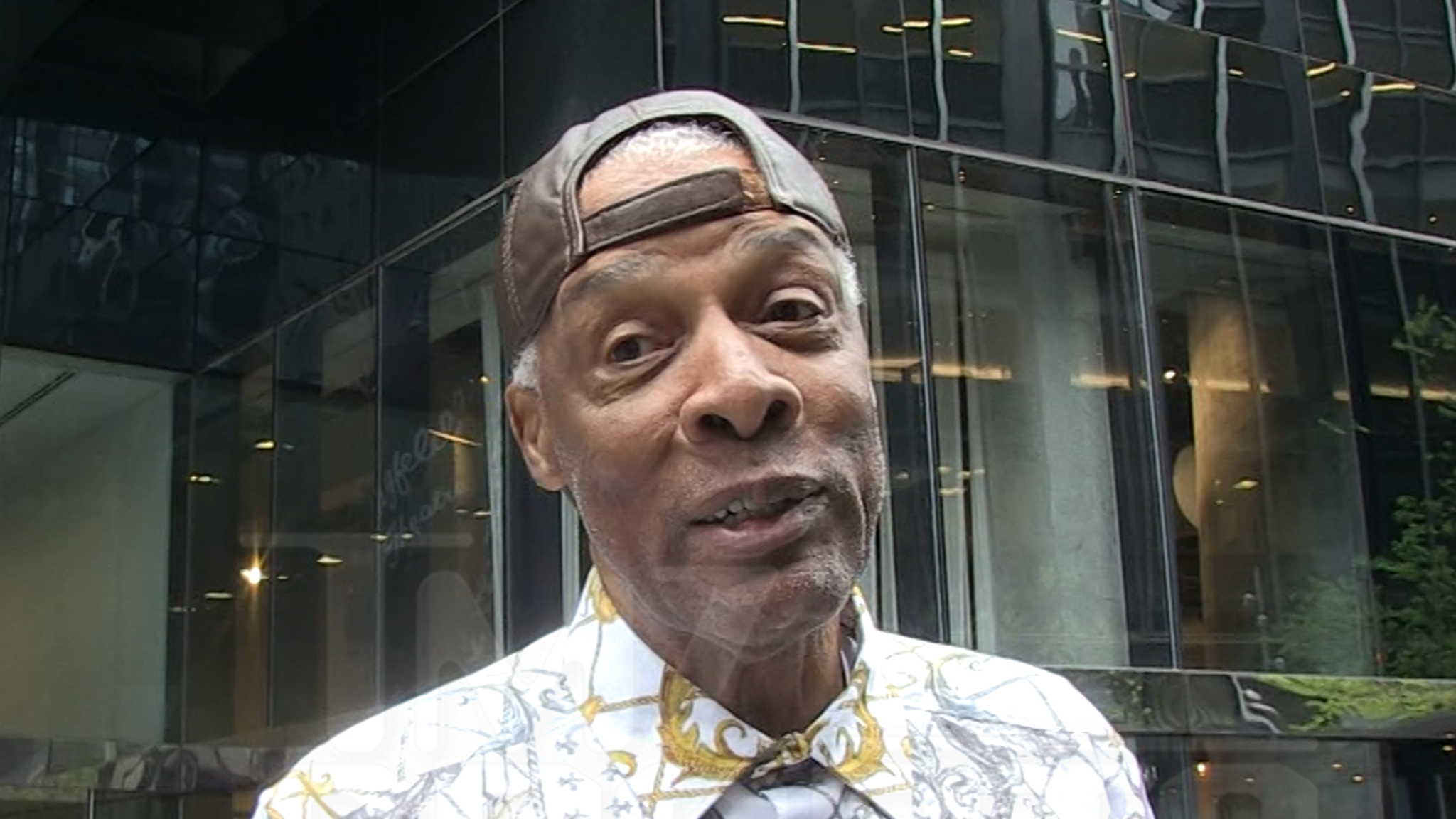
The pervasive criticism centers on the consistent absence of household names. LeBron James, arguably the greatest player of his generation and renowned for his incredible athleticism and in-game dunks, notably never participated in the contest throughout his storied career. This trend extends to numerous other top-tier players, who, despite possessing the requisite talent and flair, have opted to sit out. The reasons often cited range from injury concerns during a grueling NBA season to a perception that the contest offers diminishing returns in terms of career prestige. This absence of star power has undeniably diluted the contest’s appeal, leading to dwindling viewership and a general sense of fan apathy, effectively placing the event on "relevancy life support," as Dr. J starkly put it.
Dr. J’s Prescription: Respecting History and Inspiring Engagement
During his conversation with TMZ Sports, Dr. Erving, a man who knows a thing or two about iconic slams, did not advocate for mandatory participation, acknowledging the complexities of modern professional sports contracts and player autonomy. "He added the players make too much money to be required to do anything nowadays — that includes suiting up for games," a spicy observation that speaks volumes about the current landscape of player empowerment. Instead, his counsel was more nuanced and profound: an appeal to the league’s current crop of superstars to educate themselves on the contest’s rich history.
Erving firmly believes that a deeper understanding and appreciation of the Slam Dunk Contest’s legacy—the groundbreaking performances, the legendary rivalries, and its role in shaping basketball culture—could fundamentally alter players’ perspectives. He posits that if these athletes truly grasp the historical significance and the impact of those who came before them, they might reconsider their stance on abstaining. This isn’t just about entertainment; it’s about stewardship of a tradition, honoring the past, and inspiring future generations. Dr. J’s message is a call for a conscious connection to the sport’s heritage, suggesting that this historical enlightenment could reignite the desire to contribute to the contest’s future glory.
The Modern Dilemma: Player Autonomy vs. Fan Expectation
The dilemma facing the NBA and the Dunk Contest is multifaceted. On one hand, player autonomy is paramount in contemporary professional sports. Athletes, often with multi-million dollar contracts, have legitimate concerns about injury risk, which could jeopardize their careers and earning potential. A poorly landed dunk or an awkward fall could sideline a player for weeks or months, impacting their team’s performance and their personal brand. Furthermore, the pressure to constantly innovate and deliver never-before-seen dunks can be immense, leading to a creative burnout or a reluctance to participate without truly groundbreaking ideas.
On the other hand, fan expectation remains high. All-Star Weekend, as a whole, thrives on the presence of the league’s biggest stars. When the marquee event of Saturday night features players who are not household names, it inevitably leads to disappointment and a sense of deflation. The viewership numbers for All-Star Saturday Night have indeed shown fluctuations, often peaking during years with exceptional Dunk Contest performances or star involvement, and dipping when the lineup is perceived as weaker. This underscores the direct correlation between star power and audience engagement, a critical factor for the league’s marketing and revenue streams.
Glimmers of Hope and Potential Pathways Forward
Despite the challenges, there have been recent glimmers of hope that suggest the contest is not beyond salvation. The 2016 Zach LaVine vs. Aaron Gordon contest, a spectacular display of creativity and athleticism, captivated audiences and reminded many of the event’s former glory. Both players were rising stars at the time, demonstrating that even without the absolute top-tier megastars, a truly compelling matchup can still electrify. More recently, Mac McClung’s dominant performance, winning the 2023 and 2024 contests, showcased an athlete dedicated to the craft of dunking, bringing a refreshing energy and a series of memorable jams. While McClung is not an NBA superstar, his performances proved that incredible athleticism and originality can still draw significant attention and praise.
Beyond Dr. J’s call for historical appreciation, various potential solutions have been debated within basketball circles. Increasing the prize money could serve as a more tangible incentive for stars, though Erving’s comments suggest this might not be the primary driver for today’s highest-paid athletes. Adjusting the format, perhaps introducing team-based dunk contests or incorporating fan voting more directly into the judging, could also inject new life. The NBA has indeed experimented with different rules and judging panels over the years, seeking to find a formula that resonates with both players and fans. The league’s commitment to All-Star Weekend’s overall appeal means that the Dunk Contest, despite its struggles, remains a focus for revitalization efforts.
Broader Implications for All-Star Weekend
The state of the Slam Dunk Contest has broader implications for the entire NBA All-Star Weekend. The weekend is designed to be a celebration of basketball, a showcase of talent, and a key marketing event for the league. If one of its signature events loses its luster, it can detract from the overall experience and potentially impact viewership for other events, including the All-Star Game itself. The Dunk Contest historically served as the perfect appetizer for the main course, building anticipation and excitement. A strong, star-studded dunk contest contributes significantly to the festive and high-energy atmosphere that the NBA aims to create.
Julius Erving’s powerful intervention serves as a poignant reminder of the cultural weight carried by these events. It’s a call from a legend who helped define the contest, urging a new generation to embrace the responsibility of carrying that legacy forward. His optimism regarding the Philadelphia 76ers’ chances against the Boston Celtics, also shared during the interview, underscores his enduring passion for the game, a passion he hopes will be mirrored by current stars in their approach to the Dunk Contest. The question remains: will the best of the best heed Dr. J’s words, delve into the rich tapestry of the contest’s past, and step up to strive for slam dunk greatness, ensuring that this cherished tradition not only survives but thrives for years to come? The future of the NBA Slam Dunk Contest, it seems, rests on both historical consciousness and the willingness of today’s icons to embrace the spectacle.