


The National Football League and Paramount Global’s Skydance-led leadership have entered the formative stages of negotiations to renew and significantly augment their existing media rights agreement, a move that signals a massive shift in the valuation of professional sports broadcasting. According to sources familiar with the private discussions, the NFL and CBS executives are currently debating a substantial price increase for the network’s Sunday afternoon game package. The proposed bid-ask spread suggests a midpoint increase of approximately 50% to 60% over the current annual valuation. With CBS currently paying an average of $2.1 billion per year, a 50% hike would propel the annual commitment to more than $3 billion, marking one of the most significant escalations in sports media history.
The catalyst for these early negotiations is a specific change-of-control provision triggered by Skydance Media’s acquisition of Paramount Global. This clause granted the NFL a unique window to potentially terminate its existing contract by 2027. To secure long-term stability and retain its cornerstone sports asset, Paramount is moving aggressively to lock in a new deal that would eliminate the league’s opt-out clause, which was originally scheduled for the 2029-30 season. In exchange for this increased financial commitment, the NFL would grant CBS an eight-year extension, ensuring that the network remains the home of Sunday afternoon football through the end of the 2033-34 season.
The Financial Mechanics of the Paramount-Skydance Proposal
The financial stakes of this negotiation are intertwined with the broader corporate restructuring of Paramount Global. Paramount’s Chief Financial Officer, Dennis Cinelli, recently informed investors that the company’s adjusted earnings before interest, taxes, depreciation, and amortization (EBITDA) for 2026 is projected at $3.6 billion. However, this figure could see a dramatic transformation if the proposed merger between Paramount and Warner Bros. Discovery (WBD) receives regulatory approval. Under a combined entity, the projected adjusted EBITDA is estimated to reach $18 billion, providing the scale necessary to absorb the soaring costs of premium NFL content.
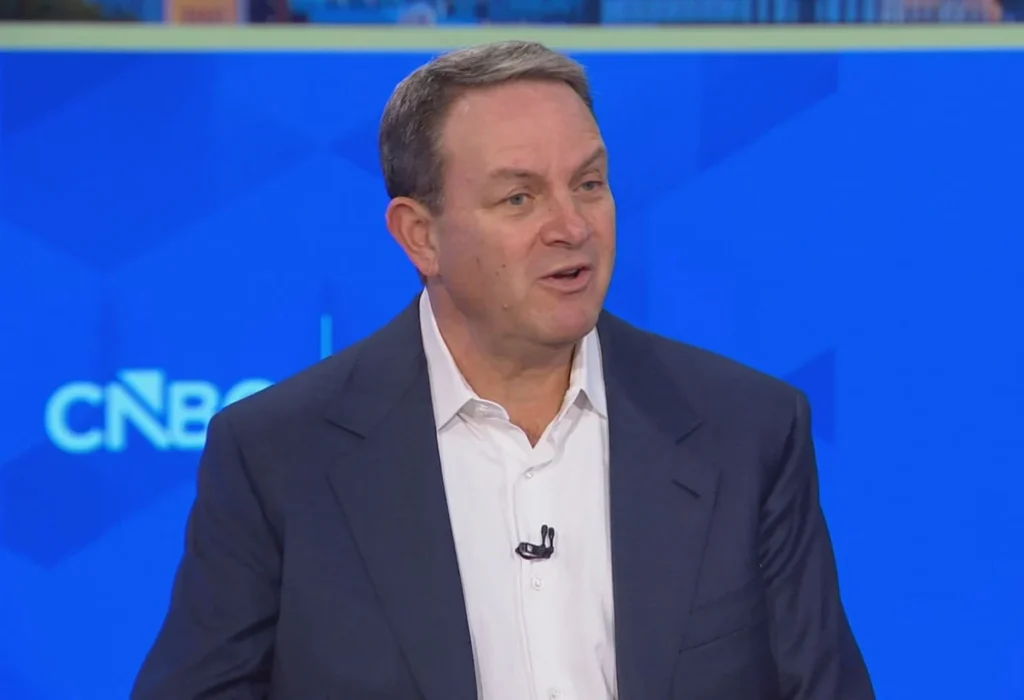
David Ellison, CEO of the newly formed Paramount Skydance entity, has emphasized the "phenomenal relationship" between the network and the league. During a recent address at the CNBC CEO Council in Arizona, Ellison noted that the NFL remains Paramount’s most vital partner, particularly following a historic season that saw record-breaking viewership numbers. While Ellison declined to comment on the specific intricacies of the ongoing talks, he reaffirmed the company’s intent to maintain the NFL as a central pillar of its broadcast and streaming strategy, which includes the integration of games onto the Paramount+ streaming platform.
The proposed deal structure suggests that CBS would begin paying the elevated fee as early as next season. This front-loading of the increase allows the NFL to capitalize on the current high-demand environment for live sports while offering Paramount the security of a decade-long partnership without the looming threat of a mid-contract exit by the league.
The Domino Effect: Fox and the Sunday Afternoon Package
The NFL’s decision to prioritize negotiations with CBS is a calculated move designed to set a new market benchmark. Industry analysts suggest that Fox will likely be the next media partner to the negotiating table. Both CBS and Fox occupy similar roles within the NFL ecosystem, handling the bulk of the Sunday afternoon regional broadcasts. Fox currently pays slightly more than CBS, with an annual commitment of approximately $2.2 billion.
Lachlan Murdoch, CEO of Fox Corp, has publicly acknowledged the "mutually beneficial" nature of the relationship but noted that material conversations regarding a formal renewal have yet to begin. However, the precedent set by a 50% to 60% increase for CBS will undoubtedly serve as the floor for Fox’s future negotiations. Murdoch has also hinted at the necessity of "rebalancing" the company’s broader sports portfolio to accommodate the rising costs of the NFL, suggesting that other sports properties may see reduced investment as the league commands a larger share of the network’s budget.
Challenges for Primetime Partners: NBC, Amazon, and Disney
While the Sunday afternoon packages are seeing a surge in valuation, the landscape for primetime rights—held by NBCUniversal, Amazon Prime Video, and Disney (ESPN/ABC)—is becoming increasingly complex. Unlike CBS and Fox, these partners have not yet entered formal renegotiations, and it remains unclear if the league can successfully demand a similar 50% increase across the board.
Executives at NBC and Disney have reportedly expressed concerns regarding the relative strength of their packages. Historically, Sunday Night Football (NBC) and Monday Night Football (ESPN/ABC) were considered the crown jewels of the NFL schedule. However, the league’s strategic decision to bolster Amazon Prime Video’s Thursday Night Football slate with more competitive matchups has led to a perceived dilution of the traditional primetime windows.
The financial burden is particularly acute for Disney. ESPN currently pays $2.7 billion annually for its NFL rights. A 50% increase would push that figure north of $4 billion per year, a price point that sources suggest Disney leadership would likely balk at, given the company’s ongoing efforts to streamline its linear television business and transition ESPN to a fully direct-to-consumer model. All three of these partners—NBC, Amazon, and Fox—are currently subject to the 2029-30 opt-out clause, while Disney’s window does not arrive until 2031.
Chronology of NFL Media Rights and Market Evolution
To understand the current negotiations, it is essential to view them within the timeline of the NFL’s aggressive media expansion:
- March 2021: The NFL signs landmark 11-year media rights deals with CBS, NBC, Fox, ESPN/ABC, and Amazon, totaling over $110 billion. The deals were set to run through the 2033 season.
- 2023-2024 Season: The new deals officially commence. Amazon Prime Video sees significant viewership growth for Thursday Night Football, while CBS broadcasts Super Bowl LVIII, which becomes the most-watched television program in U.S. history.
- July 2024: The FCC and regulators begin reviewing the $8 billion merger between Skydance Media and Paramount Global.
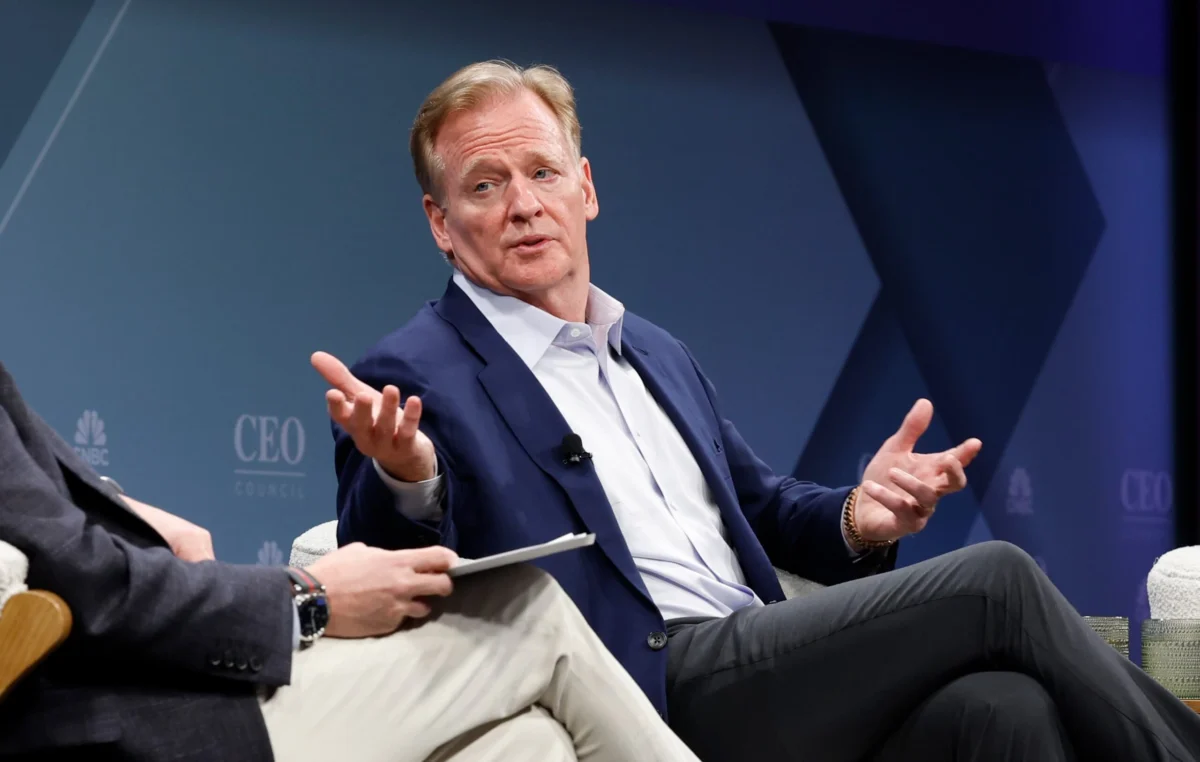
- May 2025: NFL Commissioner Roger Goodell and Paramount CEO David Ellison confirm the commencement of renewal talks, triggered by the change-of-control provision in the Paramount-Skydance merger.
- 2026-2027 (Projected): If finalized, the new CBS deal would take effect, setting a new standard for the remaining media partners ahead of the 2029 opt-out window.
Downstream Implications for Other Professional Sports
The astronomical rise in NFL rights fees is expected to create a significant "crowding out" effect for other professional sports leagues. As broadcasters allocate more of their limited content budgets to the NFL, mid-tier and secondary sports properties may find themselves facing a more restrictive market.
The National Hockey League (NHL) is among the first to feel this pressure. The NHL’s current agreements with Disney and Warner Bros. Discovery are set to expire following the 2028 season. NHL Commissioner Gary Bettman has reportedly sought to engage in early renewal talks to secure the league’s future before the NFL absorbs the remaining available capital in the market. However, industry insiders suggest that Bettman may be forced to wait until the Paramount-WBD merger is finalized before a clear picture of the bidding landscape emerges.
Jon Weinstein, a spokesperson for the NHL, noted that while the league is constantly discussing the future with its partners, it does not view its negotiations strictly through the lens of the NFL’s timeline. Nevertheless, the reality of "rebalancing" mentioned by Fox’s Lachlan Murdoch suggests that leagues like the NHL or Major League Baseball (MLB) may see a shift in where their games are broadcast.
Strategic Rebalancing and the Role of Cable Networks
As broadcast giants like CBS and Fox focus their resources on the NFL, cable-centric entities are preparing to pivot. Mark Lazarus, CEO of Versant (the parent company of NBCUniversal and CNBC), has indicated that the company is prepared for a shifting sports landscape. Lazarus suggested that the outsized cost of the NFL might create opportunities for Versant’s cable properties, such as USA Network, to acquire rights to the NHL or MLB—properties that might have otherwise been out of reach or reserved for broadcast television.
This potential migration of "Tier 2" sports to cable or specialized streaming platforms highlights the growing bifurcation of the sports media market. The NFL remains in a category of its own, capable of commanding multi-billion-dollar premiums even in a fragmented media environment. For Paramount Skydance, the decision to pay a premium for the NFL is not merely about sports; it is a defensive maneuver to ensure the survival of the CBS broadcast network and the growth of its digital ecosystem in an era of unprecedented industry consolidation.
As the negotiations between the NFL and Paramount continue, the final terms will serve as a bellwether for the future of the industry. If the 50% increase becomes the new standard, it will solidify the NFL’s position as the most powerful entity in American media, while simultaneously forcing every other player in the ecosystem—from networks to competing sports leagues—to fundamentally rethink their business models.