
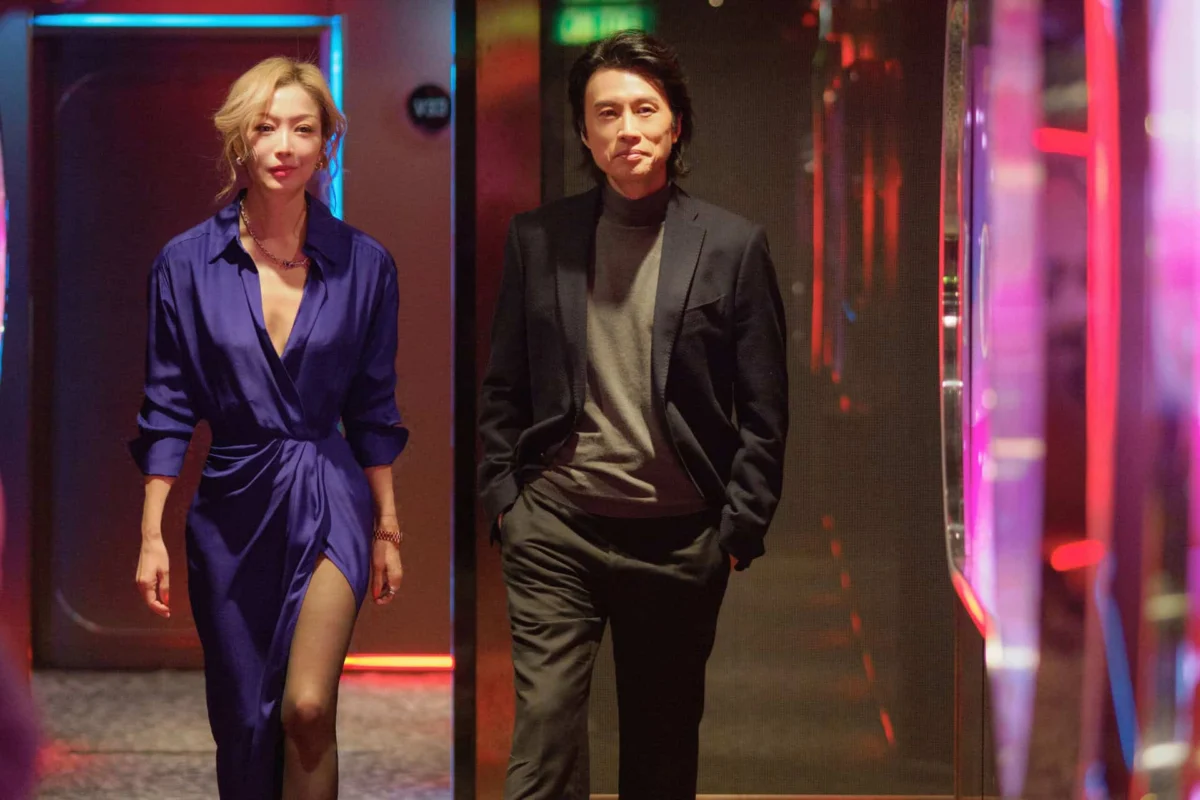
The vibrant and often ephemeral world of Hong Kong’s hostess nightclubs, once the glittering heart of East Tsim Sha Tsui’s nocturnal allure, forms the evocative backdrop for director Jack Ng’s much-anticipated second feature, "Night King." Fresh off the monumental success of his debut film, "A Guilty Conscience," which rewrote Hong Kong box office history, Ng ventures into a different, yet equally compelling, narrative terrain. "Night King" is currently captivating audiences at the prestigious Udine Far East Film Festival, a significant platform that underscores the growing international recognition of Ng’s cinematic vision and the thematic richness of his latest offering.
A Tale of Two Eras: East Tsim Sha Tsui’s Evolving Identity
The film opens with a poignant evocation of East Tsim Sha Tsui in its heyday, particularly the 1970s and 1980s. This era was defined by an almost intoxicating proliferation of neon signs that painted the district in an electric glow, drawing throngs of patrons to a myriad of hostess nightclubs. These establishments were not merely venues for entertainment; they were vital social hubs, reflecting and shaping the aspirations and lifestyles of a burgeoning metropolis. The very air in these clubs was thick with a unique blend of glamour, ambition, and a certain clandestine charm, a far cry from the more sanitized entertainment options of today. The economic boom of Hong Kong during this period fueled a robust nightlife industry, with hostess clubs playing a significant role in the city’s social fabric and its image as a global entertainment capital. Data from the era suggests a significant portion of disposable income was allocated to such leisure activities, underscoring their economic importance.
However, "Night King" masterfully transitions to the 2010s, presenting a starkly different East Tsim Sha Tsui. The once-dominant neon glow has dimmed considerably, with many of the iconic nightclubs having permanently shuttered their doors. This transformation mirrors broader socio-economic shifts within Hong Kong, including rising operational costs, changing consumer preferences, and evolving regulatory landscapes. The film captures this palpable sense of decline, where the echoes of past vibrancy are juxtaposed against the quiet resignation of a fading industry. This shift is not unique to Hong Kong; similar patterns of urban entertainment district evolution have been observed in major global cities as economic priorities and cultural trends adapt.
EJ Club: A Microcosm of Resistance and Change
Amidst this backdrop of urban metamorphosis, one establishment, EJ Club, stubbornly clings to its legacy. The narrative centers on Foon, the enterprising and deeply traditional CEO of EJ Club. Foon represents a dying breed of club owners, committed to preserving the "old values" of the business, which he believes fostered genuine connection and sophisticated entertainment. His unwavering dedication to a bygone era is thrown into sharp relief when his godfather, the club’s owner, passes away. This event triggers a seismic shift within EJ Club’s leadership: Foon’s ex-wife, Dame V, re-enters the picture, not as a nostalgic figure, but as a formidable force armed with "fresh and modern ideas" to steer the club into the future.
The ensuing conflict between Foon and Dame V is the dramatic engine of the film. Their clashing philosophies on business and the essence of their establishment create palpable tension. Foon, rooted in tradition and personal relationships, finds himself at odds with Dame V’s pragmatic and perhaps more aggressive approach to business survival. This personal drama unfolds against the looming threat of a hostile takeover bid orchestrated by a disgruntled corporate heir, adding a layer of urgency and high stakes to their internal disputes. The narrative effectively uses this external pressure to force a reckoning between the former lovers, compelling them to confront their past and collaborate for the survival of EJ Club and, crucially, the hostesses who depend on it. The film subtly highlights the precarious position of these women, whose livelihoods are intrinsically tied to the fortunes of the establishment.
Jack Ng’s Sophomore Effort: Navigating Expectations and Cinematic Nuance
Following "A Guilty Conscience," which achieved the unprecedented feat of being the first Hong Kong domestic film to surpass HK$100 million at the box office, the pressure on Jack Ng’s second directorial outing was immense. "Night King" largely succeeds in meeting these elevated expectations, delivering an entertaining production that resonates with themes of resilience and adaptation. Ng’s screenplay, co-written by Ho Miu Ki and Jay Cheung, adeptly captures the ever-shifting social landscape of Hong Kong and the indomitable spirit of its people. The film shines a spotlight on an industry teetering on the brink, portraying both its past allure and its present struggles with a keen eye for detail.
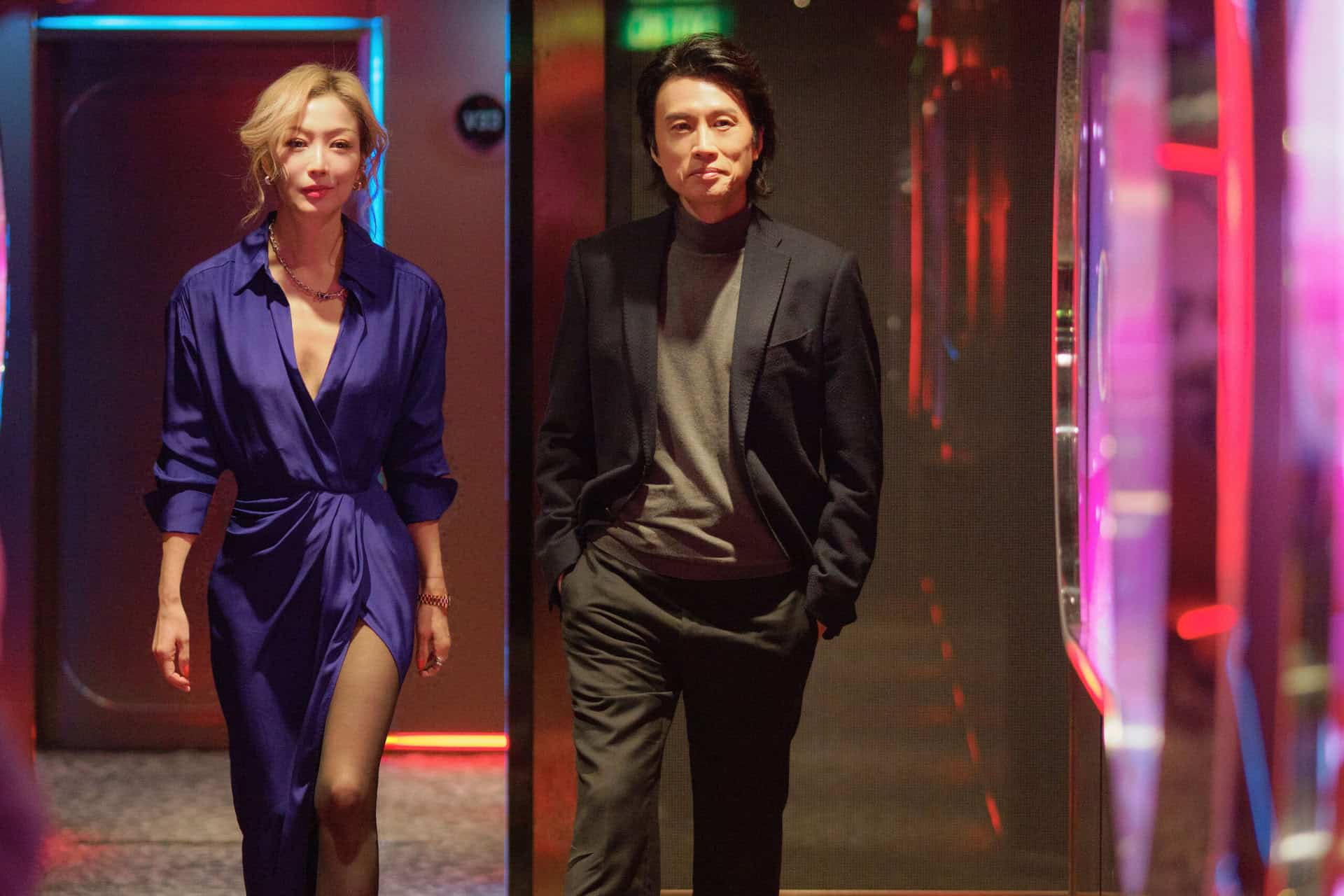
The visual aesthetic of "Night King" is a significant contributor to its success. Anthony Pun’s cinematography is nothing short of spectacular, meticulously recreating the glamour of Hong Kong’s nightclub scene. The screen is awash with opulent golds and dazzling lights, immersing the viewer in the era’s extravagant ambiance. This visual richness extends to the film’s costume design and overall production values, where the sultriness of the hostesses’ attire – high heels, plunging necklines, and daring hemlines – complements the luxurious interiors of the nightclubs and Macau casinos. The soundtrack, too, is perfectly attuned to the film’s genre and mood, enhancing the overall immersive experience.
Comedy and Character Dynamics: The Pillars of "Night King"
Where "Night King" truly shines is in its comedic interludes, expertly leveraging the talents of its lead actors. Dayo Wong, a veteran comedian, brings his considerable comedic prowess to the forefront, infusing Foon with a relatable exasperation and charm. His verbal sparring with Yeun Wai-lun, who portrays Foon’s loyal right-hand man, Turf, is a consistent source of amusement. The chemistry between the two actors is palpable, their rapid-fire exchanges and comedic timing often resulting in genuinely hilarious moments. Wai-lun’s performance is particularly noteworthy for its restraint; rather than opting for over-the-top physical comedy, he skillfully employs his awkward physicality and subtle comedic delivery to elicit laughter. This nuanced approach adds depth to his character and complements Wong’s more boisterous comedic style.
The female cast members also deliver strong performances, bringing vitality and depth to their roles. Sammi Cheng anchors the film as Dame V, delivering a compelling portrayal that captures the character’s steely resolve and underlying vulnerability. The emotional core of the film is arguably found in the scene shared between Cheng and Wong in a Macao casino suite, a pivotal moment that showcases their characters’ complex history and the dramatic stakes of their current predicament. Fish Liew and Louise Wong, both returning collaborators with Ng from his debut, are equally well-cast as Mimi and Coco, two of EJ Club’s seasoned madams. Liew, in particular, is given a more substantial and impactful role, allowing her to explore the nuances of her character with impressive skill.
Challenges and Opportunities: A Balanced Perspective
Despite its many strengths, "Night King" is not without its shortcomings. The screenplay, while ambitious, occasionally falters in its pacing, particularly when its dramatic elements tend to overshadow the comedic beats, leaving the audience yearning for more levity. The film’s reluctance to delve more deeply into the potentially grittier aspects of the hostesses’ profession prevents it from achieving the comprehensive portrayal of nightclub life that it aspires to. While understandable given its positioning as a Lunar New Year release, aimed at a broader, family-friendly audience, the occasional inclusion of profanity feels incongruous with this stated intention. Furthermore, the film’s runtime could have been more judiciously managed; certain subplots, such as Mimi’s character arc, feel somewhat extraneous, even if they offer Fish Liew additional screen time.
A Grand Finale and a Promising Future
Ultimately, "Night King" culminates in a surprisingly effective and thrilling climax. The final act transforms into a brilliant heist movie as Foon and his team devise an ingenious plan to outmaneuver Prince Fung, the corporate heir bent on acquiring EJ Club. This unexpected shift in genre adds a jolt of excitement and provides a satisfying resolution to the narrative’s various threads.
While "Night King" may not entirely reach the stratospheric heights of Jack Ng’s history-making debut, it stands as a testament to his burgeoning talent. It is a flawed yet undeniably entertaining and visually sumptuous second effort that showcases his ability to blend poignant social commentary with engaging storytelling. The film’s international premiere at the Udine Far East Film Festival is a significant milestone, not only for Ng and his team but also for the broader recognition of Hong Kong cinema on the global stage. The festival, now in its 26th edition, is a crucial platform for showcasing the diversity and dynamism of Asian filmmaking, and "Night King"’s inclusion speaks volumes about its artistic merit and thematic relevance. This platform offers a crucial opportunity for international distributors and critics to engage with Ng’s work, potentially opening doors for wider distribution and critical acclaim beyond Asia. The success of "A Guilty Conscience" and the promising reception of "Night King" signal a bright future for Jack Ng as a director capable of crafting films that are both commercially viable and artistically resonant. His exploration of Hong Kong’s cultural evolution, intertwined with compelling human dramas, positions him as a significant voice in contemporary Asian cinema.