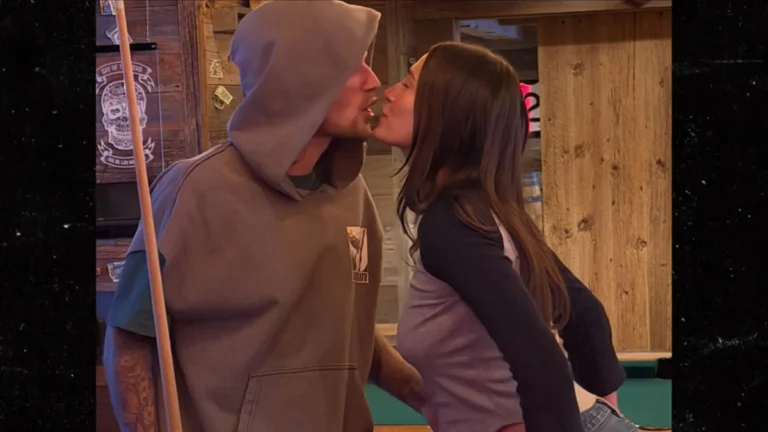
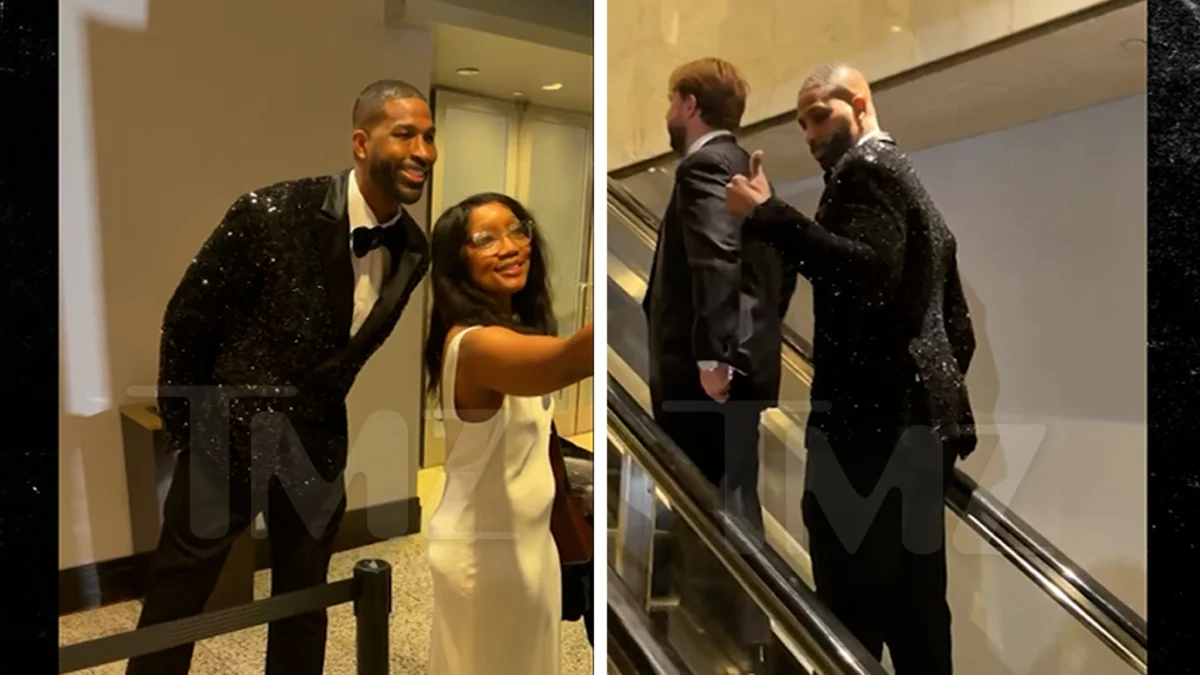
In a stark illustration of the abrupt shift from celebratory anticipation to chaotic alarm, former NBA star and reality television personality Tristan Thompson was captured on video engaging jovially with fans, posing for selfies just moments before an incident involving gunfire disrupted the prestigious White House Correspondents’ Dinner (WHCD) in Washington D.C. The scene, recorded approximately 30 minutes prior to reports of shots ringing out, depicted Thompson in high spirits, reflecting the usually festive atmosphere preceding one of the capital’s most anticipated annual gatherings. This juxtaposition of pre-event normalcy and subsequent pandemonium has cast a somber light on the vulnerabilities of high-profile public events.
The White House Correspondents’ Dinner: A Nexus of Power and Celebrity
The White House Correspondents’ Dinner, traditionally held on the last Saturday of April, stands as a unique institution in American political and media culture. Hosted by the White House Correspondents’ Association (WHCA), its primary purpose is to raise money for journalism scholarships and to recognize excellence in the field. However, over decades, it has evolved into a glitzy affair that transcends its journalistic roots, becoming a significant social event where politicians, celebrities, media moguls, and Washington insiders converge. The dinner features a comedic roast of the President and other prominent figures, delivered by the President themselves and a guest comedian, aiming to foster a spirit of camaraderie and lightheartedness between the press and the administration.
Attendees typically include cabinet secretaries, members of Congress, foreign dignitaries, and a notable contingent of Hollywood stars and public figures, all mingling within the highly secured confines of a major Washington D.C. hotel, often the Washington Hilton. The 2026 iteration was no exception, drawing a diverse array of guests, among them Tristan Thompson. The event is not just a dinner; it’s a weekend-long series of parties, brunches, and receptions, making it a focal point for networking and visibility. The presence of celebrities like Thompson adds a layer of glamour, attracting broader public attention to an event that otherwise might only appeal to political junkies and media professionals. The sheer volume of high-profile individuals in one location necessitates stringent security protocols, a factor that now comes under intense scrutiny following the recent incident.
Thompson’s Presence and Pre-Incident Engagement
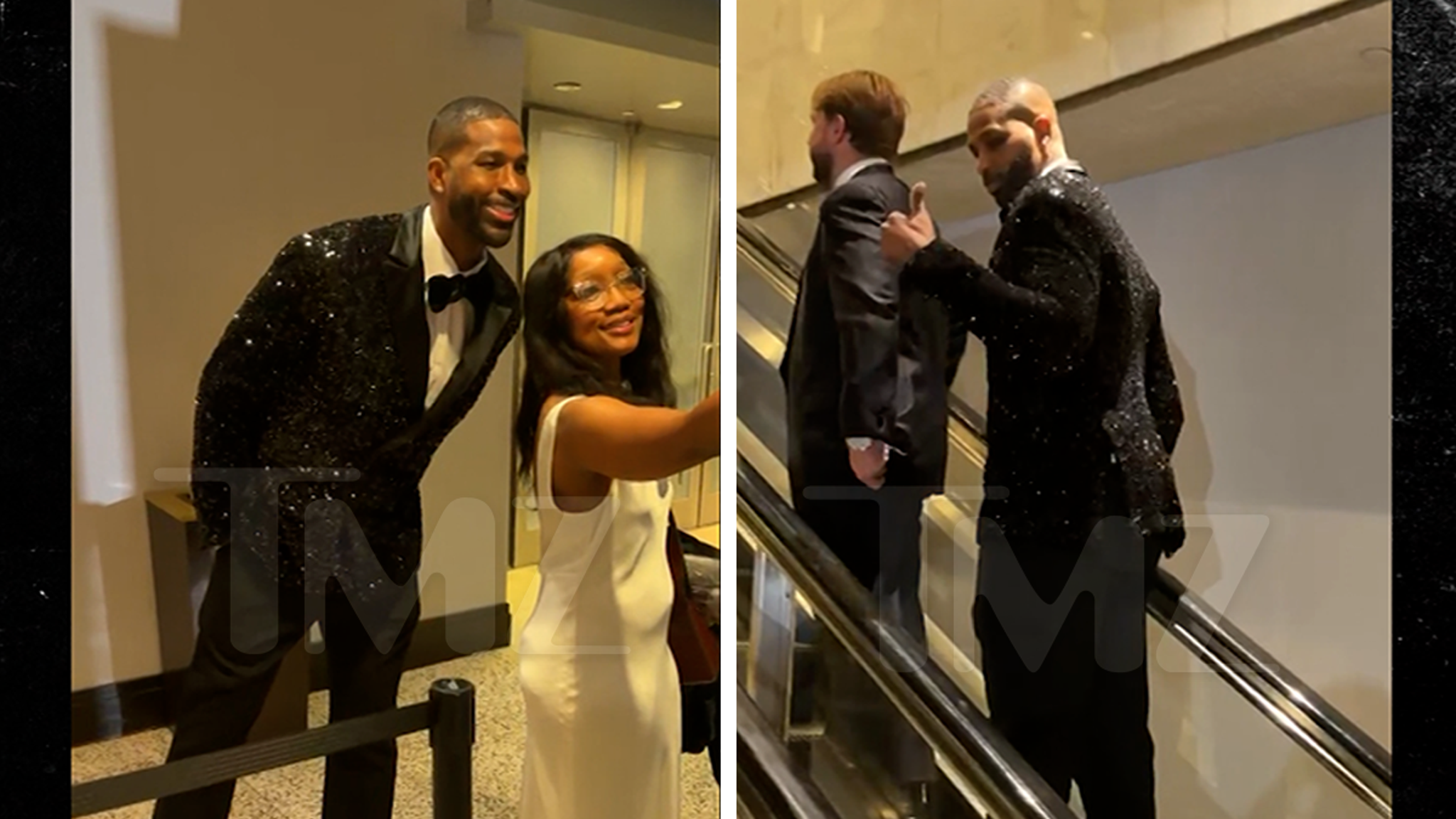
Tristan Thompson, widely recognized for his successful career in the National Basketball Association and his prominent role in reality television, was a conspicuous presence among the distinguished guests. Known for his public persona and often photographed appearances at various social events, his attendance at the WHCD underscored the event’s appeal across different sectors of public life. Video footage obtained from Saturday’s event in Washington D.C. captured Thompson making his way towards the dinner ballroom, reportedly via an escalator, when he paused to interact with several excited fans.
Dressed in a bedazzled and sparkling jacket, a sartorial choice that further highlighted his celebrity status, Thompson was all smiles. He willingly stopped to snap photos, even retaking a selfie with one enthusiastic woman who eagerly whipped out her phone. This casual and approachable demeanor, a hallmark of celebrity-fan interactions, painted a picture of a relaxed and enjoyable evening about to unfold. His willingness to engage, despite the high-stakes environment of the event, suggested an atmosphere perceived as safe and secure by attendees. This moment of unbridled public interaction, captured on camera, now serves as a poignant prelude to the chaos that ensued. His attendance, alongside other notable figures, typically contributes to the vibrant, albeit often critiqued, blend of politics and entertainment that defines the WHCD.
The Unfolding Incident: Shots Ring Out
The tranquil scene of celebrity-fan interaction abruptly shattered approximately 30 minutes after Thompson’s recorded selfies, when reports of gunfire erupted within the hotel hosting the dinner. The transition from celebratory anticipation to frantic disarray was immediate and terrifying. Witnesses described a sudden cacophony of shouts, the shattering of glass, and the instinctive human response of scrambling for cover. The precise location and nature of the shooting remain under investigation, but initial reports indicated that shots rang out within the vicinity of the dinner, prompting a swift and panicked evacuation or lockdown of parts of the venue.
Security personnel, who are always present in significant numbers at such high-profile gatherings, immediately initiated emergency protocols. Guests, many of whom were still enjoying pre-dinner cocktails or making their way to their tables, were plunged into a state of shock and fear. The elegant ballroom, moments earlier filled with anticipatory chatter and laughter, transformed into a scene of confusion and urgent movement. Eyewitness accounts, though fragmented in the immediate aftermath, painted a consistent picture of fear and the desperate search for safety. The incident not only disrupted the dinner but also sent shockwaves through the entire hotel, impacting other guests and staff who were not directly involved in the WHCD. This sudden act of violence brought the inherent risks of large public gatherings, even those with stringent security, into sharp focus.
Security Response and Investigation
In the immediate wake of the incident, a multi-agency security response was activated. Local law enforcement, including the Metropolitan Police Department, Secret Service agents, and potentially other federal agencies, rapidly secured the perimeter of the hotel and initiated a systematic search of the premises. Emergency medical services were also dispatched to the scene, prepared to assist any casualties, though initial reports focused more on the panic and disruption rather than widespread physical injuries. The rapid deployment of tactical units and the establishment of command centers are standard procedures for such critical incidents at high-profile venues.
Investigators immediately began the arduous task of piecing together the events. This involves reviewing surveillance footage from numerous cameras within and around the hotel, interviewing hundreds of witnesses, and collecting forensic evidence from the scene. The primary objectives are to identify the perpetrator(s), determine their motive, ascertain the type of weapon used, and understand how the incident was allowed to occur despite the enhanced security measures typically in place for the WHCD. Questions will undoubtedly arise regarding the efficacy of pre-event screening, access control points, and the overall security posture for an event hosting such a concentration of influential figures. The investigation is expected to be comprehensive, given the national significance of the event and the presence of government officials.
Notable Attendees and Their Proximity to Danger
The presence of high-ranking government officials amplified the gravity of the shooting incident. Among the distinguished guests, former NBA baller and reality TV star Tristan Thompson reportedly found himself seated in proximity to Secretary of War Pete Hegseth inside the ballroom. Secretary Hegseth, a prominent figure in national security and a cabinet member, represents a critical target for any malicious act, underscoring the severe implications of the security breach. His presence, along with other cabinet secretaries, members of Congress, and even potentially the President (who typically attends and speaks at the dinner), highlights the immense risk posed by such an event.
The proximity of a civilian celebrity like Thompson to a cabinet member during an active threat scenario underscores the indiscriminate nature of such incidents and the universal vulnerability experienced by all attendees, regardless of their public standing. The fact that a sitting Secretary of War was present in the immediate vicinity of the incident will undoubtedly trigger a thorough review of security protocols not just for the WHCD, but for all events where senior government officials congregate. The safety of these individuals is paramount, and any lapse, perceived or real, will lead to significant reevaluation and potential policy changes.
Broader Implications for High-Profile Events
The incident at the 2026 White House Correspondents’ Dinner carries significant implications for the future of high-profile events, particularly those that blend political and entertainment spheres. First and foremost, it will inevitably lead to a re-evaluation of security measures at such gatherings. Organizers, security agencies, and venue operators will likely implement even more stringent protocols, which could include enhanced screening technologies, increased visible and plainclothes security personnel, and revised emergency response plans. The balance between maintaining an accessible and festive atmosphere and ensuring ironclad security will become an even more challenging tightrope walk.
Moreover, the incident may prompt a broader discussion about the format and purpose of the WHCD itself. Critics have long argued that the event has become too glamorous and celebrity-focused, detracting from its original journalistic mission. This security breach could fuel arguments for a return to a more subdued, press-centric affair, potentially reducing the celebrity quotient to mitigate risks. There could also be a chilling effect on celebrity attendance at future political events, as public figures might become more hesitant to expose themselves to potential dangers.
From a political standpoint, the incident could spark debates about national security and domestic terrorism, especially if the motive behind the shooting is found to be politically driven. It highlights the constant threat landscape faced by public figures and the institutions they represent. The psychological impact on attendees, who went from a celebratory mood to one of fear and uncertainty, will also be considerable, potentially influencing their willingness to participate in similar events in the future. The 2026 WHCD will now be remembered not just for its speeches or its guest list, but for the moment its veneer of normalcy was shattered by violence, forcing a reckoning with the realities of modern security challenges.
The scene of Tristan Thompson’s cheerful interactions with fans, now indelibly linked to the subsequent chaos, serves as a powerful reminder of the fragility of peace and the unpredictable nature of public safety, even at events designed to celebrate democratic institutions and the freedom of the press. The investigation will undoubtedly shed more light on the specifics of the incident, but its broader impact on how we perceive and secure high-profile gatherings will resonate for years to come.