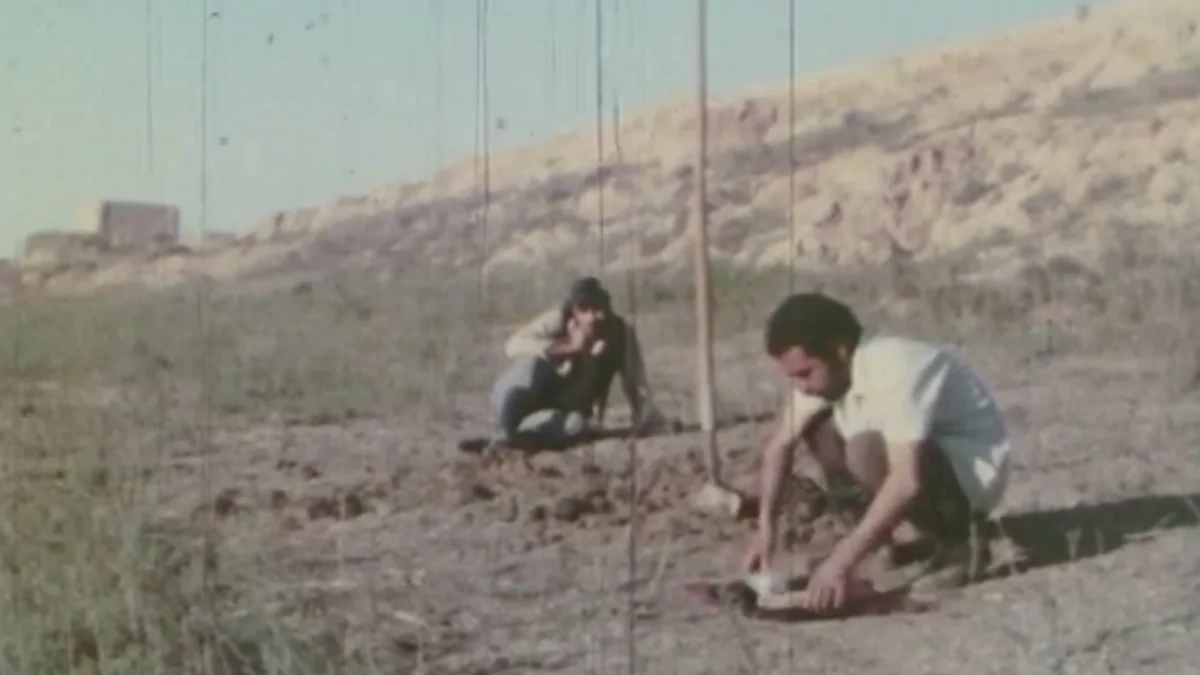
The 28th Taipei Film Festival, scheduled to run from June 26 to July 11, 2026, has unveiled a significant cornerstone of its programming: "Tehran: Classics Collection," a curated selection within the festival’s "City in Focus" initiative. This comprehensive retrospective aims to illuminate the rich and transformative history of Iranian cinema by showcasing 21 landmark films that chart its evolution from the avant-garde expressions of the 1960s to the groundbreaking "Cinema-ye Azad" movement of the 1970s, and culminating in early works by globally recognized auteurs. The collection offers a profound historical lens, tracing the artistic genesis of Iranian New Wave cinema prior to the 1979 Islamic Revolution, and critically examining how filmmakers navigated creative constraints to forge pathways that resonated internationally.
A Cinematic Tapestry of Transformation
The "Tehran: Classics Collection" is meticulously designed to present masterworks that define the zenith of Iranian cinematic aesthetics, demonstrating the power of visual storytelling to deconstruct societal structures. The selection emphasizes films that not only reflect the cultural and political landscapes of their time but also push the boundaries of artistic expression. This includes seminal works that have influenced generations of filmmakers both within Iran and across the globe. The festival’s choice to focus on Tehran as the "City in Focus" underscores the capital’s pivotal role as a crucible for artistic innovation and social commentary throughout this pivotal half-century.
Defining Masterpieces and Their Context
At the heart of the collection is The House Is Black, a singular cinematic achievement by the renowned 20th-century Iranian poet Forough Farrokhzad. This profoundly moving work, Farrokhzad’s only foray into filmmaking, offers an unflinching gaze into a leper colony, transforming stark realities of suffering into a visual poem of unparalleled emotional depth. Farrokhzad’s poetic sensibility imbues the film with a unique power, challenging conventional documentary approaches and resonating with a lyrical intensity that transcends its subject matter.
Another cornerstone of the collection is First Case, Second Case, a thought-provoking examination of collective decision-making by the internationally acclaimed Abbas Kiarostami. This film, which interrogates the dynamics of group consensus and moral responsibility, serves as an early testament to Kiarostami’s signature ability to distill complex philosophical questions from seemingly simple scenarios. His work consistently explores themes of ethics, justice, and human interaction, often set against the backdrop of everyday Iranian life.
The collection also prominently features Brick and Mirror, a seminal work by Ebrahim Golestan, often credited with heralding the Iranian New Wave. Golestan, a towering figure in Iranian arts and letters, utilizes the poignant narrative of an abandoned infant found in a taxi to probe the depths of urban alienation and the anxieties engendered by modernity. The film’s sophisticated visual language and thematic complexity positioned it as a vital precursor to the cinematic revolution that would soon follow.
The Radical Spirit of Cinema-ye Azad
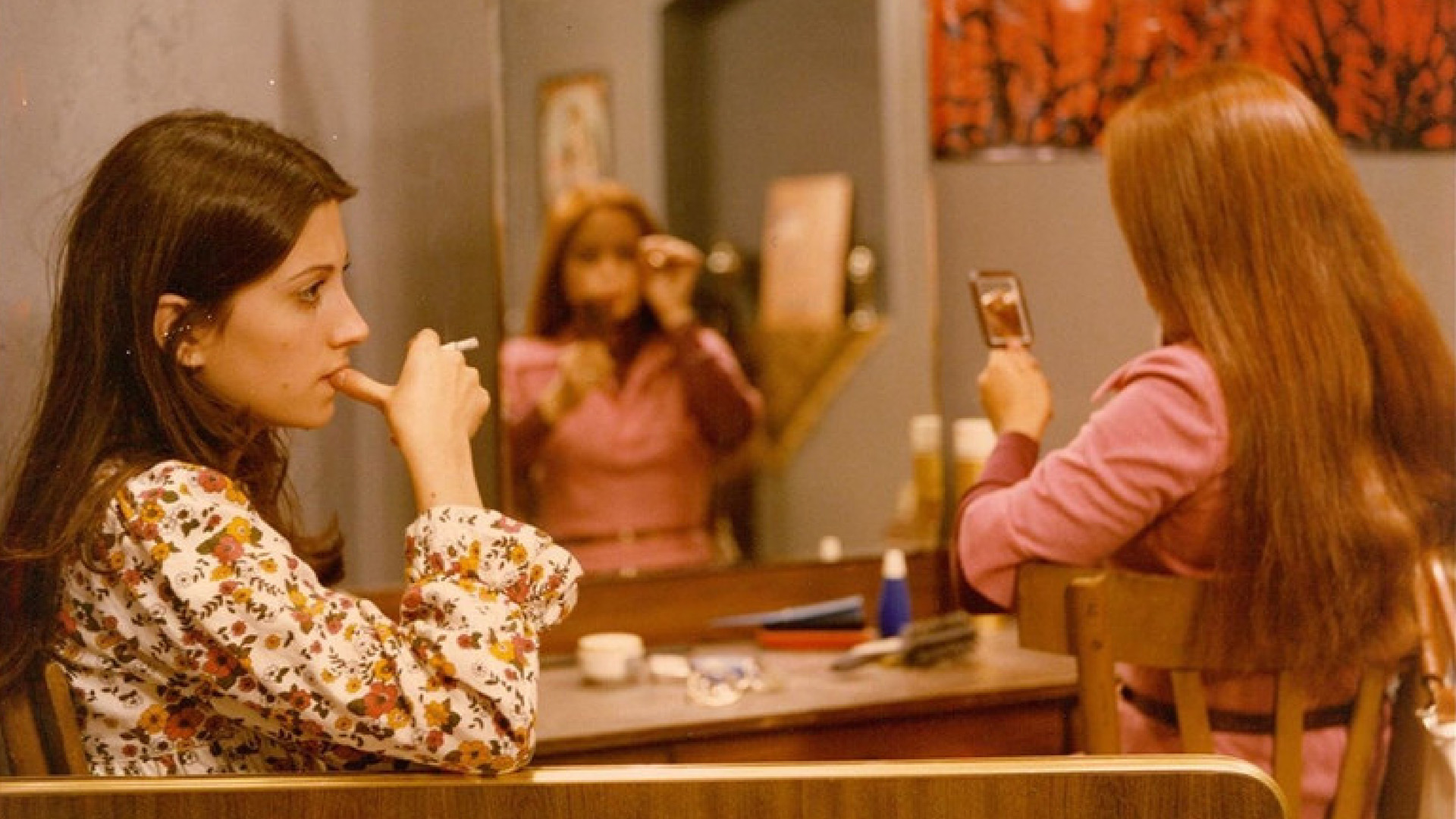
A significant portion of the festival’s program is dedicated to the "Cinema-ye Azad Collection," which revisits the most radical and experimental moving-image practices in Iran between 1969 and 1979. This era witnessed a burgeoning grassroots movement of young filmmakers who, in defiance of commercial constraints and a burgeoning censorship apparatus, utilized portable 8mm cameras to reclaim creative autonomy. They explored experimental and surreal forms, pushing the boundaries of narrative and visual representation. These often long-obscured works are now being brought to light, capturing the unrestrained artistic spirit of Tehran on the eve of profound societal change. The collection illustrates how filmmakers achieved a remarkable degree of expressive freedom amidst scarcity, leveraging limited resources to create potent and innovative art.
The program highlights the pivotal role of independent film pioneer Behnam Jafari, a central figure in the Cinema-ye Azad movement. Three of his representative works are featured: The Day that Mr. J Appeared, a film that employs the absurd premise of a foul-smelling box obstructing a staircase to craft subtle social satire. Abandoned Heights, a film that Jafari meticulously shot, directed, and edited himself, captures evocative scenes of Tehran on 8mm film, using a rooftop trumpet as a striking metaphor for political surveillance. His only feature-length film, Mir Nasir and the Ill-Fated Genie, is also included, a work that ingeniously subverts Arabic folklore to question the complexities of modernization and existential conditions.
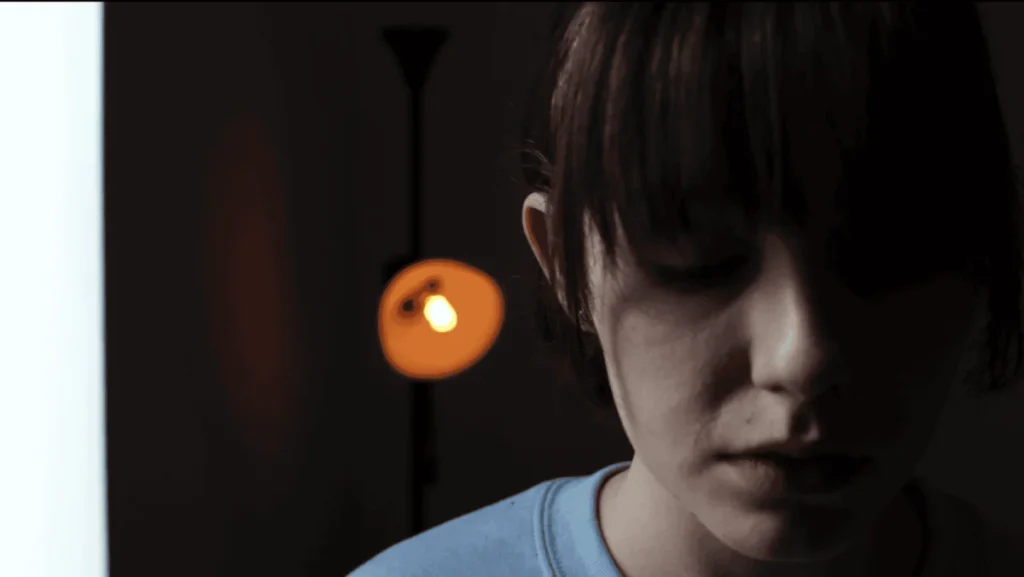
The "Cinema-ye Azad Collection" extends to other filmmakers whose experimental works demonstrate the movement’s diverse narrative approaches and stylistic innovations. DokhtarBass Didn’t Want to Be Alone offers delicate emotional and spatial poetics through a young girl’s poignant attempt to escape loneliness. Poison River, directed by Kianush Ayari, confronts themes of environmental and cultural disappearance with stark, impactful imagery. How Frightening Is the Darkness of the Soul! delivers a visceral sensory assault into the subconscious, visualizing fear, desire, and the dissolution of the soul through intense light and distorted imagery. These films collectively reveal the breadth of Cinema-ye Azad’s artistic vision and its enduring spirit of creative freedom, offering a vital counter-narrative to dominant cinematic trends of the period.
The Pioneering Voice of Female Filmmakers
The collection also shines a spotlight on the groundbreaking contributions of female filmmakers, whose work often navigated even greater societal and institutional challenges. The Sealed Soil, a legendary banned film by pioneering female director Marva Nabili, stands as a powerful example. Shot secretly without official authorization, the film tells the story of a young woman yearning for independence in a remote village. Nabili’s masterful use of long takes and sparse dialogue captures the arduous struggle against deeply ingrained gender constraints. Often regarded as an Iranian counterpart to Chantal Akerman’s Jeanne Dielman, 23 quai du Commerce, 1080 Bruxelles, The Sealed Soil offers a vital and urgent female perspective to the Iranian New Wave, highlighting the resilience and artistic vision of women in Iranian cinema.
Exploring Social Commentary Through Diverse Lenses
Beyond these significant works, the festival’s curated selection delves into a spectrum of social commentary delivered through varied cinematic styles. Nosratollah Karimi’s The Carriage Driver offers a sharp and humorous critique of traditional marriage values by delving into the intricacies of everyday life. Dariush Mehrjui’s The Postman constructs a powerful political allegory, employing the narrative of a postman oppressed by the landlord class to explore themes of power and exploitation.
Parviz Sayyad’s Dead End adopts a critical tone to depict the psychological entrapment experienced under pervasive surveillance, reflecting the anxieties of a society under watchful eyes. Sohrab Shahid Saless’s minimalist masterpiece, Still Life, profoundly impacted the film world with its de-narrativized realism, portraying the repetitive and often melancholic daily life of an aging railway worker. Amir Naderi, a key figure in Iranian cinema, is represented by Harmonica, a film that examines power dynamics among peers sparked by a simple musical instrument, and Waiting, which masterfully captures a boy’s pure yet restless longing through the evocative interplay of light and shadow. Together, these films construct a multifaceted dialogue on social systems, individual desires, and the human condition within the dynamic landscape of the Iranian film movement.
Abbas Kiarostami: Tracing the Genesis of a Master
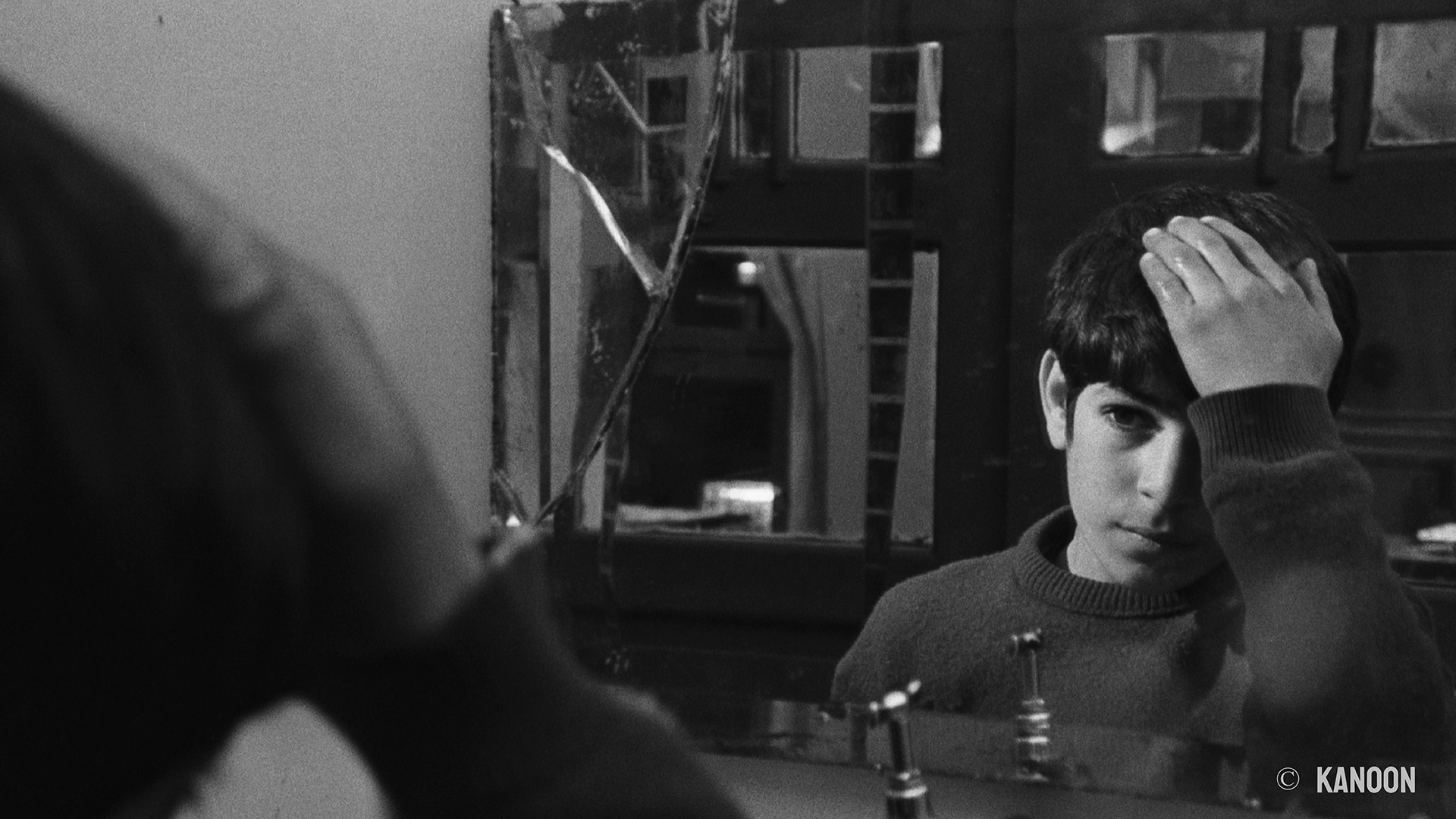
In addition to the feature-length classics, the Taipei Film Festival presents a special program dedicated to "Abbas Kiarostami Shorts." This retrospective offers a unique opportunity to witness the formative years of one of cinema’s most influential directors. In 1969, Kiarostami was invited to join the Center for the Intellectual Development of Children and Young Adults (Kanoon), where he was instrumental in founding its filmmaking department. Over the subsequent two decades, he transformed everyday settings such as schools and families into laboratories of aesthetic experimentation, meticulously shaping the signature style that would later garner international acclaim.
Kiarostami’s early shorts delve into profound themes with remarkable clarity and visual ingenuity. In Experience, a young photography assistant adopts a formal suit to impress a wealthy girl, subtly exposing class hierarchies and societal symbols. A Wedding Suit explores peer psychology through the lens of a coveted suit in a tailor shop, triggering moral dilemmas between ethics and friendship, while also reflecting the Westernized atmosphere of late Pahlavi-era Iran.
Among works rich in educational philosophy and imaginative exploration, So Can I blends live action and animation to capture children imitating animals, celebrating their unrestrained creativity. Toothache combines realism with hand-drawn animation to depict a boy’s visceral fear of dental pain, demonstrating Kiarostami’s early engagement with children’s perspectives. Tribute to the Teachers offers heartfelt reflections on the challenges of overwork and low pay through poignant interviews with educators.
A standout film in this program, First Case, Second Case, poses a profound ethical question through a classroom dilemma: whether to expose wrongdoing or protect one another. This film exemplifies Kiarostami’s exceptional ability to distill complex philosophical inquiry from the fabric of everyday life, laying the groundwork for his later masterpieces. This comprehensive shorts program offers audiences a rare and invaluable opportunity to witness the emergence of a cinematic voice that would redefine global filmmaking.
Event Details and Future Announcements
The 28th Taipei Film Festival will take place from June 26 to July 11, 2026, across three prominent Taipei venues: Zhongshan Hall, SPOT-Huashan Cinema, and Eslite Cinema. The festival organizers have indicated that the full program lineup, including detailed screening schedules and related events, will be announced soon. Anticipation is also building for the nominations for the festival’s two major competitions: the Taipei Film Awards and the International New Talent Competition. These nominations are expected to be revealed in mid-May, offering a preview of the exciting cinematic talent that will be showcased. Further information and updates can be accessed through the official festival website: https://www.taipeiff.taipei/tw/. The "Tehran: Classics Collection" promises to be a significant draw, offering a deep and illuminating dive into a vital chapter of world cinema history.