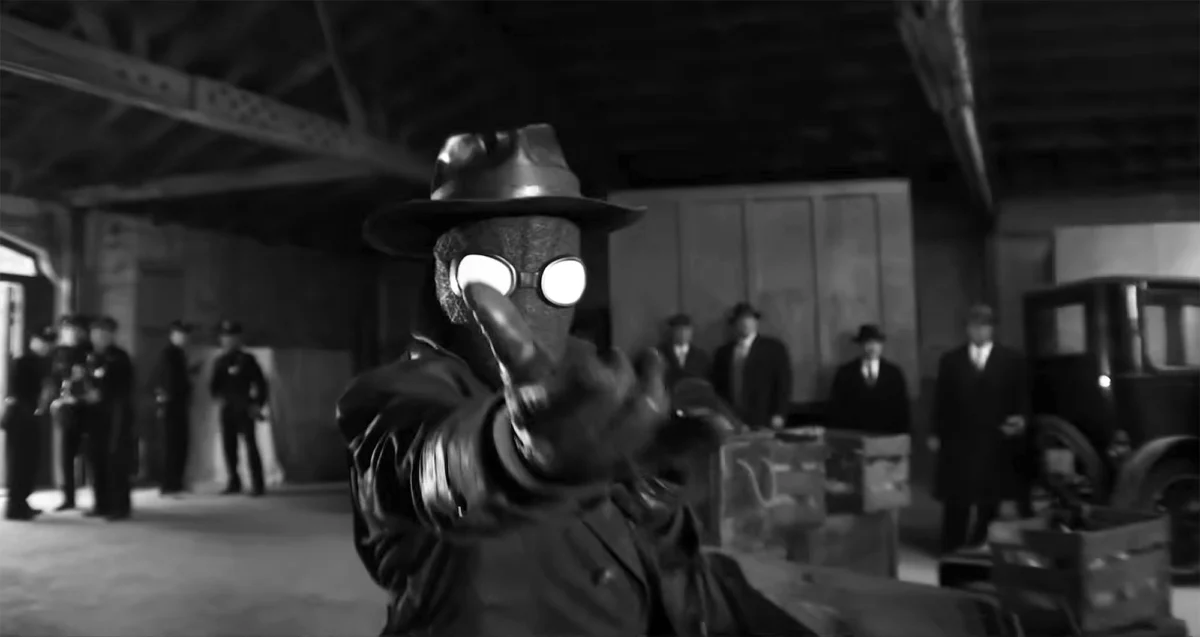
The digital landscape buzzed with anticipation on April 25, 2026, as Prime Video finally unveiled the full official trailer for its highly anticipated series, Spider-Noir. Set to debut globally on May 27, 2026, the series promises a starkly unique entry into the ever-expanding Spider-Man mythos, distinguished by its gritty 1930s New York setting and a compelling lead performance from Academy Award-winner Nicolas Cage. This comprehensive preview solidifies the series’ commitment to a full-throttle noir aesthetic, offering a glimpse into a darker, more mature interpretation of the beloved web-slinger that transcends typical superhero narratives.
A Journey Through Shadows: The Narrative Core
Spider-Noir centers on Ben Reilly, an aging and profoundly world-weary private investigator operating within the shadowy, crime-ridden streets of 1930s New York City. The series thrusts him back into a life he had long abandoned, forcing him to confront his past as the city’s sole, elusive superhero – The Spider. Following a profound personal tragedy that led him to step away from his vigilante activities years prior, Reilly finds himself compelled to don the mask once more, grappling with a moral landscape as murky as the city’s underbelly. The trailer’s resonant line, "The people could use a hero… Fighting is the point," encapsulates the series’ central conflict: a reluctant hero’s reawakening in an era defined by desperation and moral ambiguity. This narrative premise aligns perfectly with classic noir tropes, presenting a protagonist who is less a symbol of hope and more a damaged figure navigating a corrupt world, seeking a form of justice that often blurs the lines of legality and morality. The series promises to delve into themes of redemption, the burden of past mistakes, and the inherent futility of fighting an endless war against systemic corruption.
From Panel to Prime: The Origins of Spider-Noir
The genesis of Prime Video’s Spider-Noir can be traced back to its critically acclaimed comic book source material and a pivotal animated film.
The Marvel Noir Imprint
The character of Spider-Man Noir first appeared in the comic series Spider-Man: Noir #1, published in 2009. This four-issue limited series was a cornerstone of Marvel Comics’ "Marvel Noir" imprint, a line of comics that reimagined iconic Marvel superheroes within a dark, gritty, and historically grounded noir aesthetic. Created by David Hine, Fabrice Sapolsky, Carmine Di Giandomenico, and Marko Djurdjevic, the comic introduced readers to a version of Peter Parker living in the midst of the Great Depression. This Peter Parker, unlike his mainstream counterpart, gained his powers not from a radioactive spider bite in a lab, but through a mystical encounter with an ancient spider god after being bitten by a reanimated spider idol. His powers were more visceral and less refined, and his costume a trench coat and fedora, reflecting the pulp fiction heroes of the era. The comic explored themes of economic hardship, political corruption, and the rise of organized crime, offering a stark contrast to the more colorful adventures of the mainstream Spider-Man.
A notable departure in the Prime Video series is the character’s identity: Nicolas Cage portrays Ben Reilly, rather than Peter Parker. While Ben Reilly is a significant character in mainstream Spider-Man lore (most famously as a clone of Peter Parker who also adopted the Spider-Man mantle), his connection to the Noir universe is a new interpretation for this adaptation. This creative decision likely allows the series to forge its own distinct narrative path, perhaps emphasizing an older, more established hero who has already lived a full, tragic life, thereby amplifying the "aging, down on his luck" aspect central to the series’ premise.

The "Into the Spider-Verse" Catalyst
The character gained widespread mainstream recognition through his memorable appearance in the Academy Award-winning animated film, Spider-Man: Into the Spider-Verse (2018). In the film, Spider-Man Noir, voiced by Nicolas Cage, was portrayed as a monochromatic, trench coat-clad detective from an alternate 1930s dimension. His deadpan humor, anachronistic dialogue, and unique visual style resonated strongly with audiences, making him a fan-favorite. Cage’s distinctive vocal performance in the animated film was a significant factor in popularizing the character and arguably laid the groundwork for his live-action return. The success and critical acclaim of Into the Spider-Verse demonstrated the vast potential for exploring diverse Spider-Man iterations, validating the demand for characters like Spider-Noir to receive their own dedicated adaptations. The series’ development timeline likely accelerated significantly after the animated film’s success, with discussions about a live-action project gaining traction in the subsequent years, leading to official announcements in late 2024 or early 2025.
Crafting the 1930s Underbelly: Aesthetic and Setting
The 1930s New York City setting is not merely a backdrop for Spider-Noir; it is an integral character shaping the series’ atmosphere, conflicts, and visual identity. This era, defined by the lingering shadows of the Great Depression, Prohibition-era crime syndicates, and widespread social unrest, provides a rich, fertile ground for a noir narrative.
Visually, the series promises a faithful recreation of the period. The trailer showcases meticulously crafted sets and costumes that transport viewers to a bygone era of speakeasies, smoke-filled back alleys, and art deco architecture. The choice to offer the series "in B&W and color!" is a fascinating artistic decision. While the original comic and Into the Spider-Verse portrayal were predominantly monochromatic, providing a color option could cater to a broader audience, or perhaps signify different narrative tones or character perspectives within the series itself. A black and white presentation would undoubtedly enhance the classic noir feel, emphasizing shadows, stark contrasts, and a timeless, gritty aesthetic, while a color option might highlight the desperation and decay of the period with a more vivid palette.
The historical context of the Great Depression inherently introduces themes of economic disparity, desperation, and the breakdown of traditional societal structures. This environment breeds corruption, making the role of a vigilante hero like The Spider all the more vital, yet also more challenging. Organized crime, epitomized by figures like Silvermane, would thrive in such conditions, presenting a formidable, systemic antagonist for Ben Reilly. The series is poised to explore how these socio-economic realities impact everyday citizens and how a hero, operating outside the law, attempts to bring order to a city teetering on the brink of chaos. This grounded, historical approach differentiates Spider-Noir significantly from other superhero adaptations, rooting its fantastical elements in a tangible, tumultuous period of American history.
The Cast: A Gallery of Noir Archetypes
The ensemble cast assembled for Spider-Noir brings a wealth of talent and experience, promising to breathe life into its distinctive characters.

Nicolas Cage as Ben Reilly / The Spider
At the heart of the series is Nicolas Cage, whose portrayal of Ben Reilly / The Spider is undoubtedly a major draw. Known for his eclectic filmography and often intense, idiosyncratic acting style, Cage is uniquely suited to embody a grizzled, melancholic, and morally complex hero. His previous voice work in Into the Spider-Verse already established a beloved interpretation of the character, and his transition to live-action is eagerly anticipated. Cage’s ability to convey both vulnerability and explosive power, often within the same performance, will be crucial in portraying a hero burdened by his past but still capable of formidable action. His casting signals a commitment to a character-driven narrative that leans heavily on the lead’s ability to command attention and convey deep emotional layers.
Supporting Players and Their Roles
The supporting cast is equally compelling, featuring a mix of established actors and rising stars:
- Lamorne Morris as Robbie Robertson: Morris, known for his comedic roles, takes on the character of Robbie Robertson. In mainstream Marvel lore, Robbie is a respected journalist and editor, often serving as a moral compass and ally to Spider-Man. In a noir setting, he could be reimagined as a hard-nosed investigative reporter, tirelessly exposing corruption and perhaps serving as Ben Reilly’s primary link to the public sphere, or even a trusted confidant. His presence could provide a counterpoint to the series’ darker elements, offering glimpses of integrity amidst the widespread cynicism.
- Li Jun Li as Cat Hardy: The casting of Li Jun Li as Cat Hardy strongly suggests a reimagining of Felicia Hardy, famously known as Black Cat. In a noir context, Cat Hardy could embody the classic femme fatale archetype: mysterious, alluring, and morally ambiguous, potentially acting as an informant, a rival, or a complicated love interest for Ben Reilly. Her character is likely to add layers of intrigue and danger, blurring the lines between ally and adversary, a hallmark of the noir genre.
- Brendan Gleeson as Silvermane: The inclusion of Brendan Gleeson as Silvermane is a significant development. Silvermane is a long-standing and formidable crime lord in the Marvel universe, often depicted as an aging but incredibly ruthless and cunning figure. Gleeson, with his gravitas and ability to portray menacing authority, is an ideal choice for a powerful antagonist who would undoubtedly control much of the criminal underworld in 1930s New York. His presence promises high-stakes conflict and a formidable challenge for The Spider.
- Jack Huston as Flint Marko: Jack Huston portrays Flint Marko, better known as the Sandman. This casting immediately raises questions about how his sand-based powers will be adapted to the more grounded, realistic tone of Spider-Noir. He could be depicted as a mob enforcer with an unusual, perhaps even unsettling, physical characteristic or ability that is explained through a more grounded, pseudo-scientific lens, rather than outright fantastical powers. His inclusion suggests the series will still embrace elements of the extraordinary, but filtered through the lens of pulp fiction and dark realism.
- Karen Rodriguez, Lukas Haas, Abraham Popoola, Andrew Lewis Caldwell, and Jack Mikesell round out the cast, likely filling roles as various citizens, police officers, or members of the criminal underworld, each contributing to the rich tapestry of 1930s New York. The collective talent promises a dynamic and engaging ensemble, each actor poised to contribute to the series’ distinctive atmosphere.
Behind the Lens: The Visionary Creative Team
The creative forces steering Spider-Noir are a formidable collection of writers, directors, and producers known for their innovative storytelling and genre-bending projects.
Showrunners and Writers
The series is developed by Oren Uziel and Steve Lightfoot. Uziel, known for his work on films like The Cloverfield Paradox, Mortal Kombat, Escape Room, and The Lost City, brings a diverse background that spans action, sci-fi, and adventure, suggesting a capacity for crafting engaging genre narratives. Steve Lightfoot, with his experience on gritty superhero dramas such as The Punisher, indicates a clear understanding of darker, more mature comic book adaptations and character-driven action. The writing team also includes Christopher Chen, Jennifer Frazin, Jack Henderson, Megan Liao, Bruce Marshall Romans, and Tori Sampson, suggesting a collaborative approach to script development that could infuse the series with varied perspectives and intricate plotlines.
Executive Producers
The executive producing team boasts some of the most influential figures in contemporary Spider-Man adaptations:

- Phil Lord & Chris Miller: Their involvement is a significant indicator of the series’ potential quality and creative ambition. As the masterminds behind the Spider-Verse films, Lord and Miller have redefined what animated superhero storytelling can achieve, combining humor, heart, and groundbreaking visuals. Their presence suggests that Spider-Noir will not merely be a conventional adaptation but will push boundaries, embrace unique stylistic choices, and maintain a high standard of narrative innovation. Their track record with projects like The Lego Movie and 21 Jump Street demonstrates their ability to elevate source material and deliver fresh, engaging content.
- Amy Pascal: A long-standing and pivotal figure in the Spider-Man cinematic universe, Amy Pascal’s executive production role underscores the series’ importance within Sony Pictures’ broader Spider-Man strategy. Her extensive experience with the character ensures a deep understanding of the lore and a commitment to delivering a faithful yet innovative adaptation.
- Harry Bradbeer: Also an executive producer and director for episodes, Bradbeer is acclaimed for his distinctive directorial style, particularly evident in Fleabag and Enola Holmes. His ability to blend dark humor, emotional depth, and intricate character studies suggests that Spider-Noir will possess a sophisticated narrative voice and compelling character development, going beyond mere action sequences.
- Aditya Sood and Dan Shear also serve as executive producers, contributing to the overall vision and strategic direction of the series.
The series is a collaborative effort between Lord Miller Productions, Sony Pictures Television, Pascal Pictures, and Amazon MGM Studios. This powerful combination of studios and production houses signals a substantial investment in high-quality production values and a commitment to delivering a premium streaming experience for Prime Video subscribers. The involvement of Amazon MGM Studios further solidifies Prime Video’s ambition to be a major player in the streaming wars, offering exclusive, high-profile content that appeals to a diverse global audience.
Anticipation and Implications: A New Web of Storytelling
The impending release of Spider-Noir on Prime Video is poised to make a significant impact on both the superhero genre and the streaming landscape. The series’ unique blend of established Marvel lore with the distinct aesthetic and narrative conventions of film noir positions it as a compelling and potentially groundbreaking entry.
Market Positioning and Audience Appeal
Spider-Noir represents a strategic move by Amazon Prime Video to diversify its content offerings and attract a broad spectrum of viewers. By presenting a mature, darker take on a beloved character, the series appeals not only to dedicated Marvel fans but also to enthusiasts of the noir genre, fans of Nicolas Cage, and those seeking sophisticated, character-driven dramas. The option to watch the series in both black and white and color further underscores its artistic ambition and its appeal to cinephiles. This approach allows Prime Video to differentiate itself in a crowded streaming market, offering content that feels both familiar and refreshingly original.
Diversifying the Spider-Verse
The series is a crucial expansion of the live-action Spider-Verse, moving beyond the traditional Peter Parker narratives that have dominated the cinematic landscape. By focusing on Ben Reilly in a distinct alternate reality, Spider-Noir contributes to the growing narrative of the multiverse, demonstrating the limitless possibilities for interpreting and reimagining iconic characters. This diversification caters to an audience increasingly eager for fresh perspectives and mature storytelling within the superhero genre, pushing the boundaries of what a "superhero show" can be. It suggests a future where more niche or alternate versions of Marvel characters could receive dedicated adaptations, fostering a richer and more varied tapestry of superhero narratives across different platforms.
Potential Impact
The success of Spider-Noir could set a significant precedent for future genre-bending superhero adaptations. Its commitment to a specific historical period and a grounded noir aesthetic, combined with the star power of Nicolas Cage and the creative vision of its producers, positions it as a potential critical and commercial hit. Should it resonate with audiences, it could pave the way for more experimental and thematically rich superhero projects that prioritize atmosphere, character development, and unique storytelling over conventional action. As May 27, 2026, approaches, anticipation for Spider-Noir continues to build, promising a captivating and gritty dive into a corner of the Marvel universe rarely explored in live-action. The series stands as a testament to the enduring versatility of the Spider-Man mythos and the boundless potential of streaming platforms to deliver bold, original content.