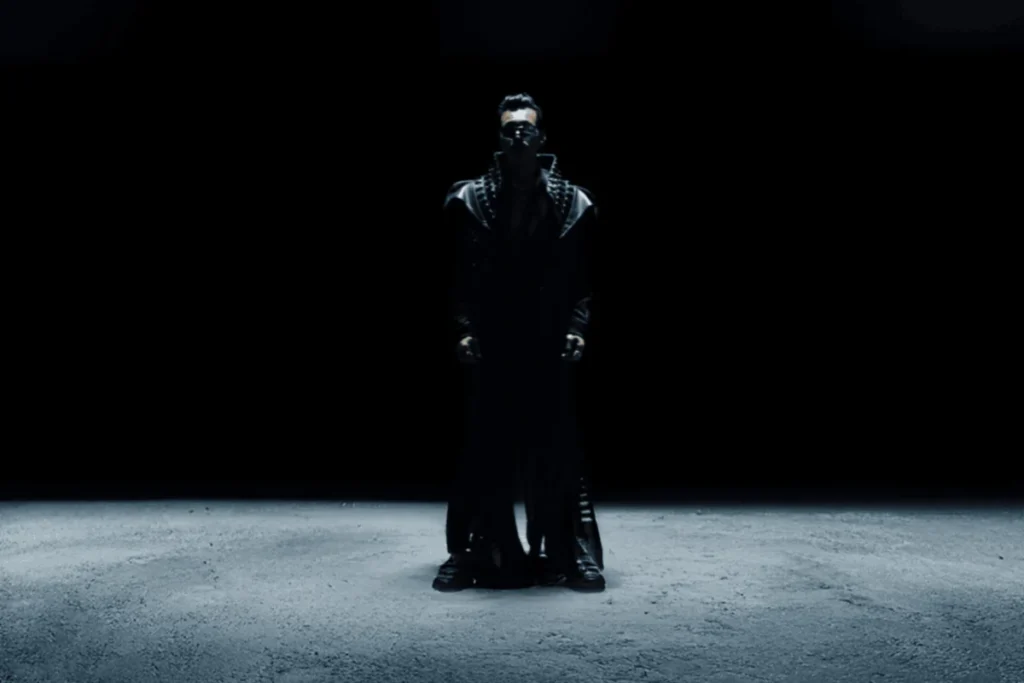
The cinematic world is abuzz with the release of the first official trailer for Zi, the latest enigmatic feature from acclaimed Korean-American filmmaker Kogonada. This alluring first look, which debuted on April 24, 2026, via YouTube, offers a tantalizing glimpse into an "enchanting journey around Hong Kong" that explores themes of temporal displacement, self-discovery, and the profound impact of chance encounters. The film, which notably reunites Kogonada with actress Haley Lu Richardson for their third collaboration, premiered earlier this year at the prestigious 2026 Sundance Film Festival, where it garnered a spectrum of critical responses, ranging from appreciation for its dream-like qualities to observations of its sometimes meandering narrative.
Unveiling a Secret Production: The Genesis of Zi
The production of Zi remained largely under wraps, a testament to Kogonada’s often intimate and introspective approach to filmmaking. A small, dedicated crew navigated the vibrant, bustling streets of Hong Kong, capturing the city’s unique essence as a backdrop for this deeply personal narrative. This clandestine filming strategy allowed for a more organic and immersive creative process, free from the intense scrutiny often associated with major film productions. Such an approach is not uncommon in independent cinema, particularly for directors like Kogonada who prioritize artistic integrity and a distinct aesthetic vision over conventional production methodologies. The decision to film in Hong Kong itself is significant, as the city offers a rich tapestry of cultural heritage, modern urbanism, and a distinct cinematic history, providing a fertile ground for Kogonada’s exploration of identity and place.
Kogonada’s Signature Vision: A Director’s Evolution
Kogonada, whose real name is believed to be a pseudonym paying homage to Yasujirō Ozu’s frequent screenwriter Kōgo Noda, has established himself as a singular voice in contemporary cinema. His previous works are characterized by a meticulous visual style, contemplative pacing, and a profound engagement with architectural spaces and the inner lives of his characters.
His feature directorial debut, Columbus (2017), starring Haley Lu Richardson and John Cho, was a critical darling. It explored themes of connection, grief, and the profound influence of modern architecture on human emotion, earning widespread acclaim for its subtle performances and stunning cinematography. The film showcased Kogonada’s ability to transform static structures into dynamic elements of narrative and character development.

Following Columbus, Kogonada ventured into science fiction with After Yang (2022), featuring Colin Farrell and once again, Haley Lu Richardson. This film delved into questions of artificial intelligence, memory, and what it means to be human in an increasingly technological world, further solidifying his reputation for crafting intellectually stimulating and emotionally resonant narratives. His work on After Yang demonstrated a versatility in genre while maintaining his distinctive thematic concerns and visual artistry.
Beyond features, Kogonada has also made significant contributions to television, directing episodes for critically acclaimed series such as Apple TV+’s Pachinko and the upcoming Disney+ Star Wars series The Acolyte. These television endeavors highlight his expanding reach and ability to adapt his unique directorial voice to different storytelling formats and scales, while still retaining the intimate, character-driven focus that defines his cinematic output. The announcement of A Big Bold Beautiful Journey as his next feature project further underscores his prolific nature and commitment to exploring diverse narrative landscapes.
Zi represents a return to some of the core elements that defined his earlier independent works: a focus on a singular female protagonist, an evocative urban setting, and an exploration of complex internal states. The film’s title, Zi, which could translate to "self" or "character" in some East Asian languages, hints at the deeply personal and introspective journey at its core.
Thematic Resonance: Navigating Time and Identity
The central query posed in the trailer, "Am I in the present or the past?", immediately establishes the film’s engagement with non-linear time and subjective reality. The official synopsis from Sundance elaborates: "In Hong Kong, a young woman haunted by visions of her future self meets a stranger who changes the course of her night—and possibly her life." This premise suggests a narrative that blurs the lines between memory, premonition, and lived experience, a thematic territory Kogonada has previously explored with nuance.
The concept of "unmooring" mentioned in the Sundance description is particularly pertinent. It suggests a protagonist adrift, grappling with a pervasive sense of dislocation, both geographically and temporally. Yet, counterbalancing this is an "unrelenting sense of peace," implying a journey towards acceptance or understanding amidst the confusion. This juxtaposition of anxiety and serenity is a hallmark of Kogonada’s philosophical approach, where characters often find moments of quiet contemplation amidst existential turmoil. The film is described as a "sensitive cinematic poem," indicating a focus on mood, atmosphere, and visual metaphor over conventional plot progression.
A Collaborative Ensemble: Richardson, Mao, and Ha

The casting of Zi is notable for the continued collaboration between Kogonada and Haley Lu Richardson. Their professional relationship, spanning Columbus, After Yang, and now Zi, speaks to a deep mutual understanding and a shared artistic sensibility. Richardson has consistently demonstrated a remarkable ability to convey complex emotional states with subtlety and authenticity, making her an ideal muse for Kogonada’s introspective narratives. Her involvement in Zi, not just as an actress but also as a producer, further underscores her commitment to the project and her evolving role within the independent film landscape.
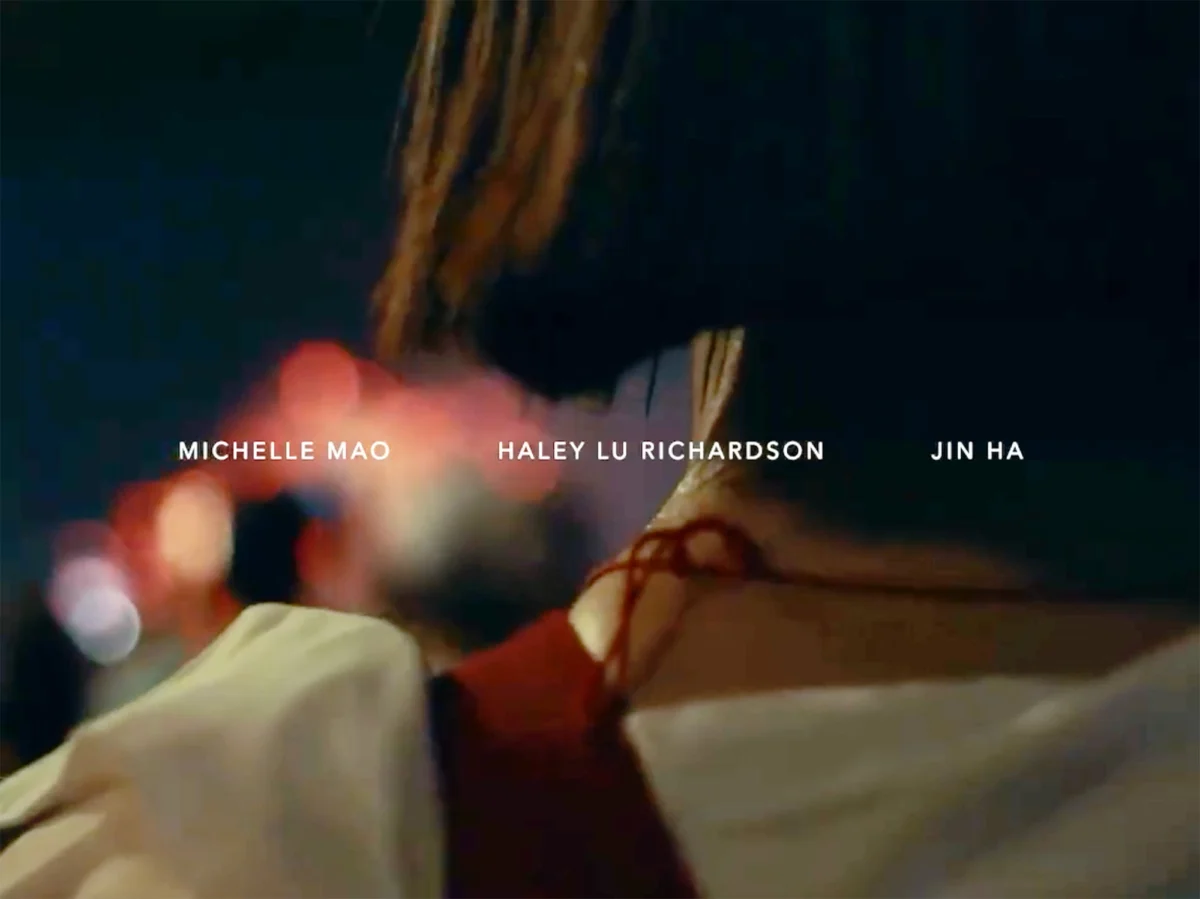
Alongside Richardson, the film stars Michelle Mao and Jin Ha, both of whom are described as "Kogonada regulars." This recurring ensemble fosters a sense of creative continuity and allows the director to build upon established working relationships, potentially leading to more nuanced performances. The Sundance synopsis praises their careful portrayal of "transitory misfits, grappling with a clever fusion of existential anxiety, romantic misgiving, and personal memory." This suggests a cast attuned to the delicate emotional landscape Kogonada cultivates, portraying characters who are both vulnerable and resilient in their search for meaning.
Festival Debut and Critical Reception at Sundance 2026
Zi made its world premiere at the 2026 Sundance Film Festival, one of the most significant platforms for independent cinema globally. Its inclusion in the festival program immediately positioned it as a film of artistic merit and potential significance. Sundance’s description further highlighted its unique qualities, stating that the film "crafts a decidedly contained film, exploring a pervasive sense of unmooring, yet cultivating an unrelenting sense of peace." It also noted the film’s "soul and a wavelike confidence that commits to recursivity as a mode and central theme," hinting at a narrative structure that may loop or revisit ideas, much like a recurring dream or memory.
However, the reception at Sundance was, as reported, "mixed." This dichotomy is common for films that challenge conventional narrative structures or prioritize mood over plot. Some critics reportedly found the film "a bit too meandering and messy," indicating that its deliberate pace and ambiguous narrative might have tested the patience of certain viewers. This reaction often stems from an expectation of linear storytelling and clear resolutions, which Kogonada’s work frequently subverts.
Conversely, others were "taken by its dream-like vibes," appreciating its atmospheric qualities and the immersive experience it offered. This split in critical opinion underscores Zi‘s artistic ambition and its potential to resonate deeply with audiences open to more experimental and contemplative forms of storytelling. Such varied reactions are often a sign of a film that sparks genuine debate and engagement, rather than simply eliciting a universal, lukewarm response. The very nature of its "contained" narrative and exploration of "unmooring" means it is designed to be an experience, rather than a straightforward story.
The Urban Canvas: Hong Kong as a Character

Kogonada’s choice of Hong Kong as the primary setting for Zi is far from arbitrary. The city, with its dramatic skyline, dense urban fabric, and unique blend of East and West, has long been a powerful cinematic presence. From the neon-drenched streets of Wong Kar-wai’s Chungking Express to the gritty realism of John Woo’s action films, Hong Kong possesses an undeniable visual and atmospheric allure.
For Zi, Hong Kong appears to function as more than just a backdrop; it is an active participant in the protagonist’s journey. The trailer suggests a city that mirrors the character’s internal state—a place of constant motion, fleeting encounters, and a palpable sense of history interwoven with rapid modernity. The "stylish jaunt through the streets of Hong Kong" described by Sundance implies a visual journey that is as much about experiencing the city as it is about the unfolding drama. This deep integration of setting and narrative is a characteristic trait of Kogonada’s filmmaking, where architecture and environment are often key to understanding character psychology and thematic concerns. The city’s inherent contrasts—ancient traditions alongside futuristic structures, serene gardens amidst bustling markets—offer a rich metaphorical landscape for a story grappling with past, present, and future selves.
Distribution Outlook and Future Prospects
As of the trailer’s release, Zi does not yet have a set theatrical or streaming release date. This is typical for independent films fresh off the festival circuit, as distributors evaluate critical reception, audience buzz, and market potential. The film’s premiere at Sundance is a significant first step in its journey towards broader visibility, often leading to acquisition deals that determine its eventual release strategy.
Following its Sundance debut, Zi is scheduled for a screening at the Museum of the Moving Image’s First Look 2026 program. This further festival exposure indicates continued interest from esteemed cinematic institutions and provides additional opportunities for the film to gain traction and attract a distributor. The "Worth a look" endorsement in the initial article snippet, coupled with the detailed exploration of its themes and Kogonada’s established reputation, suggests that Zi is a film poised to engage discerning audiences. Its future trajectory will depend heavily on securing a distribution partner willing to champion its unique artistic vision and navigate the nuanced critical conversation it has already initiated.
In an era increasingly dominated by blockbusters and franchise cinema, Zi stands as a testament to the enduring power of independent filmmaking and the singular vision of auteurs like Kogonada. Its exploration of identity, time, and urban landscapes through a poetic lens offers a refreshing counter-narrative, inviting viewers to ponder questions that resonate far beyond the confines of the screen. As the film continues its festival run and seeks a wider audience, it promises to be a significant addition to Kogonada’s evolving filmography and a notable entry in contemporary independent cinema.