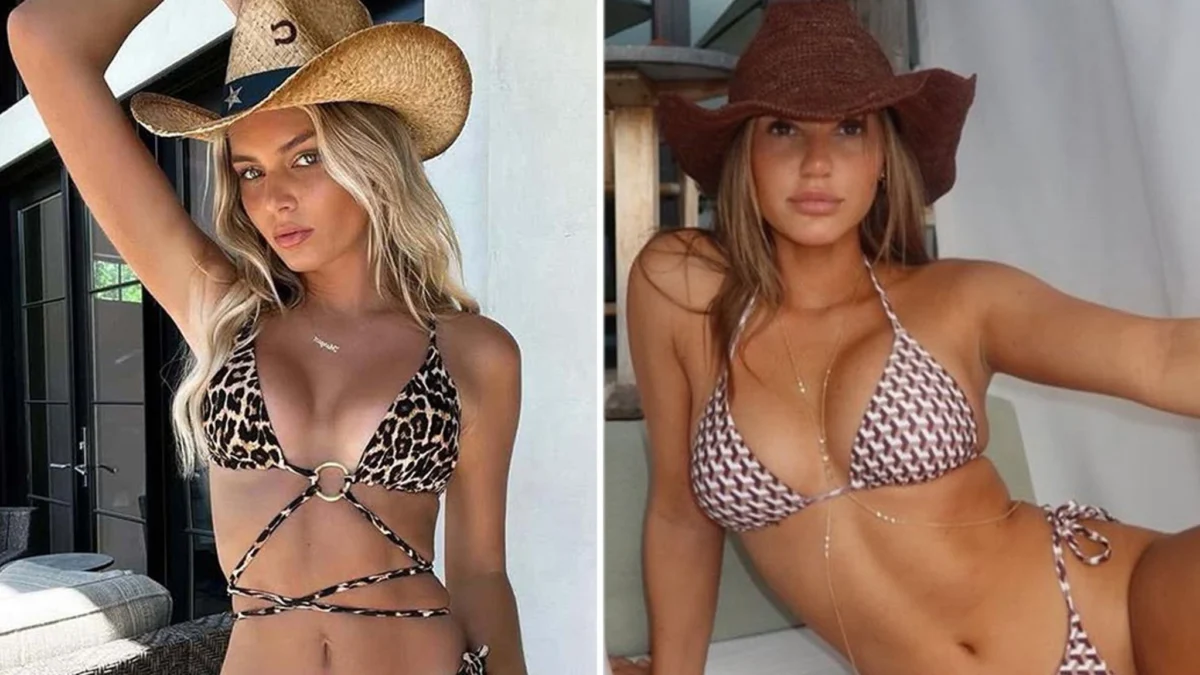
As the annual Stagecoach Music Festival prepared to welcome tens of thousands of attendees to the Empire Polo Club in the Coachella Valley for another weekend of country music revelry in April 2026, a distinctive fashion trend continued to dominate the sartorial landscape: the strategic pairing of swimwear with traditional Western headwear. This particular ensemble, frequently showcased by celebrities and social media influencers alike, underscores a broader cultural phenomenon where desert heat meets country chic, creating a visually striking and widely emulated aesthetic. The convergence of music, fashion, and celebrity culture at events like Stagecoach offers a unique lens through which to examine evolving style trends and their socio-economic implications.
The Desert’s Premier Country Music Gathering
The Stagecoach Music Festival, established in 2007, has rapidly ascended to become one of North America’s premier country music events, drawing a global audience to its Indio, California location. Positioned strategically one weekend after its renowned sibling festival, Coachella, Stagecoach capitalizes on the same meticulously prepared grounds of the Empire Polo Club. This unique setting, characterized by its expansive green fields against a backdrop of arid mountains, provides a canvas for both musical performances and a vibrant display of personal style. The festival’s commitment to showcasing a diverse range of country, folk, bluegrass, and Americana artists has cemented its reputation, attracting a demographic that appreciates both authentic musical roots and contemporary cultural expressions.
Over the years, Stagecoach has witnessed substantial growth, evolving from an experimental offshoot of Coachella into a standalone cultural behemoth. Attendance figures have consistently risen, with recent editions reportedly drawing upwards of 85,000 attendees each day, generating significant economic impact for the surrounding Coachella Valley. This influx of visitors boosts local tourism, hospitality, and retail sectors, making the festival a vital economic engine for the region. The festival’s success is not merely measured in ticket sales but also in its ability to cultivate a distinct identity, one that honors country music traditions while embracing modern sensibilities, particularly evident in its evolving fashion landscape.
Evolution of Festival Fashion
Festival fashion, as a distinct category, has a rich and varied history, reflecting counter-cultural movements, musical genres, and contemporary trends across different eras. From the free-spirited, bohemian styles of Woodstock in the late 1960s to the grunge aesthetics of the 1990s and the increasingly curated, influencer-driven looks of the 21st century, festival attire has always been a powerful form of self-expression. In the context of large-scale, multi-day events like Stagecoach, practicality often converges with artistic flair, driven by both environmental factors and the desire to make a statement.
The Stagecoach aesthetic, while sharing some commonalities with Coachella’s broader "boho-chic" vibe, has developed its own distinctive flavor. Early iterations of Stagecoach fashion leaned heavily into traditional Western wear: denim, plaid, cowboy boots, and hats were ubiquitous. However, as the festival grew in prominence and attracted a more diverse audience, including a significant celebrity presence, the style began to diversify. The hot desert climate, with daytime temperatures frequently exceeding 90 degrees Fahrenheit (32 degrees Celsius), naturally led to lighter, more revealing attire. This environmental imperative, combined with the pervasive influence of social media and celebrity culture, paved the way for the emergence of the "bikini and cowboy hat" ensemble as a quintessential Stagecoach look. This fusion represents a playful yet deliberate blending of rugged Western tradition with contemporary beachwear, emblematic of a generation that fluidly navigates diverse cultural touchstones.
A Deep Dive into the Trend: Bikini and Cowboy Hat
The combination of bikinis and cowboy hats at Stagecoach is more than a mere coincidence; it is a calculated stylistic choice that addresses both the practical demands of the desert environment and the aspirational elements of festival fashion.
The Bikini Element: Practicality and Style
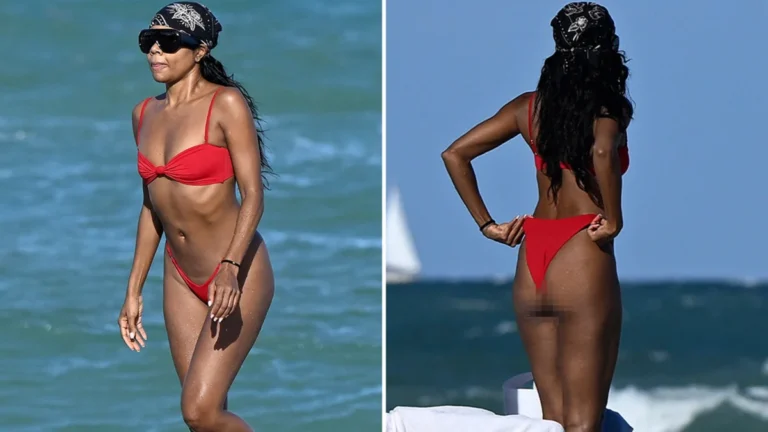
The prominence of bikinis and other forms of swimwear at Stagecoach is primarily driven by the extreme heat of the Coachella Valley in late April. Lightweight, minimal clothing is a necessity for comfort and to prevent heat exhaustion during long days under the sun. Beyond practicality, bikinis have evolved into a versatile fashion statement. Modern swimwear designs encompass a vast array of styles, colors, and patterns, allowing for significant personal expression. From classic triangle tops and high-waisted bottoms to more intricate cut-out designs and athletic-inspired pieces, the bikini at Stagecoach often serves as a base layer or a standalone top, paired with denim shorts, skirts, or sheer overlays. This choice reflects a broader societal trend towards body positivity and confidence, where individuals feel empowered to showcase their physique in a celebratory festival environment. Fashion analysts suggest that the bikini’s integration into mainstream festival wear also signals a blurring of lines between beach culture, pool parties, and music events, creating a relaxed, vacation-like atmosphere.
The Cowboy Hat Element: Heritage and Statement
In stark contrast to the modern sensuality of the bikini, the cowboy hat anchors the ensemble firmly in the festival’s country music roots and the broader American Western heritage. Historically, the cowboy hat was a functional piece of attire, offering protection from the sun, wind, and rain for cowboys working on ranches. At Stagecoach, it retains its sun-protective utility, providing much-needed shade from the intense desert sun. However, its role has expanded significantly beyond mere practicality. The cowboy hat has become an iconic fashion accessory, instantly signaling an allegiance to the country genre and embodying a spirit of rugged individualism and timeless American style.
Contemporary cowboy hats seen at Stagecoach come in various materials, from traditional felt and straw to more fashion-forward synthetic blends, often adorned with embellishments such as rhinestones, feathers, or custom branding. Their aesthetic appeal lies in their ability to evoke a sense of adventure, nostalgia, and authentic Americana. For many attendees, donning a cowboy hat is a performative act, a way to fully immerse themselves in the festival’s thematic universe and visually align with the music and culture being celebrated.
The Fusion: A Cohesive "Stagecoach Look"
The ingenious fusion of the bikini and cowboy hat creates a unique, instantly recognizable "Stagecoach look" that transcends simple functionality. It represents a deliberate juxtaposition of elements: the raw, untamed spirit of the West symbolized by the hat, combined with the contemporary, uninhibited freedom of modern swimwear. This blend speaks to a younger generation that appreciates heritage but interprets it through a contemporary, often provocative, lens. Cultural commentators often point to this trend as an example of "genre fluidity" in fashion, where traditional boundaries are dissolved to create new, hybridized aesthetics that resonate with diverse audiences. The overall effect is one of confident, carefree celebration, perfectly suited for the vibrant and often flamboyant atmosphere of a major music festival.
Celebrity Influence and Social Media Amplification
The rapid proliferation and widespread adoption of the bikini and cowboy hat trend can be largely attributed to the immense influence of celebrities and social media figures. Festivals like Stagecoach are prime environments for "influencer marketing" and "celebrity spotting," turning attendees into de facto style arbiters.
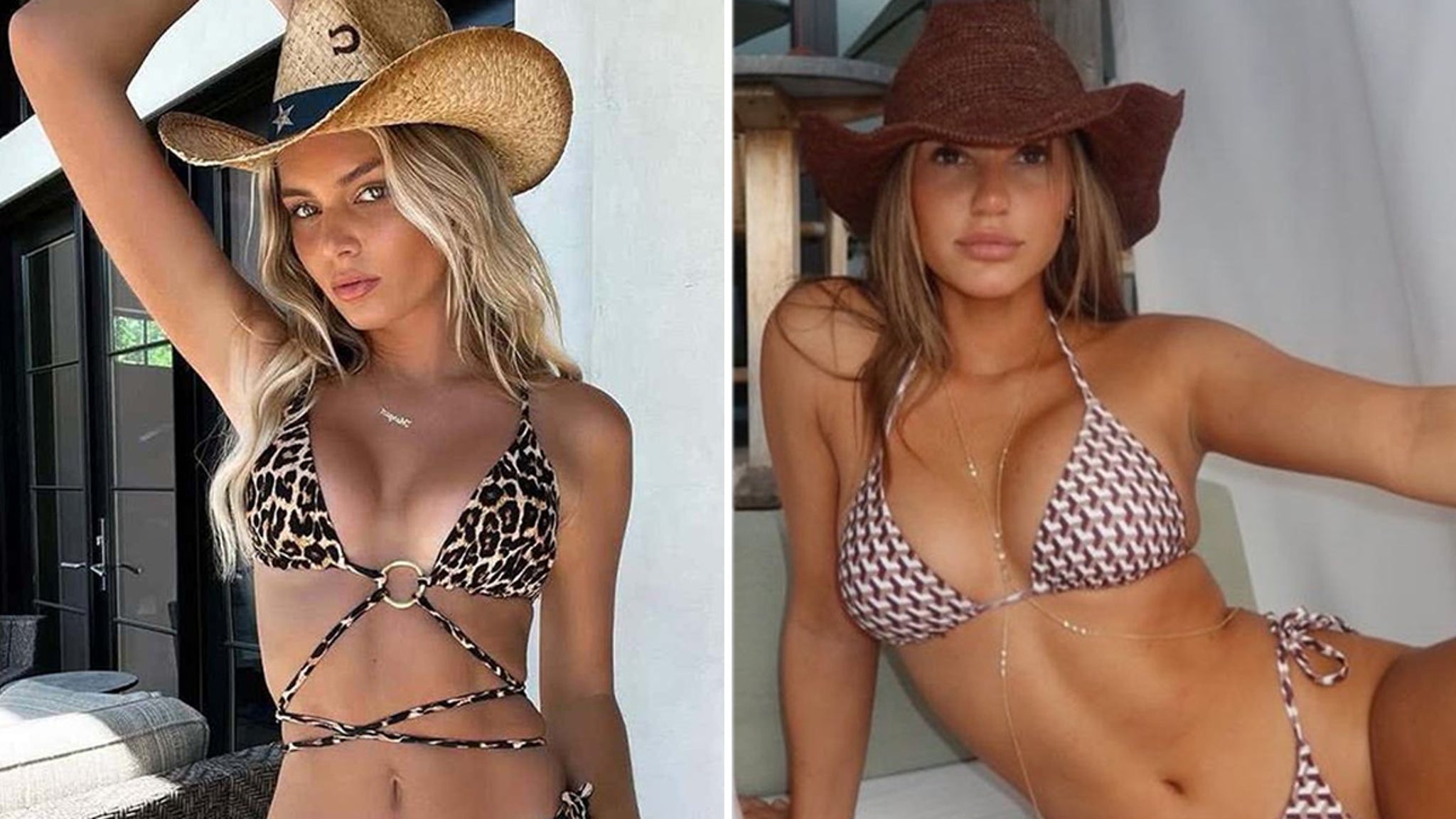
A significant number of high-profile actors, musicians, models, and social media personalities attend Stagecoach annually, often with professional photographers and videographers in tow. Their carefully curated outfits, frequently shared across platforms like Instagram, TikTok, and X (formerly Twitter), immediately reach millions of followers. When a celebrity is photographed sporting a bikini and cowboy hat, it lends an air of aspirational coolness and legitimacy to the look, prompting fans to emulate it. This phenomenon creates a powerful feedback loop: celebrities wear the trend, their followers adopt it, and the trend becomes further entrenched, driving demand for similar items in retail.
The "see-and-be-seen" culture at these festivals is a powerful motivator. Attendees, aware of the pervasive photographic presence and the potential for their own images to go viral, meticulously plan their outfits. Social media acts as both a showcase and a trend accelerator. Hashtags like #StagecoachFashion, #FestivalStyle, and #CowboyChic become hubs for sharing inspiration and displaying personal interpretations of popular looks. Retail analysts confirm that this digital amplification directly translates into economic activity, with a noticeable surge in sales for swimwear, Western accessories, and related apparel in the weeks leading up to and following major festivals. Brands often strategically partner with influencers to showcase their products at such events, further blurring the lines between organic trend development and commercial promotion.
Economic and Cultural Footprint
The Stagecoach Music Festival, along with its associated fashion trends, leaves a substantial economic and cultural footprint. The festival’s direct economic impact on the Coachella Valley is estimated to be in the hundreds of millions of dollars annually, encompassing everything from ticket sales and vendor fees to accommodation, transportation, and dining. Local businesses, from boutique hotels to small restaurants, experience a significant boost during the festival weeks.
Beyond direct spending, the festival’s influence on retail and fashion industries is profound. The demand for specific festival-related attire, including the iconic bikini and cowboy hat combo, fuels sales for both established fashion houses and fast-fashion retailers. Companies monitor festival trends closely, often designing collections specifically geared towards events like Stagecoach, leading to a micro-economy centered around festival preparation. This trend-driven consumption also raises discussions about sustainability within the fashion industry, prompting some brands and consumers to consider more eco-friendly and reusable options for festival wear.
Culturally, Stagecoach plays a role in shaping perceptions of American identity and style. The festival’s ability to blend traditional country music aesthetics with contemporary fashion speaks to a dynamic and evolving cultural landscape. It demonstrates how traditional symbols, like the cowboy hat, can be reinterpreted and integrated into modern contexts, appealing to new generations. The festival also serves as a platform for self-expression, identity exploration, and community building, where attendees from diverse backgrounds converge to celebrate music and shared experiences.
Perspectives and Critiques
While the "bikini and cowboy hat" trend is widely embraced, it is not without its critics and nuanced interpretations. Fashion critics sometimes debate the originality and authenticity of festival fashion, questioning whether it has become overly commercialized and derivative, driven more by brand partnerships than genuine artistic expression. Some argue that the emphasis on revealing attire, particularly for women, can contribute to the objectification of bodies, despite intentions of self-expression.
However, many cultural commentators and attendees champion the trend as a celebration of body positivity, individual freedom, and the joy of dressing up for a unique occasion. They argue that festivals provide a space where traditional fashion norms can be playfully challenged, allowing individuals to experiment with styles that might not be suitable for everyday wear. Festival organizers, while not directly dictating fashion, consistently emphasize the importance of creating an inclusive and expressive environment where attendees feel comfortable and celebrated for their authentic selves. The dialogue surrounding festival fashion often reflects broader societal conversations about gender, consumerism, and the evolving nature of public display in the digital age.
Looking Ahead: The Future of Festival Style
As Stagecoach continues to evolve, so too will its fashion landscape. While certain iconic elements, like the cowboy hat, are likely to remain enduring symbols of the festival, the specific pairings and interpretations will undoubtedly shift. Future trends may see increased emphasis on sustainable fashion choices, personalized customization, or the integration of emerging technologies into wearable art. The influence of global fashion trends, alongside specific musical subgenres, will continue to shape what attendees choose to wear.
The enduring appeal of the Stagecoach aesthetic lies in its ability to marry tradition with contemporary flair, creating a unique visual identity that is both deeply rooted in American culture and vibrantly modern. The "bikini and cowboy hat" ensemble, as a prominent feature of the 2026 festival season, serves as a powerful reminder of how music, environment, celebrity, and individual expression converge to define a cultural moment, solidifying Stagecoach’s position not just as a music event, but as a significant arbiter of style and a dynamic reflection of contemporary culture.
The annual pilgrimage to the Empire Polo Club for Stagecoach is more than just a musical journey; it is a full-sensory experience where the sounds of country music blend seamlessly with the sights of an ever-evolving fashion parade. The "bikini and cowboy hat" trend, highlighted this April, exemplifies this dynamic interplay, showcasing how attendees navigate the demands of the desert climate while making bold, personal statements that resonate far beyond the festival grounds.