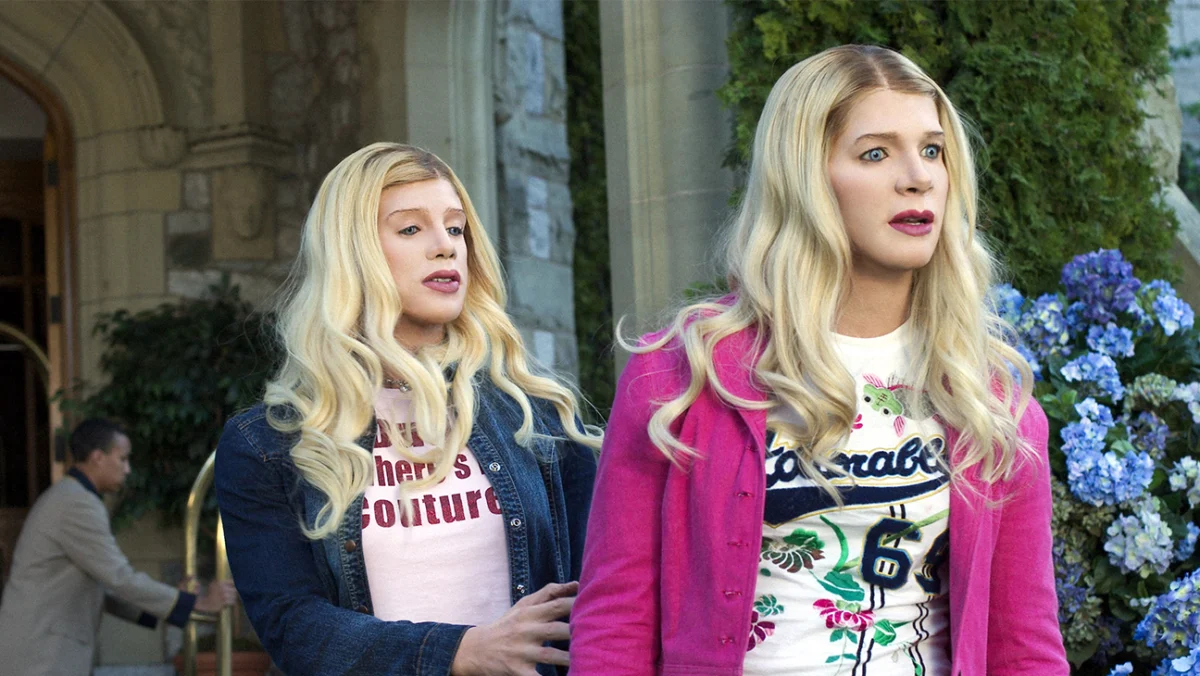
Marlon and Shawn Wayans, iconic figures in comedic cinema, have indicated their willingness to embark on a sequel to their cult classic, White Chicks, though their enthusiasm is conditional upon the commercial performance of their upcoming project, Scary Movie 6. The revelation emerged during a recent interview with Entertainment Tonight, where the brothers, returning to the Scary Movie franchise after a significant hiatus, laid out a clear metric for the potential revival of their beloved 2004 comedy. This strategic linkage suggests a calculated move to gauge contemporary audience appetite for their distinctive brand of humor before committing to another physically demanding production like White Chicks.
The Conditional Return of the Wilson Sisters
The prospect of White Chicks 2 has long been a subject of fervent fan speculation and intermittent industry whispers, periodically fueled by cast members and social media trends. However, the recent statements from Marlon and Shawn Wayans offer the most direct and actionable insight into the sequel’s feasibility to date. "I’ll put it this way: we’re game," Marlon Wayans stated, emphasizing their readiness. He continued, "We want to know if people want to come out and laugh, and [if] they come see Scary Movie, then I definitely…" Shawn Wayans completed his brother’s thought, articulating the direct condition: "If this movie does well, a White Chicks 2 can happen."
This declaration positions Scary Movie 6, which is scheduled for release on June 5, not merely as a standalone film but as a crucial litmus test for the Wayans brothers’ comedic appeal in the current cinematic landscape. For a potential White Chicks sequel, the success of Scary Movie 6 would serve as demonstrable evidence of audience demand, potentially greenlighting a project that, despite its enduring popularity, carries significant production complexities. The brothers, known for their hands-on approach to filmmaking as writers, producers, and stars, are clearly approaching the idea of a sequel with both creative ambition and a keen awareness of market realities.
The Enduring Cultural Impact of White Chicks
Released in 2004, White Chicks quickly carved out a unique niche in the comedy genre, despite initially receiving mixed critical reviews. Directed by Keenen Ivory Wayans, and co-written by him alongside Marlon and Shawn, the film stars the latter two as disgraced FBI agents Kevin Copeland and Marcus Copeland. In a desperate attempt to redeem their careers and prevent a kidnapping, they go undercover as Caucasian socialites Brittany and Tiffany Wilson, navigating the high-society world of the Hamptons. The film masterfully blended slapstick humor, social commentary, and a surprising amount of heart, creating a memorable cinematic experience.
Financially, White Chicks proved to be a sleeper hit, grossing approximately $113.1 million worldwide against a production budget of $37 million. While its Rotten Tomatoes score stands at a modest 15%, reflecting a generally unfavorable critical reception upon release, the film’s trajectory in popular culture tells a different story. Over the past two decades, White Chicks has transcended its initial critical assessment to achieve genuine cult status. It has become a staple on streaming platforms, a frequent subject of internet memes, and a film whose quotable lines and iconic scenes are regularly referenced across social media. Its unique premise and the Wayans brothers’ committed performances, particularly in their elaborate prosthetic makeup, have resonated deeply with a diverse audience, cementing its place as a beloved comedy. This enduring popularity is undoubtedly a significant factor in the continued discussions surrounding a sequel, demonstrating a sustained, organic demand from the fanbase that studios often seek to capitalize on.
The Grueling Reality Behind the Laughter: Production Challenges
While the comedic results of White Chicks were widely appreciated, Marlon Wayans has frequently shed light on the arduous production process that brought the Wilson sisters to life. His candid remarks during Kai Cenat’s Mafiathon 3 livestream last year provided a stark reminder of the physical and logistical demands involved. "We spent seven hours in makeup every day," Marlon revealed, detailing the extensive prosthetics, wigs, and intricate costuming required for their transformation. This lengthy preparation was just the beginning. "And then we work 14 hours after the seven hours because we produced a movie," he added, highlighting their dual role as actors and executive producers.
The commitment extended beyond typical actor responsibilities, significantly impacting their personal time and rest. "If you’re gonna produce the movie, you gotta push your call time, so that means you have no turnaround. Turnaround is usually 12 hours." This meant that the standard industry practice of a 12-hour break between shifts was severely curtailed for the Wayans brothers. "We only got 3 hours every night, so after work, we were still there," Marlon explained, describing a relentless schedule that offered minimal respite. The removal of the elaborate makeup itself added another layer to their already stretched days, taking "an hour" each night.
This detailed account underscores the immense personal sacrifice required for the original film. For a sequel to materialize, these logistical challenges would undoubtedly need to be addressed. While advancements in prosthetic technology and makeup application techniques might offer some efficiencies, the fundamental time commitment for such a transformative role remains substantial. Any studio or production team considering White Chicks 2 would need to factor in not just the financial investment, but also the human cost and the demanding schedule it would impose on its lead actors. This deep understanding of the practical hurdles likely informs the Wayans brothers’ cautious approach and their desire for a clear indicator of market enthusiasm.
A History of Sequel Speculation and Near-Misses
The idea of a White Chicks sequel is not a new phenomenon; it has periodically resurfaced over the past decade and a half, reflecting the film’s persistent cultural relevance. Initial discussions may have occurred shortly after the original’s unexpected box office success, but firm plans never materialized. By 2009, Marlon Wayans reportedly expressed interest in revisiting the characters, signaling the first public acknowledgement from the creators themselves about a potential follow-up.
However, the most notable public surge in sequel speculation occurred in 2019. Terry Crews, who famously portrayed the unforgettable Latrell Spencer in the original film, ignited a frenzy when he enthusiastically declared during an appearance on Watch What Happens Live with Andy Cohen that White Chicks 2 was "happening." Crews, known for his infectious energy, even claimed to have recently spoken with Shawn Wayans, who confirmed the news. This statement sent ripples of excitement through the fanbase and media outlets alike. Yet, the jubilation was short-lived. Marlon Wayans quickly stepped in to clarify the situation, posting on social media that while discussions were ongoing, the sequel was "not happening yet," emphasizing that nothing was officially greenlit by a studio. He humorously added that Terry Crews’ excitement might have gotten the better of him. This incident perfectly illustrates the long-standing fan demand and the delicate balance between creative aspiration and the complex realities of Hollywood development. The current pronouncements by Marlon and Shawn Wayans, tying the sequel to Scary Movie 6‘s performance, mark a more concrete and strategic step in this long-running narrative.
The Wayans Brothers’ Return to Scary Movie: A Strategic Re-Entry
The Wayans brothers’ decision to return for Scary Movie 6 is itself a significant development that predates the White Chicks 2 discussions. Marlon and Shawn were integral to the genesis and early success of the Scary Movie franchise, which revolutionized parody cinema in the early 2000s. They co-wrote and starred in the first two installments, with Keenen Ivory Wayans directing both. These films were massive commercial hits, particularly the original Scary Movie (2000), which grossed over $278 million worldwide on a $19 million budget, establishing a new benchmark for the parody genre.
However, the brothers departed the franchise after Scary Movie 2, leading to subsequent installments (Scary Movie 3, 4, and 5) being produced without their direct involvement in writing or starring roles. Their absence was felt by many fans who identified their unique comedic voice as foundational to the series. Their return for Scary Movie 6 therefore represents a significant reunion and a strategic attempt to reclaim and reinvigorate a franchise they helped create.
This comeback is not merely a nostalgic endeavor. It serves as a crucial barometer for their specific brand of broad, often irreverent, and physically comedic humor. In an evolving comedic landscape, where sensibilities and humor styles are constantly shifting, Scary Movie 6 will offer valuable insights into whether their brand of parody continues to resonate with a mass audience. If the film performs well, it not only validates their return to the franchise but also, as they explicitly state, signals a broader audience appetite for their projects, thereby strengthening the case for a White Chicks 2. This interconnectedness highlights a savvy business strategy, using one established franchise to test the waters for the potential revival of another.
Broader Implications and the Landscape of Legacy Sequels
The potential return of White Chicks fits squarely within a prevalent Hollywood trend: the legacy sequel. In an era where intellectual property (IP) is king, studios are increasingly looking to proven franchises and beloved films from the past to mitigate risk and guarantee audience engagement. Recent successes like Top Gun: Maverick, Ghostbusters: Afterlife, and Bad Boys for Life demonstrate the immense commercial power of revisiting iconic characters and narratives, often with original cast members.
However, comedy sequels, particularly those that rely on a specific comedic premise or social commentary from a previous era, face unique challenges. Humor can be highly time-sensitive; what was considered edgy or funny two decades ago might be perceived differently today. A White Chicks sequel would need to navigate these evolving cultural sensitivities carefully, finding a way to update its humor without losing the original’s charm or alienating its loyal fanbase. The core premise of two Black men disguising themselves as white women also carries inherent complexities that would require thoughtful consideration in a contemporary context.
From a studio perspective, the financial incentive for a White Chicks 2 is clear: capitalize on a recognized brand with a built-in fanbase. Sony Pictures (formerly Columbia Pictures), the distributor of the original film, would likely be keen to explore such an opportunity, especially if the Wayans brothers, as the original creators and stars, are actively pushing for it. Securing the original talent is often a critical factor in the success of legacy sequels, providing continuity and authenticity that audiences crave.
Furthermore, advancements in makeup technology could potentially alleviate some of the grueling production demands Marlon Wayans described. Modern prosthetics and digital effects might offer more comfortable and perhaps quicker application and removal processes, making the physical toll less severe. This technological evolution could be a key enabler for a sequel, addressing one of the primary personal hurdles for the actors.
Ultimately, the Wayans brothers’ conditional stance on White Chicks 2 reflects a pragmatic understanding of the entertainment industry. It is a testament to the enduring appeal of their work, the fervent dedication of their fanbase, and the strategic considerations necessary to bring a beloved, yet complex, comedy back to the big screen. The fate of the Wilson sisters now hangs, quite literally, on the box office fortunes of Scary Movie 6, transforming the upcoming parody film into a pivotal moment for two of comedy’s most enduring figures.