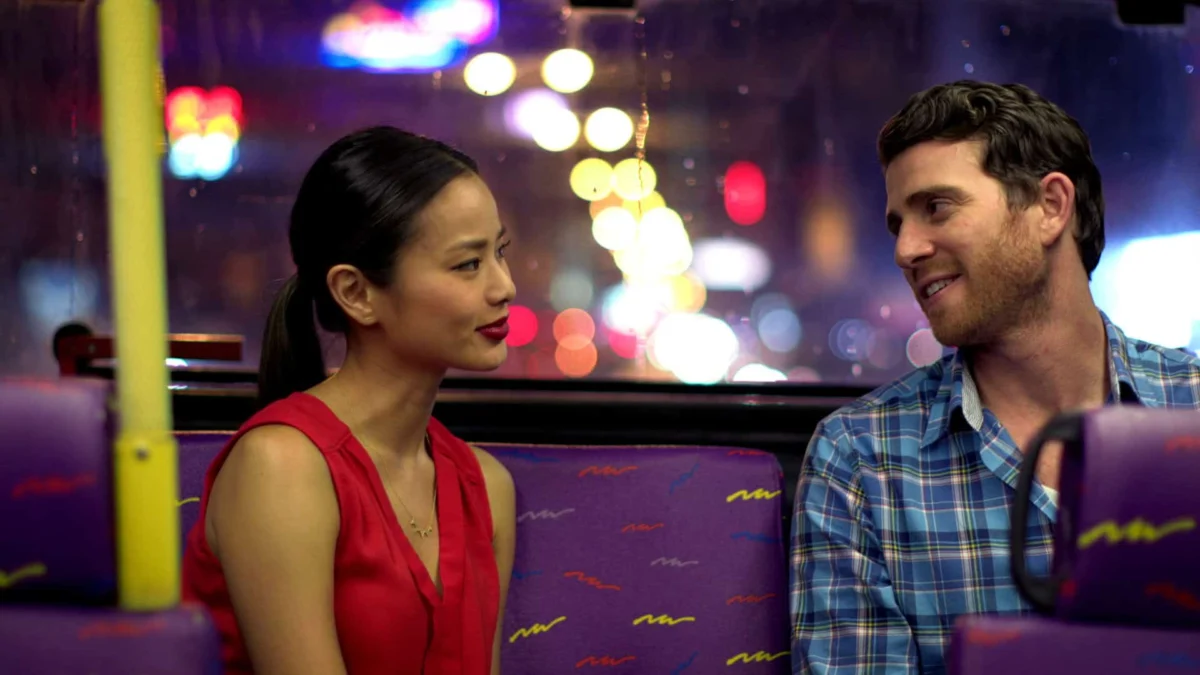
The cinematic landscape is often punctuated by stories that explore the ephemeral nature of human connection, and Emily Ting’s directorial debut, "Already Tomorrow in Hong Kong," emerges as a poignant testament to this theme. Released in 2016, the film masterfully weaves a narrative of serendipitous encounter and burgeoning romance against the vibrant, pulsating backdrop of Hong Kong. While employing the familiar "walk-and-talk" format, a technique reminiscent of Richard Linklater’s seminal "Before Sunrise" trilogy, Ting imbues her film with a distinctive charm and a palpable authenticity, drawing from both her admiration for romantic dramas and her personal experiences navigating the dynamic metropolis.
The genesis of "Already Tomorrow in Hong Kong" can be traced to director Emily Ting’s desire to capture the essence of transient relationships that often blossom in bustling, international locales. Ting, an alumna of the University of Southern California School of Cinematic Arts, has spoken about her fascination with the way chance encounters can profoundly alter the course of an individual’s life, particularly within the context of a city that operates on a different temporal plane, as suggested by the film’s title. Her personal sojourns in Hong Kong, a city that bridges Eastern and Western cultures and pulsates with a relentless energy, provided the fertile ground for this narrative to take root. The film’s narrative structure is a deliberate echo of Linklater’s approach, focusing on extended dialogue and shared experiences between two characters over a limited period, thereby allowing for a deep exploration of their developing dynamic.
The plot unfolds with a seemingly simple premise: Ruby Lin, a Chinese-American children’s toy designer, finds herself in Hong Kong on a business trip. Her initial evening takes an unexpected turn when, attempting to navigate the city’s labyrinthine streets to meet friends, her GPS fails her, leaving her disoriented. It is in this moment of mild distress that she encounters Josh Rosenberg, an American expatriate working as an investment banker. Josh, familiar with the city, offers his assistance, and their impromptu guided tour evolves into an extended conversation that spans the course of a night. During this nocturnal exploration, an undeniable spark ignites between them, a connection that, while potent, ultimately remains unfulfilled before Ruby’s departure. The narrative then leaps forward a year, presenting an almost fated reunion on the iconic Star Ferry, granting them a second opportunity to explore the nascent feelings that had previously been left dormant.
The film’s strength lies not in its groundbreaking originality of plot, but in its unwavering commitment to portraying the organic emergence of unexpected connections. "Already Tomorrow in Hong Kong" excels in its depiction of spontaneity, illustrating how profound bonds can form even in unfamiliar environments. The dialogue between Ruby, portrayed by Jamie Chung, and Josh, played by Bryan Greenberg, is refreshingly devoid of artifice. It is understated, natural, and imbued with a growing chemistry that develops organically through their shared banter, which steadily escalates into flirtatious undertones. This realism is further amplified by the script’s acknowledgment of personal challenges that subtly test their burgeoning relationship during their two shared evenings. These moments of vulnerability and introspection lend a layer of bittersweet authenticity, often mirroring the complexities of real-life romantic entanglements more closely than many conventional romantic comedies.
This nuanced portrayal of human connection is further enhanced by the film’s evocative atmosphere, which deftly balances a playful, lighthearted tone with an underlying dramatic tension. Hong Kong itself is not merely a setting but an active participant in shaping the protagonists’ journey and the audience’s immersive experience. The cityscape, a blend of modernity and tradition, glows under the nocturnal illumination, with technology omnipresent, creating a visually stimulating yet subtly alienating environment that can contribute to a sense of urban loneliness. However, the film also captures the city’s inherent vibrancy and character, a quality reflected not only in the protagonists themselves but also in the diverse individuals they encounter and the eclectic locales they explore.
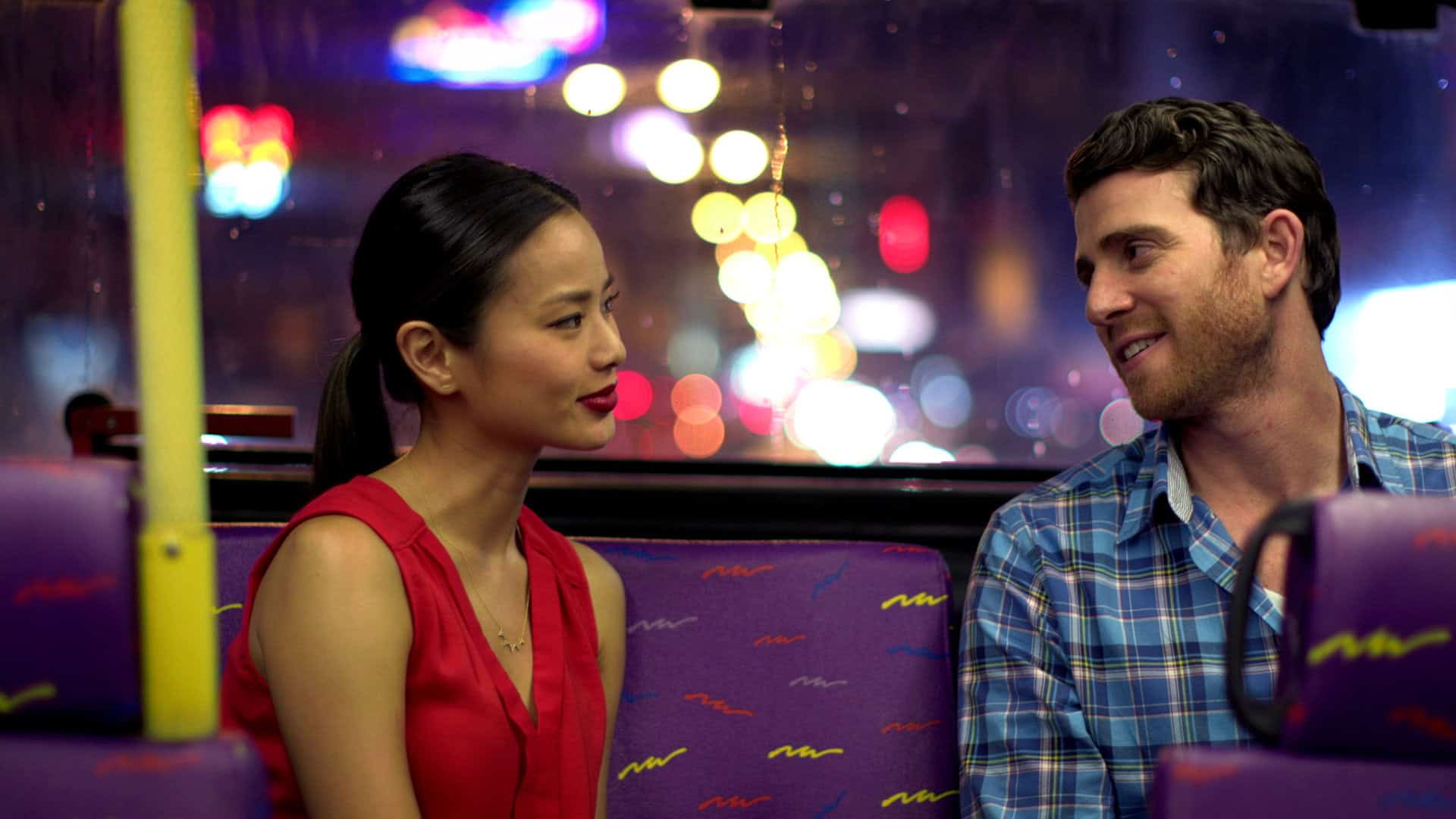
The film’s title, "Already Tomorrow in Hong Kong," carries a multi-layered significance that resonates deeply with its thematic explorations. On a literal level, it alludes to the significant time difference between Hong Kong and the Western Hemisphere, particularly Los Angeles, where Ruby hails from. This temporal discrepancy underscores the transient nature of their encounter. More profoundly, however, the title taps into the idea of Hong Kong as a futuristic, hyper-modern urban space where life progresses at an accelerated pace, mirroring the relentless march of technological advancement and the constant flux of contemporary existence. This sense of a city perpetually on the cusp of the future adds a unique dimension to the romantic narrative, suggesting that even fleeting moments can hold the weight of future possibilities.
The palpable chemistry between Jamie Chung and Bryan Greenberg is a cornerstone of the film’s success. Their performances are marked by a naturalism and understated grace that is further amplified by their status as a real-life couple. This off-screen familiarity translates into a compelling on-screen connection, as they convincingly portray the deepening bond infused with escalating romantic tension. They also navigate the more vulnerable, raw moments of their characters’ emotional journeys with remarkable skill, particularly when their feelings are put to the test. Adding a significant touch of gravitas and local flavor is the esteemed Hong Kong actor Richard Ng, who delivers a memorable performance as a fortune teller. His character serves as a subtle, yet impactful, commentator on the developing connection between Ruby and Josh, offering a perspective that hints at the threads of fate and possibility weaving through their encounter.
Hong Kong’s role extends beyond being a mere backdrop; it functions as the story’s thematic anchor, deeply rooted in its visual spectacle and pervasive atmosphere. The film’s commitment to authenticity is further underscored by its decision to be shot entirely on location, a testament to the production’s dedication to capturing the city’s genuine essence. Josh Silfen’s cinematography plays a pivotal role in this immersion, framing the "walk-and-talk" sequences in a consistently engaging manner. The camera work not only highlights the stunning urban panoramas but also draws the viewer into the intimate journey of Ruby and Josh, creating a sense of shared experience. Complementing the visual narrative is a carefully curated soundtrack featuring romantic songs that perfectly align with the film’s contemplative mood. Timo Chen’s original score further reinforces this atmosphere, adding an emotional resonance that enhances the overall viewing experience.
In conclusion, "Already Tomorrow in Hong Kong" stands as a testament to the power of understated storytelling and authentic human connection. Despite its relatively simple premise, the film is imbued with an undeniable charm and a captivating atmosphere. It offers a refreshing take on the romance genre, largely by virtue of the believable chemistry between its leads and its adeptness at sidestepping many of the overused clichés that plague its contemporaries. Director Emily Ting’s masterful utilization of Hong Kong as both a physical setting and a thematic touchstone elevates the movie beyond a conventional romantic encounter, solidifying its place as a memorable and resonant cinematic experience. The film’s success lies in its ability to capture the bittersweet beauty of fleeting moments, the potential for profound connection in unexpected places, and the enduring allure of a city that lives in the perpetual present, always on the precipice of tomorrow. The production’s meticulous attention to detail, from the nuanced performances to the evocative cinematography and score, all contribute to a film that lingers in the mind long after the credits roll, much like a cherished memory of a brief but impactful encounter.