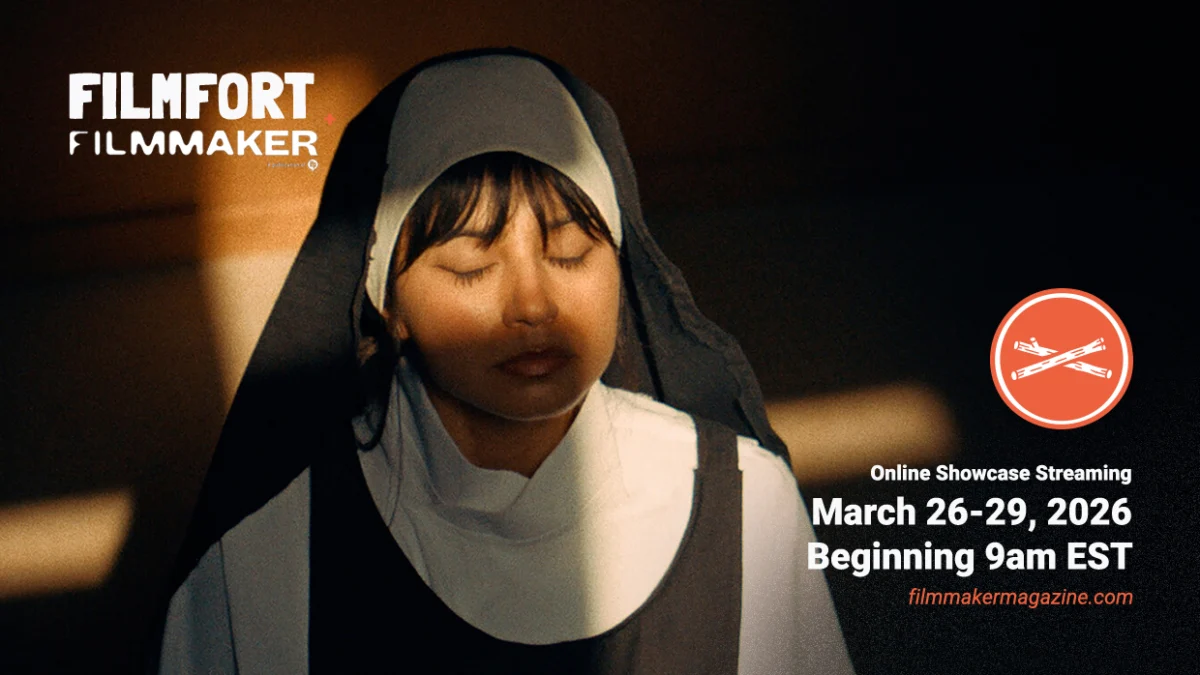
The 2026 edition of the Filmfort Film Festival officially commences today in Boise, Idaho, marking the continuation of a high-profile annual partnership with Filmmaker Magazine to provide a digital stage for emerging independent voices. As part of this collaboration, six curated short films from the festival’s official selection are being hosted exclusively on the Filmmaker Magazine platform, allowing global audiences to access these works through the conclusion of the festival on March 29. This initiative coincides with the broader Treefort Music Fest, a multi-disciplinary cultural event that has transformed the Pacific Northwest into a critical hub for independent music, film, and digital media.
A Strategic Alliance for Independent Cinema
The partnership between Filmmaker Magazine and Filmfort represents a strategic effort to bridge the gap between regional film festivals and international industry visibility. Filmfort, which operates as the cinematic arm of the Treefort Music Fest, has built a reputation for prioritizing "emerging indie fare"—films that often push aesthetic boundaries or explore niche narratives that might be overlooked by larger, more commercial circuits. By hosting these films digitally, Filmmaker Magazine provides these directors with a level of exposure that traditional festival screenings, limited by physical seating and geographic location, cannot replicate.
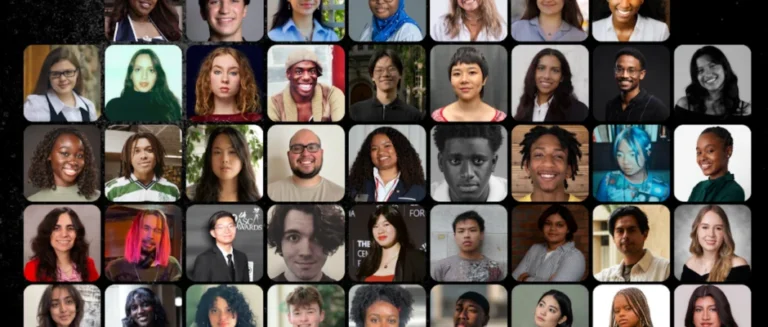
The 2026 lineup reflects a diverse array of genres, from experimental narratives to dark comedies and poignant dramas. The selection process for these films emphasizes not only technical proficiency but also the unique perspective of the filmmaker, a hallmark of both the Filmfort ethos and Filmmaker Magazine’s editorial mission. This year’s collaboration is particularly significant as it features several creators who have previously been recognized by the magazine’s "25 New Faces of Independent Film" list, reinforcing a pipeline of talent that the publication has nurtured over the decades.
Highlights of the 2026 Short Film Roster
The six short films selected for this year’s digital showcase offer a microcosm of the current state of independent cinema. Each film will remain available for public viewing until midnight on March 29, 2026.
Exploring Grief and Absurdity in My Dead Dad’s Funeral
Directed by Jamie Manelis, My Dead Dad’s Funeral (2025) is a 13-minute exploration of the complexities of estranged relationships. The narrative follows Riley, a young woman tasked with spreading her father’s ashes at his childhood home. What begins as a somber, routine act of closure quickly descends into the bizarre, challenging the protagonist’s expectations of mourning. Manelis utilizes a blend of dry humor and emotional vulnerability to navigate the often-messy reality of familial loss.
Social Tension in Public Freakout
Julia Bales’s Public Freakout (2025) captures a high-tension interaction at a gas station. In just 10 minutes, the film dissects the dynamics of a group of strangers engaged in an escalating argument. The work serves as a commentary on contemporary social anxieties and the volatility of public spaces, utilizing a confined location to amplify the interpersonal friction between its characters.
Experimental Narratives: Someone to Steal Horses With
Directed by Dylan Pailes-Friedman, Someone to Steal Horses With (2025) stands out as the most experimental entry in the collection. Utilizing a 10-minute runtime, the film blends atmospheric soundscapes with a narrative that traverses movement and time. Set against the backdrop of Los Santos in San Andreas, the film uses a horse’s voice via radio to transport the audience into a reflection on ancestral memory and abandoned histories. The film explores themes of longing and the search for value in a world where physical and digital realities often blur.
Suburban Ennui in The Deliveryboy
Michael Bernieri’s The Deliveryboy (2025) is the longest of the shorts at 25 minutes. It tells the story of a grieving stoner who returns to his hometown in suburban Massachusetts. While performing the mundane task of dog-sitting, he becomes involved in a psychological cat-and-mouse game with an acquaintance from his past. The film is noted for its atmospheric cinematography and its ability to find tension within the repetitive nature of suburban life.
Identity and Iconography in There’s a Devil Inside Me
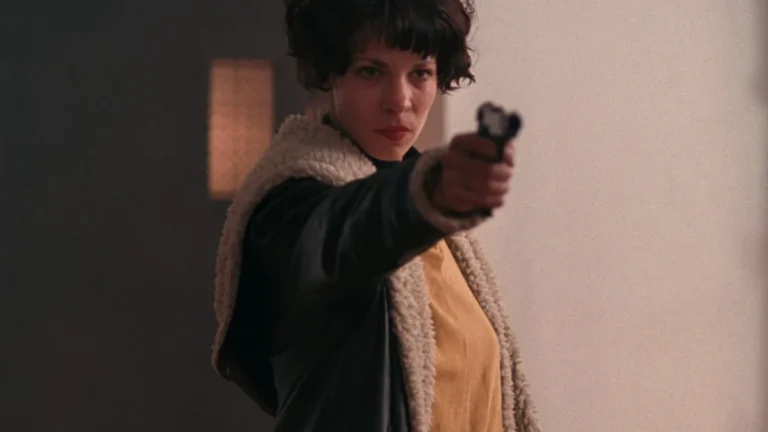
In There’s a Devil Inside Me (2026), director Karina Lomelin-Ripper examines the intersection of youth, religion, and identity. The 15-minute film follows Teresa, a teenager who, after a Catholic confirmation class, impulsively pretends to be a nun. The situation escalates when she is mistaken for a genuine member of the clergy. The film uses this mistaken identity as a vehicle to explore the weight of religious expectations and the rebellious nature of adolescence.
Reconnecting in Winter After Winter
Directed by Brandon Kaufman, Winter After Winter (2026) is an 11-minute Canadian production. It focuses on Nell, who returns to Toronto after an extended absence and reconnects with an old friend, Jackie. The film documents a single day spent together, during which the pair is forced to confront a shared history that has remained buried for years. Kaufman’s work is characterized by its intimate character studies and its focus on the lingering impact of the past on the present.

Feature-Length Programming and Industry Connections
While the short films provide a snapshot of emerging talent, the 2026 Filmfort lineup also includes significant feature-length works that have already garnered industry attention. Two notable titles include The Scout and Joybubbles.
The Scout is directed by Paula González-Nasser, a filmmaker who was featured on Filmmaker Magazine’s "25 New Faces of Film" in 2025. Her inclusion in the Filmfort program highlights the festival’s role in supporting the career trajectories of recognized independent artists. Additionally, the festival is screening Joybubbles, a documentary directed by Rachel J. Morrison. Joybubbles arrived at Filmfort following a successful premiere at the Sundance Film Festival, illustrating the festival’s ability to attract high-caliber documentaries that have already been vetted by major international platforms.
The presence of these films suggests that Filmfort is increasingly viewed as a necessary stop on the festival circuit for filmmakers seeking to engage with the creative community of the Intermountain West.
The Cultural Significance of the Treefort Ecosystem
The Filmfort Film Festival does not exist in a vacuum; it is an integral component of the Treefort Music Fest, which began in 2012 as a local music event and has since expanded into a multi-venue "megafest." The "Fort" model—which includes Artfort, Comedyfort, Hackfort, and Kidfort, among others—creates a unique environment where cross-disciplinary collaboration is encouraged.
For filmmakers, this means their work is screened for an audience that includes not just cinephiles, but also musicians, tech innovators, and visual artists. This cross-pollination is vital for the independent film sector, which increasingly relies on multi-platform engagement and unconventional distribution networks. Boise’s infrastructure, characterized by walkable downtown venues and a supportive local government, has allowed the festival to grow sustainably while maintaining its "indie" credibility.
The Evolution of Digital Exhibition in Festival Circuits
The decision by Filmmaker Magazine to host these shorts reflects a broader trend in the film industry toward hybrid exhibition models. Since the disruptions of 2020, festivals have increasingly realized that digital components are not merely temporary solutions but essential tools for accessibility and archival purposes.
Hosting films on a high-traffic site like Filmmaker Magazine serves several functions:
- Global Accessibility: It removes the barrier of entry for international viewers who cannot travel to Idaho.
- Portfolio Building: It provides filmmakers with a prestigious "online premiere" that can be used to leverage future funding or distribution deals.
- Critical Context: By placing these films alongside professional journalism and industry analysis, the works are given a layer of critical legitimacy that social media platforms like YouTube or Vimeo cannot provide on their own.
Future Implications for Emerging Filmmakers
As the 2026 edition of Filmfort progresses, the industry will be watching the reception of these six shorts closely. For many of these directors, a successful run at a festival like Filmfort, coupled with a feature on a major industry publication, serves as a catalyst for their next projects.
The data suggests that short films are increasingly becoming more than just calling cards; they are becoming viable artistic statements in their own right, thanks to the rise of specialized streaming platforms and digital partnerships. The collaboration between Filmmaker Magazine and Filmfort underscores a commitment to ensuring that the next generation of filmmakers has the platform necessary to challenge traditional narratives and bring diverse stories to the forefront of the cultural conversation.
The festival concludes on March 29, 2026, at which point the digital window for these six films will close. Until then, the focus remains on Boise, where the intersection of film, music, and community continues to define the cutting edge of independent American art.