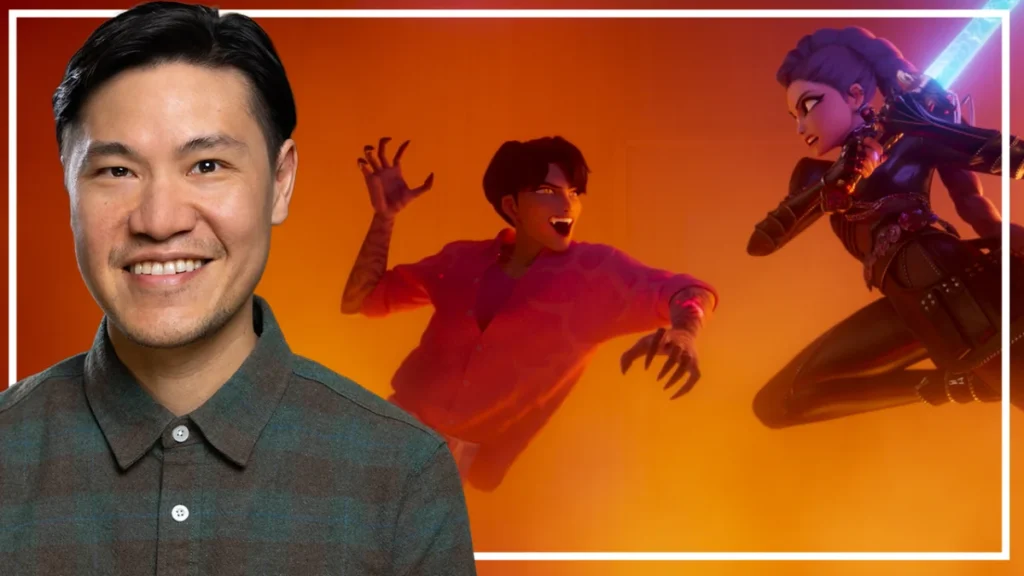


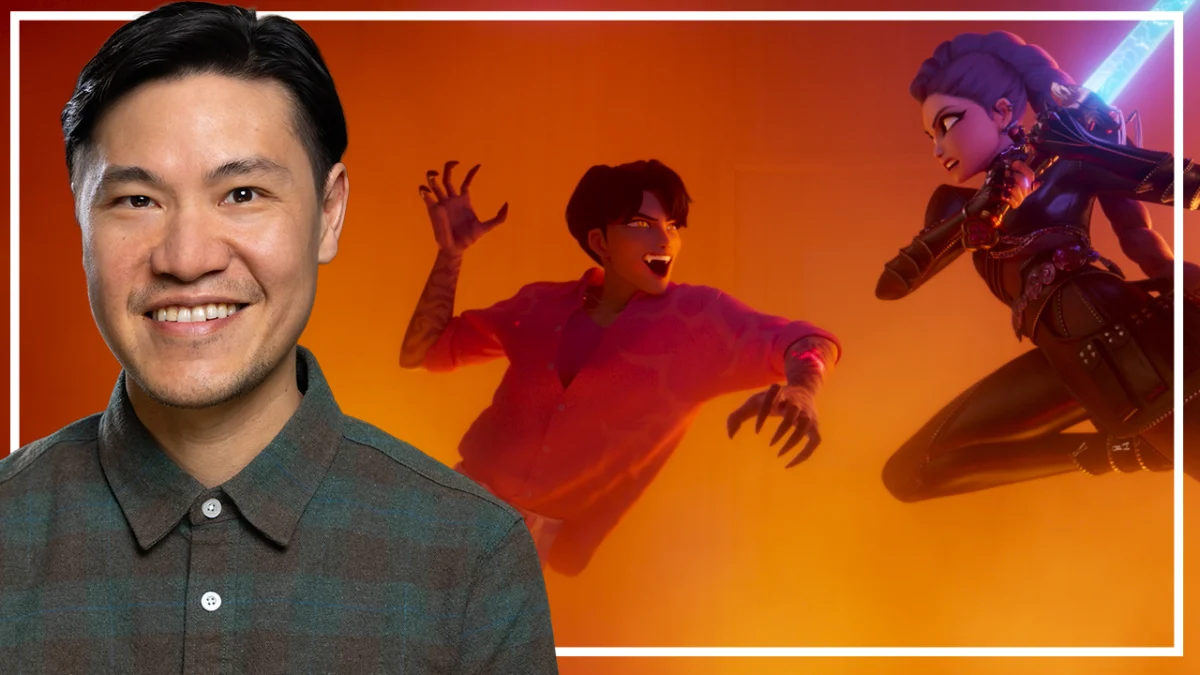
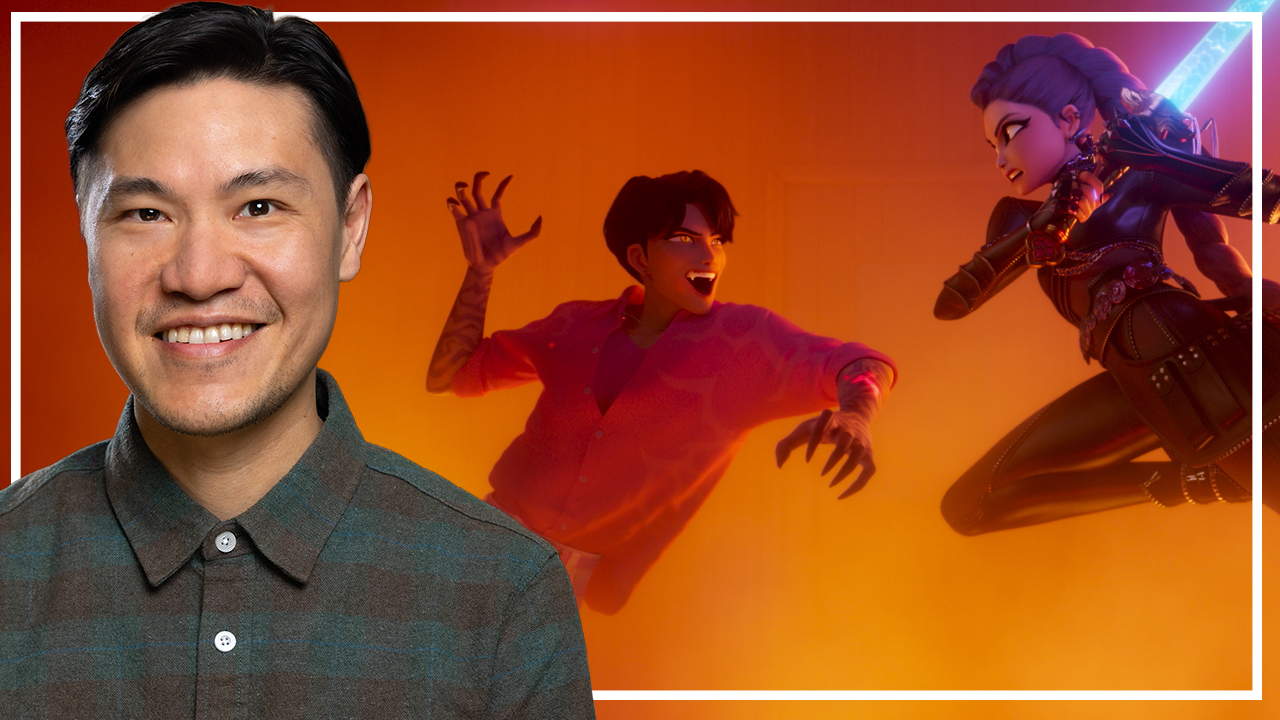
Gary H. Lee, the visionary cinematographer behind the critically acclaimed animated feature KPop Demon Hunters, has cemented his place as a leading force in the evolving landscape of virtual filmmaking. The film, a vibrant tapestry of rollicking demon-slaying action, poignant K-Drama romance, and electrifying K-Pop stadium concerts, captivated audiences and critics alike, culminating in a prestigious Academy Award win for Best Animated Picture. Lee’s exceptional work on the project also earned him a nomination for Outstanding CG Cinematography at the Visual Effects Society (VES) Awards, underscoring the film’s significant technical and artistic achievements.
Immediately following the Oscar triumph, Lee shared insights into his intricate work on KPop Demon Hunters and articulated his perspective on the burgeoning role of a cinematographer in the realm of animation. His career trajectory, notably beginning in visual effects and previs for groundbreaking films such as the Star Wars prequels, Life of Pi, and Kung Fu Panda, positions him uniquely at the intersection of technological innovation and cinematic artistry. KPop Demon Hunters represents another significant milestone in his storied journey, showcasing a profound understanding of visual storytelling within a diverse narrative framework.
A Visionary Approach to Animated Cinematography
The cinematic approach to KPop Demon Hunters was anything but conventional, mirroring the film’s eclectic narrative and genre-bending premise. Lee emphasized the critical "camera polish pass" that occurs at the final stages of production, a meticulous refinement process that imbues the virtual camera work with a tangible, stylistic quality. Unlike live-action cinematography, where a Director of Photography (DP) simultaneously orchestrates camera placement and lighting, animation traditionally segregates these functions across various departments due to technical constraints and the sequential nature of the production pipeline.
"From the camera standpoint, once we do the rough layout blocking, determining the cinematography for how we’re going to shoot the film, a lot of it is based on what was in the storyboards," Lee explained. "There’s always a camera polish pass at the end. We would do our camera blocking as a rough layout stage, the animation takes over. They do their animations in those shots. Eventually, we’ll get to do our final camera on top of the final animation. Sometimes you do provide another touch that makes the camera feel tangible, stylistic to the theme of what we’re trying to do."
This detached workflow, where camera setup precedes animation by months and lighting then follows, often in collaboration with production designers for color keys, means the final visual synthesis happens much later in the process. However, Lee’s role ensured a cohesive cinematic vision from the outset, guiding the camera’s perspective through the film’s myriad environments and emotional beats.
The Nuances of Animated Storytelling Across Genres
One of KPop Demon Hunters‘ most striking features is its fearless embrace of multiple tones and narrative styles. Lee detailed how this artistic freedom allowed for a vast palette of cinematic languages, ensuring that the camera work authentically reflected each distinct segment of the story. His method involves creating a "cinematic pitch" for each project, a collaborative dialogue with directors Chris Appelhans and Maggie Kang, and the creative team, to define the film’s unique visual DNA.
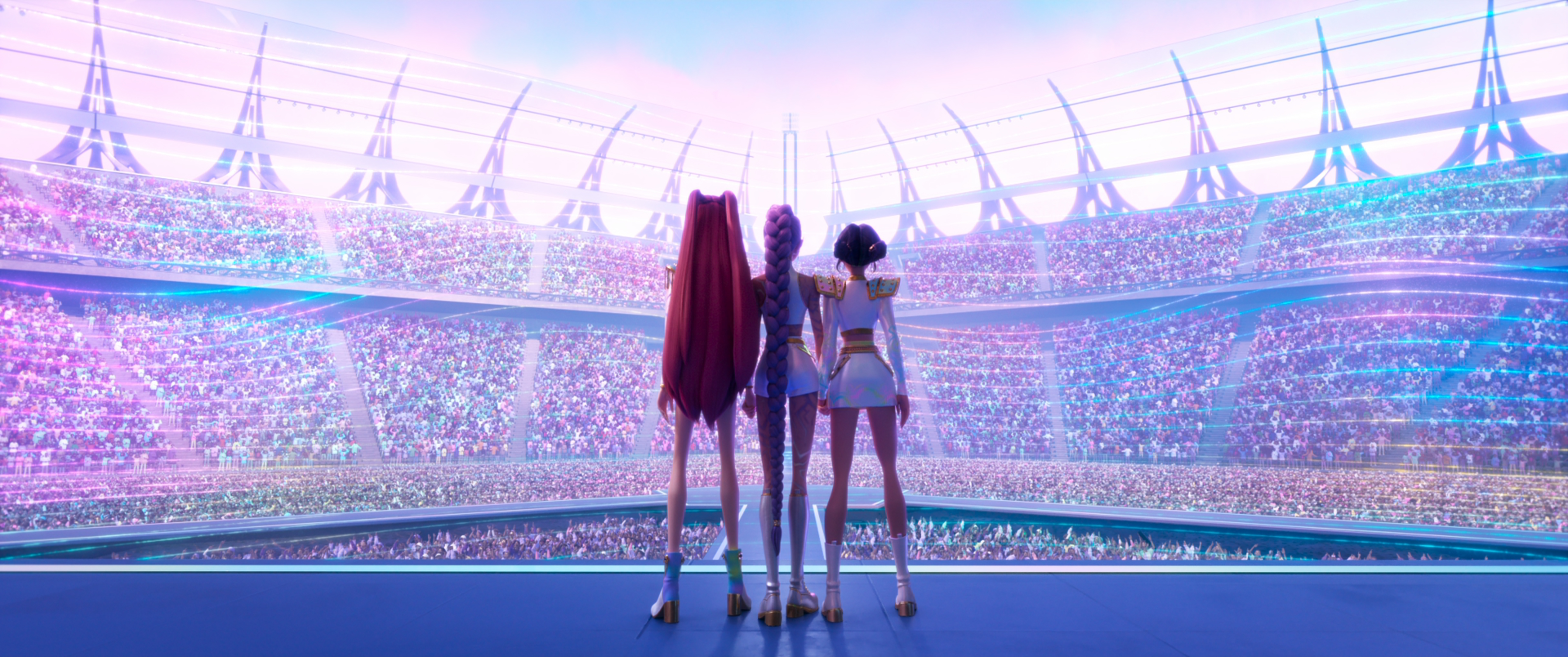
"For KPop, what was really fascinating is that you have your live concert events. You have your flashbacks to ancient times. You have the KPop music video sensibility that is not live, but it’s more like a music video. It’s a very dynamic, well-choreographed camera style. And then you also have the K-drama, which is the TV production-quality look that you try to do when Ginu and Rumi are having their dates," Lee elaborated, highlighting the film’s ambitious scope.
This genre fluidity demanded a versatile approach to lens choices and depth of field. For the intimate, character-driven K-Drama sequences involving protagonists Ginu and Rumi, Lee opted for long lenses and a shallow depth of field, creating a distinctive "bokeh" effect. This technique, often seen in live-action K-Dramas due to budget constraints, became a deliberate stylistic choice in the animated film, emphasizing character emotions by blurring backgrounds and focusing intensely on the subjects. Conversely, for the high-energy live concerts and game show scenes, the preference shifted to long lenses with everything kept sharply in focus, mirroring the crisp, clear aesthetic of television broadcasts.
When it came to the adrenaline-fueled action sequences, Lee indicated a complete departure from traditional constraints. "When we go into action sequences, that’s when every rule goes out the window. We don’t care about what lens, short or long. As long as the shot is dynamic, as long as you get punchy action with a choreographed sequence, then we’re not going to constrain the camera," he stated, underscoring the dynamic, uninhibited visual style necessary for portraying demon-slaying spectacle.
Behind the Lens: Crafting Key Sequences and Cultural Homages
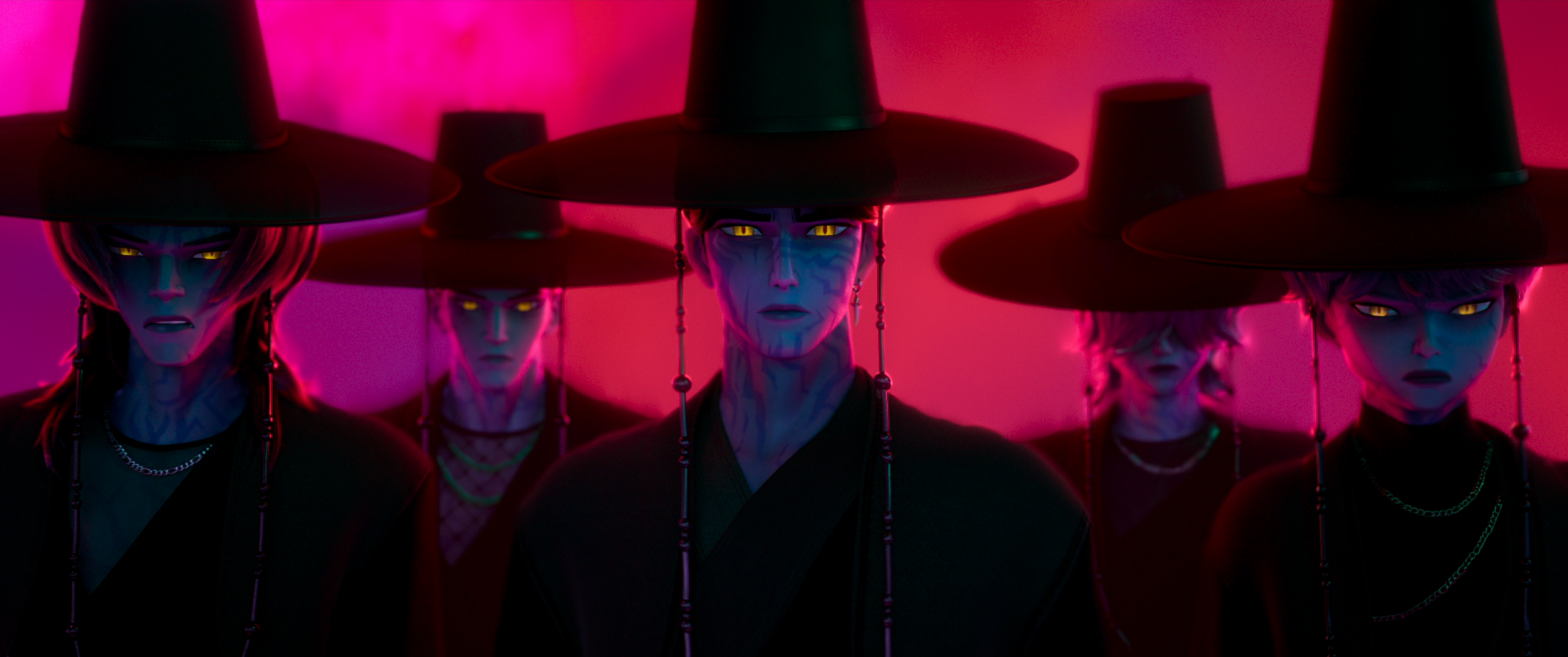
The film’s visual richness is further exemplified in specific, memorable sequences. The bathhouse fight, a particularly challenging environment with its interplay of water, reflections, steam, and vibrant colors, drew inspiration from a surprising cinematic duo: David Cronenberg’s Eastern Promises and Park Chan-wook’s Oldboy. Lee acknowledged the directors’ early references to these films, aiming for a "raw" visual texture rather than a direct replication of their intense content. The bathhouse became a canvas for atmosphere, with specific greens and oranges contributing to its unique mood, while Lee’s team channeled a grittier, more visceral aesthetic.
Beyond the action, the film also paid homage to the delicate romanticism of Wong Kar-wai. Lee recounted moments during "scouts" – virtual location explorations – where scenes between Rumi and Ginu in the historic Bukchon Hanok Village, whether under a street lamp or on rooftops, naturally evoked the Hong Kong master’s signature style. "We would set it up, take a step back, and go, ‘Wow, that looks like Wong Kar-wai,’" he recalled, emphasizing the subtle yet profound impact of visual cues.
This sensibility extended to capturing the unique emotional grammar of Asian dramas. Lee noted the cultural difference in portraying intimacy, where "the slightest handshake or touching hands… is like, ‘Whoa, did they just do that?’ That’s fireworks. It’s crazy." This cultural nuance informed the extensive use of close-ups, meticulously framing these seemingly restrained interactions to convey profound emotional weight.
Even a seemingly simple scene, like Rumi, Mira, and Zoey gathered around a dinner table, required immense cinematic consideration. The sequence where Rumi loses her voice at a Korean restaurant was one of the most time-consuming to shoot, demanding careful attention to focus, background elements, and character posture. "How shallow the focus is, or what is behind them? Is it just a conversation with the three of them? There’s a fridge in the background that is emitting too much light, that’s too distracting, so let’s turn that off. There’s so much thought process that goes into that," Lee detailed, illustrating the depth of planning for even seemingly minor shots.
The Evolving Role of the Animation Cinematographer and Technological Advancements
While acknowledging that color choices in animation are traditionally the domain of production design (Helen Chen and David Bleich for KPop Demon Hunters), Lee expressed excitement about a growing collaboration between production design and cinematography, particularly concerning lighting. This shift is largely driven by advancements in real-time rendering technologies, most notably the Unreal Engine.
"Because of the Unreal Engine now, we can do real-time interactive lighting," Lee enthused. "I do see the future that the cinematographer on an animated film is starting to become a real cinematographer in the traditional sense, someone who’s in control of the camera and lighting. On KPop Demon Hunters, my job was blocking cameras, lens choices, f-stops, all those things."
This technological evolution promises to bridge the long-standing gap in the animation pipeline, allowing cinematographers to set up and light shots almost instantaneously. This real-time feedback loop provides 75-85% of the shot’s final intent upfront, streamlining the workflow and enriching the creative collaboration between departments. Lee’s passion for this future is palpable, seeing it as a transformative moment for the craft.
A Legacy in Digital Filmmaking: From Star Wars to KPop Demon Hunters
Lee’s career journey offers a unique vantage point on the evolution of digital filmmaking. His early work as a previs artist on Star Wars: Episode II – Attack of the Clones placed him at the genesis of modern virtual production. He reflected on this pivotal period: "I really felt that I was born in the right time, the right place. At the time, the industry was looking for people to do not final animation, but something that is crude enough that you can tell a story."
Lucasfilm, under the visionary leadership of George Lucas, was a crucible of innovation. The team behind Episode II redefined cinematic production, pioneering concepts like "previsualization" that were initially met with skepticism. Lee proudly recalled being part of a small, influential group that would go on to shape the industry, founding major previs companies like The Third Floor and HALON Entertainment, and contributing to blockbusters like the Marvel films.
"George Lucas really had it down. He kept pushing the industry forward, especially with the transition from film to digital cameras, which also happened on Episode II. It set so many milestones in a single picture," Lee stated, acknowledging Lucas’s profound impact as a technological pioneer akin to Walt Disney in animation. This foundational experience in digital workflows undoubtedly informed Lee’s contemporary approach to animated cinematography, preparing him for the complex, multi-layered visual demands of KPop Demon Hunters.
Advocating for Recognition: Cinematography in Animation Awards
Beyond his individual projects, Lee is a fervent advocate for greater recognition of cinematography within the animation industry. He is actively pushing for the establishment of a dedicated "cinematography" category in major awards. "Because ever since the very first Toy Story, 3D previs and layout cinematography have become a very pivotal part of animation. It’s been three decades, and I think people are still thinking about animation cinematography as traditional layout, which is something that’s done in 2D," he asserted.
Lee argues that with the advent of 3D animation, virtual cameras are manipulated with the same intentionality and lens choices as in live-action, demanding a distinct artistic credit. While lighting has historically been a separate domain, the integration capabilities of modern engines like Unreal are blurring these lines, making the cinematographer’s role more holistic and akin to their live-action counterparts. This advocacy underscores a broader industry discussion about how to accurately credit and celebrate the specialized craft of virtual cinematography in an increasingly sophisticated animated landscape.
Cultural Fusion and Global Impact
KPop Demon Hunters‘ success, crowned by an Academy Award, also speaks to the growing global appeal of culturally specific narratives and the seamless fusion of diverse genres. The film masterfully blends the international phenomenon of K-Pop, with its meticulous choreography and visual flair, with the widespread emotional resonance of K-Dramas, all set against a backdrop of supernatural action rooted in East Asian folklore. Lee’s cinematic choices were instrumental in making this ambitious fusion feel cohesive and authentic.
The film’s visual homages to Korean and East Asian cinematic traditions, from the raw intensity of Oldboy to the delicate romanticism of Wong Kar-wai, resonated deeply with audiences, showcasing how animation can serve as a powerful medium for cross-cultural storytelling. This achievement not only elevates the profile of animation as an art form but also demonstrates the immense potential for films that celebrate and integrate diverse cultural elements into universally appealing narratives.
Gary H. Lee’s work on KPop Demon Hunters is more than just a testament to his individual skill; it is a beacon for the future of animated filmmaking. As technology continues to evolve, the line between live-action and animation cinematography will blur further, allowing for unprecedented creative control and visual sophistication. His dedication to the craft, coupled with his pioneering spirit, ensures that the art of virtual cinematography will continue to push boundaries and earn the recognition it richly deserves.