
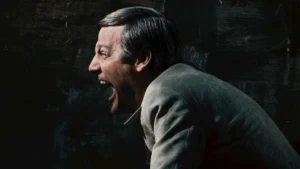

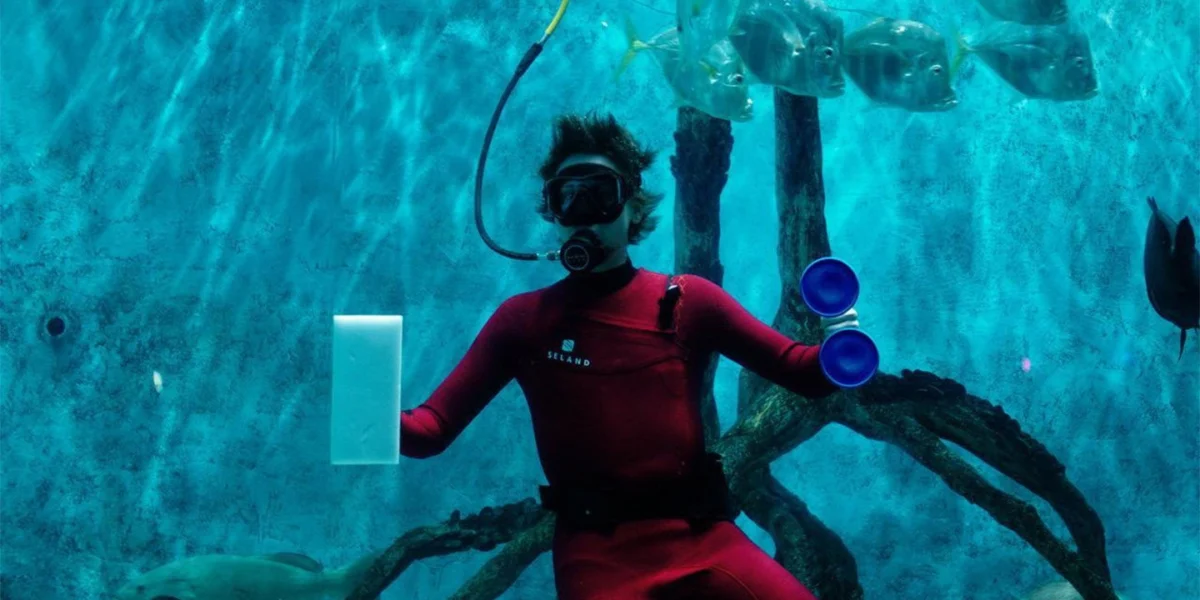
The year is 2026, and director Tyler Cornack, known for his distinctive independent cinema like "Tiny Cinema" and the controversial "Butt Boy," is set to release his latest feature, "Mermaid." This film ventures into uncharted territory, presenting a stark departure from the whimsical aquatic romance of 1984’s "Splash." Instead, Cornack aims to deliver a more visceral and naturalistic portrayal of a fantastical encounter, injecting elements of horror and a deep affection for the Sunshine State into its narrative. "Mermaid" is described as a "love letter to Florida," a sentiment that appears to permeate its depiction of the state’s inherent strangeness and the eccentric characters that populate its landscape.
At its core, "Mermaid" centers on Doug, portrayed by Johnny Pemberton. Doug is presented as a man at his nadir: struggling with drug addiction, recently unemployed, and grappling with profound loneliness. The film sketches a portrait of a character often described by those around him as "not right," hinting at neurodivergence. His personal life is marked by difficulty in forming lasting relationships, the unexpected consequence of a one-night stand resulting in fatherhood, and an pervasive sense of isolation. It is within this bleak personal landscape that Doug stumbles upon a wounded mermaid, an encounter that fundamentally alters his trajectory.
The narrative unfolds as Doug, against any logical expectation, takes the injured creature into his care. Despite the mermaid’s initial hostility and unfriendliness, Doug experiences an immediate and profound connection with her. This bond, notably, is not framed as romantic or sexual, a deliberate choice that distinguishes it from explorations like "The Shape of Water" and likely serves to steer the film away from potential narrative pitfalls. As word of his extraordinary discovery begins to spread, Doug finds himself compelled to protect the mermaid at all costs, embarking on a desperate mission to keep her safe from the outside world.
The visual representation of the mermaid in Cornack’s film is a significant departure from the conventionally beautiful depictions audiences have grown accustomed to. This creature is designed to be unsettling and even horrific, a testament to the film’s practical effects and creature design. The horror elements are a prominent feature, and according to early assessments, among the film’s stronger aspects. However, the comedic elements have reportedly been less successful, with many finding the humor to be largely ineffective. Despite moments of clever dialogue and contemporary references, such as mentions of virtual assistants like Alexa, the film struggles with a consistent tonal balance, creating a disconnect for some viewers. Cornack’s attempt to transition between lighthearted comedy and more serious themes has been described as abrupt and jarring, failing to fully integrate.
Despite these tonal challenges, "Mermaid" is said to contain unexpected narrative turns, particularly following a climactic event. In this sequence, Doug is depicted as taking on a more assertive and even formidable role, demonstrating a capacity for action and heroism in his efforts to save the mermaid. One particular scene has been highlighted for its extreme grotesqueness, an element that is intended to be memorable and impactful in a positive sense. Nevertheless, even at this late stage in the film, the believability of the bond between Doug and the creature remains a point of contention, falling short of the compelling interspecies relationships seen in other recent cinematic works, such as the dynamic between Ryland Grace and Rocky in "Project Hail Mary."
The film boasts a notable ensemble cast, including veteran actors such as Kevin Nealon, Tom Arnold, and Kevin Dunn. However, their screen time is reportedly quite limited, diminishing their overall impact on the narrative. The exception is Kevin Dunn, whose monologue delivered on a boat is singled out as a standout performance. The effectiveness of Johnny Pemberton’s lead performance is also questioned. He is described as an unappealing protagonist, lacking the depth and emotional resonance that would allow audiences to connect with his character. This perceived lack of engagement with Doug is compounded by a lack of a "save the cat" moment or any clear justification for audiences to invest in his plight. A particularly off-putting detail for some viewers, including a vegan reviewer, is Doug’s willingness to feed his pet fish to the mermaid, even after professing affection for them.
Tyler Cornack’s directorial style in "Mermaid" leans towards naturalistic sequences, interspersed with occasional stylized scenes, particularly during moments when Doug is under the influence of drugs. His filmmaking approach is often considered more cohesive than his script, which is characterized as largely forgettable. Yet, despite its acknowledged flaws, "Mermaid" offers an enjoyable viewing experience, largely due to its distinctive portrayal of mermaids and its embodiment of the "Florida man" trope. While the film’s title may lack originality, its execution is presented as unique. It is not, by any measure, a rival to the classic "Splash," but rather carves out its own distinct identity.
The film’s runtime is 105 minutes. The cast includes Johnny Pemberton, Avery Potemri, Kevin Nealon, Kirk Fox, Julia Larson, Devyn McDowell, Tom Arnold, Robert Patrick, and Kevin Dunn. The creative team consists of Tyler Cornack, who serves as both Director and Writer.
Background and Context
The "Florida Man" phenomenon, a well-documented internet meme and cultural reference, stems from the often bizarre and sensational news headlines originating from the state of Florida. These stories, frequently characterized by their absurdity and criminal undertones, have become a subject of public fascination and academic study. The consistent stream of unusual events attributed to individuals in Florida has cemented a particular public perception of the state and its inhabitants. The filmmakers appear to be tapping into this cultural lexicon, using it as a foundation for a narrative that seeks to blend the fantastical with the hyper-real.
Production and Release Details
"Mermaid" is slated for a 2026 release. The film’s production is reportedly helmed by a team dedicated to independent filmmaking, with Cornack’s previous works suggesting a penchant for unconventional storytelling and a willingness to explore darker, more provocative themes. The casting of established actors alongside newer talent indicates an effort to balance broader audience appeal with the specific vision of the director. The film’s runtime of 105 minutes positions it within the standard feature film length.
Thematic Exploration
The juxtaposition of a drug-addicted protagonist with a mythical creature offers a fertile ground for exploring themes of addiction, isolation, and unexpected connection. The mermaid, often a symbol of allure and the unknown, is recontextualized here as a creature of vulnerability and perhaps even danger, mirroring Doug’s own internal struggles. The film’s commitment to a naturalistic approach, even when dealing with the supernatural, suggests an intention to ground the fantastical elements in a recognizable human experience. The "love letter to Florida" aspect also implies an exploration of the state’s unique character, its inherent strangeness, and the often-unseen realities beneath its sunny facade.
Critical Reception and Audience Impact (Projected)
While detailed critical reception will emerge closer to the film’s release, the provided information suggests a polarizing experience. The film’s strengths appear to lie in its unique creature design, its embrace of horror elements, and its distinctively Floridian atmosphere. However, its weaknesses are identified in its inconsistent tone, underdeveloped humor, and a protagonist who may struggle to garner audience sympathy. The success of "Mermaid" will likely depend on its ability to overcome these challenges and deliver a cohesive and impactful narrative that resonates with audiences seeking a departure from conventional storytelling. The film’s ambitious attempt to blend genres and its unconventional approach to a familiar mythos position it as a potentially divisive but undoubtedly memorable cinematic event.