Les Films du Losange has unveiled the first official teaser trailer for Manuela Martelli’s highly anticipated sophomore feature, The Meltdown (also known as Dégel in French and El Deshielo in Spanish), a compelling mystery drama set to make its world premiere at the 2026 Cannes Film Festival within the prestigious Un Certain Regard section. The release of this initial glimpse on April 10, 2026, has ignited significant interest among film critics and enthusiasts, positioning Martelli’s latest work as a standout entry in the festival’s diverse lineup. The film, which follows Martelli’s critically acclaimed 2022 feature debut Chile ’76, promises to delve deeper into themes of memory, disappearance, and the lingering shadows of a nation’s past, all through a distinctive "Hitchcockian" lens that has become a hallmark of her burgeoning cinematic voice.
A Glimpse into the Mystery: Teaser Trailer Unveiled
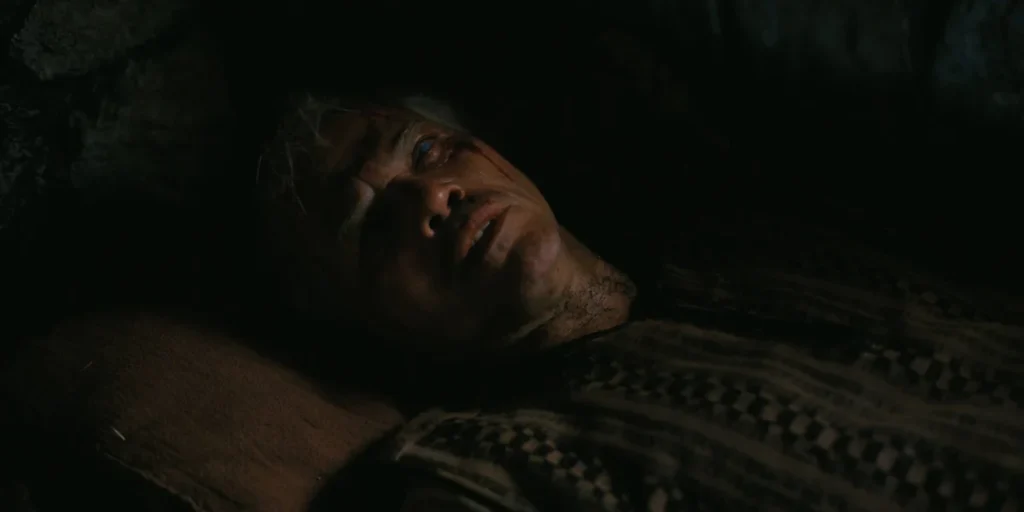
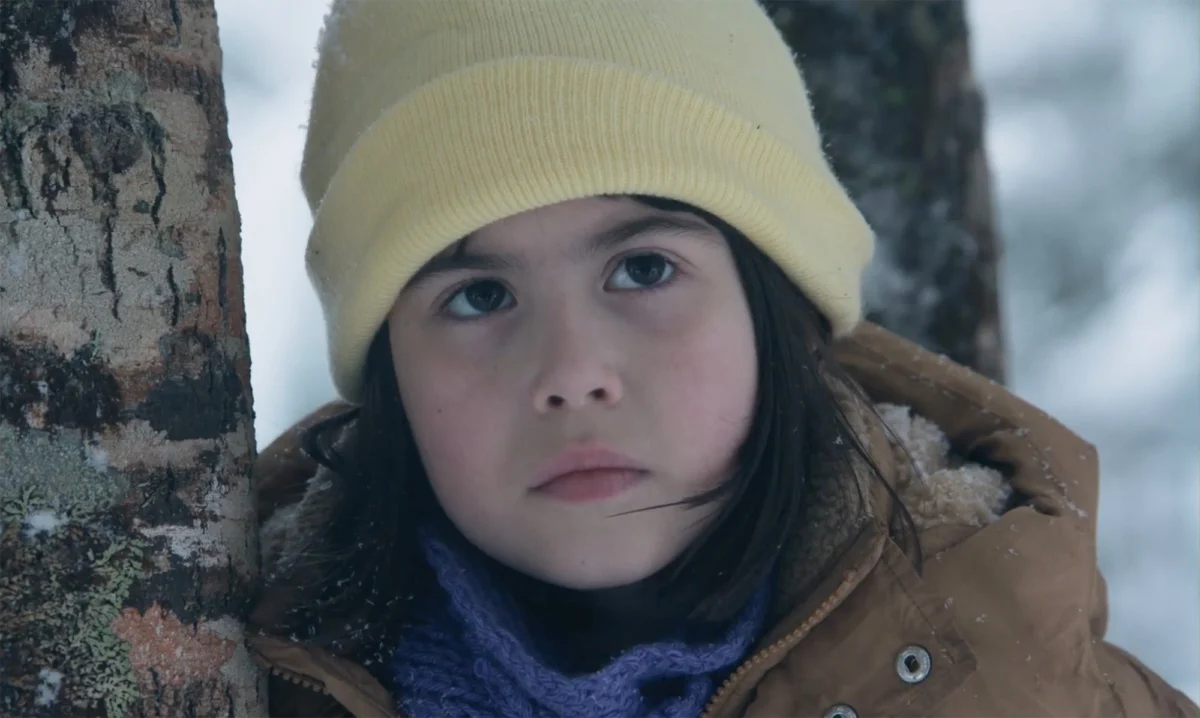
The newly released teaser trailer, distributed by Les Films du Losange, offers a tantalizing preview of The Meltdown‘s atmospheric tension and intricate narrative. While brief, the footage effectively establishes the film’s chilling premise: the enigmatic disappearance of a young German skier, Hanna, from a remote hotel nestled near an Andean ski resort in 1992 Chile. The visual language of the trailer hints at a moody, suspenseful experience, characterized by stark Chilean landscapes, intimate character interactions, and an underlying sense of unease. Shots of the isolated mountain setting, juxtaposed with intense close-ups of the film’s young protagonist, nine-year-old Inés (portrayed by Maya O’Rourke), suggest a narrative that slowly unravels hidden truths and long-buried secrets. The enigmatic line, "I know that Hanna’s going to come back…", delivered with an unsettling blend of hope and apprehension, serves as a central hook, immediately immersing viewers in the emotional stakes of the story. The teaser artfully avoids explicit plot revelations, instead focusing on crafting a pervasive mood of psychological suspense, reinforcing the comparisons to the master of suspense, Alfred Hitchcock, a stylistic connection Martelli herself has embraced in her previous work. The cinematography, though glimpsed only briefly, appears to emphasize natural light and expansive, often desolate, environments, contributing to the film’s overall sense of isolation and mystery. This visual strategy is crucial for a film that explores the psychological impact of a disappearance against a backdrop of historical trauma.
Manuela Martelli: A Rising Voice in Chilean Cinema
Manuela Martelli’s journey to becoming one of Latin America’s most compelling new directorial voices has been marked by a deliberate and impactful exploration of complex historical and personal narratives. Before stepping behind the camera, Martelli was already an established and respected actress in Chilean cinema, having starred in numerous films and television series. This background has undoubtedly informed her nuanced approach to character development and performance, evident in the compelling portrayals within her films.

Her directorial debut, Chile ’76, released in 2022, was a critical triumph that immediately put Martelli on the international map. Set during the brutal Pinochet dictatorship, Chile ’76 followed a bourgeois housewife who secretly aids a young activist, finding herself increasingly entangled in the regime’s oppressive grip. The film was widely praised for its taut suspense, evocative period detail, and its portrayal of a woman’s awakening conscience under authoritarianism. Critics lauded Martelli’s ability to craft a "Hitchcockian thriller" that was as much a psychological drama as a political one, exploring themes of complicity, courage, and the insidious nature of fear. The film garnered numerous accolades, including selections at prestigious festivals worldwide and strong international distribution, signaling Martelli’s arrival as a significant talent.
The Meltdown appears to build directly upon the thematic and stylistic foundations laid by Chile ’76. While the setting shifts from the immediate intensity of the dictatorship to its post-dictatorship aftermath, the core preoccupation with unresolved historical trauma, hidden truths, and the psychological impact of disappearance remains central. Martelli’s particular skill lies in weaving these grand historical narratives into intimate, personal stories, often through the perspective of female characters navigating challenging circumstances. This approach allows her films to resonate on both a universal human level and a specific socio-political one, inviting audiences to confront uncomfortable historical truths through emotionally gripping narratives. Her choice to again explore a mystery infused with political undertones solidifies her thematic commitment and reinforces her unique directorial signature.
The Historical Canvas: Chile in 1992
The film’s setting in Chile in 1992 is far from arbitrary; it provides a crucial historical and political backdrop that profoundly shapes the narrative’s "long-buried secrets." By 1992, Chile was three years into its fragile transition to democracy following the 1990 end of Augusto Pinochet’s brutal seventeen-year military dictatorship. This period was characterized by a complex mix of hope, uncertainty, and lingering trauma. While the country was moving away from authoritarian rule, the wounds of the past were still fresh and largely unaddressed. Many human rights abuses committed during the dictatorship remained unpunished, and a pervasive sense of impunity often shadowed the nascent democratic institutions.
The year 1992 itself was a critical juncture. The Aylwin government, the first democratically elected administration after Pinochet, was grappling with the legacy of the dictatorship, including the ongoing search for disappeared persons and the push for truth and reconciliation. The Rettig Commission, established in 1990, had released its report detailing human rights violations, but the process of justice was slow and contentious. Society was deeply polarized, with segments of the population still loyal to the former regime, and the military retained significant political influence.
Within this socio-political climate, a story of disappearance takes on heightened significance. The vanishing of Hanna, a German skier, in a remote Andean setting, can be interpreted not merely as a personal tragedy but as a metaphor for the many unsolved cases of forced disappearances during the dictatorship. The "long-buried secrets" revealed by the investigation are likely to extend beyond the immediate circumstances of Hanna’s disappearance, potentially touching upon the broader societal anxieties, complicities, and unaddressed traumas of the post-dictatorship era. The contrast between the seemingly idyllic ski resort and the dark undercurrents of a nation grappling with its past creates a potent dramatic tension, allowing Martelli to explore how personal lives are inextricably linked to historical events. The involvement of a German character could also subtly allude to historical connections or external perspectives on Chile’s internal struggles, adding another layer of intrigue to the mystery.

Cannes Film Festival: A Prestigious Launchpad
The selection of The Meltdown for the 2026 Cannes Film Festival, particularly in the Un Certain Regard section, marks a significant milestone for Manuela Martelli and the film itself. The Cannes Film Festival remains arguably the most prestigious film festival globally, serving as a critical launchpad for arthouse cinema and a barometer for emerging talent. Its rigorous selection process ensures that only the most artistically significant and innovative films from around the world receive a coveted spot in its lineup.
Un Certain Regard, French for "A Certain Glance," is Cannes’ official competition section dedicated to films that offer "original and different visions." It champions works by emerging directors or established filmmakers exploring unconventional narratives and stylistic approaches. Films in Un Certain Regard often demonstrate a strong authorial voice and push the boundaries of cinematic storytelling. Past selections have included works by directors who later rose to international prominence, making it an essential platform for discovering future masters. For The Meltdown, a premiere in this section signifies a strong endorsement from the festival’s programmers, suggesting that they recognize Martelli’s unique vision and the film’s artistic merit. It places her in esteemed company, often alongside directors who challenge conventional cinema and offer fresh perspectives.
A Cannes premiere offers unparalleled international visibility. It attracts thousands of journalists, critics, distributors, and industry professionals from across the globe, ensuring extensive media coverage and facilitating international sales. For an independent foreign film like The Meltdown, this exposure is invaluable for securing distribution deals in various territories, raising its profile, and ultimately reaching a wider global audience. The critical reception at Cannes can significantly influence a film’s trajectory, generating buzz and shaping its narrative in the lead-up to subsequent festival runs and theatrical releases. For Martelli, it further solidifies her reputation as a formidable talent on the international stage, building on the success of Chile ’76 and positioning her as a director whose future projects will be eagerly anticipated.
The Ensemble Cast and Production Pedigree
The film features an intriguing international ensemble cast, led by rising talents who bring depth to Martelli’s complex characters. Maya O’Rourke takes on the pivotal role of Inés, the nine-year-old protagonist whose perspective anchors the narrative. Her performance will be crucial in conveying the film’s emotional core and the psychological impact of Hanna’s disappearance. Saskia Rosendahl, a German actress known for her roles in acclaimed European films, portrays Hanna, the enigmatic skier whose vanishing acts as the central catalyst for the mystery. Her involvement hints at the international dimensions of the story and potential cultural clashes within the remote Chilean setting. Jakub Gierszal, a prominent Polish actor, and Maia Rae Domagala also feature in the cast, adding further international flavor and talent to the production. The diverse cast underscores the film’s transnational appeal and its ability to attract collaborators from across Europe and Latin America.

Behind the scenes, the production is spearheaded by a team of experienced producers: Alejandra Garcia, Alex C. Lo, and Andrés Wood. Wood, a celebrated Chilean filmmaker himself (known for directing Machuca and Violeta Went to Heaven), brings considerable industry expertise and a deep understanding of Chilean storytelling to the project, through his company Wood Producciones. The involvement of Ronda Cine and Cinema Inutile further highlights the collaborative nature of independent international filmmaking.
The distribution by Les Films du Losange is particularly noteworthy. As a venerable French distribution company, Les Films du Losange has a long-standing reputation for championing arthouse cinema and acclaimed international works. Their catalog includes films by legendary directors such as Éric Rohmer, Michael Haneke, and François Ozon, among many others. Their decision to distribute The Meltdown signals a strong belief in Martelli’s artistic vision and the film’s potential to resonate with discerning audiences worldwide. Their involvement ensures a robust marketing and distribution strategy, particularly within European markets, and lends significant credibility to the project’s artistic and commercial prospects. The synergy between Martelli’s emerging talent and the established pedigree of her producers and distributors creates a powerful combination, poised to make a substantial impact at Cannes and beyond.
Anticipation and Broader Implications
The unveiling of The Meltdown‘s teaser trailer and its imminent premiere at the 2026 Cannes Film Festival have set the stage for one of the year’s most anticipated independent film events. Critics and industry observers are keenly awaiting the film’s reception, particularly to see how Martelli expands upon the promise shown in Chile ’76. The "one to watch out for" sentiment surrounding the film is well-founded, given her demonstrated ability to craft compelling narratives that are both historically resonant and psychologically gripping.
The film’s exploration of post-dictatorship Chile, through the lens of a personal mystery, contributes significantly to the ongoing cinematic discourse about historical memory, justice, and the healing (or lack thereof) of national trauma. In an era where many countries grapple with their own complex pasts, The Meltdown‘s themes of hidden truths and unresolved disappearances will undoubtedly resonate with a global audience, fostering important conversations. Martelli’s work, alongside that of other contemporary Chilean filmmakers, continues to solidify Chile’s position as a vibrant and vital hub for socially conscious and artistically ambitious cinema. Her ability to attract international co-production and distribution partners further underscores the global appeal and relevance of her storytelling.
Beyond critical acclaim, a strong showing at Cannes could unlock broader distribution opportunities for The Meltdown, allowing it to reach more viewers in arthouse cinemas and streaming platforms worldwide. For Manuela Martelli, this film represents a crucial step in her career trajectory, cementing her status as a leading voice in contemporary Latin American cinema and a filmmaker with a unique ability to blend genre conventions with profound social commentary. As the countdown to Cannes 2026 begins, all eyes will be on The Meltdown, eager to uncover its secrets and witness the latest evolution of a truly remarkable directorial talent. The film promises not just a mystery to solve, but a profound reflection on the echoes of history and the enduring human quest for truth.