Paramount Global’s Skydance Media announced on Tuesday a significant enhancement to its unsolicited acquisition proposal for Warner Bros. Discovery (WBD), introducing a series of financial guarantees and a "ticking fee" designed to mitigate shareholder anxiety over regulatory delays. While the base offer remains at $30 per share in an all-cash transaction, the revised bid seeks to dismantle the WBD board’s primary objections by assuming the financial risks associated with a prolonged approval process and the potential collapse of a rival agreement with Netflix.
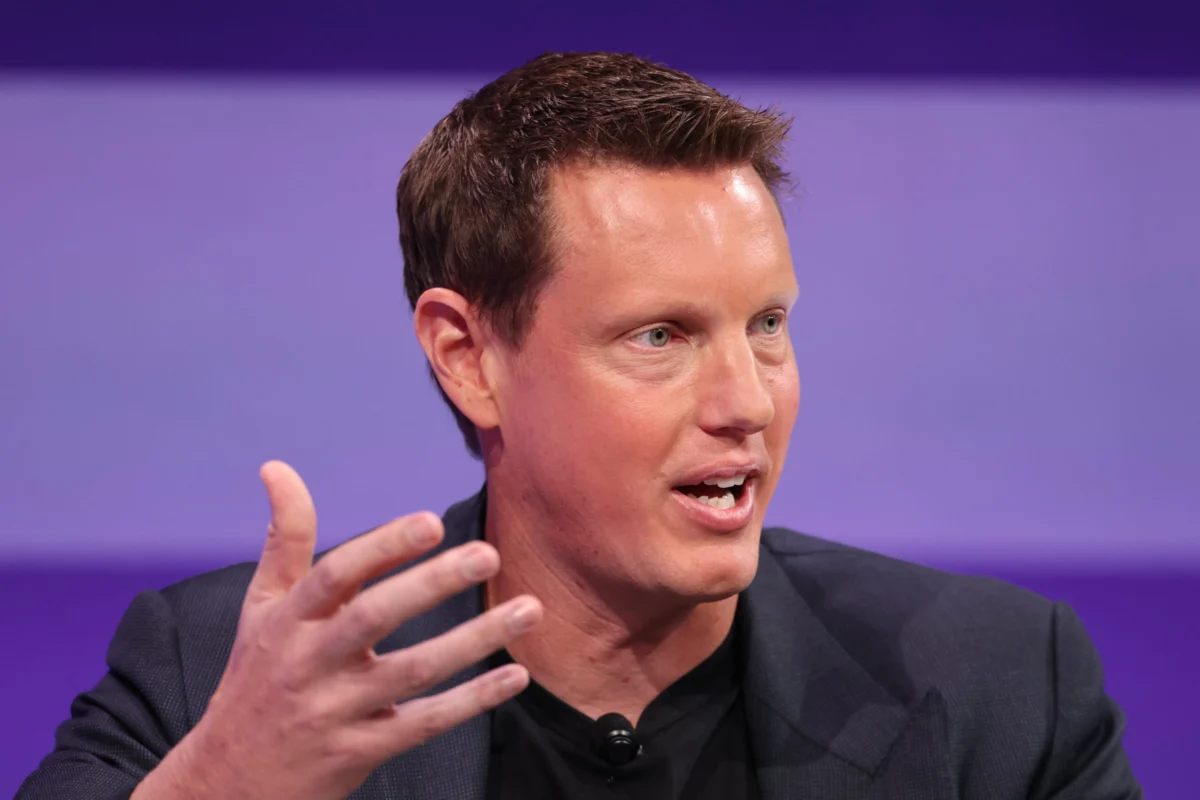
The escalation in the bidding war underscores a pivotal moment for the media industry, as legacy giants and streaming behemoths struggle for scale in an increasingly consolidated landscape. Paramount CEO David Ellison emphasized that the amended offer provides a "clear regulatory path" and "protection against market volatility," positioning the Skydance-led bid as a more stable and lucrative alternative to the pending deal between Warner Bros. Discovery and Netflix.
The Financial Mechanics of the Sweetened Offer
The centerpiece of Paramount’s revised proposal is the introduction of a "ticking fee," a common but potent mechanism in large-scale mergers designed to incentivize a swift closing and compensate shareholders if the deal is bogged down by antitrust scrutiny. Paramount has committed to paying WBD shareholders 25 cents per share for every quarter the transaction remains unclosed after December 31, 2026.
Based on Warner Bros. Discovery’s current share count, this ticking fee represents an additional cash commitment of approximately $650 million per quarter. By implementing this fee, Paramount is effectively betting on its ability to navigate the Department of Justice (DOJ) and Federal Trade Commission (FTC) reviews more efficiently than its competitors, or at the very least, ensuring that shareholders are compensated for the opportunity cost of a delayed payout.
In addition to the ticking fee, Paramount has addressed the "breakup" costs associated with WBD’s existing engagement with Netflix. Should WBD pivot to the Paramount offer, it would trigger a $2.8 billion termination fee owed to Netflix. Paramount has pledged to fund this entire amount, removing a significant financial hurdle for the WBD board. Furthermore, Paramount stated it would eliminate a projected $1.5 billion in debt refinancing costs, further streamlining the balance sheet of the combined entity.
The total financing for the bid is robust, totaling nearly $98 billion. This includes $43.6 billion in equity commitments from the Ellison family and Gerry Cardinale’s RedBird Capital Partners, alongside $54 billion in debt commitments from a consortium of major financial institutions, including Bank of America, Citigroup, and the private equity firm Apollo Global Management.
The Rivalry: Paramount vs. Netflix
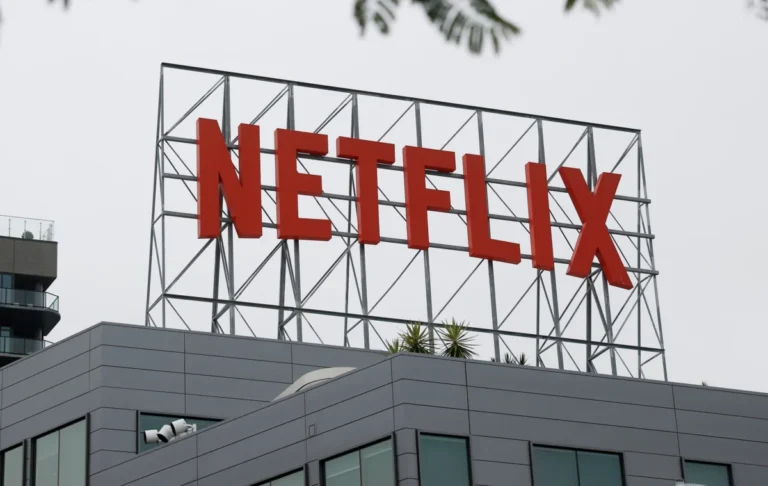
The battle for Warner Bros. Discovery has created a stark contrast between two different visions for the future of the company. On one side is the pending agreement with Netflix, first announced in early December 2025. This deal involves Netflix acquiring WBD’s high-value streaming and studio assets—including the HBO library and the Warner Bros. film studio—while WBD’s traditional linear television networks, such as CNN, TBS, and Discovery, are spun off into a separate entity.

Netflix recently amended its offer to $27.75 per share in cash, a move intended to simplify the transaction after an initial proposal that included a mix of cash and stock. Netflix co-CEO Ted Sarandos has defended the deal as "pro-consumer" and "pro-worker," arguing that the combination would preserve industry jobs and foster innovation.
On the other side is Paramount’s hostile tender offer. Unlike the Netflix deal, which effectively carves up WBD, the Paramount-Skydance proposal seeks to acquire the entirety of the company at a premium of $30 per share. Paramount argues that its "all-cash, all-in" approach provides superior value and avoids the complexities of a corporate split.
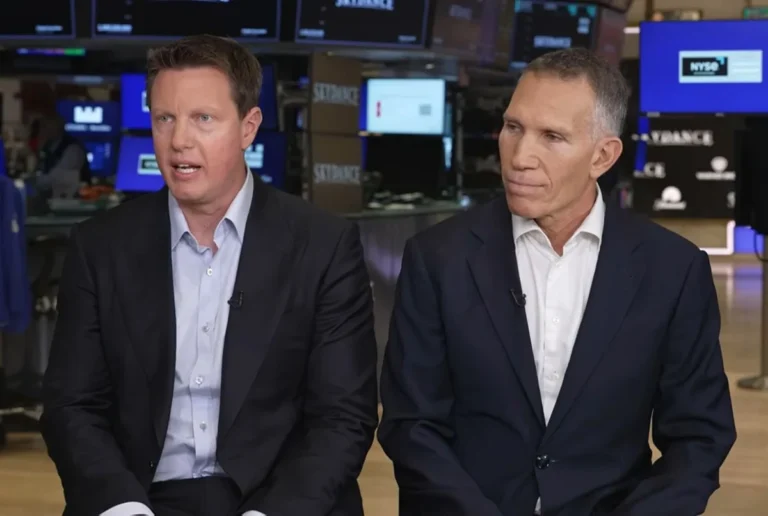
Gerry Cardinale, founder of RedBird Capital Partners, told CNBC that the latest amendments were intended to "perfect" the offer by removing the "clerical items" the WBD board has used to justify their refusal to engage. Cardinale indicated that if the board continues to resist, Paramount and its backers are prepared to take their case directly to the shareholders to force a vote.
Timeline of the Takeover Battle
The current corporate standoff is the result of several months of intense maneuvering and legal challenges. The following timeline outlines the key events in the pursuit of Warner Bros. Discovery:
- December 5, 2025: Warner Bros. Discovery and Netflix announce a definitive agreement for Netflix to acquire WBD’s streaming and studio assets for an estimated $72 billion in a cash-and-stock deal.
- December 8, 2025: Paramount and Skydance launch a hostile tender offer for 100% of Warner Bros. Discovery at $30 per share, all cash.
- January 7, 2026: The WBD board of directors formally rejects the Paramount offer for the first time, citing regulatory concerns and a preference for the Netflix partnership.
- January 12, 2026: Paramount and Skydance file a lawsuit against Warner Bros. Discovery, seeking transparency regarding the Netflix deal’s valuation and the board’s decision-making process. Paramount also announces its intention to nominate a slate of directors to the WBD board.
- January 2026: During an earnings call, Netflix’s Ted Sarandos expresses high confidence in receiving regulatory approval for the WBD asset acquisition, despite rising antitrust concerns in Washington.
- February 2026: Netflix amends its bid to $27.75 per share, transitioning to an all-cash structure to compete with Paramount’s liquidity.
- February 17, 2026: Paramount officially sweetens its bid with the ticking fee and the assumption of termination and refinancing costs.
Regulatory Scrutiny and Antitrust Implications
The primary obstacle for both Paramount and Netflix is the current regulatory environment in the United States. Under the Biden administration, and continuing into 2026, the DOJ and FTC have taken an aggressive stance toward horizontal and vertical integration in the media and technology sectors.
The Netflix-WBD deal is viewed as a significant vertical integration, combining one of the world’s largest distribution platforms with one of the most storied content libraries in Hollywood. Critics argue this could lead to decreased competition and higher prices for consumers. Netflix has countered these claims by suggesting the deal is necessary for the survival of legacy assets in a digital-first economy.
Paramount’s bid, while offering a higher price, faces its own set of "horizontal" hurdles. A merger between Paramount and WBD would combine two of the "Big Five" film studios and a massive array of cable networks. This has prompted lawmakers to raise concerns about the concentration of media ownership.
By introducing the ticking fee, Paramount is signaling to the market and to WBD’s board that it is willing to put its own capital at risk to prove the deal can pass regulatory muster. The fee suggests that Paramount’s legal team anticipates a resolution by the end of 2026, but is prepared for the financial consequences if the process drags into 2027.

Industry Context: The Struggle for Scale
The aggressive pursuit of Warner Bros. Discovery reflects a broader trend of consolidation as traditional media companies face the dual pressures of declining cable revenues and the high costs of streaming. Warner Bros. Discovery, itself the product of a massive merger between Discovery Inc. and AT&T’s WarnerMedia in 2022, has struggled with a heavy debt load and a fluctuating stock price.
For David Ellison and Skydance, acquiring WBD would represent a transformative leap, turning a successful production house into a global media titan. For Paramount Global, which has faced its own share of financial uncertainty and rumors of a sale, the deal is a "strike-forward" strategy to ensure its long-term relevance.
The "New Paramount" envisioned by Ellison and Cardinale would possess a content library ranging from Star Trek and Mission: Impossible to Game of Thrones and Harry Potter. This scale is increasingly seen as the only way to compete with the likes of Disney, Amazon, and Apple, who have used their massive balance sheets to dominate the entertainment landscape.
Market Reaction and Shareholder Sentiment
Warner Bros. Discovery confirmed receipt of the amended offer on Tuesday, stating that its board would "review and consider" the new terms. However, the board’s historical preference for the Netflix deal suggests that a change of heart is not guaranteed.
Shareholders, meanwhile, find themselves at a crossroads. The Paramount offer provides an immediate $30 per share cash exit—a premium over the current trading price and the Netflix bid. However, the risk of a regulatory block remains a shadow over the transaction. The ticking fee is a strategic attempt to bridge this "certainty gap," providing a financial safety net that the Netflix deal currently lacks.
If Paramount’s bid succeeds, it would likely trigger a domino effect across the industry, forcing other mid-sized media players to seek partners or face obsolescence. If it fails, and the Netflix deal proceeds, it will mark the end of Warner Bros. Discovery as a standalone entity and further solidify the dominance of pure-play streaming platforms over the traditional Hollywood studio model.
As the legal and financial battles continue, the focus now shifts to the WBD shareholders, who will ultimately decide whether to accept the "certainty" of the board-recommended Netflix deal or the higher, though more contested, value offered by the Paramount-Skydance alliance.