



Singapore-based documentarian and experimental dance filmmaker Chan Sze-Wei’s latest work, "10s Across the Borders," offers a vibrant and intimate exploration of Southeast Asian ballroom culture, shining a spotlight on the resilience and artistry of its key figures. The film, currently screening at Cinemasia, delves into the heart of this underground art form, showcasing how it transcends geographical and social boundaries through the compelling narratives of three distinct individuals. The documentary is more than just a visual spectacle; it’s a profound look at self-expression, identity, and the power of community in regions where LGBTQ+ acceptance can be a complex and evolving issue.
Unveiling the World of Ballroom: A Kaleidoscope of Talent
"10s Across the Borders" opens with a striking contrast, moving from a stark, nondescript setting to the dazzling persona of Teddy Ong, a Malaysian aspiring voguing dancer. Ong, with his distinctive bowl cut and tattooed face, embodies the fierce spirit that defines ballroom. He is not only a participant but also the founder of the "kiki" (amateur) house of Neverland, signifying his commitment to nurturing emerging talent within the scene. His journey is one of the central threads woven through the film, illustrating the challenges faced by individuals in societies that may not always embrace their identities.
Joining Ong in this exposé are two other pivotal figures: Xyza Ragunjan, a Filipino member of the esteemed House Mizrahi, and Phittaya Phaefuang, affectionately known as Sun, a Thai performer whose work is infused with exuberance and artistic joy. Their individual stories, while diverse, coalesce to form a narrative that is both fluid and deeply relatable. The film masterfully interweaves moments from their lives, creating a tapestry of shared experiences and distinct struggles.
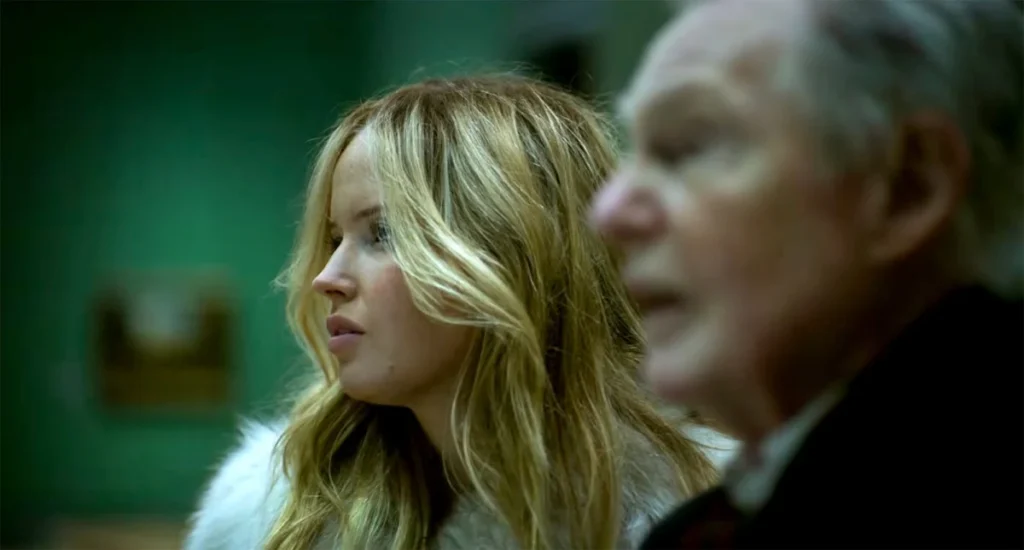
Xyza Ragunjan’s narrative is particularly noteworthy as she navigates the ballroom world as a cis-straight woman. Her presence challenges the often LGBTQ+-centric perception of ballroom, highlighting the inclusive nature of the culture and her ambition to bridge any perceived gaps. This aspect of the film addresses the evolving understanding of ballroom, moving beyond its historical roots to encompass a broader spectrum of identities and allies.
Teddy Ong’s story delves into the personal ramifications of societal prejudice. His struggle to find his voice and identity is deeply rooted in challenging childhood experiences within Malaysia, a country where homosexuality has historically faced significant societal stigma and legal scrutiny. The film poignantly portrays his quest for self-acceptance and his determination to carve out a space for himself and his community.
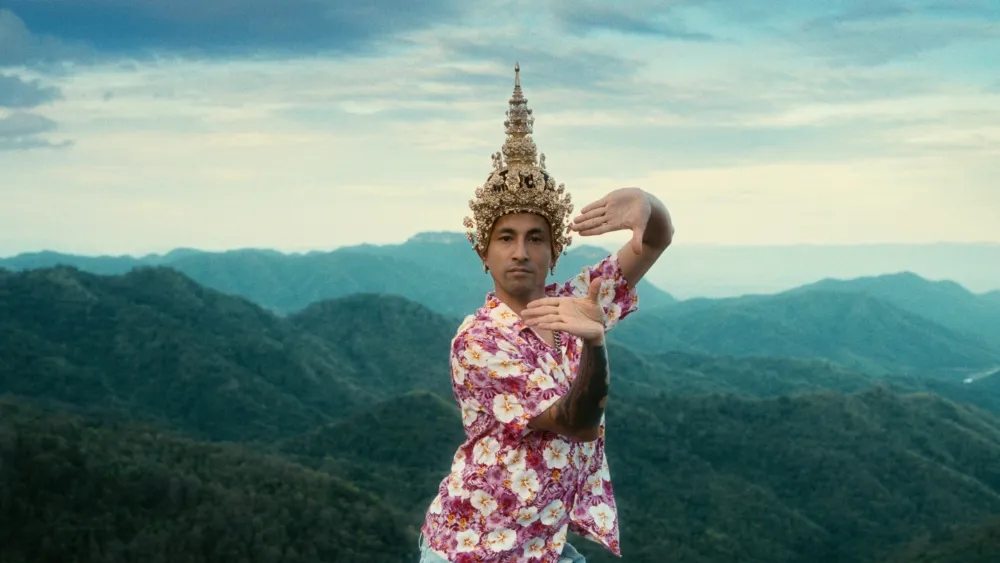
Completing the trio is Sun, the "fey-like energiser bunny," whose performances are imbued with the vibrant essence of Thai spirituality and tradition. Sun’s inclusion adds a unique cultural dimension to the documentary, showcasing how traditional beliefs and contemporary artistic expression can harmoniously coexist and inform each other within the ballroom context. Their presence underscores the rich and varied influences that shape ballroom culture across Southeast Asia.
A Visual and Emotional Journey: The Art of Defiance
The documentary is replete with the electrifying performances that are the hallmark of ballroom. Audiences are treated to a gratuitous yet artful display of splits, drops, duck walks, and spins, all emblematic of this underground queer art form. Chan Sze-Wei’s directorial approach is characterized by its bold and unflinching gaze. The film is described as a "polarising feast for the senses," unapologetically in-your-face, demanding a visceral reaction from viewers. This bold approach is reflected in the visual style, which often employs smoky, grainy, and casual club-like filters, immersing the audience in the raw energy of the ballroom scene.
The film’s intimacy extends to its almost invasive, yet truthful, investigation into the lives of the protagonists. Moments like Sun’s shower scene, where their derriere is openly shown, are not gratuitous but rather indicative of the film’s commitment to presenting an unvarnished and authentic portrayal of the individuals and their lived experiences. This level of exposure fosters a deeper connection between the audience and the subjects, allowing for a more profound understanding of their vulnerabilities and triumphs.
Crafting a Narrative of Resilience and Visibility
Spanning seven years of filming, "10s Across the Borders" is a testament to Chan Sze-Wei’s dedication to capturing the evolution of these artists and their community. The lean 90-minute runtime is packed with moments of triumph, joy, sentimentality, and sheer honesty, ensuring that the film remains engaging and impactful. This carefully crafted narrative successfully frames the lives of these queer individuals and their art in an accessible and enjoyable manner.
The documentary’s strength lies in its ability to grow on the audience, gradually revealing the complexities and challenges that plague the ballroom community. At its core, the film is a powerful plea for visibility, a cry from individuals who are "very much longing to be seen, heard, and understood." It highlights the persistent societal struggles that these artists face, from discrimination to a lack of recognition, while simultaneously celebrating their unwavering spirit and creativity.
A Multifaceted Exploration of Queer Art and Identity
"10s Across the Borders" defies easy categorization. It functions as an experimental dance showcase, a profound societal thought piece, and an insightful exposé of a less understood facet of nightlife and club culture. The film’s title itself, "10s Across the Borders," is a nod to the ballroom scoring system, where a "10" represents perfection, and implies that this art form, and the talent it showcases, is universally excellent and transcends geographical limitations.
The documentary’s significance lies not only in its artistic merit but also in its potential to foster greater understanding and empathy. By bringing these stories to a wider audience, Chan Sze-Wei is not only celebrating queer art but also contributing to a broader cultural dialogue about diversity, acceptance, and the fundamental human need for self-expression. The film is positioned as essential viewing for anyone seeking an introduction to queer art and alternative lifestyles, offering a nuanced perspective that challenges preconceived notions and celebrates the vibrant tapestry of human experience.
Context and Impact: Ballroom’s Growing Influence
The ballroom scene, with its origins in the LGBTQ+ communities of major American cities in the late 20th century, has experienced a significant global resurgence in recent years, amplified by popular media like the documentary series "Paris Is Burning" and the fictional drama "Pose." This resurgence has seen the culture spread to regions like Southeast Asia, where it has been adapted and infused with local cultural nuances.
In Southeast Asia, the ballroom scene often operates as a vital sanctuary for LGBTQ+ individuals, providing a space for community building, self-discovery, and artistic expression in contexts where societal acceptance can be challenging. The "kiki" houses, as represented by Teddy Ong’s House of Neverland, play a crucial role in this ecosystem, offering a more accessible entry point for younger or less experienced individuals to engage with the culture.
The screening of "10s Across the Borders" at Cinemasia, a festival dedicated to showcasing Asian cinema, is particularly timely. It aligns with a growing international interest in diverse Asian narratives and provides a platform for the unique stories emerging from the region’s burgeoning ballroom communities. The film’s success in capturing the essence of these underground movements speaks to the power of independent filmmaking to shed light on marginalized cultures and amplify voices that might otherwise remain unheard.
Supporting Data and Broader Implications
The film’s production timeline of seven years is significant. It allows for a deep dive into the personal growth and evolving challenges faced by the protagonists, offering a more comprehensive and nuanced portrayal than a shorter production period might allow. This dedication to long-term observation underscores the commitment to authentically representing the subjects’ journeys.
While specific audience reception data for the Cinemasia screenings are not yet available, the critical reception of Chan Sze-Wei’s previous works suggests a strong potential for engagement. Her experimental approach often garners attention for its innovative storytelling and visual artistry. The film’s themes of identity, community, and resilience resonate with contemporary societal discussions surrounding LGBTQ+ rights and cultural acceptance in Asia.
The broader implications of "10s Across the Borders" extend beyond the realm of film appreciation. By highlighting the artistry and humanity of ballroom participants, the documentary contributes to demystifying and destigmatizing queer culture. It can serve as a catalyst for dialogue, encouraging greater understanding and acceptance of diverse sexual orientations and gender identities within Southeast Asian societies. Furthermore, it showcases the power of art as a tool for social change, demonstrating how creative expression can challenge norms, foster solidarity, and ultimately, empower individuals. The film’s journey across borders, both literally within the narrative and metaphorically through its reach, signifies a growing interconnectedness of queer communities and a shared aspiration for recognition and respect.