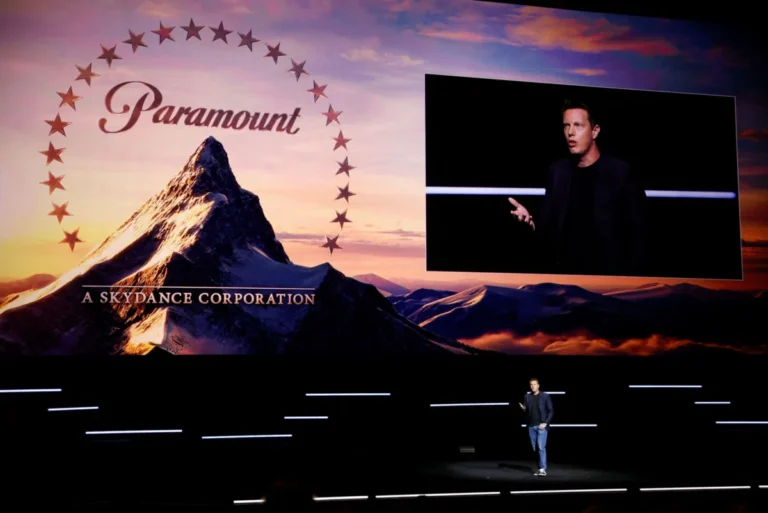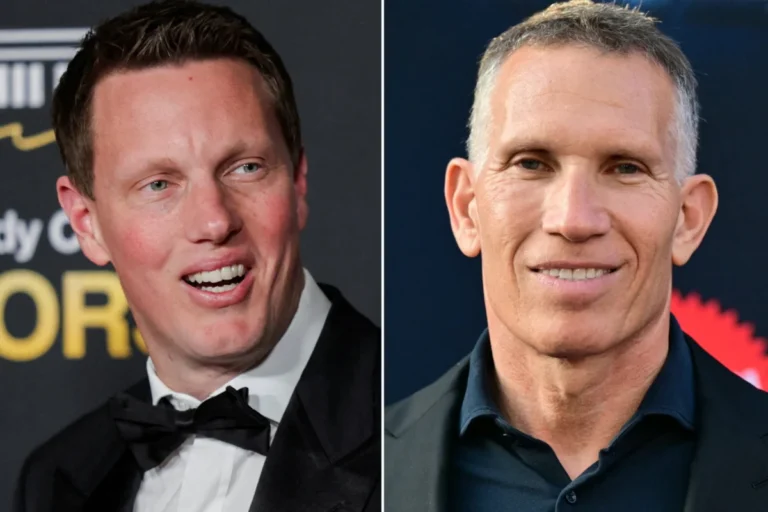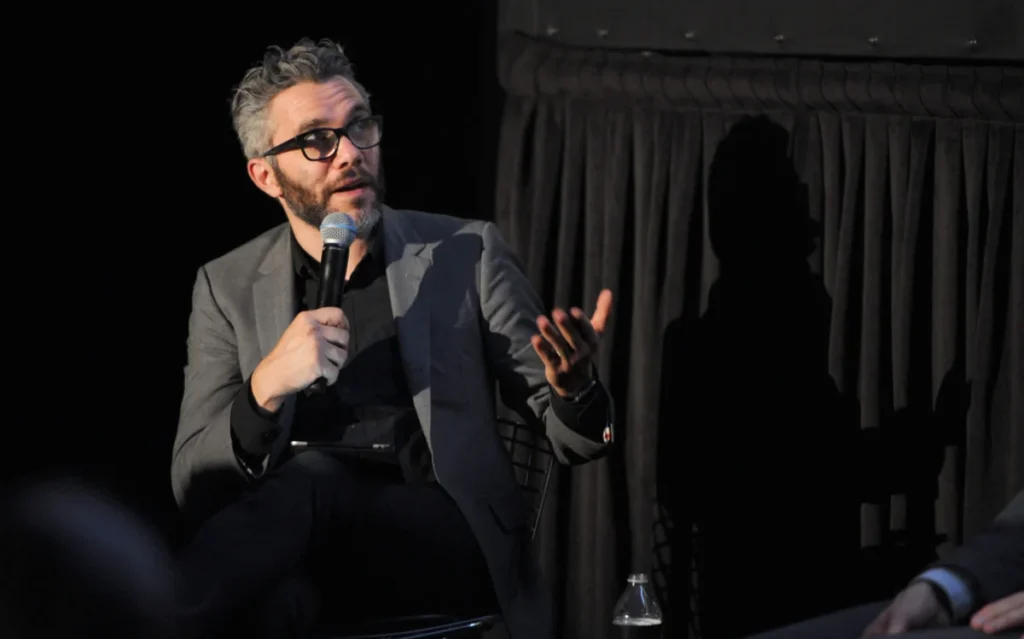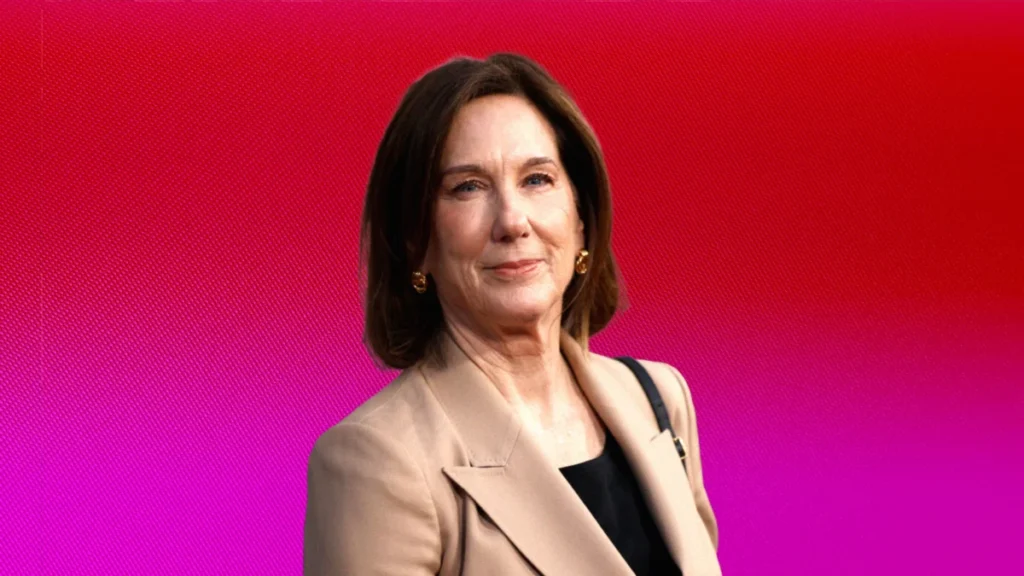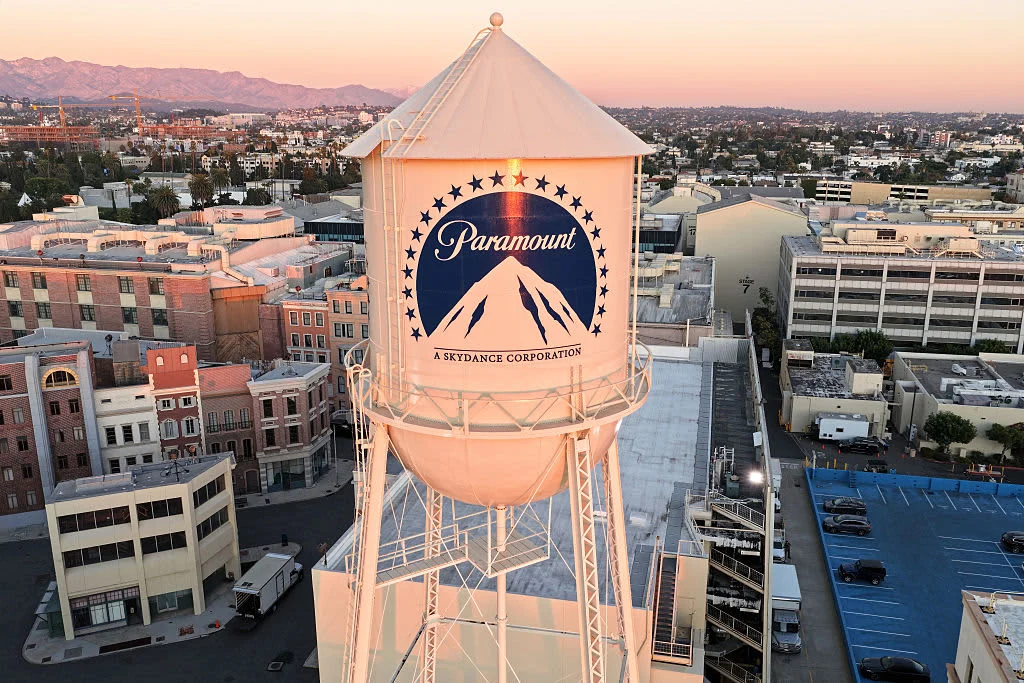
Warner Bros. Discovery announced on Tuesday that it will officially reopen negotiations with Paramount Skydance under a strictly defined seven-day waiver granted by Netflix, marking a pivotal turn in the high-stakes battle for one of Hollywood’s most storied media empires. This strategic window, which is set to expire on February 23, 2026, allows Warner Bros. Discovery (WBD) to address what it describes as "unresolved deficiencies" in Paramount Skydance’s hostile bid and provides an opportunity for the latter to submit its "best and final offer" to WBD stockholders. The move comes as WBD continues to navigate a complex dual-track process involving a pending merger agreement with Netflix for its studio and streaming assets and a persistent, aggressive pursuit by Paramount Skydance (PSKY) for the entirety of the company.
The Seven-Day Strategic Window
The decision to re-engage with Paramount Skydance follows weeks of public sparring and market uncertainty. Under the terms of the existing merger agreement between WBD and Netflix, WBD was largely restricted from engaging with rival suitors. However, Netflix has provided a limited waiver to permit these discussions, a move intended to clear the "fog of confusion" that has surrounded the competing bids. WBD management stated that the goal of this seven-day period is to seek clarity for its shareholders and determine if PSKY can provide a proposal that is not only superior in value but also "actionable and binding."
During this timeframe, WBD leadership will focus on specific technical and financial hurdles that have thus far prevented the board from pivoting away from the Netflix deal. These include the certainty of financing, the structure of the all-cash offer, and the long-term regulatory viability of the PSKY proposal. WBD CEO David Zaslav emphasized that the company’s focus remains on maximizing shareholder value, noting that while the board currently recommends the Netflix transaction, it is duty-bound to explore whether PSKY can indeed deliver on its promises.
A High-Stakes Bidding War: Netflix vs. Paramount Skydance
The contest for Warner Bros. Discovery has evolved into a clash of business models and industry visions. Netflix’s current offer stands at $27.75 per share, an all-cash bid specifically targeting WBD’s streaming services and studio operations. This deal would effectively carve out the "crown jewels" of WBD—including the Max streaming platform and the Warner Bros. film and television studios—leaving the legacy linear television assets as a separate entity or under different management.
In contrast, Paramount Skydance, led by David Ellison and backed by a consortium of investors, has launched a hostile tender offer of $30 per share for the entire company. Unlike the Netflix deal, which is selective in its asset acquisition, the PSKY offer proposes a total consolidation of WBD with Paramount’s existing assets. Recent disclosures from WBD suggest that Paramount representatives have signaled a willingness to increase this offer to $31 per share should the talks prove constructive.
The hostile nature of the PSKY bid—bypassing the board to appeal directly to shareholders—has created significant tension. PSKY has argued that its offer provides a more straightforward exit for shareholders at a higher premium, while WBD and Netflix have characterized the PSKY approach as "antics" designed to disrupt a stable, pre-existing agreement.

Strategic Motivations and Market Context
The intensity of this bidding war underscores the rapid consolidation occurring within the media and entertainment sector. As traditional linear television revenues decline due to cord-cutting, scale has become the primary defense for legacy media companies. For Netflix, acquiring WBD’s massive library—which includes the DC Universe, Harry Potter, and HBO’s prestige dramas—would provide a content fortress to maintain its global dominance against rivals like Disney+ and Amazon Prime Video.
For Paramount Skydance, the acquisition of WBD represents a "transformational" opportunity to create a mega-studio capable of rivaling the largest players in the industry. By combining Paramount’s library and CBS assets with WBD’s portfolio, the resulting entity would hold an unprecedented share of the global box office and television syndication market. However, this level of concentration is exactly what has drawn the attention of regulators.
Regulatory Hurdles and Foreign Investment Concerns
Regardless of which suitor prevails, the path to a completed transaction is fraught with regulatory challenges. The Netflix-WBD deal faces scrutiny over its potential to reduce competition in the streaming market. Critics argue that merging two of the world’s largest streaming platforms could lead to higher subscription prices and reduced choices for consumers. Netflix, however, has maintained that the deal is necessary to preserve jobs and ensure the survival of high-quality content production in an increasingly volatile economic climate.
Paramount Skydance faces a different set of regulatory obstacles. Its bid is financed in part by sovereign wealth funds from Saudi Arabia, Abu Dhabi, and Qatar. While PSKY has stated that these entities would remain "passive investors" with no governance rights, the involvement of foreign state-owned capital in a major American media company is expected to trigger an intensive review by the Committee on Foreign Investment in the United States (CFIUS).
Netflix co-CEO Ted Sarandos has been vocal about these concerns, suggesting that European and American regulators will be skeptical of claims that Middle Eastern investors would remain purely passive. Furthermore, the combination of two major film studios (Warner Bros. and Paramount) and two massive portfolios of cable networks raises significant antitrust questions regarding market dominance in advertising and content distribution.
Timeline of the Merger Battle
The current standoff is the culmination of months of financial maneuvering:
- December 5, 2025: Warner Bros. Discovery and Netflix announce a definitive merger agreement for WBD’s streaming and studio businesses at $27.75 per share.
- December 8, 2025: Paramount Skydance launches a hostile tender offer directly to WBD shareholders at $30 per share, challenging the Netflix deal.
- January 20, 2026: Netflix reiterates its commitment to the deal during its Q4 earnings call, highlighting the "certainty" of its offer compared to the "hypothetical" nature of PSKY’s bid.
- February 10, 2026: Paramount "sweetens" its offer with additional enhancements but does not initially raise the $30 per share price.
- February 17, 2026: WBD announces the seven-day waiver from Netflix to reopen talks with PSKY, following indications that the bid could rise to $31 per share.
- March 20, 2026: The scheduled date for a special meeting of WBD shareholders to vote on the Netflix merger.
Leadership Perspectives and Official Statements
The rhetoric between the three parties has remained sharp. Netflix’s Ted Sarandos told CNBC that the waiver was a move to provide shareholders with "complete clarity and certainty," accusing Paramount of "flooding the zone with confusion." He expressed confidence that Netflix’s position remains superior due to its established relationship with global regulators and its lack of reliance on controversial foreign funding.

Paramount, while acknowledging the "unusual" nature of the WBD board’s recent actions, stated it is prepared to engage in "good faith" discussions. However, the company is not backing down from its hostile tactics, confirming that it will proceed with its tender offer and its plan to nominate a new slate of directors to the WBD board at the upcoming annual meeting. This "two-track" strategy—negotiating with the board while simultaneously trying to replace it—suggests that Paramount is prepared for a prolonged fight.
WBD CEO David Zaslav has attempted to strike a balance, maintaining the board’s recommendation for the Netflix deal while signaling an openness to the PSKY bid if the "deficiencies" are addressed. "Every step of the way, we have provided PSKY with clear direction on the deficiencies in their offers," Zaslav said. "We are engaging now to determine whether they can deliver an actionable, binding proposal."
Market Reaction and Financial Implications
Investors reacted positively to the news of reopened talks, viewing the seven-day window as a sign that a higher payout might be imminent. Shares of Warner Bros. Discovery rose nearly 3% following the announcement, while Paramount shares saw a 5% jump. Market analysts suggest that the $31 per share figure mentioned by WBD could become the new floor for negotiations.
An analyst note from Raymond James highlighted that Netflix still holds "matching rights," meaning that if Paramount Skydance submits a superior offer, Netflix has the opportunity to meet that price to maintain its merger agreement. This sets the stage for a potential bidding war that could drive the final price even higher, though it remains to be seen how much more Netflix is willing to pay for the WBD assets.
Broader Implications for the Media Landscape
The outcome of this battle will have profound implications for the future of Hollywood. A Netflix-WBD merger would signal the ultimate triumph of the streaming model, effectively absorbing one of the "Big Five" movie studios into the digital-first ecosystem. Conversely, a Paramount-WBD merger would represent a massive consolidation of traditional media power, creating a behemoth with significant leverage over cable providers and theater owners.
Furthermore, the involvement of Middle Eastern sovereign wealth funds in the PSKY bid highlights a growing trend of global capital seeking influence in American cultural institutions. The regulatory response to this funding will set a precedent for future cross-border deals in the media sector.
As the February 23 deadline approaches, the industry remains on high alert. The "best and final" offers expected this week will determine the trajectory of the March 20 shareholder vote and, ultimately, the fate of Warner Bros. Discovery. Whether the result is a strategic partnership with the world’s largest streamer or a massive consolidation with a fellow legacy studio, the map of the entertainment world is about to be permanently redrawn.