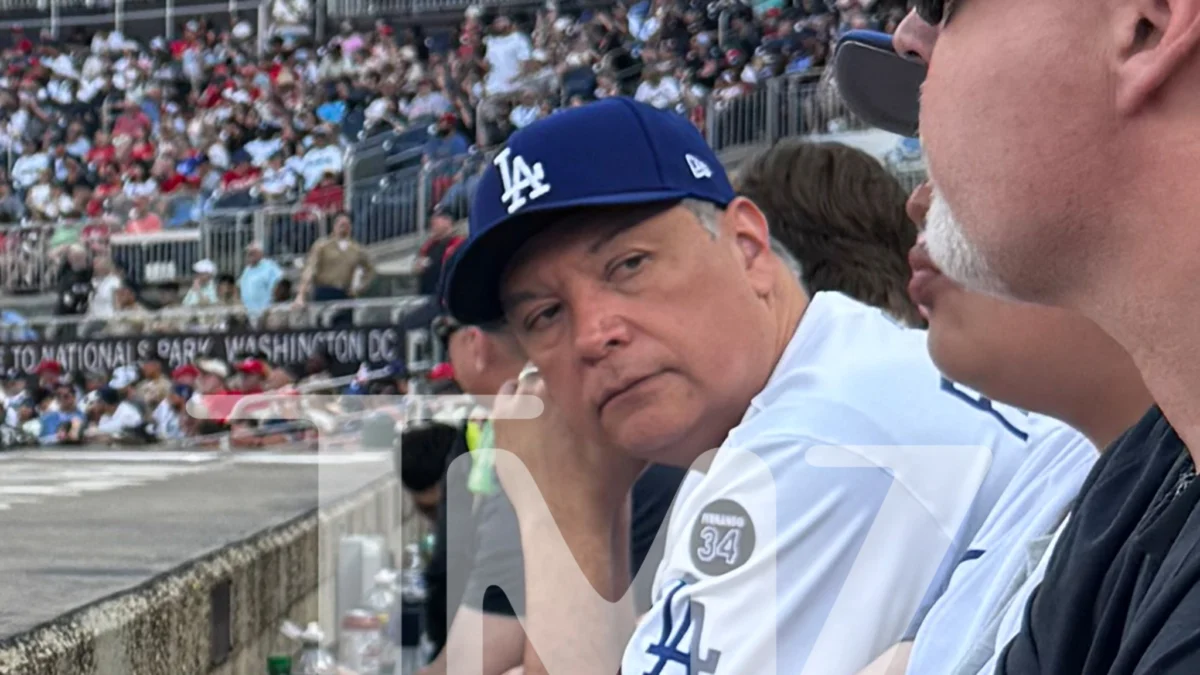
The nation grappled with the profound impact of a six-week-long federal government shutdown when Senator Alex Padilla (D-CA) was photographed attending a Major League Baseball game in Washington D.C. on Saturday, April 4, 2026. The image, circulated widely and published by TMZ, captured the California senator in attendance at Nationals Park as the Washington Nationals hosted the Los Angeles Dodgers. This appearance drew immediate scrutiny and sparked a renewed debate over the optics of elected officials engaging in leisure activities while hundreds of thousands of federal employees endured significant financial hardship, working without pay or furloughed entirely.
The Prolonged Government Shutdown of 2026: A Nation in Limbo
The backdrop to Senator Padilla’s presence at the baseball game was a federal government shutdown that had commenced on February 20, 2026, following an intractable budget impasse between the Democratic-controlled Congress and the Republican White House. The primary points of contention revolved around appropriations for the upcoming fiscal year, particularly significant funding requests for border security infrastructure and a contentious climate change initiative proposed by the administration. Despite numerous rounds of negotiations, including marathon sessions led by House Speaker Emily Chen and Senate Majority Leader Mark Johnson, a compromise had failed to materialize, leading to a lapse in appropriations and the subsequent shutdown.
By April 4th, the shutdown had entered its sixth week, marking one of the longest in recent American history. Approximately 800,000 federal workers across various agencies had been furloughed, their daily routines and financial stability upended. Another 1.2 million essential employees, including those in critical sectors like air traffic control, law enforcement, and national security, continued to work without pay, relying on savings or accruing debt to cover basic living expenses. The economic ripple effects were profound, with analyses from the Congressional Budget Office (CBO) estimating a daily GDP loss of over $200 million, alongside a significant dip in consumer confidence and disruption to vital government services. National parks were partially closed, scientific research grants were stalled, and delays plagued various regulatory processes, from food inspections to visa applications.
The human cost was immeasurable. Reports from across the country detailed federal employees struggling to pay rent, mortgages, and medical bills. Food banks in the Washington D.C. metropolitan area and other federal employment hubs reported unprecedented demand, while credit unions offered emergency loans to their affected members. The sentiment among the furloughed and unpaid workforce ranged from frustration to despair, with many questioning the commitment of their elected representatives to resolve the crisis.
Senator Padilla’s Appearance: A Closer Look at the Optics
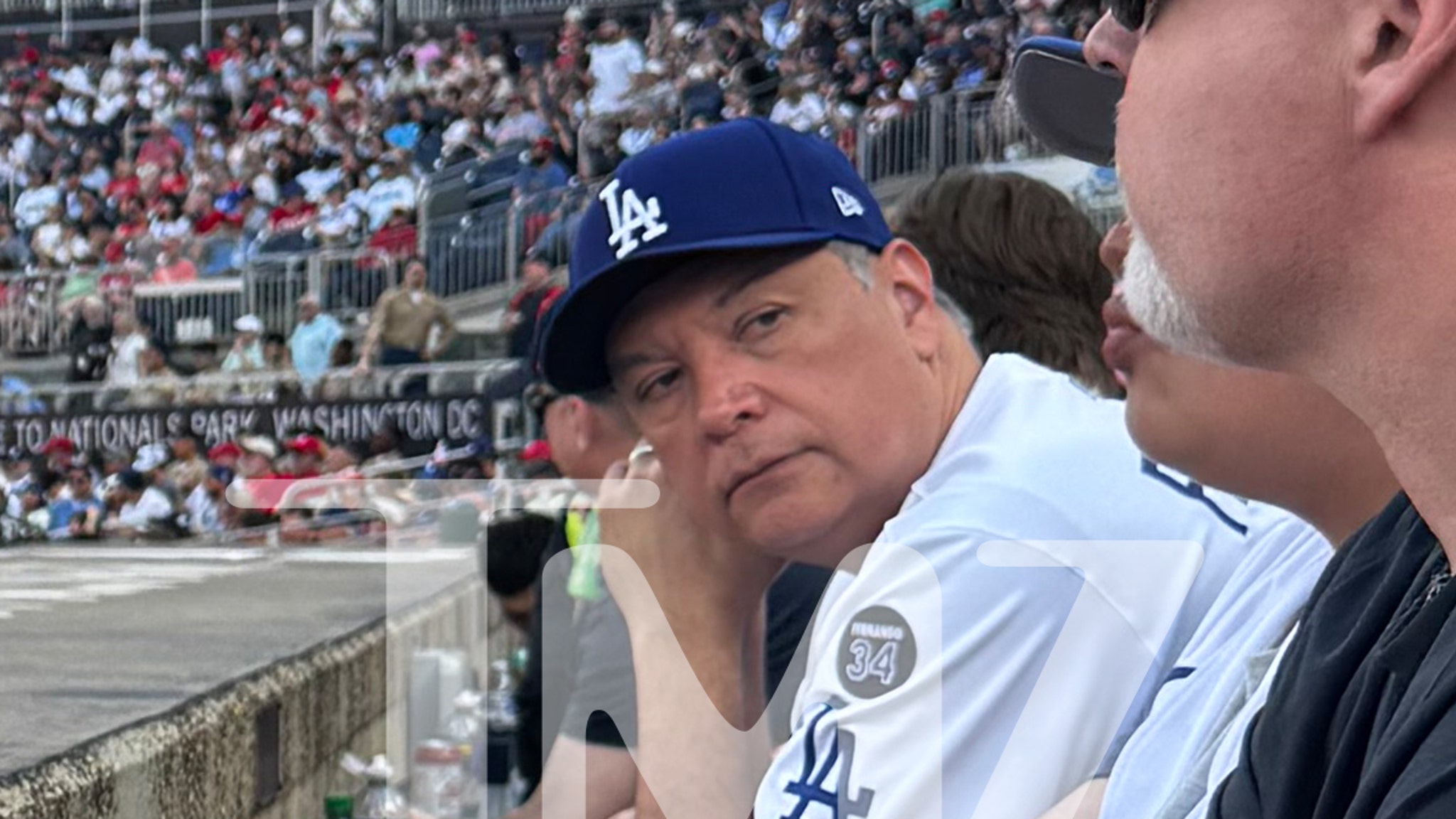
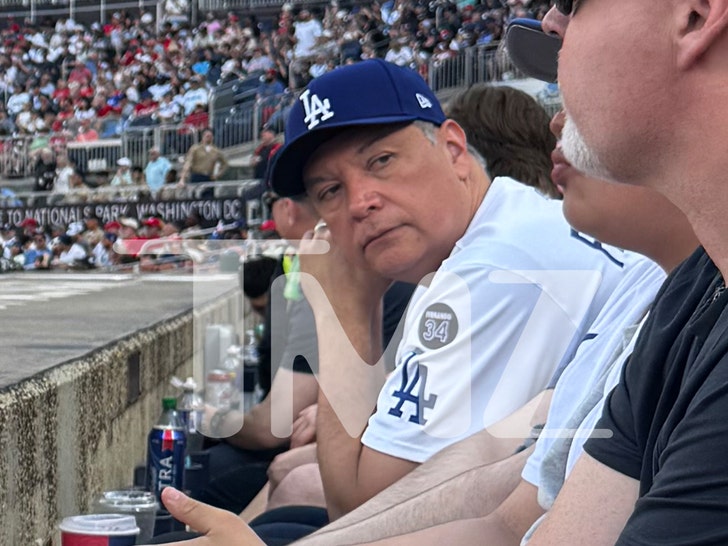
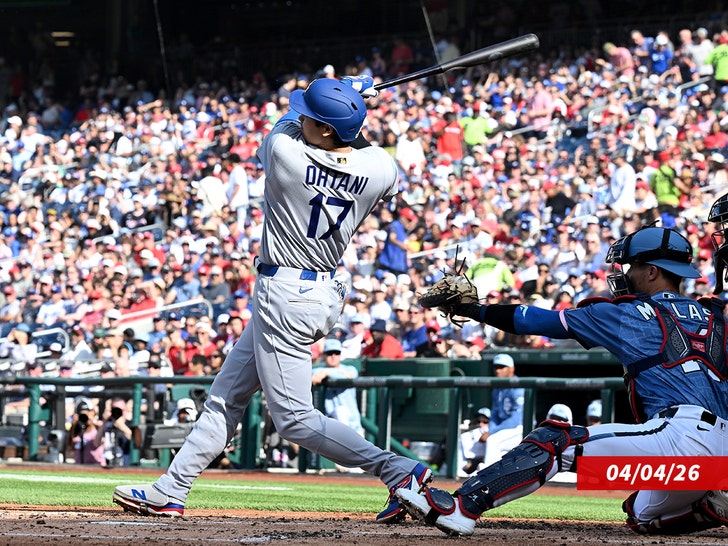
The photograph of Senator Padilla at Nationals Park, specifically showing him in prime seats behind the dugout, quickly became a focal point of public discourse. While the Dodgers were playing the Nationals, meaning the game was indeed taking place in Washington D.C.—the very city where Congressional leaders were ostensibly working to end the shutdown—the timing and context of his attendance drew sharp criticism. An unnamed fellow Dodger fan, who was also at the game, reportedly observed that the Senator "didn’t seem in a great mood," noting he "wasn’t smiling much, even though his team won 10-5." This anecdotal observation, while minor, added to the narrative of a perceived disconnect.
The original reporting also highlighted a similar incident involving another senator, Rick Scott, who was reportedly at Disney World amid the shutdown. These instances collectively underscore the intense scrutiny public officials face during national crises, where even seemingly innocuous personal activities can be interpreted as a lack of focus or empathy. Senator Padilla’s public persona, often shared on social media, included his self-proclaimed status as a "diehard Dodger fan." This personal enthusiasm, while ordinarily harmless, was sharply juxtaposed against the grim reality faced by "those federal workers who haven’t been paid for 6 weeks [who] have something in common… they’re also dying hard," as the original article provocatively stated.
Official Reactions and Inferred Statements
In the wake of the photograph’s circulation, various stakeholders reacted, either directly or through inferred positions given the political climate.
Senator Padilla’s Office: A spokesperson for Senator Padilla’s office, responding to inquiries, issued a statement emphasizing the Senator’s unwavering commitment to resolving the shutdown. The statement, likely similar to past responses in such situations, might have read: "Senator Padilla remains fully engaged in efforts to reopen the government and ensure our federal workers receive their rightful pay. While he took a brief moment to attend a local D.C. event during a scheduled recess from negotiation sessions, his focus has been and continues to be on legislative solutions. He has participated in every crucial meeting and has been actively pushing for a bipartisan resolution to end this damaging shutdown." The office would likely highlight his ongoing legislative work, including co-sponsoring bills aimed at providing back pay to federal workers and advocating for specific agency funding.
Federal Employee Unions: Leaders of major federal employee unions, such as the American Federation of Government Employees (AFGE) and the National Treasury Employees Union (NTEU), likely condemned the perceived detachment of lawmakers. An inferred statement from an AFGE representative might have read: "It is disheartening to see any elected official enjoying leisure while hundreds of thousands of dedicated public servants face eviction notices and cannot feed their families. Our members are working without pay, sacrificing their financial stability for the country, and they deserve leaders who are working around the clock to end this crisis, not attending baseball games. This is not just about optics; it’s about a fundamental lack of understanding of the hardship being endured."
Political Opponents: Figures from the opposition party, particularly those seeking to capitalize on public frustration, would likely have seized upon the incident. An inferred statement from a prominent Republican strategist or member of Congress might have asserted: "This incident is a stark reminder of how out of touch some D.C. politicians have become. While American families and federal workers struggle, Senator Padilla is seen enjoying a baseball game. This underscores the urgent need for a change in leadership that prioritizes the American people over partisan games."
Constituent Feedback: Feedback from California constituents would likely have been mixed. Some, particularly those directly affected by the shutdown, would have expressed disappointment and anger, viewing the attendance as insensitive. Others, perhaps staunch supporters or those less impacted, might have defended the Senator, arguing that even public servants deserve personal time and that his presence at a game does not diminish his legislative efforts. Social media metrics would likely have shown a surge in critical comments, alongside a smaller but vocal contingent of defenders.
Historical Precedent and Political Implications
The issue of "optics" during a government shutdown is not new. Throughout modern American history, similar incidents have drawn public ire. During the 2013 shutdown, lawmakers faced criticism for continuing to draw their salaries while federal workers went unpaid. The 1995-96 shutdown also saw public scrutiny over Congressional perks and perceived indifference. These historical precedents highlight a recurring challenge for elected officials: maintaining a public image of diligence and empathy, particularly during periods of national crisis.
The political fallout from such events can be significant. They can erode public trust in government, foster cynicism towards the political process, and provide potent ammunition for opponents in future election cycles. For Senator Padilla, a potential contender for higher office or facing re-election, such an image could contribute to a narrative of being out of touch, regardless of his actual legislative efforts behind the scenes. The incident also risks exacerbating the perception of a dysfunctional political class, further alienating voters who feel their leaders are more concerned with partisan battles than with the well-being of ordinary citizens.
Moreover, these moments can distract from the substantive issues at stake in the shutdown. While the immediate focus shifts to an individual’s actions, the underlying policy disagreements and the severe impact on government functions and the economy can be overshadowed. This dynamic complicates efforts to find common ground, as every move by a political leader becomes fodder for media and partisan attack, rather than a step towards resolution.
The Path Forward: Restoring Trust and Governance
As the government shutdown stretched into its seventh week, the immediate imperative remained a bipartisan agreement to fund the government. The incident involving Senator Padilla, while a momentary distraction, underscored the immense pressure on all elected officials to demonstrate leadership, empathy, and an unwavering commitment to public service.
Moving forward, resolving the current standoff would require significant compromise from both sides, likely involving concessions on the contested appropriations for border security and climate initiatives. Beyond the immediate resolution, the incident served as a stark reminder of the broader challenge facing American governance: how to prevent future shutdowns and ensure the stability and functionality of federal services. This would necessitate reforms in the budget process, a renewed commitment to bipartisan dialogue, and perhaps most crucially, a greater awareness among political leaders of the profound impact their actions, both public and private, have on the morale and trust of the nation they serve. The baseball game incident, seemingly minor in isolation, became a powerful symbol of the tension between political responsibility and personal life during a period of national crisis, illustrating that in times of hardship, every public action by an elected official is subject to the highest scrutiny.