The Genesis of the Incident: A Viral Social Media Post
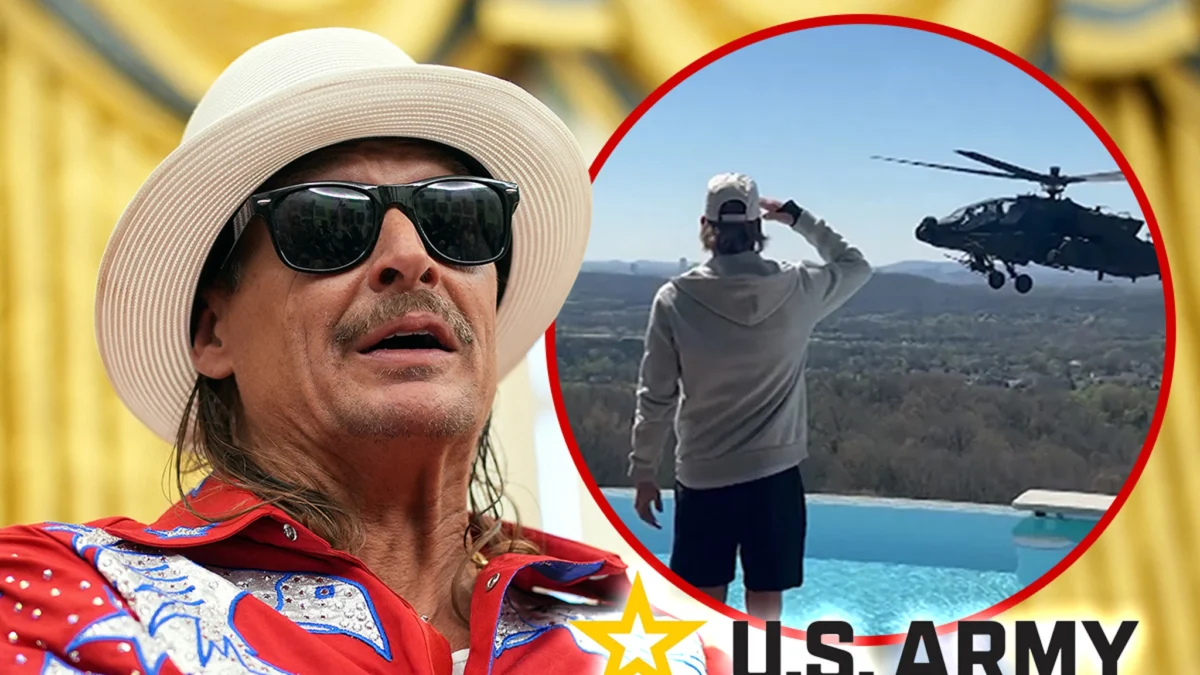
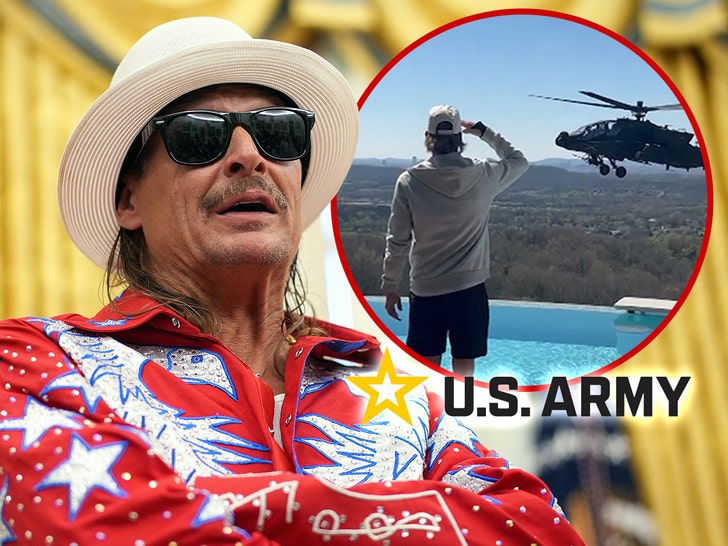
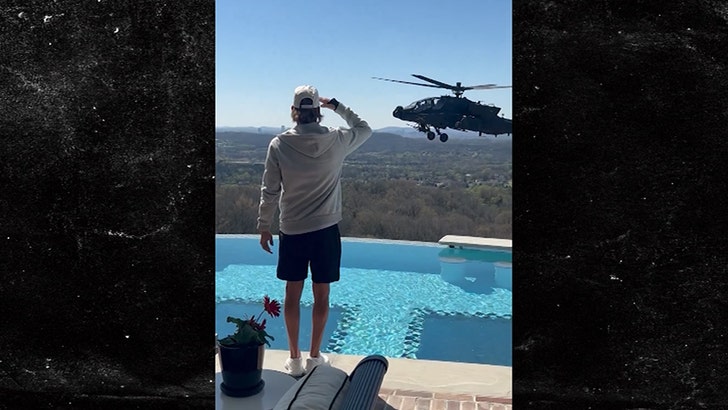
The controversy erupted over the weekend when Kid Rock, whose real name is Robert James Ritchie, posted a video on his social media platforms, including X (formerly Twitter), showcasing two formidable AH-64 Apache attack helicopters performing a low-altitude maneuver directly over his sprawling Nashville estate. The video, timestamped Saturday, March 29, 2026, quickly went viral, drawing millions of views and igniting a firestorm of discussion across various online communities. One of the helicopters was captured hovering remarkably close to the musician’s property, a sight that, while impressive to some, immediately raised questions about its legality and appropriateness.
Kid Rock’s accompanying caption further fueled the debate, injecting a political dimension into what might otherwise have been viewed as a simple, albeit questionable, display. He wrote, "This is a level of respect that s**t for brains Governor of California will never know. God Bless America and all those who have made the ultimate sacrifice to defend her." This statement, characteristic of Kid Rock’s outspoken and often provocative public persona, explicitly linked the military flyby to a political endorsement and a perceived slight against a public official, further complicating the narrative for military authorities. The musician is well-known for his staunch conservative views and his vocal support for figures like former President Donald Trump, often incorporating these political leanings into his public appearances and social media activity. His Nashville residence itself, a 27,000-square-foot mansion reportedly patterned after the White House, serves as another testament to his distinctive public image and nationalistic sentiments.
U.S. Army’s Prompt Investigation and Disciplinary Action
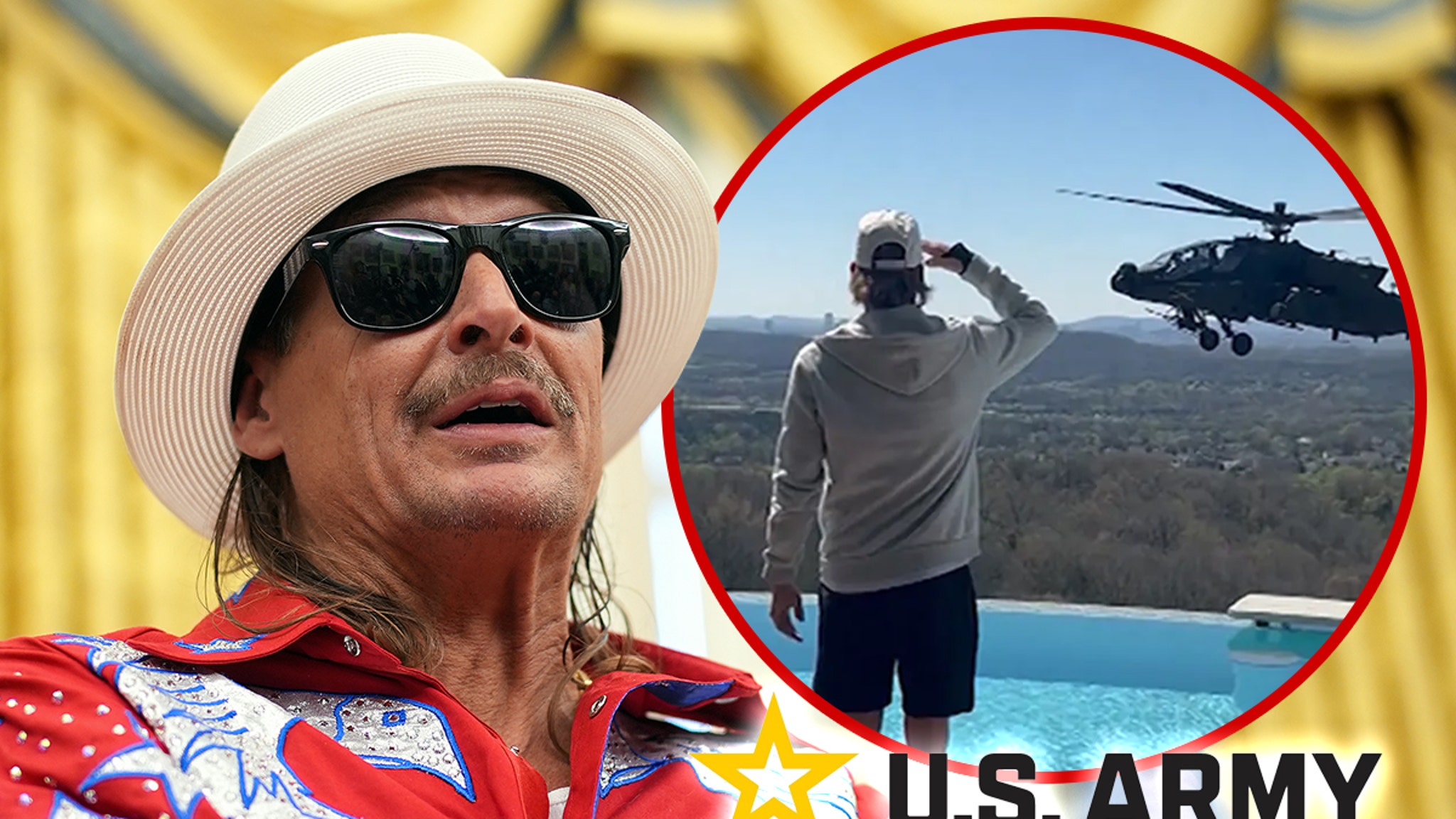
The U.S. Army’s response to the incident was both rapid and decisive. On Monday, March 30, 2026, the military branch announced that it had initiated a formal inquiry into the circumstances surrounding the unauthorized flyover. This announcement signaled the Army’s immediate recognition of the potential breach of regulations and the seriousness with which such matters are treated. Just one day later, on Tuesday, the "hammer reportedly came down," as described by media outlets, with the decision to suspend the aircrew.
The helicopters involved in the stunt were identified as belonging to the 101st Airborne Division, based out of Fort Campbell, a major U.S. Army installation straddling the Tennessee-Kentucky border. This division, renowned for its air assault capabilities and rapid deployment, operates a significant fleet of these advanced attack helicopters. The grounding of the aircrew implies an immediate cessation of their flight duties, pending further investigation and potential administrative or punitive actions. This initial disciplinary step is often a precursor to a more comprehensive review of the incident, which could lead to various outcomes ranging from formal reprimands and retraining to more severe consequences impacting their military careers, such as loss of rank or even separation from service, depending on the findings of the full inquiry.
Understanding Military Flight Regulations and Asset Misuse
Military flight operations are governed by an intricate web of regulations designed to ensure safety, operational effectiveness, and the responsible use of taxpayer-funded assets. Unauthorized low-altitude flights over civilian areas, particularly private property, are strictly prohibited unless specifically approved for training, emergency response, or sanctioned public events. These regulations exist for several critical reasons:
- Safety: Low-altitude flying over populated areas inherently carries increased risks of accidents, property damage, and potential harm to civilians. Military aircraft, especially attack helicopters like the AH-64 Apache, are powerful machines whose operation demands significant airspace and clear safety parameters.
- Noise Pollution and Disturbance: Unnecessary low-altitude flights can cause significant noise disturbance to residents, disrupting daily life and potentially causing distress.
- Unauthorized Use of Government Assets: Military aircraft, fuel, and personnel are government resources allocated for specific missions related to national defense and approved training. Using these assets for personal favors, public stunts, or unsanctioned displays constitutes a misuse of government property and a breach of public trust.
- Maintaining Public Confidence: The military relies heavily on public trust and support. Unauthorized stunts or perceived abuses of power can erode this trust, leading to criticism and calls for accountability.
The U.S. Army’s swift action in this case underscores its commitment to upholding these stringent protocols. While the full scope of the investigation’s findings and the ultimate fate of the aircrew remain subject to ongoing processes, the immediate grounding sends a clear message about the seriousness with which such deviations from standard operating procedures are treated. Military authorities typically treat unauthorized displays of this nature with extreme seriousness, often leading to significant career repercussions for those involved.
Implications of the Grounding for Service Members and the Military
Being "grounded" is a severe initial consequence for any flight-qualified military personnel. It means an immediate suspension from all flying duties, which is central to an aviator’s career. Beyond the immediate loss of flight privileges, which often entails a reduction in specialized flight pay, the grounding triggers a deeper review process. This process typically involves:
- Further Investigation: A more thorough examination of the incident, potentially including interviews with the aircrew, witnesses, and a review of flight data recorders and mission planning documents.
- Administrative Actions: Depending on the findings, the aircrew could face a range of administrative actions, such as formal reprimands, mandatory retraining, or adverse fitness reports that can negatively impact promotions and future assignments.
- Punitive Actions: In cases of severe negligence, willful misconduct, or violation of the Uniform Code of Military Justice (UCMJ), more severe punitive actions, including non-judicial punishment (Article 15) or even court-martial, could be considered, though this is typically reserved for the most egregious offenses.
- Career Impact: Even if no formal charges are brought, a grounding incident can significantly tarnish a service member’s record, potentially limiting their career progression, especially in highly competitive aviation fields. Re-qualification processes are often rigorous and may require demonstrating a renewed commitment to safety and regulatory compliance.
For the 101st Airborne Division, an incident of this nature, while perhaps not indicative of broader systemic issues, necessitates an internal review to reinforce discipline and ensure all personnel understand the gravity of their responsibilities. It also presents an opportunity for leadership to reiterate the importance of professional conduct and adherence to established protocols, especially in an era where social media can instantly amplify any misstep.
Broader Context: Social Media, Celebrity Culture, and Military Professionalism
The Kid Rock helicopter incident highlights the increasing challenges faced by military organizations in navigating the intersection of social media, celebrity culture, and military professionalism. In an age where nearly everyone carries a camera and has access to global communication platforms, incidents that might once have gone unnoticed or remained confined to internal channels can now explode into public view within minutes. This immediacy places added pressure on military leadership to respond transparently and decisively to maintain public trust and uphold institutional standards.
For service members, the pervasive nature of social media blurs the lines between their professional duties and personal lives. While expressing patriotism or pride in their work is encouraged, engaging in unauthorized activities, particularly those that could be perceived as endorsing political figures or using military assets for personal gain or display, carries significant risks. The military consistently emphasizes that service members represent their nation and their branch 24/7, and their actions, even those seemingly outside official duties, reflect upon the entire institution.
The incident also sparks broader discussions about the boundaries of celebrity interactions with the military. While collaborations and public relations events are common and often beneficial for both parties, they must be conducted within strict regulatory frameworks. Unauthorized displays, regardless of intent, undermine the disciplined and apolitical nature that the military strives to embody.
In conclusion, the grounding of the U.S. Army aircrew following the unauthorized flyby at Kid Rock’s Nashville home serves as a stark reminder of the rigorous standards of conduct and operational protocols expected of military personnel. The Army’s swift and decisive action underscores its commitment to accountability, safety, and the responsible use of government resources. As the full investigation unfolds, this incident will likely be used as a case study within military training to reinforce the critical importance of adhering to regulations, maintaining professionalism, and understanding the far-reaching implications of actions in the highly scrutinized public sphere.