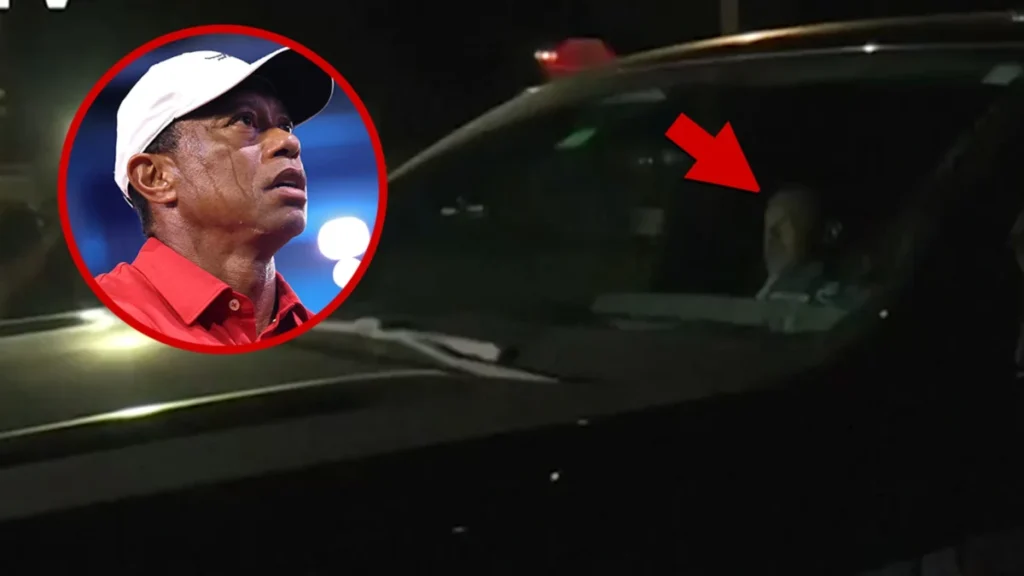



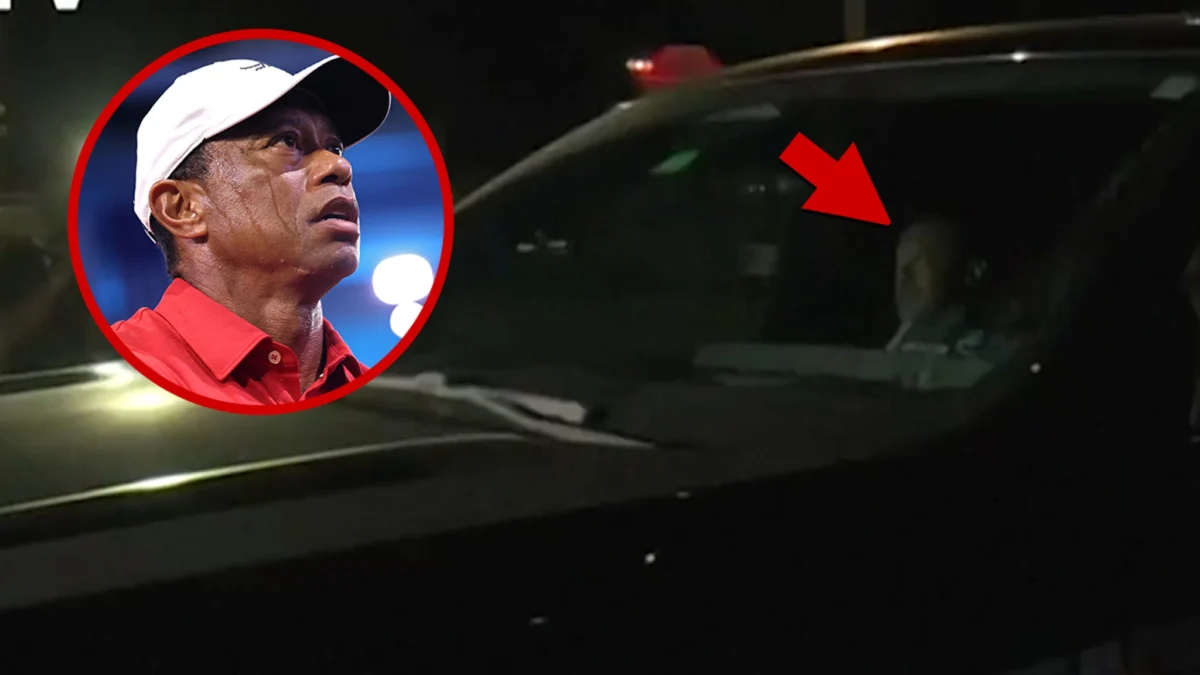
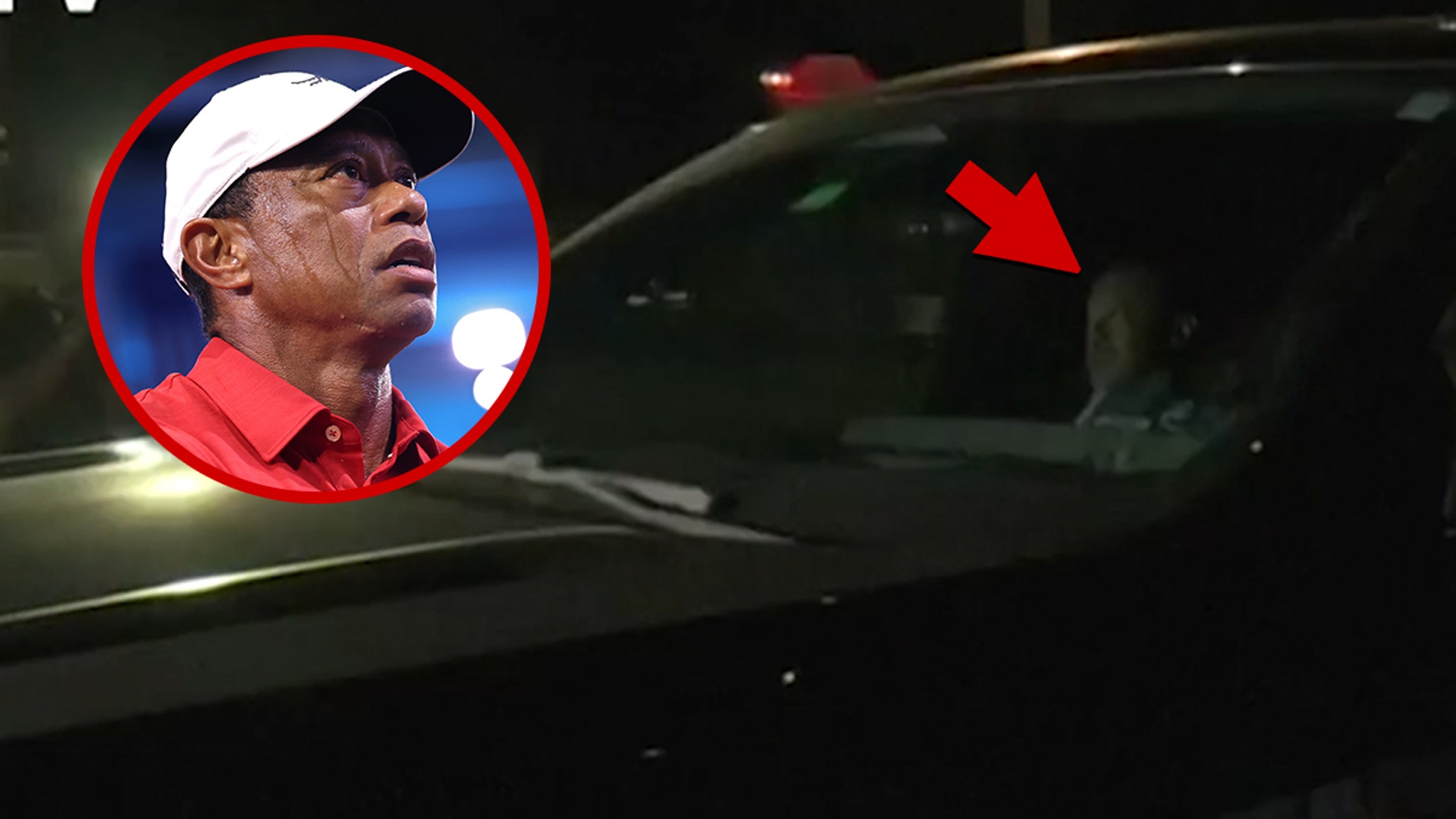
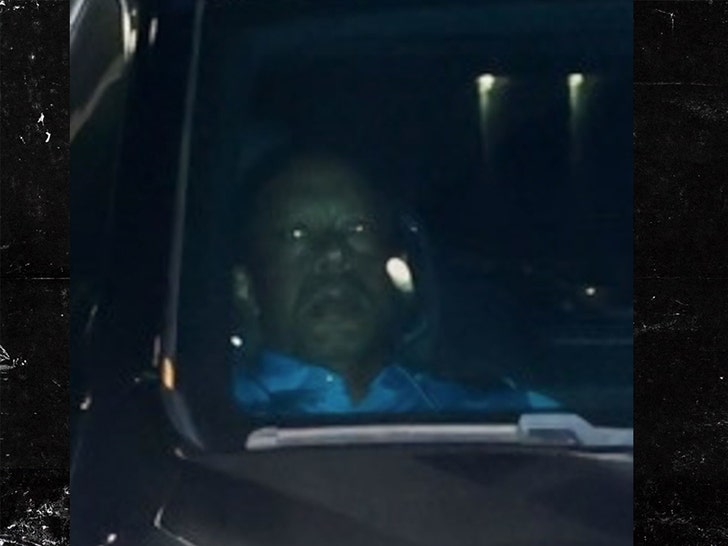
Golf icon Tiger Woods was released from the Martin County Jail late Friday night, hours after he was involved in a single-vehicle rollover crash and subsequently arrested on suspicion of driving under the influence (DUI) in Jupiter, Florida. The incident marks another significant personal setback for the celebrated athlete, whose career has been punctuated by both unparalleled triumphs and highly publicized challenges off the course. Woods, 50, departed the facility in Stuart, Florida, shortly after 11:00 PM ET, reportedly attempting to evade the throng of media personnel who had gathered in anticipation of his release. Photos obtained by various media outlets, including TMZ Sports, depicted the golfer in the passenger seat of a Cadillac Escalade, his demeanor visibly subdued following the day’s dramatic events.
A Chronology of Friday’s Events
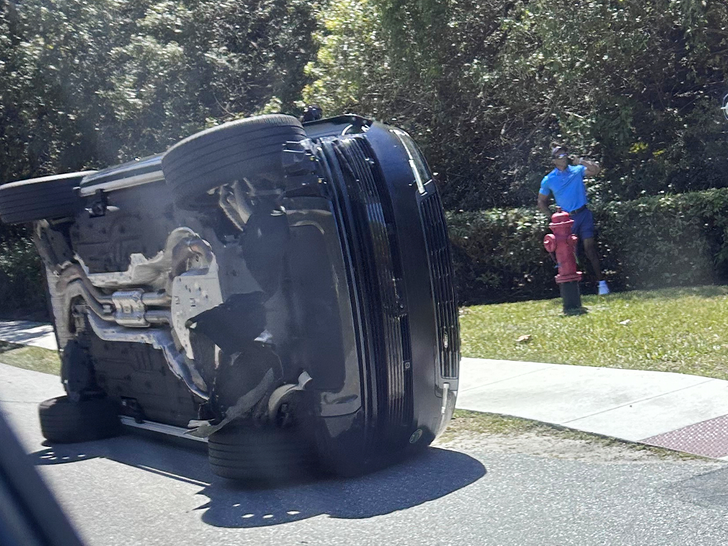
The sequence of events that led to Woods’ arrest began earlier on Friday, March 27, 2026, around 2:00 PM local time. According to preliminary reports from the Martin County Sheriff’s Department, Woods was operating his black luxury Range Rover on a two-lane road in Jupiter, Florida. Authorities allege that he was traveling at a high rate of speed when his vehicle clipped the rear of a pickup truck that was hauling a trailer. The impact caused Woods’ SUV to veer off the roadway, culminating in a violent rollover, leaving the vehicle on its side and sustaining significant damage.
Emergency services and law enforcement quickly responded to the scene of the crash. Upon their arrival, officers observed the extent of the vehicle damage and Woods’ condition. Given the circumstances of the accident and the observations made at the scene, law enforcement officers suspected that the 15-time major champion might be impaired. This suspicion prompted them to initiate a standard DUI investigation protocol.
On-Site Assessment and Arrest
As part of the investigation, Woods was subjected to a battery of field sobriety tests at the scene of the accident. These tests, designed to assess an individual’s motor skills, balance, and cognitive function, are standard procedures used by law enforcement to determine if a driver’s normal faculties are impaired. Common tests include the Horizontal Gaze Nystagmus (HGN), the Walk-and-Turn, and the One-Leg Stand. According to the Sheriff’s Department, Woods "flunked" these tests, failing to perform them to the satisfaction of the officers present. Based on the totality of the circumstances – the nature of the crash, the observations of impairment, and the results of the field sobriety tests – Woods was formally taken into custody on suspicion of driving under the influence. He was then transported to the Martin County Jail for booking and further processing.
Processing at Martin County Jail and Legal Refusal
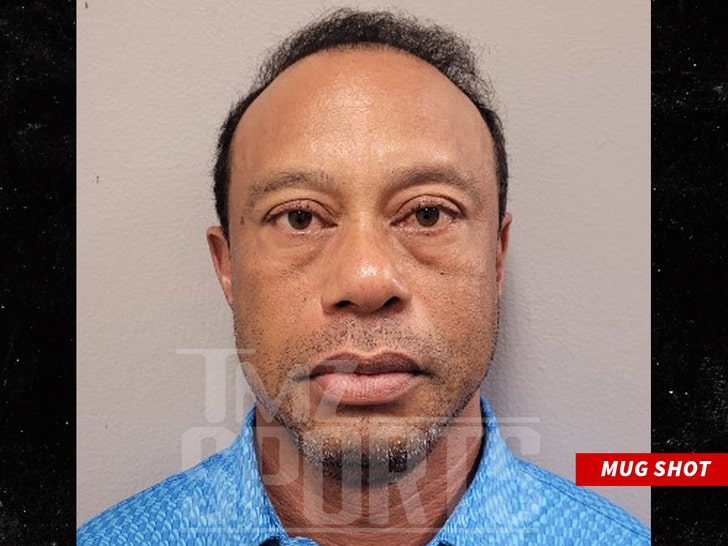
Upon arrival at the detention facility, Woods underwent the standard booking procedures, which typically include fingerprinting, photographing (resulting in a mugshot that was later widely circulated), and formal charging. A critical juncture in the process involved the administration of chemical tests. Woods was asked to take a breathalyzer test, which measures blood alcohol content (BAC). Remarkably, the results of this test indicated a BAC of 0.00, meaning there was no alcohol detected in his system.
However, the investigation did not conclude there. Given the observed signs of impairment and the absence of alcohol, deputies then requested that Woods provide a urine sample. This request is standard practice in cases where alcohol is ruled out but impairment from other substances, such as prescription medication or illicit drugs, is suspected. Under Florida law, refusing to submit to a lawful chemical test (including blood or urine tests, if alcohol is not detected) carries significant legal consequences. Woods, however, refused to provide the urine sample. This refusal led to an additional charge against him.
Ultimately, Tiger Woods was booked on multiple charges: driving under the influence (DUI), property damage, and failing to submit to a lawful test. Due to his high public profile and for his own safety, officials reportedly kept Woods separated from other inmates during his brief incarceration. His release was secured several hours later, concluding a tumultuous day for the golf legend.
Legal Ramifications and Florida DUI Law
The charges faced by Woods carry substantial legal weight, particularly in Florida, which has stringent DUI laws. The charge of DUI, even without alcohol, can be sustained if a driver is found to be impaired by any chemical substance to the extent that their normal faculties are impaired. This includes prescription medications, over-the-counter drugs, or illicit substances. The 0.00 breathalyzer reading, while ruling out alcohol, actually intensifies the focus on other potential impairing agents.
The refusal to submit to a lawful test, specifically the urine sample in this case, is a critical component of the charges. In Florida, refusing a chemical test after a DUI arrest results in an automatic suspension of the driver’s license for a minimum of one year for a first refusal. For a second or subsequent refusal, the suspension period is extended, and it can become a criminal offense. This refusal can also be used as evidence against the defendant in court, implying consciousness of guilt or an attempt to conceal impairment.
Given this is not Woods’ first encounter with DUI charges, the potential penalties are amplified. A second DUI conviction in Florida, even if it’s a "wet reckless" plea or a similar lesser charge from a previous incident, can lead to increased fines, a longer period of license suspension (potentially five years), mandatory installation of an ignition interlock device on any vehicle operated by the individual, and even potential jail time, community service, and substance abuse treatment programs. The property damage charge, depending on the extent of the damage, could also add to the financial and legal burdens. The legal process for Woods will likely involve an arraignment, followed by further court appearances as his legal team navigates the complexities of the charges.
A History of Driving Incidents and Public Scrutiny
This latest incident casts a long shadow, not only over Woods’ current public image but also his past. It is not the first time the golf icon has faced charges related to driving under the influence. In May 2017, Woods was arrested in Jupiter, Florida, after being found asleep at the wheel of his Mercedes-Benz, which was stopped partially in a bike lane with the engine running. At that time, Woods also blew a 0.00 on a breathalyzer. He later stated that he had an unexpected reaction to prescribed medications following back surgery. He subsequently pleaded guilty to a lesser charge of reckless driving and entered a first-time DUI offender program, which included probation, community service, and mandatory attendance at DUI workshops. That incident, while resolved, served as a stark reminder of the personal challenges Woods had been facing.
Furthermore, any incident involving Tiger Woods and a vehicle crash inevitably brings to mind the infamous Thanksgiving 2009 incident. While not a DUI, that crash outside his then-Florida home led to a cascade of revelations about his personal life, ultimately resulting in a massive scandal, the loss of numerous endorsements, and a significant, albeit temporary, hiatus from professional golf. These past events underscore the intense public and media scrutiny that follows Woods, particularly concerning his well-being and any perceived deviation from his public persona. His struggles with chronic back and leg injuries, which have necessitated multiple surgeries and prolonged recovery periods, have been well-documented. These physical challenges often involve the management of pain, which can sometimes lead to reliance on prescribed medications, a factor that has been implicated in his previous driving incident.
Public Reaction and Media Scrutiny
The scenes outside the Martin County Jail on Friday night, with media camped out and Woods attempting to avoid their lenses, are emblematic of the enduring public fascination with his life. Despite his periods away from the sport due to injury and personal issues, Woods remains one of the most recognizable and influential figures in sports history. News of his arrest quickly dominated headlines and social media, prompting a mixture of concern, disappointment, and speculation among fans and commentators alike. The incident reignites questions about his personal struggles and the pressures that come with being a global icon.
Silence from Woods’ Camp and The Road Ahead
As of Saturday morning, neither Tiger Woods nor his official representatives had issued a statement addressing Friday’s arrest or the circumstances surrounding the crash. This silence is often a strategic legal maneuver, allowing time for legal counsel to gather facts, assess the situation, and formulate an appropriate response. It is anticipated that a statement will be released in due course, likely offering an explanation for the incident and outlining the next steps.
For Woods, the path forward will involve navigating a complex legal process while simultaneously managing the public fallout. The incident poses significant questions about his physical and mental health, his commitment to his recovery, and his future in professional golf. While he has demonstrated remarkable resilience throughout his career, returning from injury and personal crises to compete at the highest level, each new challenge adds to the weight of public expectation and scrutiny.
The legal proceedings will unfold in the coming weeks and months, and the consequences could range from fines and probation to more severe penalties, depending on the outcome. Beyond the legal ramifications, the incident will undoubtedly have an impact on his carefully rebuilt public image and potentially on his remaining endorsement deals. For a man who has spent decades in the relentless glare of the public eye, this latest event serves as a stark reminder that even the most accomplished individuals are not immune to personal struggles and the legal consequences that follow. The golf world and the broader public will be watching closely as Tiger Woods once again confronts challenges away from the greens.