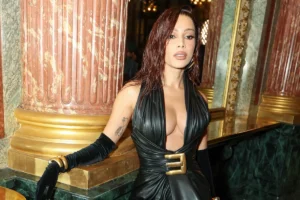



On March 26, 2026, Lalisa Manobal, globally recognized as Lisa, a prominent member of the South Korean girl group BLACKPINK, sparked an extensive online discussion after sharing a series of personal photographs on her social media platforms. The images, which quickly garnered millions of interactions, featured the artist in a candid and confident display, prompting a wide array of reactions from her immense global fanbase and the broader public. While the specific details of the images have been a subject of widespread media speculation, the general sentiment revolves around Lisa’s assertive presentation of her personal style and physique, contributing to an ongoing dialogue about celebrity autonomy, body positivity, and the evolving landscape of K-pop idol imagery in the digital age.
A Glimpse into Personal Expression
The digital release, timestamped March 26, 2026, at approximately 11:49 AM PDT, swiftly became a dominant topic across various social media channels, particularly on Instagram, where Lisa commands an astronomical following. The photographs reportedly showcased Lisa in a relaxed, sun-drenched setting, exuding an air of confidence and self-assurance. The imagery, interpreted by many as a powerful statement of personal freedom and self-expression, quickly translated into trending hashtags and countless shares, illustrating the potent influence Lisa wields as a cultural icon. The post did not feature explicit promotional content for a new project, suggesting it was a personal update, which often resonates more deeply with fans seeking authentic glimpses into their idols’ lives. This direct, unfiltered interaction contrasts with the more curated, often brand-driven content that typically defines celebrity social media presence, further amplifying its impact.
The Global Phenomenon: Lisa’s Unparalleled Influence
Lisa Manobal’s trajectory from a trainee to an undisputed global superstar is a testament to her multifaceted talent and magnetic charisma. As the main dancer, lead rapper, and sub-vocalist of BLACKPINK, she has been instrumental in the group’s unprecedented success, which has shattered numerous records and established K-pop as a dominant force in the global music industry. Beyond her group activities, Lisa has cultivated a formidable solo career, marked by the release of her single album "LALISA" in 2021. Its lead single, "LALISA," and the B-side track "MONEY," achieved massive commercial success worldwide. "MONEY" notably broke records on global streaming platforms, showcasing her individual prowess and expanding her reach beyond traditional K-pop markets. Her ability to seamlessly blend rapping, dancing, and singing, coupled with her striking visual presence and fashion-forward sensibilities, has cemented her status as a style icon and a powerful influencer for luxury brands such as Celine and Bulgari. This extensive background provides crucial context for understanding the magnitude of any personal revelation from an artist of her caliber; her actions are not merely personal but are magnified through the lens of global celebrity.
Navigating the Digital Landscape: K-pop and Social Media
The K-pop industry is renowned for its meticulously crafted idol images, often characterized by strict management protocols and carefully curated public personas. Historically, agencies have maintained significant control over their artists’ appearances, statements, and even personal lives, aiming to protect their marketability and appeal to a broad, often young, audience. However, the advent of social media has gradually empowered idols with direct channels to their fans, allowing for more spontaneous and personal interactions. This shift has led to a fascinating dynamic where artists increasingly navigate the fine line between agency expectations and their desire for individual expression. Lisa’s recent post exemplifies this evolving paradigm. In an era where authenticity is highly valued by younger demographics, artists who demonstrate genuine self-expression often forge stronger connections with their audience, even if it occasionally pushes against traditional industry norms. This delicate balance is a constant negotiation in the modern K-pop landscape, where social media engagement is paramount to maintaining relevance and fostering a loyal fanbase.
The Chronology of a Viral Moment
The dissemination of Lisa’s photographs followed a predictable, yet explosive, digital trajectory.
- March 26, 2026, 11:49 AM PDT: Lisa posts the images on her official Instagram account.
- Within 30 minutes: The post garners several million likes and hundreds of thousands of comments, quickly trending globally on platforms like Twitter and Weibo. Fan accounts and media outlets begin to repost and analyze the content.
- Within 2 hours: #Lisa and related hashtags dominate global trending lists. Discussions proliferate across fan forums and online communities, analyzing her pose, outfit, and the broader message conveyed.
- Throughout the day: Major entertainment news outlets, referencing the burgeoning social media engagement, publish articles highlighting the viral nature of the post and the ensuing fan reactions. Cultural commentators begin to weigh in on the implications for celebrity image and industry trends.
- Subsequent Days: The images continue to be a subject of discussion, fueling fan art, memes, and deeper analyses of Lisa’s evolving public persona and its impact on the K-pop industry’s conservative leanings. The sustained engagement underscores the profound influence of a single social media update from a top-tier celebrity.
Fan Engagement and Public Discourse
The reaction from Lisa’s fanbase, known as BLINKS, was overwhelmingly positive, characterized by fervent support and admiration for her confidence. Comments flooded her post and related discussions, praising her for embracing her individuality and challenging conventional beauty standards. Many fans lauded her for embodying self-love and empowering others to feel comfortable in their own skin. Phrases like "Queen behavior," "Unapologetically Lisa," and "Confidence personified" were prevalent across social media.
However, as is common with any high-profile celebrity action, the post also ignited broader discussions and, in some corners, drew more conservative critiques. While significantly fewer in number, some online users questioned the appropriateness of the imagery within the traditional, often more modest, framework of K-pop idol presentation. This dichotomy highlights the ongoing cultural negotiation surrounding celebrity expression, particularly for female artists in industries with strong fan engagement. Despite these varied perspectives, the dominant narrative remained one of appreciation for Lisa’s perceived authenticity and strength. The incident served as a powerful reminder of the intricate relationship between celebrity, personal expression, and public perception in the digital age, where every post can become a global talking point.
Challenging Traditional Norms: Celebrity Autonomy in K-pop
Lisa’s decision to share such personal and bold imagery contributes to a growing trend within the K-pop industry where artists are increasingly asserting greater control over their public narratives. For decades, K-pop idols operated under stringent contracts and managed public images, often designed to appeal to the widest possible audience by minimizing perceived risks. This frequently meant adhering to specific aesthetic and behavioral norms that might limit personal expression. However, as the industry has globalized and artists gain more leverage, there’s a palpable shift towards greater autonomy. Figures like Lisa, with their immense international popularity, possess the cultural capital to push boundaries. Her post can be seen as an intentional or unintentional act that challenges the traditional conservative expectations placed upon female K-pop idols, advocating for a more liberated and individualistic approach to celebrity. This movement towards self-ownership of one’s image is not unique to K-pop but resonates deeply within a global entertainment landscape that increasingly values authenticity and empowerment.
Industry Perspectives and Brand Implications
While YG Entertainment, BLACKPINK’s managing agency, has not issued an official statement regarding Lisa’s specific post, the prevailing industry understanding suggests a growing flexibility in how top-tier idols manage their personal social media. Agencies recognize that stifling an artist’s individual expression can sometimes alienate fans who crave genuine connection. For global megastars like Lisa, whose brand power transcends music to encompass fashion, beauty, and luxury goods, such displays of confidence can even enhance their marketability. Lisa’s existing endorsements with high-fashion houses like Celine and luxury jewelry brand Bulgari thrive on her image of sophistication, daring, and global appeal. A confident and self-assured presentation of her personal style aligns with the narratives often promoted by these luxury brands, which frequently celebrate strong, independent women. Therefore, what might have once been viewed as a potential risk by agencies is now increasingly seen as an asset, reinforcing an artist’s unique brand identity and deepening their connection with a highly engaged, aspirational audience. The financial and cultural capital Lisa possesses allows her to navigate these waters with a degree of freedom rarely afforded to newer artists.
The Evolving Narrative of Stardom
Lisa’s impactful social media post on March 26, 2026, transcends a simple celebrity update; it serves as a significant marker in the ongoing evolution of global stardom. It highlights the increasing power of individual artists to shape their own narratives, communicate directly with their vast audiences, and subtly challenge long-standing industry conventions. As K-pop continues its global expansion, the integration of personal authenticity with professional artistry will likely become an even more defining characteristic of its leading figures. Lisa, through her continued acts of self-expression, whether through her music, fashion, or personal social media content, remains at the forefront of this fascinating cultural shift, continually redefining what it means to be a global icon in the 21st century. Her actions contribute to a broader conversation about artistic freedom, body image, and the complex interplay between public persona and private identity, signaling a future where celebrities may have more agency than ever before in crafting their public image.