


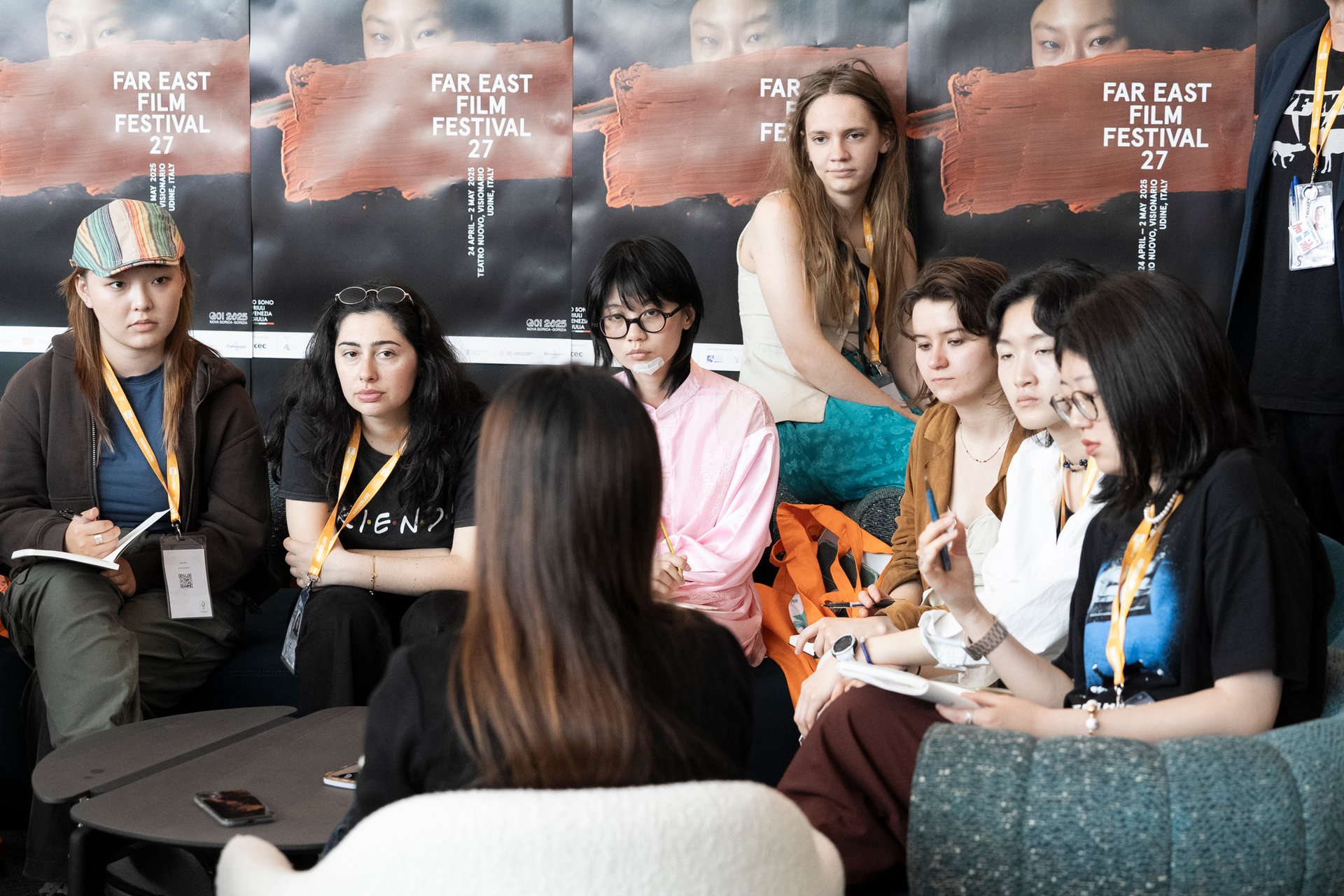
The Far East Film Festival (FEFF) in Udine, Italy, a cornerstone for the promotion and appreciation of Asian cinema in Europe, is once again opening its doors to a select group of aspiring journalists through its prestigious FEFF Campus program. This year marks a significant milestone as the program celebrates its twelfth edition, underscoring its enduring commitment to fostering emerging journalistic talent and bridging the gap between burgeoning writers and the vibrant world of Asian filmmaking. The FEFF Campus, more than just an internship, has evolved into a vital incubator for young voices keen to delve into the complexities and nuances of cinema from across the Eastern continent. Its established reputation continues to draw a diverse pool of international candidates, eager to hone their skills on the front lines of one of Europe’s most important cinematic events.
A Global Cohort: The FEFF Campus Class of 2026
For 2026, the FEFF Campus has meticulously selected ten promising individuals from a wide array of geographical backgrounds, each bringing a unique perspective and passion for Asian cinema. The chosen participants for this year’s cohort are: Alex Petrescu from Romania, Annabelle Duggan from the United Kingdom, Magdalena Niećwiec from Poland, Sara Domenicano from Italy, Vedrana Bogdanović from Serbia, Hanhee Oh from South Korea, Jia Enad from the Philippines, Irving Ly from Vietnam, Rino Lu from China, and Yasmine Chan from Hong Kong. This diverse representation is a testament to the FEFF’s global reach and its dedication to cultivating a truly international understanding of Asian film.
The selection process, typically rigorous, evaluates candidates not only on their academic achievements but also on their existing writing portfolios, their demonstrated interest in Asian cinema, and their potential to contribute meaningfully to the festival’s media coverage. The FEFF Campus provides an unparalleled opportunity for these individuals to gain hands-on experience in film journalism, covering a festival that showcases a broad spectrum of genres, from arthouse masterpieces to commercial blockbusters, and from established auteurs to emerging directors.
Building on a Legacy: The History and Impact of FEFF Campus
The FEFF Campus was established with the visionary goal of equipping a new generation of storytellers with the tools and insights necessary to critically engage with and report on Asian cinema. Its inception can be traced back to a recognition of the growing importance of Asian films on the global stage and the concurrent need for specialized journalistic coverage that goes beyond superficial reviews. Over its twelve-year history, the program has consistently attracted participants who have gone on to successful careers in film criticism, media, and the wider cultural industries.
The program’s structure is designed to immerse participants deeply within the festival environment. They are tasked with producing a range of journalistic content, including news reports, interviews, reviews, and feature articles, all of which are published on the official FEFF website and often syndicated to partner publications. This practical experience, coupled with mentorship from seasoned professionals, provides an invaluable learning curve. The festival itself, founded in 1999, has grown from a niche event to a significant cultural fixture, attracting thousands of film enthusiasts, industry professionals, and media representatives annually. Its focus on showcasing films that might otherwise struggle to find distribution in the West has made it a crucial platform for cultural exchange and discovery.
A Testament to Excellence: FEFF Campus Participants’ Contributions
The FEFF Campus is not merely about training; it is also about recognizing and nurturing talent that can immediately contribute to the discourse surrounding Asian cinema. Notably, two members of the 2026 cohort, Magdalena Niećwiec from Poland and Rino Lu from China, are already active contributors to Asian Movie Pulse, a respected online publication dedicated to Asian cinema. This pre-existing collaboration highlights the caliber of individuals selected for the Campus and demonstrates their proactive engagement with the field. Their continued involvement with Asian Movie Pulse while participating in the FEFF Campus signifies a deep commitment to their craft and a valuable synergy between the festival’s educational initiative and independent film journalism platforms. The FEFF administration has expressed considerable pride in this development, viewing it as a validation of the Campus’s success in identifying and supporting promising talent.
Mentorship and Masterclasses: Learning from the Best
The FEFF Campus experience is significantly enhanced by the guidance provided by experienced professionals. This year, the team will once again be under the leadership of veteran journalist Mathew Scott. Scott’s extensive background in film journalism and his intimate knowledge of the festival circuit provide invaluable mentorship for the aspiring reporters. His role is crucial in guiding the participants through the intricacies of news gathering, interviewing techniques, critical analysis, and the ethical considerations of film reporting.
Beyond daily guidance, the Campus participants are granted privileged access to the festival’s inner workings. They have the unique opportunity to study the festival’s operational mechanisms from the inside, observing how screenings are organized, how press conferences are managed, and how industry professionals engage with the event. Furthermore, they gain direct access to the key figures shaping the contemporary Asian cinematic landscape. This includes not only filmmakers and actors but also producers, distributors, and critics.
The FEFF has a distinguished history of inviting luminaries from Asian cinema to engage with the Campus participants. In previous editions, the program has been graced by the presence of renowned figures such as Japanese director Hamaguchi Ryusuke, an Academy Award winner for "Drive My Car"; Chinese film icon Yao Chen; Taiwanese cinematic legend Brigitte Lin; and Hong Kong’s action cinema titans Johnnie To and Sammo Hung. These encounters provide the young journalists with direct insights into the creative processes, career trajectories, and philosophical underpinnings of some of Asia’s most influential cinematic artists. Such interactions are not merely autograph sessions; they are often in-depth discussions that enrich the participants’ understanding and provide unique material for their journalistic output.
Supporting Data and Broader Context
The FEFF Campus operates within the broader context of the Far East Film Festival, which itself is a significant cultural event. The festival typically screens over 100 films annually, representing a wide spectrum of Asian countries and cinematic styles. Attendance figures often exceed 40,000, with a substantial portion of this comprising international press and industry professionals. The FEFF Campus, as a key component of the festival’s outreach and educational mission, plays a vital role in amplifying the festival’s impact.
The program’s success can also be measured by the subsequent careers of its alumni. A brief survey of past FEFF Campus participants reveals a consistent trajectory towards roles in reputable film publications, cultural institutions, and academic research focused on Asian cinema. This sustained output of skilled professionals underscores the program’s effectiveness as a talent development pipeline. The FEFF Campus has, over the years, contributed to a more informed and nuanced discussion about Asian cinema in Western media, helping to combat stereotypes and foster a deeper appreciation for the region’s diverse cinematic output.
Official Statements and Future Implications
While specific official statements from the FEFF organizers regarding the 2026 Campus have not been released in the provided text, the consistent emphasis on nurturing young talent and the program’s twelfth edition strongly suggest an ongoing commitment. The festival’s director, Sabrina Baracetti, has often spoken about the importance of the FEFF Campus in ensuring the future vitality of film criticism and the continued engagement of younger generations with Asian cinema. In past interviews, she has emphasized that the Campus is not just about creating journalists, but about cultivating informed and passionate advocates for Asian filmmaking.
The implications of the FEFF Campus extend beyond the individual participants. By investing in the next generation of journalists, the FEFF is actively shaping the narrative surrounding Asian cinema. A more robust and diverse body of critical writing can lead to greater understanding and appreciation of these films among a wider audience. It also provides a crucial platform for emerging filmmakers from Asia, whose work might otherwise go unnoticed by international media. The continued success of the FEFF Campus is therefore intrinsically linked to the ongoing growth and influence of Asian cinema on the global stage.
A Chronicle of Growth: The Evolution of FEFF Campus
The journey of the FEFF Campus began in 2015, a deliberate expansion of the festival’s commitment to education and cultural exchange. The initial cohort was smaller, focused on a core group of European students. However, the program’s innovative approach and the burgeoning interest in Asian cinema quickly led to its expansion. By its third edition, the Campus had already attracted international participants, setting the stage for the global reach it enjoys today.
Key Milestones in FEFF Campus History:
- 2015: Inaugural FEFF Campus launched with a focus on European journalism students.
- 2017: Program expands to include international applicants, diversifying the cohort.
- 2019: First notable alumni begin to gain traction in professional film journalism circles.
- 2020-2021: Adaptation to virtual and hybrid formats during the COVID-19 pandemic, showcasing resilience and innovative teaching methods.
- 2023: Celebrated the tenth edition, reflecting on the program’s significant impact and legacy.
- 2026: The twelfth edition signifies a mature and established program, continuing its mission to train and empower young journalists.
The consistent presence of veteran journalists like Mathew Scott as a mentor has provided a stable anchor for the program, ensuring continuity and the transmission of established journalistic ethics and practices. The recruitment of participants like Magdalena Niećwiec and Rino Lu, who already possess experience with established platforms like Asian Movie Pulse, indicates a strategic evolution of the program, aiming to integrate and elevate participants with demonstrable skills.
Analysis of Impact and Future Trajectory
The FEFF Campus serves as a critical nexus between the academic study of film and its practical application in a real-world festival environment. Its impact is multifaceted:
- Enhanced Media Coverage: The dedicated reporting by the FEFF Campus participants significantly boosts the festival’s media presence, providing in-depth coverage that complements traditional press outlets.
- Talent Development: The program acts as a launchpad for aspiring journalists, offering them invaluable experience, networking opportunities, and a portfolio of published work.
- Cultural Diplomacy: By fostering understanding and critical engagement with Asian cinema, the Campus contributes to broader cultural exchange and combats ethnocentric perspectives in media.
- Festival Sustainability: The program ensures a continued influx of fresh perspectives and voices, vital for the long-term relevance and dynamism of the Far East Film Festival.
Looking ahead, the FEFF Campus is likely to continue its trajectory of growth and refinement. Potential future developments could include deeper collaborations with film schools in Asia, the establishment of specialized tracks within the Campus (e.g., documentary journalism, festival management), and expanded opportunities for alumni to mentor future cohorts. The program’s success is a testament to the enduring appeal of Asian cinema and the vital need for informed, passionate storytelling about its diverse and dynamic landscape. The twelfth edition of the FEFF Campus stands as a beacon, illuminating the path for the next generation of cinematic storytellers and critics.