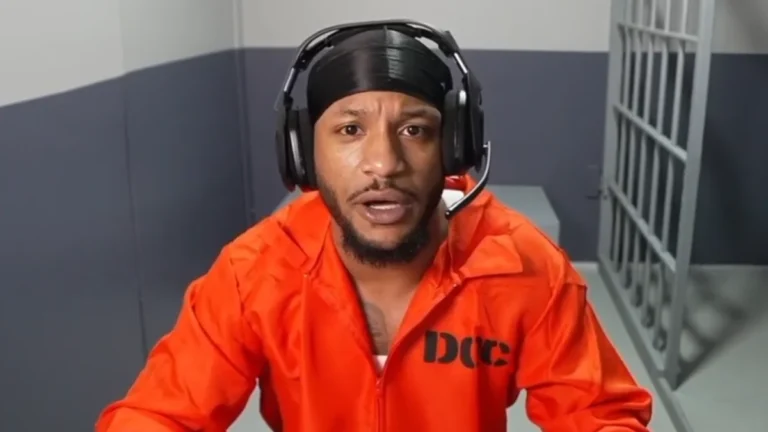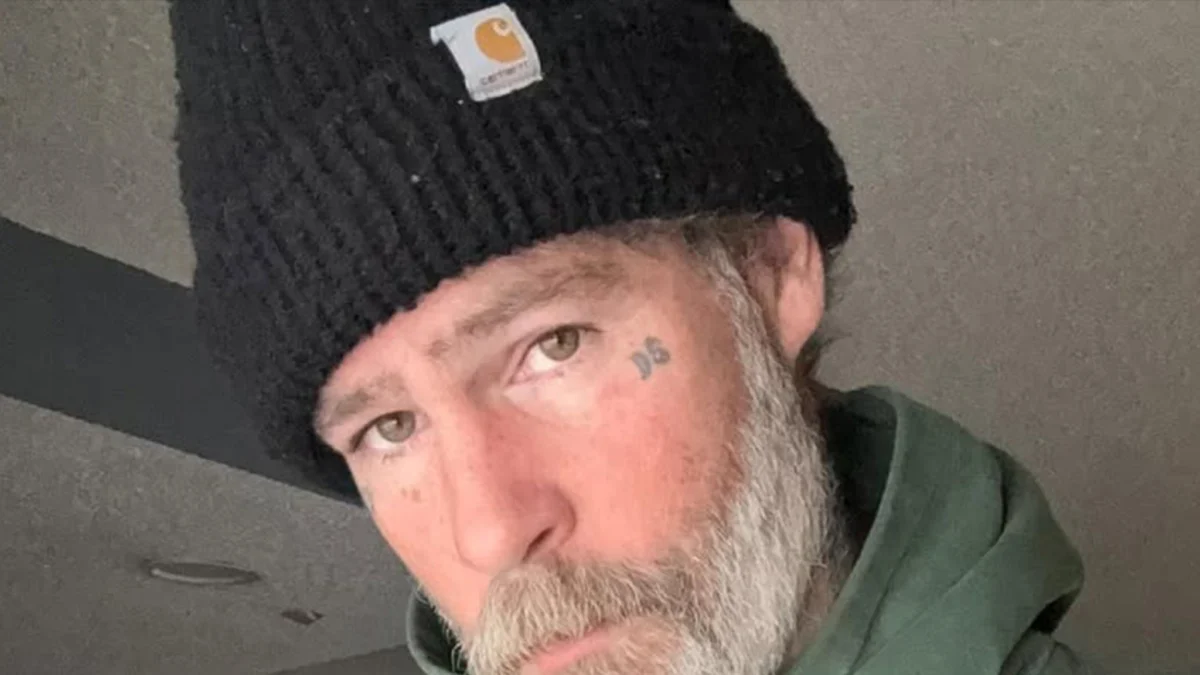
Benjamin Gleason, a prominent figure on the social media platform TikTok, was arrested on Friday, March 20, 2026, and is now facing a litany of serious charges, including multiple counts of rape. The arrest, confirmed by authorities at the Columbia County Jail in New York, has sent shockwaves through his online community and beyond, marking a dramatic turn for an influencer known for sharing personal struggles and entertainment.
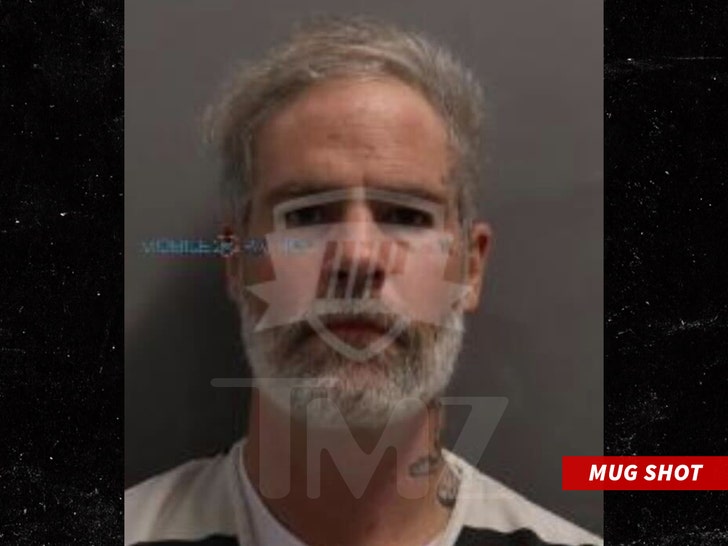
According to official records obtained by TMZ and corroborated by jail authorities, Gleason was booked into custody on the evening of March 20. The charges against him are extensive and severe, indicating a complex and grave legal situation. He is formally accused of two counts of rape, one count of predatory sexual assault committed against more than one person, one count of criminal sexual act in the first degree by forcible compulsion, one count of second-degree aggravated sexual abuse, one count of first-degree sexual abuse, and one count of criminal sex acts conducted with a person incapable of consent. These charges collectively represent some of the most serious felony offenses under New York State law, carrying significant legal ramifications if proven true.
The Gravity of the Allegations
The charges levied against Benjamin Gleason are not merely numerous but also exceptionally severe, highlighting the serious nature of the allegations. In New York State, rape in the first degree is a Class B felony, punishable by substantial prison sentences. The inclusion of "predatory sexual assault committed against more than one person" elevates the severity considerably, as this charge typically applies to individuals who have committed two or more acts of sexual assault against two or more distinct victims within a specific timeframe or under particular circumstances. This specific charge is a Class A-II felony, among the highest classifications, underscoring the potential for a life sentence upon conviction.
Furthermore, "criminal sexual act in the first degree by forcible compulsion" also constitutes a Class B felony, emphasizing the alleged lack of consent and the use of force. "Aggravated sexual abuse in the second degree" and "sexual abuse in the first degree" are likewise serious felonies, often involving specific circumstances such as the infliction of physical injury or the use of specific implements during the assault. The charge of "criminal sex acts conducted with person incapable of consent" points towards allegations involving victims who, for various reasons (such as age, mental incapacitation, or physical helplessness), are legally deemed unable to provide consent to sexual activity. The breadth and depth of these charges suggest a thorough investigation by law enforcement authorities in Columbia County, leading to what appears to be a comprehensive indictment of alleged criminal behavior.
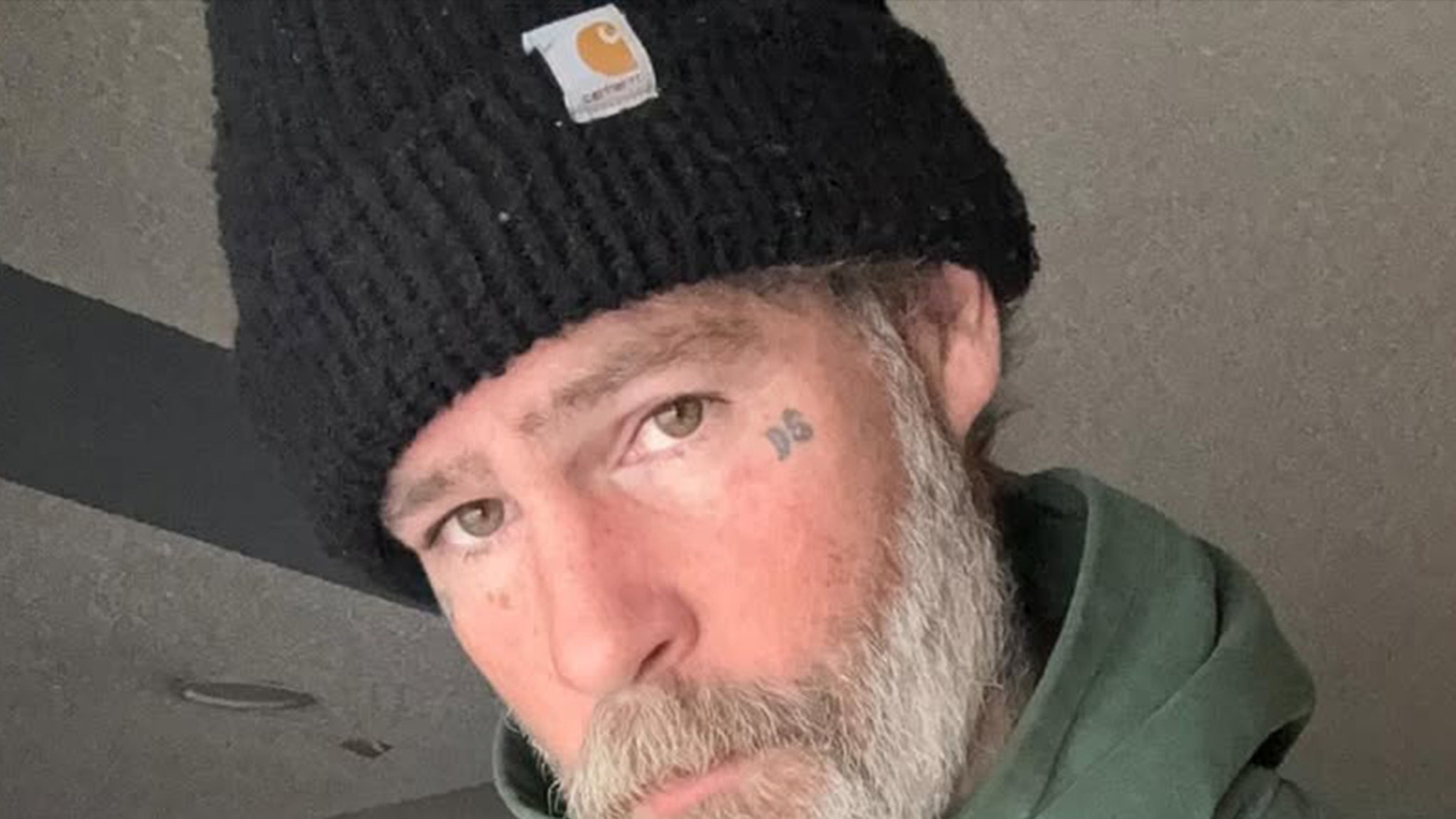
Gleason’s Public Persona and Online Presence
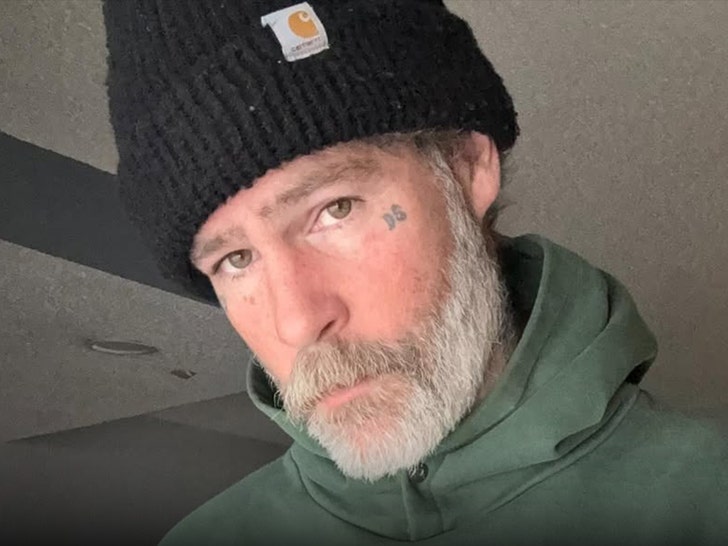
Prior to his arrest, Benjamin Gleason had cultivated a notable presence on TikTok, a platform where he amassed a considerable following. His content varied, encompassing popular lip-sync videos, musical performances, and more candid conversational segments. A significant aspect of his online persona revolved around his open discussions about living with borderline personality disorder (BPD). These videos often provided insights into his mental health journey, challenges, and coping mechanisms, fostering a community of followers who resonated with his vulnerability and willingness to share personal struggles.
This public sharing of personal battles extended beyond his BPD discussions. According to information from a GoFundMe campaign, for which Gleason was listed as an organizer, he had also publicly disclosed his journey toward sobriety. The fundraiser was established to assist with dental repairs, which he attributed to damage sustained during years of substance abuse. This narrative of overcoming addiction and actively working on personal recovery had arguably endeared him to a segment of his audience, positioning him as a resilient figure committed to self-improvement. The contrast between this carefully curated, often inspirational, public image and the grave accusations now facing him is stark, posing significant questions for his followers and the broader online community regarding authenticity and accountability in the digital age.
Chronology of Events Leading to Arrest
The timeline of events, as reported, indicates a swift progression from alleged incidents to formal charges. While the specifics of the alleged offenses remain under seal or have not yet been publicly disclosed, the arrest itself occurred on Friday, March 20, 2026. Gleason was formally booked into the Columbia County Jail that same evening. The news of his arrest and the detailed list of charges then became public knowledge on March 22, 2026, through media reports, signaling the formal commencement of the legal process.
At this early stage, details surrounding the investigation that led to Gleason’s arrest are limited. Law enforcement agencies typically maintain a high level of discretion in such sensitive cases, particularly those involving sexual assault, to protect the privacy of alleged victims and to ensure the integrity of the ongoing investigation. It is standard procedure for authorities to gather evidence, interview witnesses, and present findings to a grand jury, which would then determine if there is sufficient probable cause to issue an indictment and proceed with a trial. The sheer number and severity of the charges suggest that investigators have compiled significant evidence to support the allegations against Gleason.
Legal Proceedings and Potential Outcomes
Following his arrest, Benjamin Gleason will undergo a series of legal proceedings typical of felony cases in New York State. The immediate next step would likely be an arraignment, where he will be formally read the charges against him and have the opportunity to enter a plea (typically "not guilty" at this stage). During the arraignment, a judge will also make a determination regarding bail. Given the serious nature of the charges, it is probable that bail will be set at a high amount, or he could be remanded without bail, especially considering the predatory nature of some allegations.
The legal journey from arraignment to trial can be protracted, often spanning many months, if not years. This process typically involves discovery, where both the prosecution and defense exchange information and evidence; pre-trial motions, which can address evidentiary issues or seek to dismiss certain charges; and potentially plea negotiations. If the case proceeds to trial, a jury will hear evidence presented by the prosecution and the defense, ultimately rendering a verdict. Conviction on charges such as predatory sexual assault and first-degree rape carries the potential for lengthy state prison sentences, underscoring the profound impact these proceedings could have on Gleason’s life. It is crucial to remember that, under the American justice system, Benjamin Gleason is presumed innocent until proven guilty beyond a reasonable doubt in a court of law.
Statements and Reactions from Related Parties (Inferred)
Official statements from law enforcement entities like the Columbia County Sheriff’s Office or the District Attorney’s office are typically terse at this phase of an investigation. They generally confirm the arrest and the charges, reiterating that the investigation is ongoing and that they cannot comment further on specific details to protect the integrity of the case. They would likely emphasize their commitment to pursuing justice and supporting victims of such crimes.
From a platform perspective, TikTok, like other social media companies, has community guidelines that prohibit criminal activity and hate speech. While TikTok has not issued a public statement regarding Gleason’s arrest, it is highly probable that his account and content will be subject to review. Platforms often take action, which can range from temporary suspension to permanent banning, especially when public figures face serious criminal charges, to mitigate reputational risk and uphold community standards. The platform’s stance is often one of neutrality regarding ongoing legal proceedings but takes action based on violations of its own terms of service.
The public reaction, particularly among Gleason’s followers, is expected to be varied. Some may express shock and disbelief, while others might feel betrayed by the individual they once admired for his vulnerability. There will likely be discussions across social media about the credibility of online personas and the responsibility of influencers. Victim advocacy groups and organizations dedicated to combating sexual violence will undoubtedly highlight the importance of believing survivors and ensuring due process, while refraining from direct commentary on the specifics of this individual case.
Broader Implications for Social Media Personalities and Accountability
This incident involving Benjamin Gleason is not isolated but rather contributes to a growing discourse surrounding the accountability of social media influencers and public figures. In an era where individuals can rapidly achieve widespread fame and influence through digital platforms, the lines between public persona and private conduct often blur. The nature of content creation on platforms like TikTok, which often encourages authenticity and personal sharing, can create a powerful bond between creators and their audience. However, this bond can be severely fractured when allegations of serious criminal behavior emerge, leading to questions about the true character behind the screen.
The case underscores the significant responsibility that comes with public influence. As digital platforms become increasingly integral to public discourse and entertainment, there is a heightened expectation for influencers to uphold ethical standards, not just in their online interactions but also in their real-world conduct. Incidents like these often spark broader conversations about the vetting processes (or lack thereof) for online personalities, the potential for exploitation, and the mechanisms available for reporting and addressing misconduct within digital communities. It serves as a stark reminder that while the digital realm offers unprecedented opportunities for connection and self-expression, it also amplifies the consequences of actions, both positive and negative, holding individuals to account in a very public and often unforgiving arena. The outcome of Benjamin Gleason’s legal battle will undoubtedly be closely watched, not only by his former followers but by those observing the evolving landscape of digital celebrity and accountability.