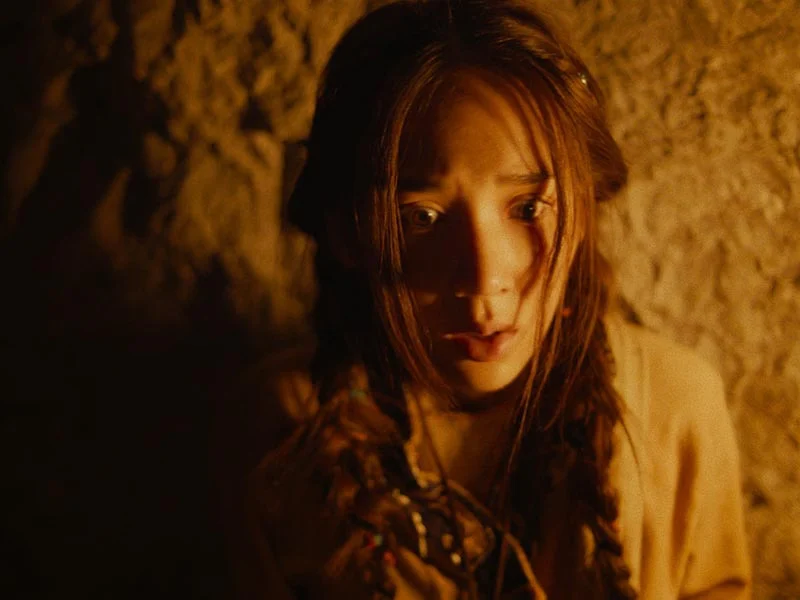
The cinematic landscape is set to be plunged into a primal state of terror with the upcoming release of "Omukade," a supernatural horror film deeply rooted in the chilling tapestry of Japanese folklore. Scheduled to unfurl its dread-filled narrative in cinemas on April 23, 2026, the film promises to be a visceral exploration of survival against an ancient, malevolent force. The premise centers on a British prisoner of war and his Thai guide as they embark on a perilous journey across the border into Burma, navigating the suffocating darkness of an abandoned, cursed mine. Within this Stygian abyss, the hunter and the hunted blur into a single, terrified entity, their only hope for salvation lying in their ability to outmaneuver the encroaching shadows that conceal a ravenous beast, an entity that spares no one, regardless of alliance or animosity.
A Descent into Folklore and Fear
"Omukade" draws its thematic and narrative strength from the rich and often terrifying realm of Japanese mythology. The "Omukade," or giant centipede, is a creature that frequently appears in Japanese legends, often depicted as a monstrous, venomous being capable of immense destruction. These mythical creatures are frequently associated with cursed locations, ancient evils, and the primal fear of the unknown that lurks beneath the surface of the natural world. By grounding its horror in such established folklore, "Omukade" taps into a pre-existing wellspring of dread, allowing audiences to connect with the terror on a deeper, more archetypal level. The film’s setting – an abandoned, cursed mine – amplifies this connection, providing a claustrophobic and inherently menacing environment where such a creature would logically manifest. Mines, by their very nature, represent a descent into the earth, a place of darkness, hidden dangers, and forgotten histories, making them fertile ground for supernatural narratives.
The narrative’s temporal setting, implied by the presence of a British prisoner of war, likely places the story within the context of World War II, a period of immense global conflict and upheaval. This historical backdrop adds a layer of grounded reality to the supernatural horror, as the inherent dangers and desperation of wartime provide a compelling reason for the characters’ perilous journey. The escape from a prisoner-of-war camp, particularly through treacherous, uncharted territory, would have been a high-stakes endeavor fraught with peril, making the addition of a supernatural threat all the more terrifying. The geographical crossing into Burma (modern-day Myanmar) further situates the narrative within a region that has historically been a theater of conflict and a melting pot of diverse cultures and beliefs, potentially offering a rich tapestry for the folklore to be interwoven.
The Unseen Threat: A Masterclass in Suspense
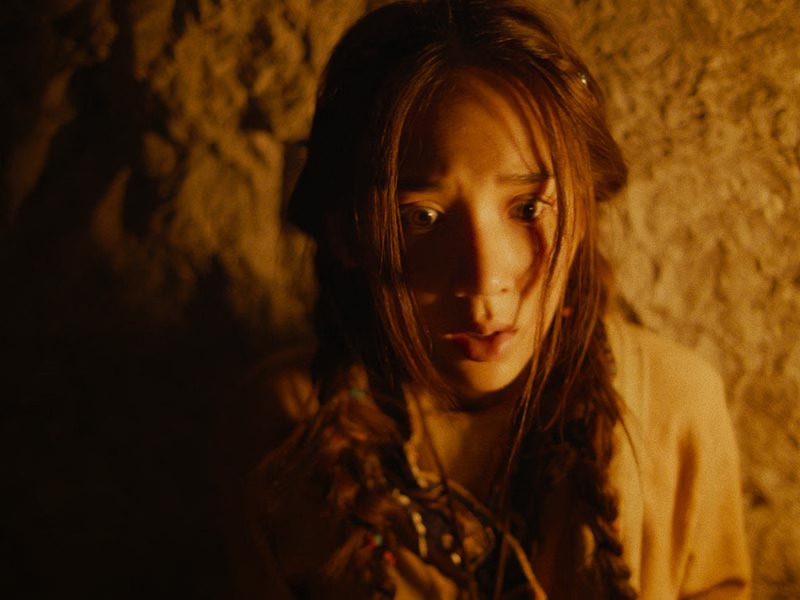
The core of "Omukade’s" horror appears to lie in its deliberate exploitation of the unseen. The "pitch-black darkness" serves not merely as a visual element but as an active antagonist, shrouding the true nature and extent of the threat. This reliance on suggestion and atmosphere is a hallmark of effective horror, allowing the audience’s imagination to fill in the terrifying blanks. The blurring line between hunter and hunted is a classic trope in survival horror, where the desperation to escape can lead individuals to commit acts that they would otherwise deem unthinkable, and where the perceived threat can be as much internal as external.
The "ravenous beast, ready to devour them all, friend or foe alike" suggests an indiscriminate and primal force of nature, or perhaps something far more ancient and malevolent. This lack of bias in its predatory behavior heightens the stakes, as no amount of trust or camaraderie will offer protection from its insatiable hunger. The emphasis on escaping "the shadows" implies a constant, encroaching presence, a pervasive threat that cannot be outrun but must be outwitted or endured. This creates a sense of relentless pressure, where moments of respite are fleeting and the threat is always just beyond the periphery of vision.
Anticipation and Release: A Date with Dread
The announcement of the April 23, 2026 release date positions "Omukade" as a significant entry in the horror genre for that year. While specific marketing strategies and promotional campaigns have yet to be fully unveiled, the film’s premise alone has generated considerable interest within genre circles. The timing of the release, typically within a broader cinematic calendar, will influence its reception and box office performance. Horror films often find their audience throughout the year, with some benefiting from seasonal releases (e.g., October for Halloween) and others aiming for broader appeal. The spring release suggests an attempt to capture a significant audience during a period of increased cinema-going.
Contextualizing the Narrative: Historical and Cultural Significance
The historical context of a prisoner of war escaping during wartime, particularly in Southeast Asia during the mid-20th century, is fraught with peril. The region was a battleground, and survival often depended on navigating not only enemy forces but also the harsh natural environment and the complex political landscape. The presence of a Thai guide suggests a crucial element of local knowledge and expertise, highlighting the importance of intercultural collaboration in extreme circumstances. However, in a cursed mine, even such alliances could be tested by the overwhelming supernatural threat.
The integration of Japanese folklore into a narrative involving characters from different nationalities and a setting outside of Japan itself is a fascinating narrative choice. It suggests a story where ancient evils can transcend geographical boundaries and cultural origins, impacting anyone who stumbles into their domain. This universalizes the horror, implying that the Omukade is not confined to specific spiritual landscapes but is a force that can manifest wherever fear and darkness converge.
Potential for Analysis and Broader Impact
The success of "Omukade" could have several implications for the horror genre and the broader film industry.
Reinvigoration of Folklore-Based Horror:
If "Omukade" proves to be a critical and commercial success, it could inspire a renewed interest in exploring diverse cultural mythologies for horror narratives. Many regions possess rich traditions of supernatural beings and terrifying legends that remain largely untapped by mainstream cinema. The film’s ability to translate a specific folkloric element into a universally relatable horror experience would be a significant achievement.
International Co-Productions and Cross-Cultural Storytelling:
The film’s premise, involving a British POW and a Thai guide, hints at a potential for international collaboration in its production and narrative. Such cross-cultural storytelling can lead to richer, more nuanced films that appeal to a wider global audience. The success of these ventures can encourage further investment in diverse narratives and production models.
The Power of Atmospheric Horror:
In an era often dominated by jump scares and overt gore, a film that emphasizes atmospheric tension and psychological dread can serve as a powerful reminder of the enduring appeal of suspense. "Omukade’s" focus on darkness and the unseen suggests a commitment to building fear through suggestion, which can be a more profound and lasting form of terror.
The Enduring Appeal of Survival Narratives:
The core of "Omukade’s" plot is a survival narrative. The primal instinct to survive against overwhelming odds, combined with the supernatural element, creates a potent cocktail of tension and engagement. The film’s exploration of human resilience in the face of unimaginable terror is likely to resonate with audiences.
Unpacking the "Cursed Mine" Trope
The "cursed mine" is a well-established trope in horror, often symbolizing humanity’s intrusion into forbidden or dangerous subterranean realms. Historically, mining has been a hazardous profession, with cave-ins, toxic gases, and the psychological toll of working in perpetual darkness contributing to a sense of inherent danger. This real-world peril is easily amplified by supernatural elements, transforming a potentially fatal accident into a manifestation of ancient curses or malevolent spirits. The abandoned nature of the mine suggests that whatever malevolence resides within has been undisturbed for a significant period, allowing its power to fester and grow. This isolation also ensures that the protagonists are cut off from any potential aid, amplifying their vulnerability.
The Significance of the Omukade Creature
The choice of the Omukade, the giant centipede, as the central antagonist is particularly interesting. Centipedes, in general, evoke a visceral reaction in many people due to their numerous legs, segmented bodies, and venomous bites. In folklore, they are often associated with death, decay, and poisonous emanations. A giant, monstrous version of such a creature amplifies these fears to a terrifying degree. Its mobility and ability to navigate confined spaces like mine shafts also make it a formidable and relentless pursuer. The idea of it being "ravenous" and indiscriminately devouring its victims adds a layer of primal, animalistic horror that transcends mere supernatural threat.
The Human Element: A Prisoner of War’s Plight
The inclusion of a British prisoner of war imbues the narrative with a specific historical and psychological dimension. Prisoners of war often face extreme physical and psychological duress, grappling with loss of freedom, the constant threat of death, and the profound trauma of captivity. This pre-existing vulnerability can make a character more susceptible to fear and despair, but also potentially more resilient and determined to survive. The journey to escape the mine and cross the border into Burma, presumably to reach Allied lines or safety, would have been a desperate gamble undertaken by individuals pushed to their absolute limits. The addition of a supernatural entity to this already perilous escape plan creates a scenario where the stakes are astronomically high, testing not only physical endurance but also mental fortitude.
The Role of the Thai Guide
The Thai guide is an essential element of the narrative, representing local knowledge and potentially acting as a bridge between the foreign prisoner and the dangers of the unfamiliar territory. In many survival narratives, local guides are crucial for navigating treacherous landscapes and understanding local customs and dangers. However, in a cursed mine, even the most experienced guide might find their knowledge insufficient against a supernatural foe. The dynamic between the prisoner and the guide will likely be a key focus of the film, exploring themes of trust, cooperation, and the shared struggle for survival against a common, terrifying enemy. Their interaction could also provide opportunities to explore cultural differences and how they are impacted by extreme fear and peril.
Conclusion: A Cinematic Countdown to Terror
As April 23, 2026, approaches, "Omukade" stands poised to deliver a potent dose of supernatural horror, drawing on the primal fears embedded in Japanese folklore and the desperate realities of wartime escape. The film’s commitment to atmosphere, its exploration of a terrifying mythical creature, and its grounded historical context suggest a narrative that could resonate deeply with audiences seeking a truly chilling cinematic experience. The success of "Omukade" will likely be measured not only by its box office performance but also by its ability to effectively translate ancient fears into modern nightmares, leaving audiences with a lingering sense of dread long after the credits roll. The film’s promise of a blurred line between hunter and hunted, set against the backdrop of an abandoned, cursed mine, positions it as a must-see for fans of the supernatural and survival horror genres.