


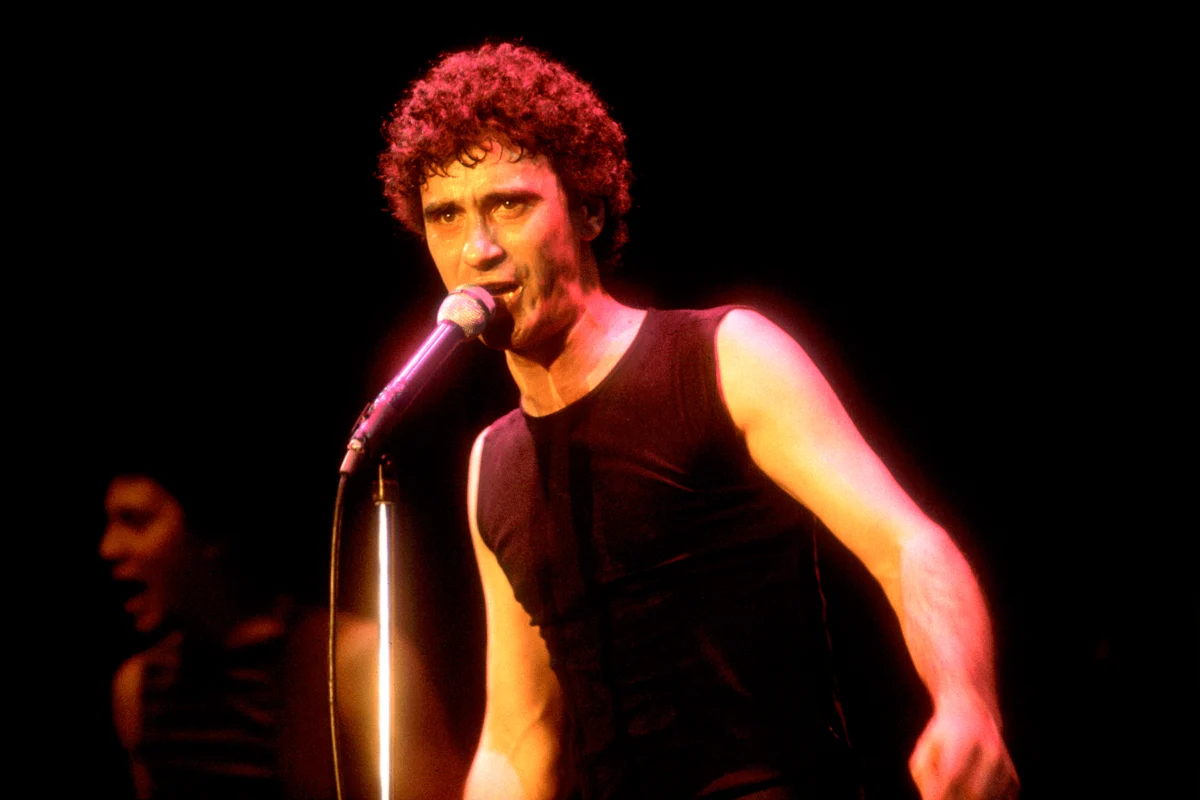
Donnie Iris, the iconic singer-songwriter whose distinctive glasses, charismatic stage presence, and unmistakable tenor voice earned him the enduring moniker "King Cool" in his adopted hometown of Pittsburgh, has passed away at the age of 83. His death marks the conclusion of a remarkable, multi-decade career that traversed doo-wop, soul, funk, and the golden era of 1980s power-pop.
The announcement of his passing was made public by Joe Vitale Jr., the drummer for Donnie Iris & the Cruisers. In an emotional social media statement shared on Monday, October 26, Vitale reflected on his tenure with the legendary frontman, highlighting not only Iris’s musical contributions but also his profound personal warmth.
The loss is deeply felt across the Rust Belt and the broader American rock landscape. Iris’s passing follows closely on the heels of his official retirement from live performance, which was announced earlier in October following a final, poignant concert on September 28 at Citizens Live at The Wylie in Pittsburgh. That farewell gig capped a grueling but triumphant final chapter for an artist who continued to entertain fans long after facing significant health challenges.
Early Life and Musical Beginnings
Born Dominic Ierace on February 28, 1943, in New Castle, Pennsylvania, Iris discovered his passion for vocal performance at an early age. Growing up in nearby Elwood City, he honed his craft by singing at local weddings, community functions, and regional talent contests during his school years.
By the time he reached high school, the burgeoning vocalist had transitioned into group dynamics, singing with the doo-wop ensemble The Fabutons. His collegiate years at Slippery Rock State College saw him fronting rhythm and blues and rock cover bands such as the Tri-Vels and Donnie and the Donnells. Recognizing that his true calling lay in the recording studio and on the stage rather than in the lecture hall, Iris eventually left college to pursue music full-time—a gamble that would soon yield historic commercial success.
The Breakthrough with The Jaggerz and Wild Cherry
Iris’s first major breakthrough into the national consciousness came with the band The Jaggerz. In 1970, the group released their sophomore studio album, We Went to Different Schools Together, via Gamble Records—the label founded by legendary Philadelphia soul architects Kenny Gamble and Leon Huff.
Contained within that album was "The Rapper," a slick, swinging rock track co-written by Iris, Dominic Ierace, and bandmates. The song, characterized by its smooth-talking lyrical narrative about pick-up artistry in local bars, captured the zeitgeist of late-60s and early-70s radio. "The Rapper" soared to No. 2 on the Billboard Hot 100, firmly establishing Iris as a formidable commercial force and giving him his first taste of national chart dominance.
Following the eventual dissolution of The Jaggerz, Iris demonstrated his versatility by crossing over into the funk and dance-rock explosion of the late 1970s. He joined Wild Cherry, the band responsible for the ubiquitous 1976 smash hit "Play That Funky Music," providing vital studio support and touring guitar work. His contributions were prominently featured on the group’s 1979 album, Only the Wild Survive.
The Birth of The Cruisers and Mainstream Stardom
The most defining era of Iris’s career began when he partnered with keyboardist and creative collaborator Mark Avsec. Together, they formed Donnie Iris and the Cruisers, assembling a tight-knit lineup featuring guitarist Marty Lee Hoenes, drummer Kevin Valentine, and bassist Albritton McClain.
The newly minted band hit the ground running with their 1980 debut album, Back on the Streets, released on Midwest Records. The record introduced the world to "Ah! Leah!," a tour de force of romantic obsession and soaring power-pop dynamics. The track peaked at No. 29 on the Billboard Hot 100, while the album itself reached No. 57 on the Billboard 200. "Ah! Leah!" remains an enduring anthem of early-80s rock radio, celebrated for its dramatic synthesizers, driving guitars, and Iris’s soaring vocal acrobatics. The album also produced the band’s highest-charting single, the doo-wop-infused "My Girl," which climbed to No. 25.
Riding high on this momentum, the band released their sophomore effort, King Cool, in 1981. The record peaked at No. 84 on the album charts and permanently cemented Iris’s legendary nickname among his fans.
Commercial Evolution and Later Years
Throughout the first half of the 1980s, Donnie Iris and the Cruisers maintained a relentless release schedule, blending the infectious hooks of power-pop with the atmospheric sheen of new wave synthesizers. Subsequent albums—including The High and Mighty (1982), Fortune 410 (1983), and No Muss… No Fuss (1985)—continued to find an appreciative audience, though changing music industry landscapes presented challenges.
In 1984, the group parted ways with major label MCA, subsequently releasing No Muss… No Fuss on the independent HME label. Despite lineup shifts that saw foundational members like Valentine and McClain depart, Iris and Avsec maintained a steady creative partnership, keeping the Cruisers active through changing decades.
The band secured further chart success in November 1985 with "Injured in the Game of Love," which reached No. 28 on Billboard’s Mainstream Rock Airplay chart. Iris continued to record and release fresh material well into the 2000s, culminating in the 2010 Christmas-themed studio album Ah! Leluiah!.
Health Challenges and Retirement from the Stage
In 2023, shortly after celebrating his milestone 80th birthday with a high-profile concert in Pittsburgh, Iris received a private diagnosis of bladder cancer. Demonstrating the resilience that defined both his life and career, he continued to perform periodically while undergoing treatment, remaining a dedicated fixture of the regional music scene.
However, the physical toll of the disease ultimately necessitated a lifestyle change. On October 9, 2023, Iris issued a heartfelt statement to his fanbase announcing his retirement from touring.
"After much thought, and in light of recent health issues, I have made the difficult decision to retire from future concert performances," Iris wrote at the time. "Music has given me far more than I could ever put into words. From the earliest days to every chapter of my life, your support has been a constant source of joy and inspiration."
Legacy and Cultural Impact
Donnie Iris’s passing represents the loss of a vital bridge between classic 20th-century vocal traditions and modern rock radio. While international audiences primarily remember him for the high-octane guitar riffs of "Ah! Leah!" and the smooth grooves of "The Rapper," his impact on Pittsburgh’s cultural identity is immeasurable.
He was more than a regional hero; he was a consummate professional who bridged multiple generations of musicians, earning the unconditional respect of his peers for his humility, work ethic, and extraordinary vocal range. As tributes continue to pour in from fans, radio programmers, and fellow artists, the legacy of "King Cool" remains securely etched into the history of American rock and roll.