


The methods by which a college dropout with limited conventional social acumen managed to infiltrate the highest echelons of global finance, politics, and academia remain a subject of intensive scrutiny. Jeffrey Epstein, whose name has become synonymous with some of the most profound institutional and social scandals of the twenty-first century, achieved unprecedented access to elite circles not through traditional pedigree, but through a calculated strategy combining immense wealth, lavish hospitality, and, ultimately, coercion.
A newly released investigative documentary by TMZ Studios, titled "Jeffrey Epstein: The Devil’s Rolodex" and streaming on YouTube, examines the mechanics of this sophisticated social engineering. The film highlights how high-profile figures—including former U.S. President Bill Clinton, Microsoft co-founder Bill Gates, and former Harvard Law professor Alan Dershowitz—were drawn into Epstein’s sphere of influence. Beyond the allure of wealth and luxury, investigators point to a darker, more insidious mechanism that sustained his network: the strategic deployment of compromise and blackmail.
The Anatomy of an Elite Con
To understand Epstein’s rise, researchers and financial journalists often examine how he transitioned from a relatively obscure math teacher at the Dalton School in New York City to a self-styled financial manager for billionaires. Lacking a university degree or an established family fortune, Epstein leveraged an early association with financial executive Alan "Ace" Greenberg at Bear Stearns to enter the world of high finance. By cultivating an air of enigmatic wealth and exclusivity, he positioned himself as an indispensable gatekeeper and confidant.
Epstein’s strategy relied heavily on proximity. By offering access to private jets, secluded island properties, and high-profile networking opportunities, he created an ecosystem where powerful individuals felt insulated and accommodated. For many elites, the transactional nature of these perks was obscured by the sheer scale of the hospitality. However, investigative findings and court records indicate that these environments were meticulously curated to capture compromising material, ensuring the longevity of Epstein’s influence through leverage.
A Chronology of Access and Exposure
The trajectory of Jeffrey Epstein’s network spans decades of unchecked operation, culminating in legal reckoning and public exposure:
- The 1970s–1980s: Epstein begins his career in education before transitioning to finance, eventually establishing his own financial consulting firm catering to ultra-high-net-worth individuals.
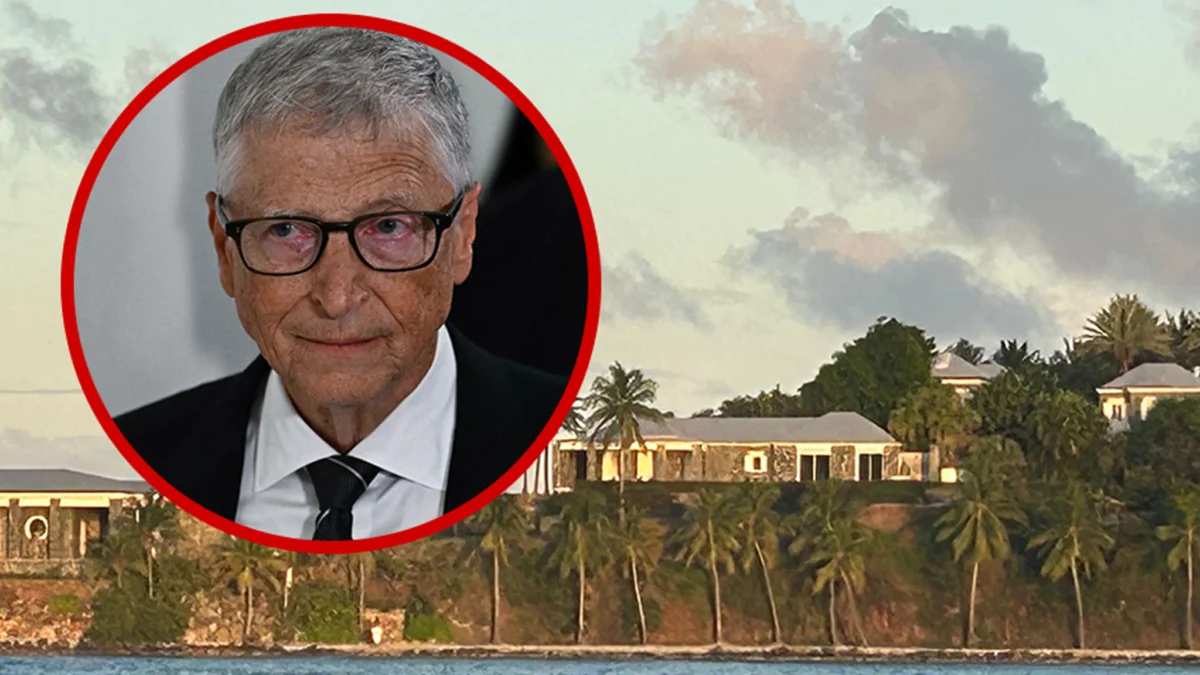
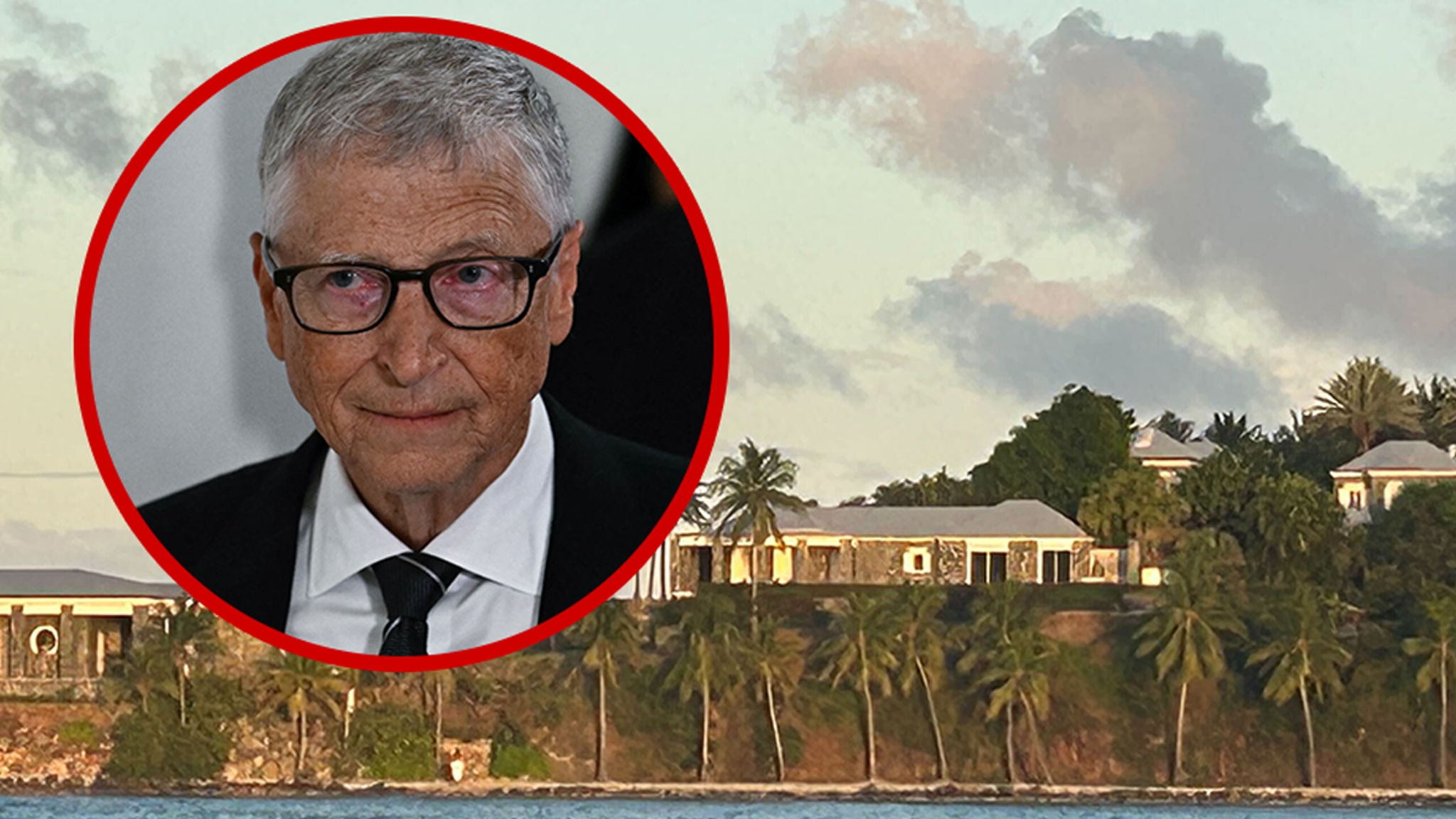
- The 1990s: Epstein builds a vast network of influential friends, acquiring prominent real estate, including a multi-story mansion in Manhattan and Little St. James in the U.S. Virgin Islands, which become epicenters for hosting global leaders.
- 2008: Following an initial law enforcement investigation in Palm Beach, Florida, Epstein secures a controversial non-prosecution agreement that shields him from federal charges and results in a lenient state conviction for solicitation of prostitution.
- July 2019: Epstein is arrested by federal authorities in New York on charges of sex trafficking of minors and conspiracy. The ensuing public disclosures force numerous high-profile associates to distance themselves and issue public statements regarding their past associations.
- August 2019: Epstein is found dead in his federal prison cell at the Metropolitan Correctional Center in New York, an event later ruled a suicide, which prompts widespread investigations into institutional oversight and triggers renewed scrutiny of his co-conspirators.
- October 2026: Media organizations and documentary filmmakers continue to dissect the mechanics of his network, releasing projects such as "The Devil’s Rolodex" to explore how institutional guardrails failed to prevent his multi-decade operation.
Supporting Data and Institutional Vulnerabilities
The network cultivated by Epstein highlights systemic vulnerabilities within elite institutions, including elite universities, philanthropic foundations, and political organizations. Financial records subpoenaed during subsequent civil and criminal proceedings revealed that Epstein managed billions of dollars for a select group of clients, primarily Leslie Wexner, the billionaire founder of L Brands. This financial backing provided the liquidity necessary to fund his lifestyle and maintain a veneer of legitimacy.
According to investigative reports, academic institutions such as Harvard University accepted millions of dollars in donations linked to Epstein long after his initial 2008 conviction. The willingness of universities, scientists, and politicians to engage with Epstein despite early red flags underscores the deference often granted to wealth and philanthropy within elite circles. Analysts note that these entities frequently prioritized financial contributions and networking opportunities over rigorous vetting procedures.
Responses from Associated Figures
In the wake of Epstein’s arrest and subsequent death, many of the high-profile individuals named in his contact books and flight logs addressed their relationships with varying degrees of regret and defense.
Representatives for Bill Clinton repeatedly issued statements acknowledging that the former president had flown on Epstein’s aircraft during humanitarian trips in the early 2000s, while emphasizing that Clinton had not spoken to Epstein in over a decade and had no knowledge of his criminal activities. Similarly, spokespersons for Bill Gates have characterized meetings with Epstein as a miscalculation, stating that Gates initially engaged with Epstein regarding global health philanthropy before realizing the association was a grave error in judgment.
Alan Dershowitz, who served as part of Epstein’s legal team during the 2008 Florida proceedings, has consistently defended his professional representation of Epstein while vehemently denying any involvement in or knowledge of illegal conduct. Dershowitz has frequently utilized public forums and legal avenues to challenge allegations linking him to the broader scope of Epstein’s criminal enterprise.
Broader Impact and Implications
The ongoing examination of Epstein’s methodology offers critical lessons for modern governance, corporate compliance, and investigative journalism. The capacity of an individual with a dubious background to manipulate global power structures demonstrates the inadequacy of traditional social and financial vetting processes when confronted with immense capital and charismatic deception.
Legal experts and sociologists suggest that the "Epstein phenomenon" prompted a cultural shift regarding accountability for powerful figures. Institutional donors face stricter scrutiny, and organizations are increasingly re-evaluating the ethical implications of accepting funds from sources with questionable backgrounds. Furthermore, the focus on blackmail and coercion as tools of influence has sparked broader conversations about the vulnerability of public figures to targeted compromise.
As new documents, documentaries, and investigative projects continue to emerge, the focus remains firmly on dismantling the systemic blind spots that allowed such exploitation to persist for decades under the guise of elite philanthropy and networking.