



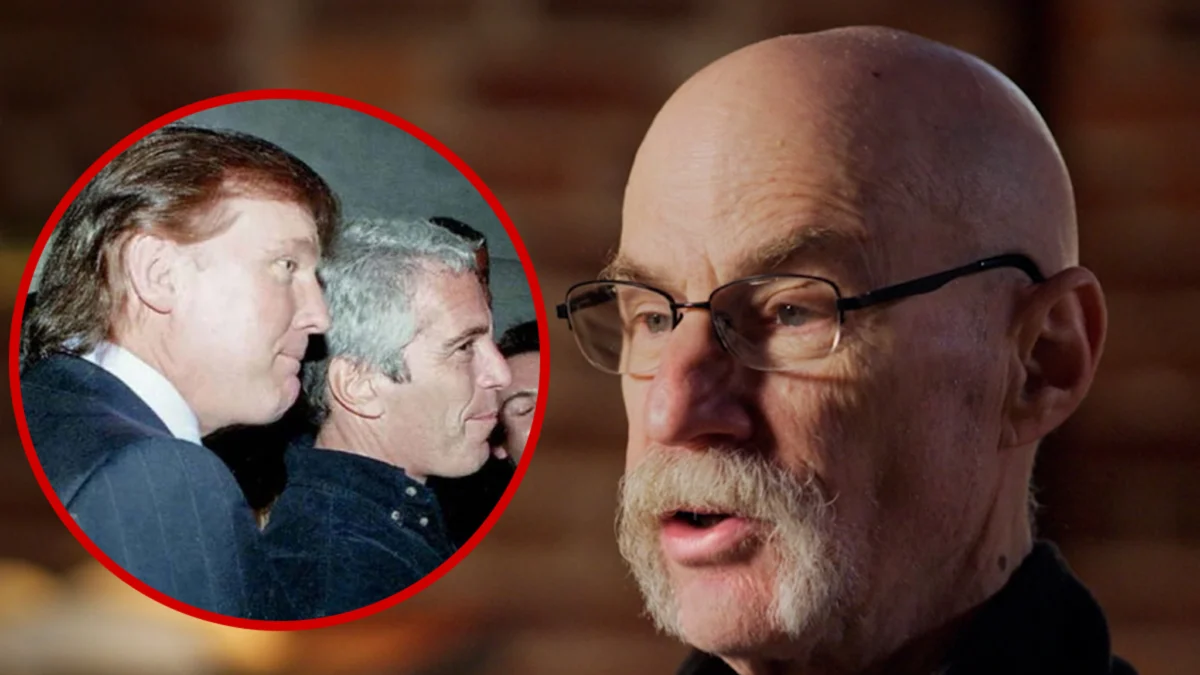
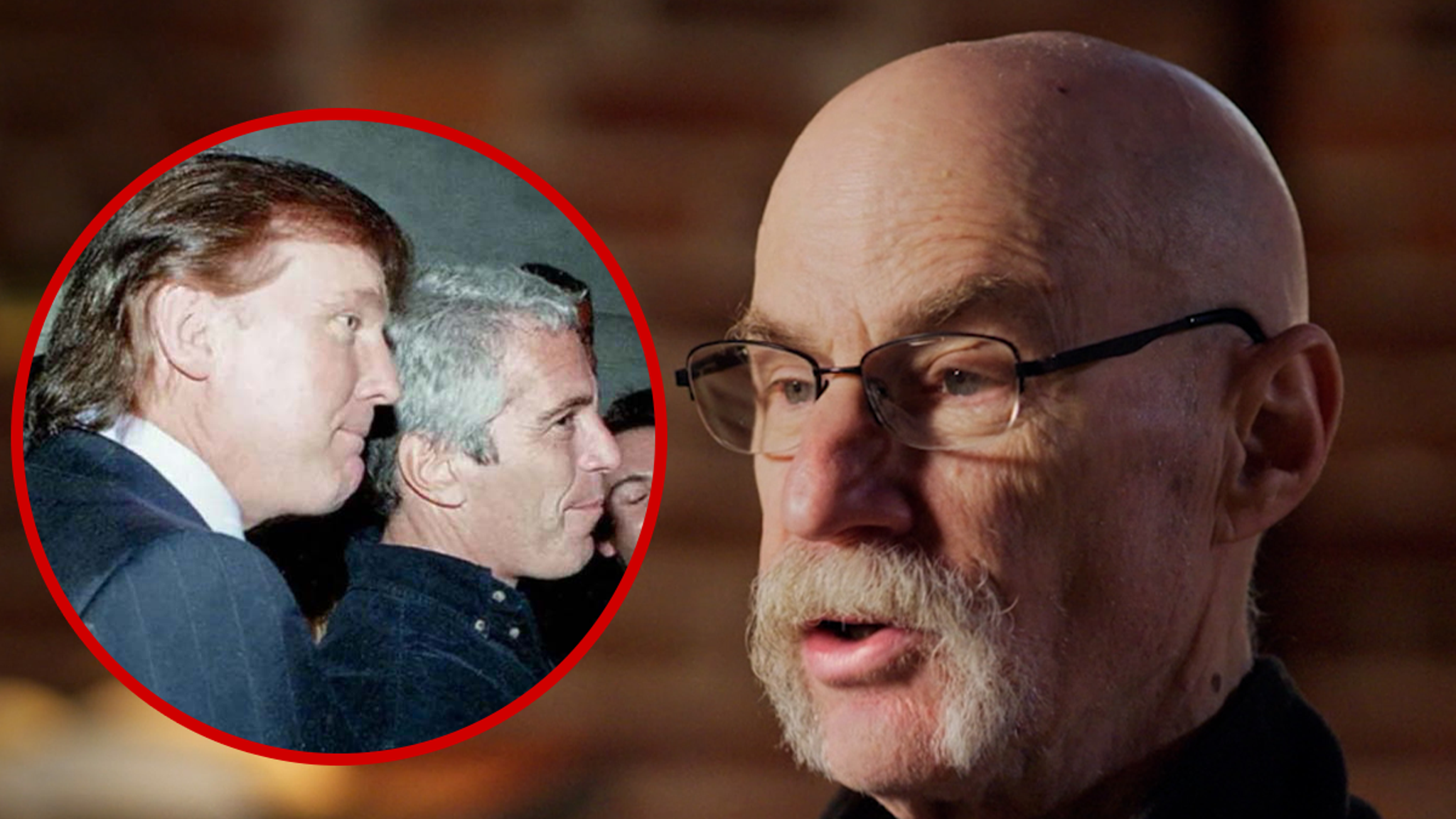
In the final days before his death inside a federal detention facility in lower Manhattan, disgraced financier Jeffrey Epstein frequently engaged in candid conversations with fellow inmates, recounting decades of close association with some of the world’s most powerful political figures. Among the revelations emerging from these prison interactions are detailed claims regarding Epstein’s complex, high-society relationships with former U.S. Presidents Donald Trump and Bill Clinton. According to accounts shared by a former cellmate, Epstein alleged that Donald Trump once described himself in striking terms regarding his social standing, while also offering unprompted commentary concerning Bill Clinton. These disclosures provide a rare, albeit unverified, window into the inner circle of a man whose elite social network remains a subject of intense public scrutiny and investigative journalism.
The circumstances surrounding these disclosures trace back to the Metropolitan Correctional Center (MCC) in New York City during the summer of 2019. Epstein, awaiting trial on federal sex trafficking charges, spent considerable time conversing with fellow inmate William Mersey, an accomplished writer and journalist who has since completed his sentence and regained his freedom. During their interactions in the facility’s holding areas, Mersey reportedly pressed the financier for anecdotes that captured the true essence of his high-profile acquaintances. When asked to share a story emblematic of Donald Trump’s personality and worldview, Epstein allegedly recalled an incident involving a private airplane flight, a French companion, and a destination in Atlantic City.
Beyond the specific anecdote involving Trump, Epstein reportedly pivoted unprompted to discuss his interactions with Bill Clinton, touching upon episodes from the sprawling network of influential figures the financier had cultivated over decades. The ability of Epstein to draw presidents, billionaires, and cultural icons into his orbit has long baffled investigators and the public alike, prompting numerous documentary projects, investigative books, and ongoing public interest regarding how such a vast web of high-level access was maintained for years prior to his initial 2006 arrest in Florida and his subsequent 2019 federal indictment.
Background Context and the Rise of Epstein’s Elite Network
To understand the weight of Epstein’s prison disclosures, it is necessary to examine how the financier built his formidable social empire. Beginning in the late 1980s and spanning through the 1990s and 2000s, Epstein established himself as a fixture among the global elite. Operating primarily out of Palm Beach, Florida, and New York City, he utilized immense wealth—the origins of which remained notoriously opaque—to position himself as a financial wizard and a charming host.
Donald Trump and Bill Clinton were merely two of the numerous prominent figures who crossed paths with Epstein during this era. Public records, flight logs from Epstein’s private aircraft, and photographic archives document interactions between Trump and Epstein dating back to the 1990s at venues such as Mar-a-Lago in Palm Beach. Similarly, Bill Clinton’s association with Epstein during and after his presidency involved multiple reported flights aboard Epstein’s private jets for philanthropic and diplomatic missions, a subject that has drawn extensive media coverage and congressional scrutiny.
The social ecosystem cultivated by Epstein was designed to project influence and exclusivity. By bridging the worlds of high finance, academia, entertainment, and politics, Epstein insulated himself from thorough background checks, allowing him to operate largely unchecked for years despite early warning signs and complaints lodged by victims and local law enforcement authorities.
Chronology of Key Events
The timeline surrounding Jeffrey Epstein’s legal downfall and subsequent disclosures highlights a rapid sequence of events that permanently altered the public discourse surrounding his network:
- 1990s–2000s: Jeffrey Epstein cultivates close social ties with prominent political figures, including Donald Trump and Bill Clinton, frequently hosting them at his residences and utilizing his private aircraft.
- 2006: Palm Beach Police Department investigates Epstein following allegations of sexual abuse involving minors, leading to a controversial non-prosecution agreement reached with federal prosecutors in Florida in 2008.
- July 2019: Epstein is arrested by federal authorities at Teterboro Airport in New Jersey, facing new federal sex trafficking and conspiracy charges in the Southern District of New York.
- August 2019: While being held at the Metropolitan Correctional Center in Manhattan, Epstein engages in extended conversations with fellow inmates, including William Mersey, sharing stories about his elite acquaintances.
- August 10, 2019: Epstein is found dead in his federal prison cell, with the New York City Medical Examiner ruling the death a suicide by hanging, effectively halting criminal proceedings against him.
- October 2026: New details emerge publicly regarding Epstein’s prison conversations with Mersey, shedding further light on the private dynamics between Epstein and his former high-profile associates.
Official Responses and Reactions from Related Parties
Following the circulation of these prison accounts, media organizations sought formal comment from the representatives of the political figures named in the disclosures. A spokesperson for the White House addressed the renewed attention regarding Donald Trump and Jeffrey Epstein, reiterating a long-standing position held by Trump’s team. According to the spokesperson, Trump ultimately severed ties and barred Epstein from his Mar-a-Lago resort years prior to Epstein’s federal arrest, citing concerns over Epstein’s inappropriate behavior and predatory conduct toward individuals at the club. This narrative aligns with previous statements from Trump’s associates emphasizing that the former president had distanced himself from Epstein long before the 2019 indictment.
Conversely, outreach directed to representatives for former President Bill Clinton regarding the prison anecdotes yielded no immediate public response. Clinton’s camp has historically maintained that the former president’s association with Epstein was limited, asserting that Clinton had not spoken with Epstein in well over a decade prior to the financier’s 2019 death and was unaware of the full scope of Epstein’s criminal activities.
Broader Impact and Implications
The persistence of stories regarding Jeffrey Epstein’s inner circle underscores the enduring public fascination and institutional fallout associated with his crimes. Even years after his death inside a federal correctional facility, the mechanisms that allowed a financier of disputed wealth to gain access to the highest echelons of American power continue to be scrutinized by researchers, journalists, and government investigators.
The claims made by Epstein to fellow inmates like William Mersey, while anecdotal and difficult to independently verify, contribute to the historical record of how Epstein perceived his relationships with powerful men. They illustrate a pattern where the financier derived a sense of social currency from his proximity to the presidency and global wealth, often positioning himself as an insider privy to the private behavior and insecurities of the powerful.
Ultimately, the ongoing revelations from the "Epstein files" and prison accounts serve as a reminder of the systemic failures that allowed elite impunity to persist for decades. As documentary projects, investigative reporting, and archival disclosures continue to unpack the remnants of Epstein’s network, the focus remains firmly on accountability, the protection of victims, and a thorough examination of the intersection between wealth, power, and the justice system in modern American history.