
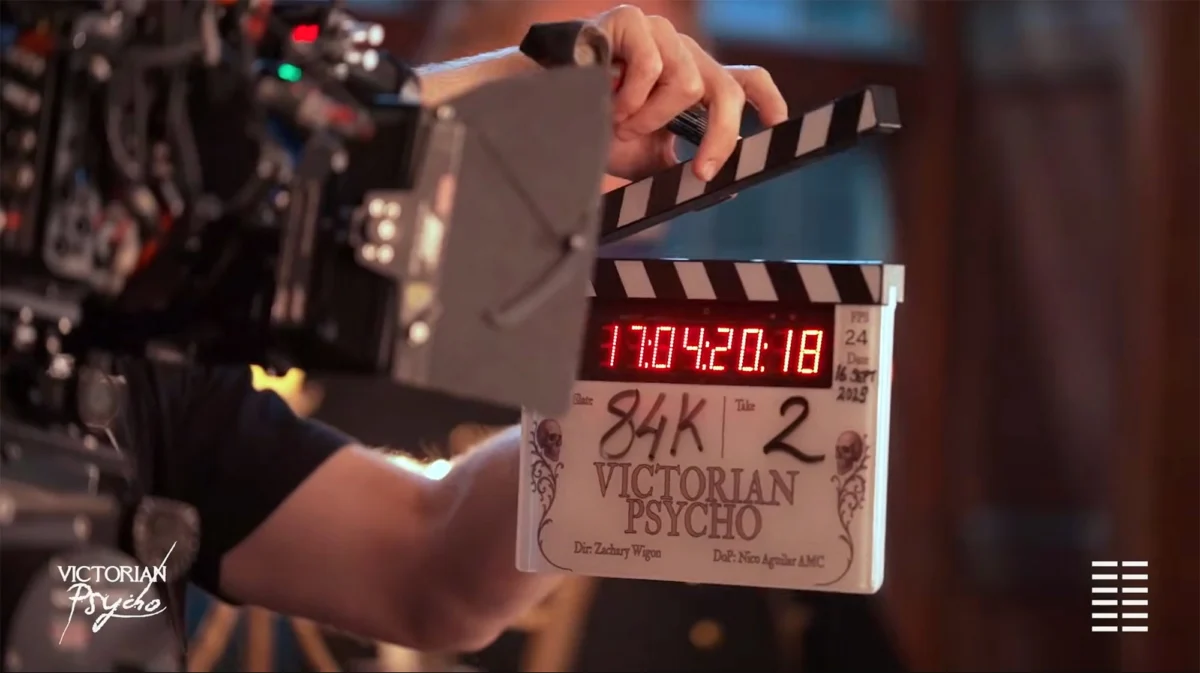
As the autumn theatrical calendar enters its peak corridor for genre cinema, distributor Bleecker Street has released a comprehensive making-of featurette for its highly anticipated period horror-comedy, Victorian Psycho. Directed by indie filmmaker Zachary Wigon and headlined by scream queen mainstay Maika Monroe, the film has steadily built critical momentum following its debut earlier this year. The newly published promotional video, accompanied by fresh poster art, offers audiences an inside look at the meticulous craftsmanship, tonal balancing act, and gothic atmosphere required to transpose the psychological architecture of modern satires like American Psycho into the rigid, repressed social hierarchies of mid-nineteenth-century Britain.
With its nationwide theatrical premiere scheduled for mid-November, industry analysts and horror enthusiasts alike are tracking the feature as one of the season’s most intriguing counter-programming options. Blending dark humor with period-accurate set design and sharp social commentary, Victorian Psycho explores the dangerous intersection of nineteenth-century domestic service and unbridled homicidal impulse.
Chronology of Production, Festival Circuit Debut, and Marketing Rollout
The trajectory of Victorian Psycho began well before its upcoming wide release, taking shape through a carefully orchestrated festival premiere and tiered promotional campaign. Directed by Zachary Wigon—whose previous directorial efforts include the indie techno-thriller The Heart Machine and the acclaimed, claustrophobic psychological dark comedy Sanctuary starring Margaret Qualley—the film was developed from a screenplay penned by writer Virginia Feito. Production was steered by a collaborative team of producers featuring Dan Kagan, Sébastien Raybaud, Nick Shumaker, Elizabeth Siegal, and Wigon himself.

The film’s festival premiere served as a critical launching pad. In May, Victorian Psycho traveled to the prestigious 2026 Cannes Film Festival, where it was selected to screen in the competitive Un Certain Regard section. The international premiere yielded generally positive notices from critics, who praised its audacious tone, stylistic verve, and Monroe’s committed lead performance.
Following its reception on the Croisette, Bleecker Street acquired distribution rights, establishing a distribution blueprint aimed at maximizing the film’s genre appeal. The summer months brought the release of the official full-length trailer, which established the film’s central premise and dark comedic sensibilities. This initial teaser was followed by targeted promotional pushes, culminating in the late-October drop of the behind-the-scenes featurette. This steady stream of marketing material has successfully sustained audience engagement, bridging the gap between its spring festival debut and its impending November 13 theatrical rollout across select United States cinemas.
Premise, Literary Influences, and Ensemble Cast Dynamics
Set against the rigidly structured backdrop of the British class system in the Year of Our Lord 1858, Victorian Psycho casts Maika Monroe as Winifred Notty, an eccentric and deeply enigmatic young governess. Upon securing employment, Miss Notty arrives at Ensor House, a remote and imposing gothic manor isolated from the surrounding society. Her formal duties include instructing the estate’s children in matters of etiquette, deportment, and family history. Beneath this veneer of Victorian respectability and subservience, however, Winifred must constantly suppress dark, psychopathic impulses to maintain her employment and avoid detection.
As Winifred settles into her role, a disturbing pattern emerges within the household. Staff members begin to disappear under inexplicable circumstances. While the domestic help accepts these sudden departures as eccentricities of the estate, the owners of Ensor House grow increasingly suspicious, wondering whether their new, unconventional governess harbors a sinister agenda. The narrative functions as a psychological descent, trapping the audience inside the mind of a protagonist who exists on a razor-thin boundary between political insurrection and total, unmitigated madness.

The thematic parallels to Bret Easton Ellis’s modern classic American Psycho are intentional, reframing the socio-economic narcissism of Wall Street yuppies into the gendered oppression and class rigidity of Victorian England. Screenwriter Virginia Feito leverages the historical constraints placed on women during the nineteenth century to heighten the stakes of Winifred’s violent outbursts.
To bring this claustrophobic gothic world to life, Wigon assembled a stellar ensemble cast. Joining Monroe are veteran actor Jason Isaacs, celebrated rising star Thomasin McKenzie, and acclaimed dramatic actress Ruth Wilson. The supporting cast further rounds out the household and village dynamics with performances by Evie Templeton, Jacobi Jupe, Amy De Bhrún, Paul Reid, and Katherine Moran. Together, the ensemble provides the psychological friction necessary to sustain a narrative where every polite dinner conversation carries underlying lethal tension.
Box Office Context, Strategic Distribution, and Market Implications
Bleecker Street’s release strategy for Victorian Psycho reflects a calculated approach to specialty genre distribution during the competitive fourth-quarter box office season. Slated to open in select United States theaters on November 13, the film bypasses traditional saturation booking in favor of a platform-style rollout designed to build word-of-mouth among horror aficionados and specialty filmgoers.
In the current theatrical landscape, period horror has carved out a lucrative and reliable niche. Films that successfully marry historical aesthetics with transgressive, contemporary genre tropes—such as Robert Eggers’ works or A24’s catalog of elevated horror—frequently outperform standard mid-budget releases by appealing to a demographically diverse, highly online audience. By positioning Victorian Psycho as both an intelligent satire and a wicked horror-comedy, Bleecker Street aims to capture the demographic that gravitates toward sharp, character-driven psychological thrillers.

Furthermore, the involvement of Maika Monroe serves as a significant asset for the film’s commercial viability. Having established herself as a modern horror icon through breakout roles in It Follows, The Guest, Watcher, and Longlegs, Monroe’s participation acts as a quality assurance marker for genre fans. Her casting guarantees immediate baseline awareness among core horror demographics, which the distributor has amplified through strategic trailer drops and featurette rollouts.
Broader Cultural Significance and Critical Expectations
As Victorian Psycho prepares to make its way to the silver screen, its broader cultural implications lie in its subversion of traditional period drama tropes. Historically, nineteenth-century period pieces—particularly those adapted from gothic literature or focusing on the lives of governesses—have prioritized themes of repression, romance, and class aspiration. Wigon and Feito’s film subverts these expectations by weaponizing that very repression, turning the stifling social expectations of Victorian womanhood into a pressure cooker for extreme violence.
Early critical consensus from the Cannes Film Festival indicates that the gamble has paid off, with reviewers noting that the film avoids the trap of feeling like a superficial pastiche of American Psycho. Instead, it carves out a distinct identity through its focus on period-specific anxieties regarding labor, gender, and social mobility.
With the release of the final featurette and the clock ticking down to its November 13 theatrical debut, Victorian Psycho stands poised to deliver a unique cinematic experience. For horror fans seeking a blend of high-society manners and unfiltered butchery, Zachary Wigon’s latest feature promises to slice through the autumn box office with precision, wit, and unrelenting style.