




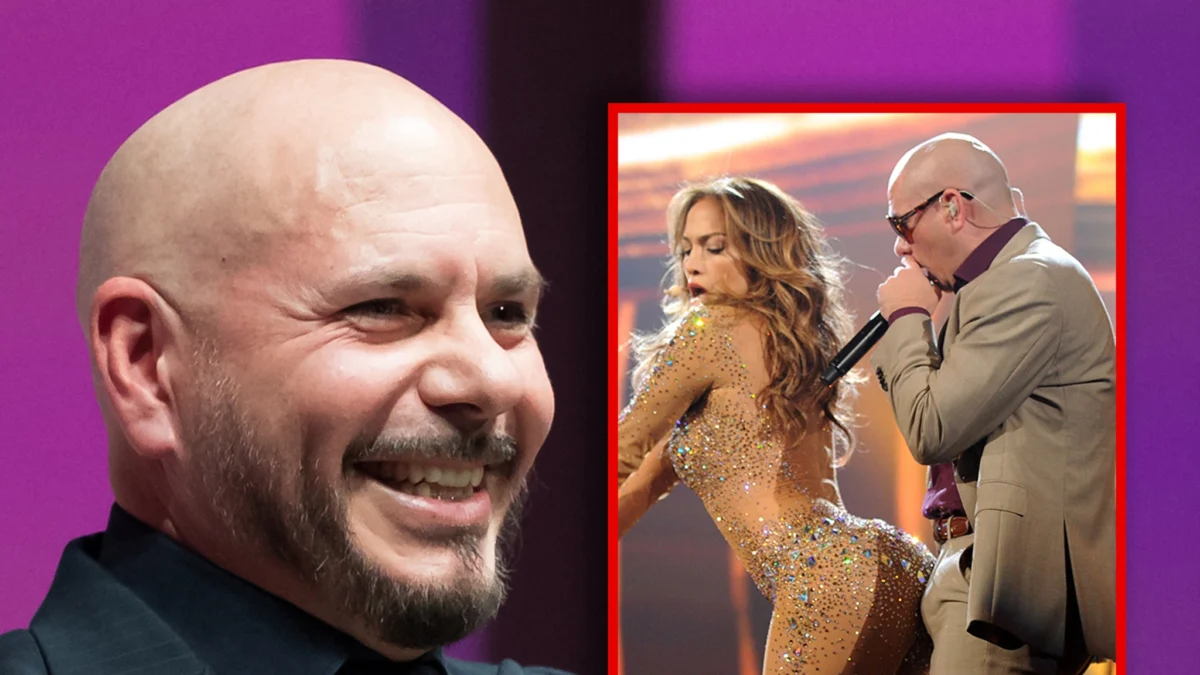
During a candid discussion at Billboard Latin Music Week in Miami, global recording artist Pitbull offered a surprisingly transparent retrospective regarding one of the most talked-about live television moments of his career. Speaking to an audience of industry professionals and fans on Wednesday, October 22, 2026, the rapper—born Armando Christian Pérez—reflected on his high-profile 2011 American Music Awards (AMAs) performance alongside pop icon Jennifer Lopez. More than a decade and a half after the event took place, Pitbull admitted that Lopez’s unexpected choreography during their live rendition of the smash hit "On the Floor" left him physically "excited," shedding light on an unscripted moment that immediately became a focal point of pop culture history.
The disclosure, delivered with the performer’s characteristic candor, quickly circulated across social media platforms, sparking viral commentary and humorous reactions from viewers who noted that the rapper’s reaction was entirely human given the circumstances. While the admission arrived nearly fifteen years after the initial broadcast, it serves as a fascinating footnote to the enduring professional partnership between two of Latin music’s most influential global ambassadors.
The 2011 American Music Awards: A Night to Remember
To understand the context of Pitbull’s recent revelation, one must revisit the landscape of pop and dance music in late 2011. Jennifer Lopez was in the midst of a monumental career resurgence, propelled by the massive international success of her single "On the Floor," which featured Pitbull. The track, built upon an infectious sample of Kaoma’s 1989 Lambada-inspired hit "Lambada" and produced by RedOne, had dominated global music charts, becoming one of the best-selling digital singles of all time.
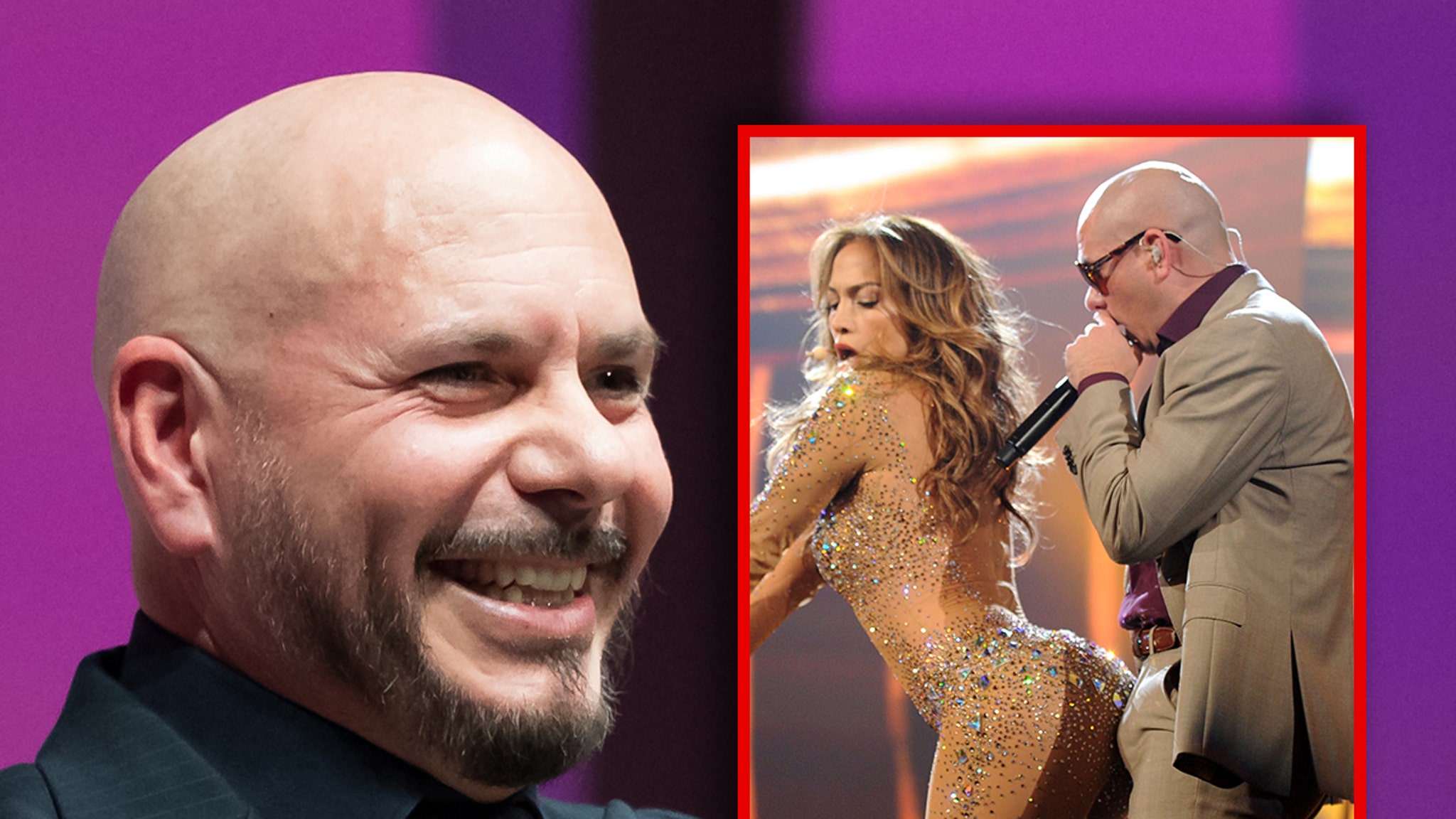
On November 20, 2011, the music world tuned into the American Music Awards held at the Nokia Theatre in Los Angeles. The ceremony boasted a star-studded lineup, but the collaboration between Lopez and Pitbull stood out as the undisputed visual and auditory centerpiece of the evening. Dressed in shimmering, form-fitting attire, Lopez delivered a high-energy dance routine that showcased her renowned performance stamina.
However, according to Pitbull’s statements at Billboard Latin Music Week, not everything that transpired on stage had been vetted during pre-broadcast rehearsals. The rapper revealed that Lopez introduced an unannounced physical element into their routine—specifically, pressing and grinding against him during a high-tempo breakdown in the song—catching him completely off guard.
Unscripted Dynamics on Live Television
Live television performances inherently carry a degree of unpredictability, but choreography in major award show productions is typically locked down through rigorous, repeated rehearsals to ensure camera angles, lighting cues, and audio levels are seamlessly coordinated.
Pitbull explained during the Miami Q&A session that this particular provocative movement was intentionally omitted from their rehearsal sessions. When Lopez executed the impromptu maneuver on live television, the spontaneous physical contact produced an immediate, visceral reaction. With characteristic transparency, the rapper acknowledged that the unexpected intimacy of the moment caught him physically unprepared, leading to the sensation he candidly described to the Miami audience.
For years, pop culture enthusiasts and television viewers had analyzed the chemistry between the two performers, often speculating about the authenticity of their stage presence. Pitbull’s recent commentary effectively confirms that the electricity visible on screen was, at least in part, fueled by genuine, real-time spontaneity rather than strictly disciplined theatrical acting.
A Long-Standing Creative Partnership
The collaborative history between Pitbull and Jennifer Lopez extends far beyond a single awards show stage. Over the past two decades, the duo has forged one of the most successful collaborative pairings in modern pop music, combining Pitbull’s Miami-centric hip-hop cadence with Lopez’s powerhouse pop vocals and global brand appeal.
Following the colossal success of "On the Floor," which amassed billions of streams and solidified both artists’ dominance in the evolving streaming era, the pair reunited for subsequent musical endeavors. In 2014, they teamed up once again alongside Brazilian singer Claudia Leitte for "We Are One (Ole Ola)," the official song of the 2014 FIFA World Cup in Brazil, performing before a worldwide television audience estimated in the hundreds of millions. They also collaborated on tracks such as "Drinkings From a Bottle" and "Booty," further cementing a musical synergy that relied heavily on high-energy rhythms, celebratory themes, and undeniable stage chemistry.
Industry analysts have frequently cited their partnership as a masterclass in cross-genre and cross-demographic marketing, bridging urban Latin music, American Top 40 pop, and international dance floors. Their ability to command massive arena audiences has made them reliable anchors for major televised events, where producers look to them to guarantee high viewership numbers and immediate viral impact.
Public Reaction and Cultural Significance
In the hours following Pitbull’s revelation at Billboard Latin Music Week, digital platforms experienced a predictable surge in traffic regarding the 2011 AMAs performance. Archival clips of the broadcast were shared extensively across X (formerly Twitter), TikTok, and Instagram, accumulating millions of views and reigniting discussions about iconic pop culture moments of the early 2010s.
Public response to the rapper’s admission has been overwhelmingly lighthearted and supportive. Rather than facing criticism for the candid nature of his remarks, social media users largely expressed amusement, with many praising the artist for his refreshing honesty regarding the realities of performing alongside one of the entertainment industry’s most celebrated performers. Commentators noted that given Lopez’s status as a global style and pop icon, an involuntary physical reaction to such close-quarters choreography is a universally understandable human response.
Furthermore, cultural critics have pointed out that the retrospective discussion highlights a broader shift in how public figures communicate during industry panels and retrospectives. In controlled media environments like Billboard Latin Music Week, artists increasingly lean into authentic storytelling and behind-the-scenes anecdotes, moving away from hyper-sanitized public relations talking points in favor of transparency that resonates more deeply with contemporary audiences.
Implications for Future Retrospectives
As the entertainment industry continues to mine past decades for nostalgia—particularly the fertile pop era of the 2000s and early 2010s—anecdotes of this nature serve to humanize global superstars. The 2011 American Music Awards performance of "On the Floor" is now cemented not merely as a polished television broadcast, but as a dynamic live event defined by genuine human spontaneity.
For Pitbull, the revelation adds another layer to his public persona as an unfiltered, approachable entertainer who embraces his history in the global spotlight. For Jennifer Lopez, who continues to command headlines across film, music, and fashion, the anecdote reinforces her enduring legacy as a transcendent performer capable of commanding a stage—and capturing the undivided attention of her collaborators—like few others in the business.
As both artists continue to shape their respective legacies within the Latin and global music communities, this latest chapter from Miami serves as a humorous and memorable reminder of the unpredictable magic that can happen when two generational talents share a stage under the bright lights of live television.