



Following the official close of the transformative acquisition of Warner Bros. Discovery by Skydance, the newly formed media titan is setting its sights on total market dominance. Co-CEO David Ellison, speaking to reporters on Thursday, framed the merger not merely as a consolidation of assets, but as the creation of a definitive content powerhouse designed to navigate the turbulent waters of the modern digital economy. With a massive portfolio that includes Paramount, Warner Bros., the CBS broadcast network, and an extensive array of cable assets—ranging from CNN and TNT to MTV and BET—the company now controls one of the most significant intellectual property libraries in history.
The merger brings together two of the oldest and most influential studios in Hollywood, effectively ending a period of intense industry speculation regarding the future of legacy media. For Ellison, the strategy is clear: leverage scale to combat the fragmentation of the entertainment sector. By combining the subscriber bases of Paramount+ and HBO Max, the company immediately commands a global streaming footprint of over 200 million users, positioning it as a formidable competitor against industry giants like Netflix and Disney.
A Strategic Division of Labor
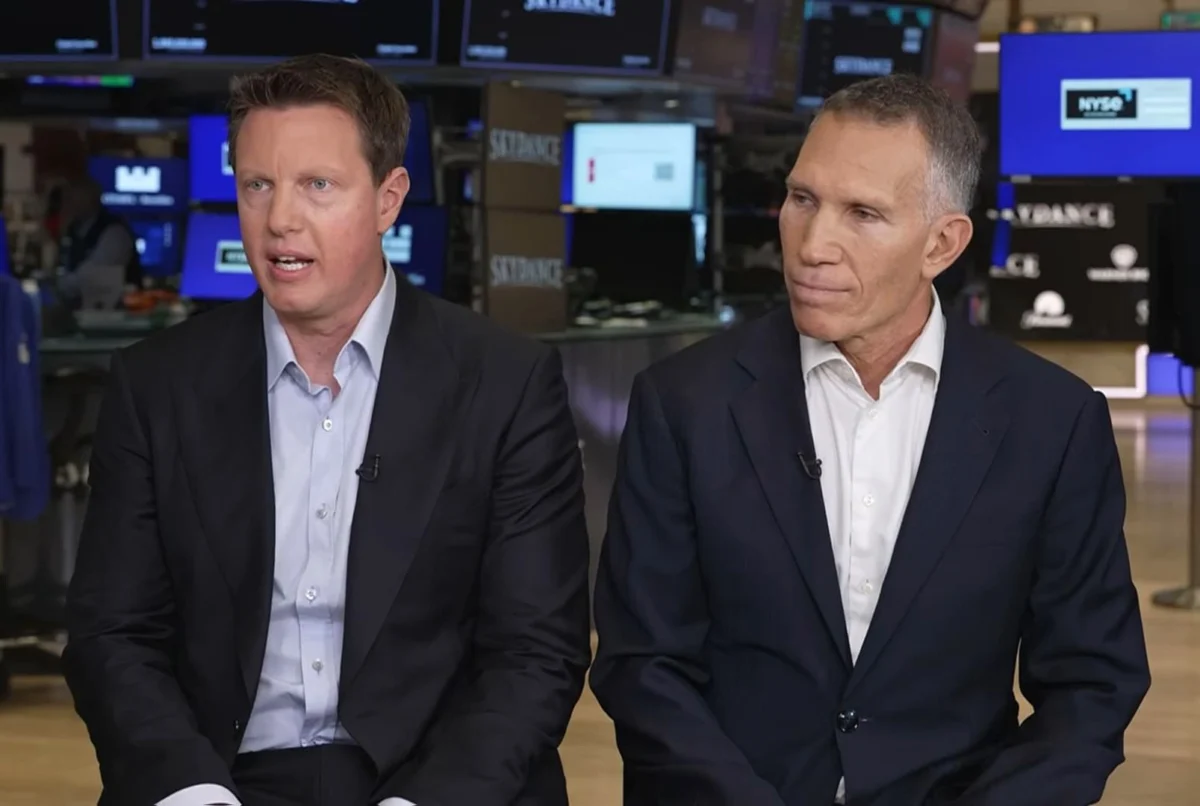
The leadership structure of this new entity reflects a deliberate effort to balance creative ambition with operational rigor. David Ellison, serving as co-CEO alongside industry veteran Ynon Kreiz, will direct his focus toward the company’s long-term creative vision, the integration of cutting-edge production technologies, and the overall strategic direction of the studio’s massive slate of films and television series.
Ynon Kreiz, whose 30-year career in media has earned him a reputation as a turnaround specialist capable of managing complex organizational overhauls, will lead the day-to-day operations and the critical integration process. This division of labor is viewed by analysts as a calculated move to ensure that the company does not lose its creative soul while undergoing the rigorous cost-cutting measures required to service a significant debt load. "We have the assets, the capability, and the people," Kreiz noted during Thursday’s press conference. "We are operating at an inflection point where reaching the consumer and aggregating fans has never been more challenging."
The Burden of Debt and the $6 Billion Synergy Target
While the strategic vision is ambitious, the company faces the immediate and daunting reality of approximately $80 billion in debt. To address this, leadership has set an aggressive target of $6 billion in cost synergies to be realized over the next three years. This figure is expected to be achieved through a combination of technology infrastructure consolidation, marketing efficiency, and real estate optimization.
The specter of labor reductions looms large over these efforts. Executives have confirmed that workforce adjustments are inevitable, a reality that has caused anxiety among employees across the legacy companies. However, Kreiz emphasized that these decisions would be handled with transparency and respect. The company has already begun the process of unifying ad sales operations and is currently in the midst of merging disparate back-end technology stacks, a move designed to streamline operations and reduce technical overhead.
Regulatory Hurdles and Production Mandates
The path to this merger was far from seamless. To secure approval from state attorneys general who had raised significant antitrust concerns, Skydance was forced to make legally binding commitments regarding its theatrical output. The settlement stipulates that the company must maintain a robust commitment to the big screen, with a requirement to release at least 30 films annually in 2027 and 2028, scaling up to at least 32 films annually from 2029 through 2031.

Currently, the entity is tracking to release 35 films in the upcoming year, suggesting that the company is already well-positioned to meet these obligations. These mandates serve as a protective measure for exhibitors and the broader theatrical ecosystem, ensuring that the consolidation of studios does not lead to a reduction in the volume of content reaching moviegoers.
Editorial Independence in the Newsroom
One of the most sensitive aspects of the merger involves the stewardship of two of the world’s most recognizable news organizations: CBS News and CNN. The integration occurs at a time of heightened political scrutiny, particularly regarding CNN’s coverage and its recent interactions with the White House.
The potential for conflict is amplified by the known political leanings of the Ellison family; David’s father, Oracle co-founder Larry Ellison, is a prominent ally of President Donald Trump. To mitigate concerns regarding political interference, the regulatory settlement required the establishment of a dedicated board tasked with overseeing the editorial independence of both news divisions.
On Monday, the company confirmed that Mark Thompson will continue to lead CNN Worldwide as chairman and editor-in-chief, while Bari Weiss will remain at the helm of CBS News. During Thursday’s briefing, Kreiz reiterated that the newsrooms would continue to operate in parallel, maintaining independent editorial structures. Ellison underscored this separation, noting that "corporate stays out of editorial," a sentiment intended to reassure investors and the public that the integrity of the news brands remains a priority.
Chronology of the Skydance-Paramount-WBD Deal
- Early 2026: Initial reports emerge regarding Skydance’s interest in pursuing a massive consolidation strategy involving legacy studio players.
- February 2026: Employee concerns regarding potential layoffs at Warner Bros. Discovery begin to circulate as preliminary merger talks gain momentum.
- September 21, 2026: A settlement is reached with state attorneys general, clearing the primary antitrust hurdles and establishing the framework for editorial independence in news divisions.
- September 25, 2026: Skydance formalizes its promises to theater owners, guaranteeing minimum annual film release counts through 2031.
- September 30, 2026: David Ellison and Ynon Kreiz are officially announced as co-CEOs, outlining the split in executive responsibilities.
- October 6, 2026: The merger between Skydance, Paramount, and Warner Bros. Discovery officially closes, marking the birth of a new media conglomerate.
- October 8, 2026: Executives make their first public appearance at the New York Stock Exchange to signal the start of a new chapter for the combined entity.
Looking Toward the Future
The long-term success of this venture will likely depend on the company’s ability to successfully merge two distinct corporate cultures while simultaneously upgrading its streaming technology to retain the 200 million subscribers currently under its umbrella. The transition from a collection of siloed legacy assets to a singular, integrated media machine is a task of unprecedented scale.
Industry observers remain cautiously optimistic. The combination of high-value sports rights, such as those held by CBS, and the massive content libraries of Warner Bros. and Paramount, creates a defensive moat that few competitors can replicate. However, the success of the endeavor will not be measured by the initial excitement of the merger, but by the company’s ability to navigate the shifting landscape of viewer consumption habits.
As the industry faces an inflection point, the leadership of Skydance is betting that size, when paired with technological agility, will define the next generation of media consumption. By keeping the news operations at arm’s length and focusing on "building for future generations," Ellison and Kreiz have articulated a vision that seeks to balance the traditional values of Hollywood production with the digital-first demands of a global audience. Whether this $80 billion gamble pays off will be the primary narrative in entertainment business for years to come.