
A New Chapter for the Narnia Franchise
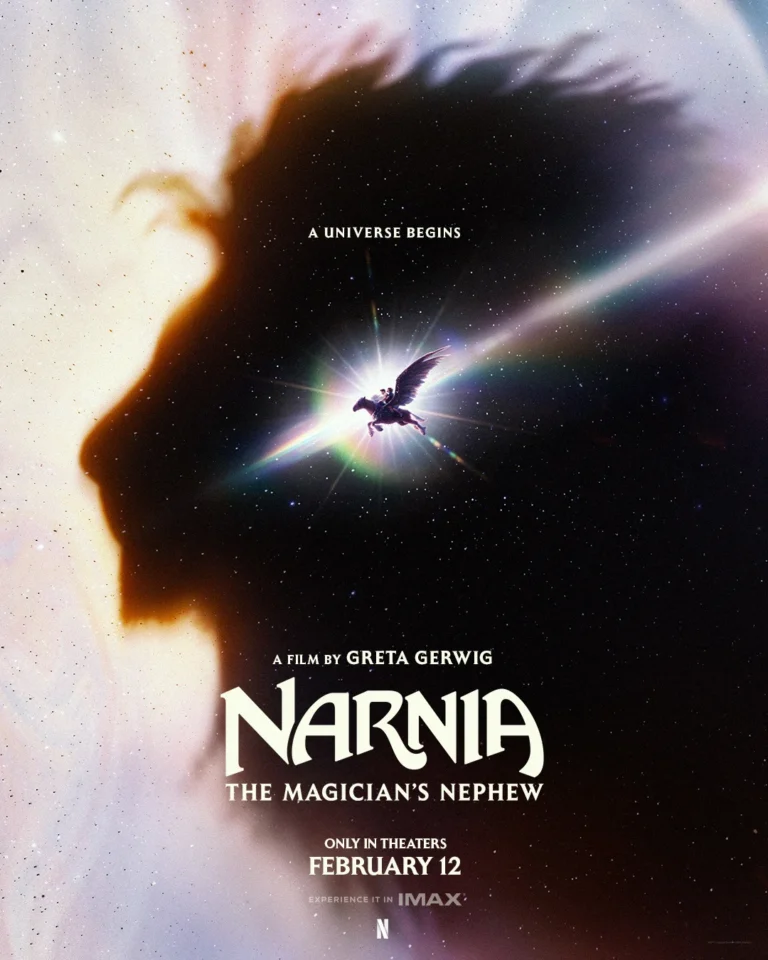
The history of Narnia on screen has been marked by sporadic and disparate attempts at adaptation. From the 1967 ITV serial to the 1979 animated feature and the high-profile trilogy produced in the 2000s, the franchise has long sought a definitive cinematic voice. Gerwig’s approach represents a radical shift. By centering the narrative on The Magician’s Nephew—the first novel in the series’ internal chronology—the production seeks to establish a fresh mythos.
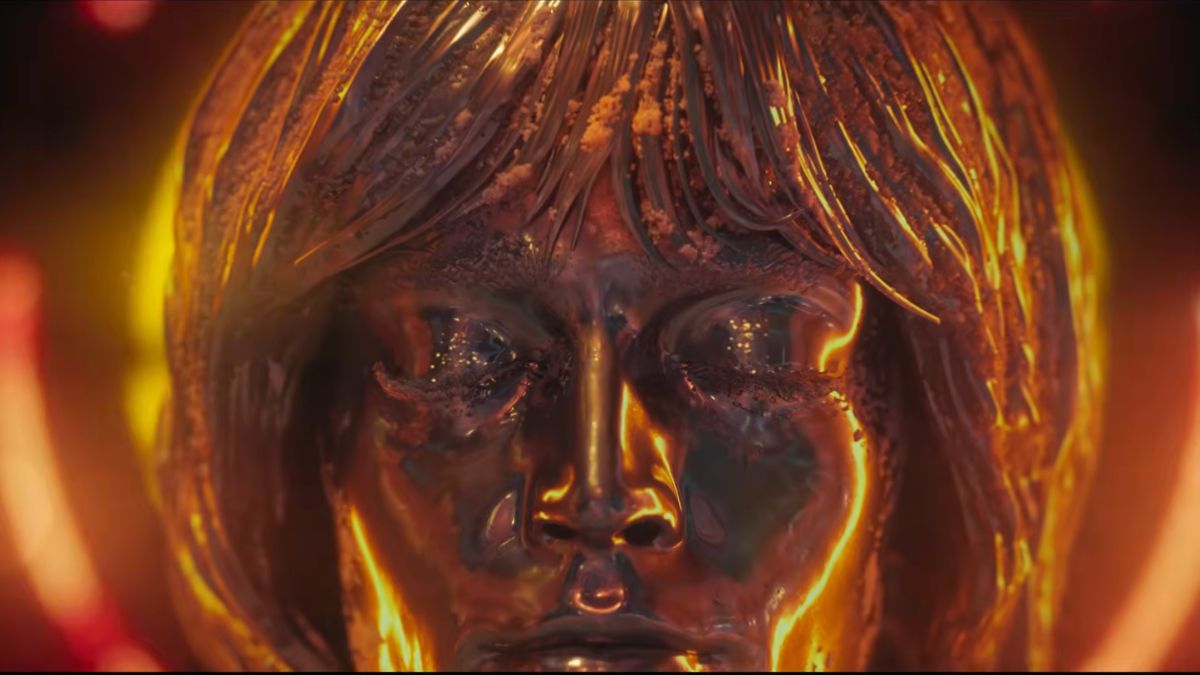
Central to Gerwig’s vision is the incorporation of a "glam-rock" aesthetic, a creative decision aimed at capturing the ephemeral, musical nature of Narnia’s creation. According to recent statements provided by the production team, the film conceptualizes the birth of the world as a symphony of color and sound, with rock and roll serving as the primary tonal framework for this genesis. This stylistic choice is underscored by the film’s trailer, which features the first-ever authorized use of Led Zeppelin’s Stairway to Heaven in a motion picture.
Cast and Production Scope
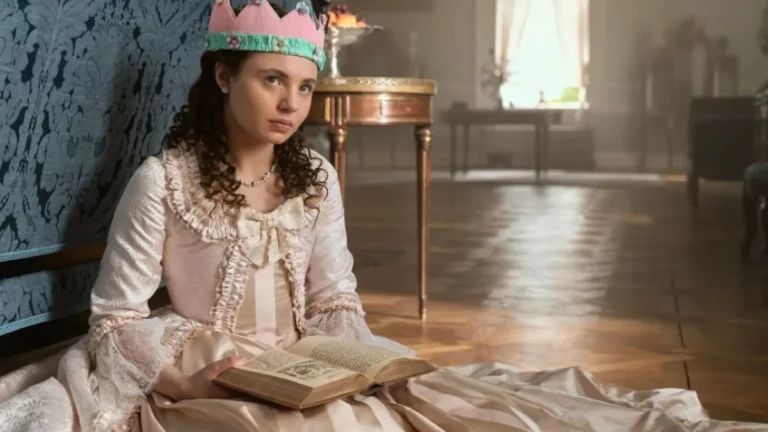
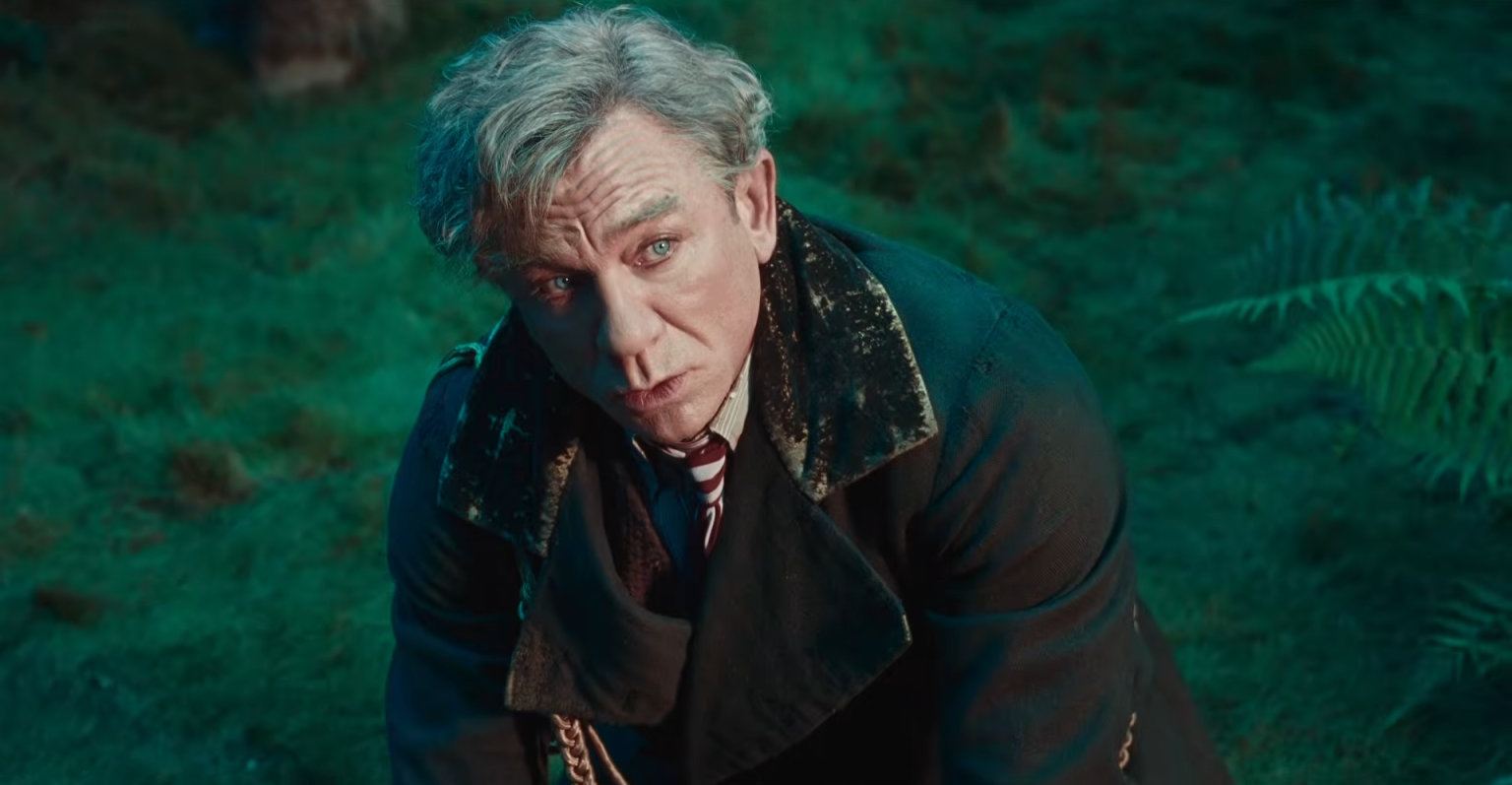
Netflix has invested heavily in a high-caliber ensemble to anchor this ambitious project. The production features Meryl Streep as the voice of Aslan, a choice that emphasizes the character’s ethereal and commanding presence. The cast also includes Daniel Craig as the sinister and eccentric Uncle Andrew Ketterley, Emma Mackey as the formidable Jadis, and Carey Mulligan as Mabel Kirke. Rounding out the primary cast are David McKenna as Digory Kirke and Beatrice Campbell as Polly Plummer.
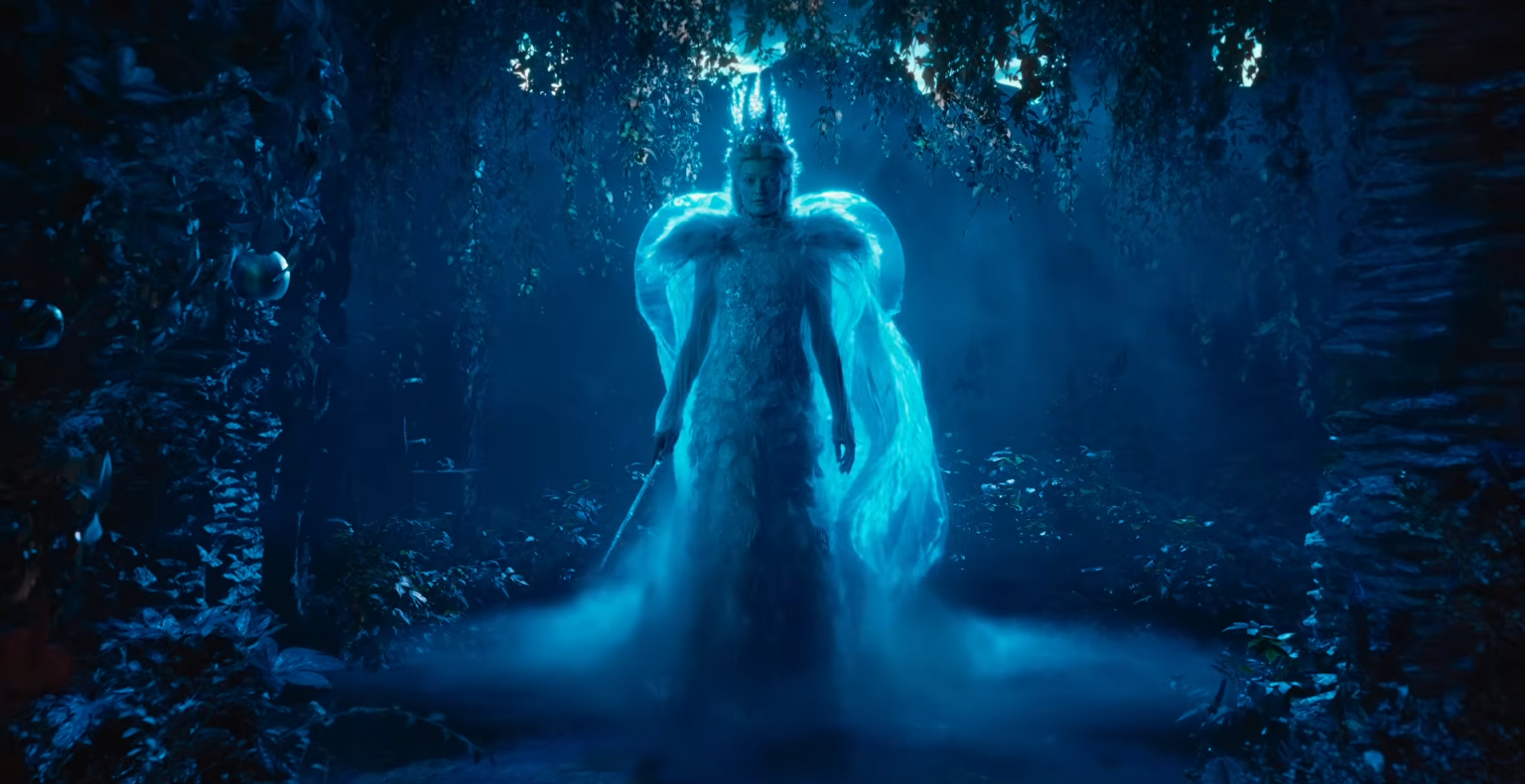
The film is currently scheduled for a dual-release strategy: a theatrical premiere on February 12, 2027, followed by a wide release on the Netflix streaming platform on April 2, 2027. This release window is strategically positioned to leverage early-year interest in major franchise tentpoles.
Trailer Analysis and Narrative Arc
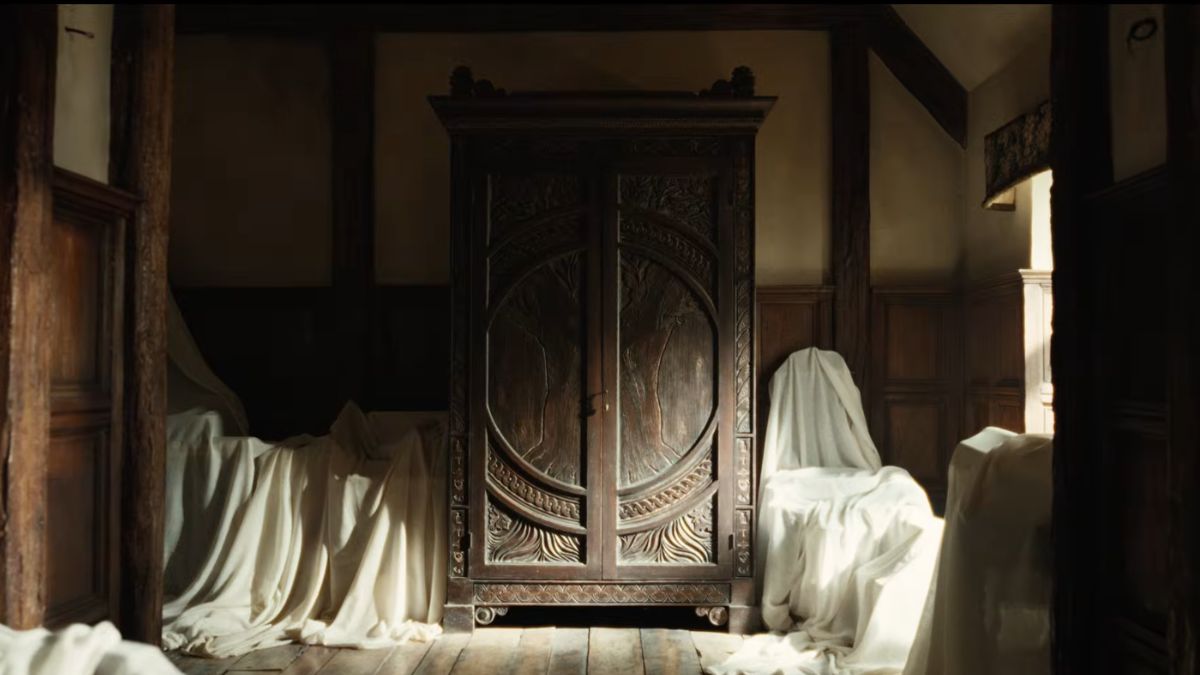
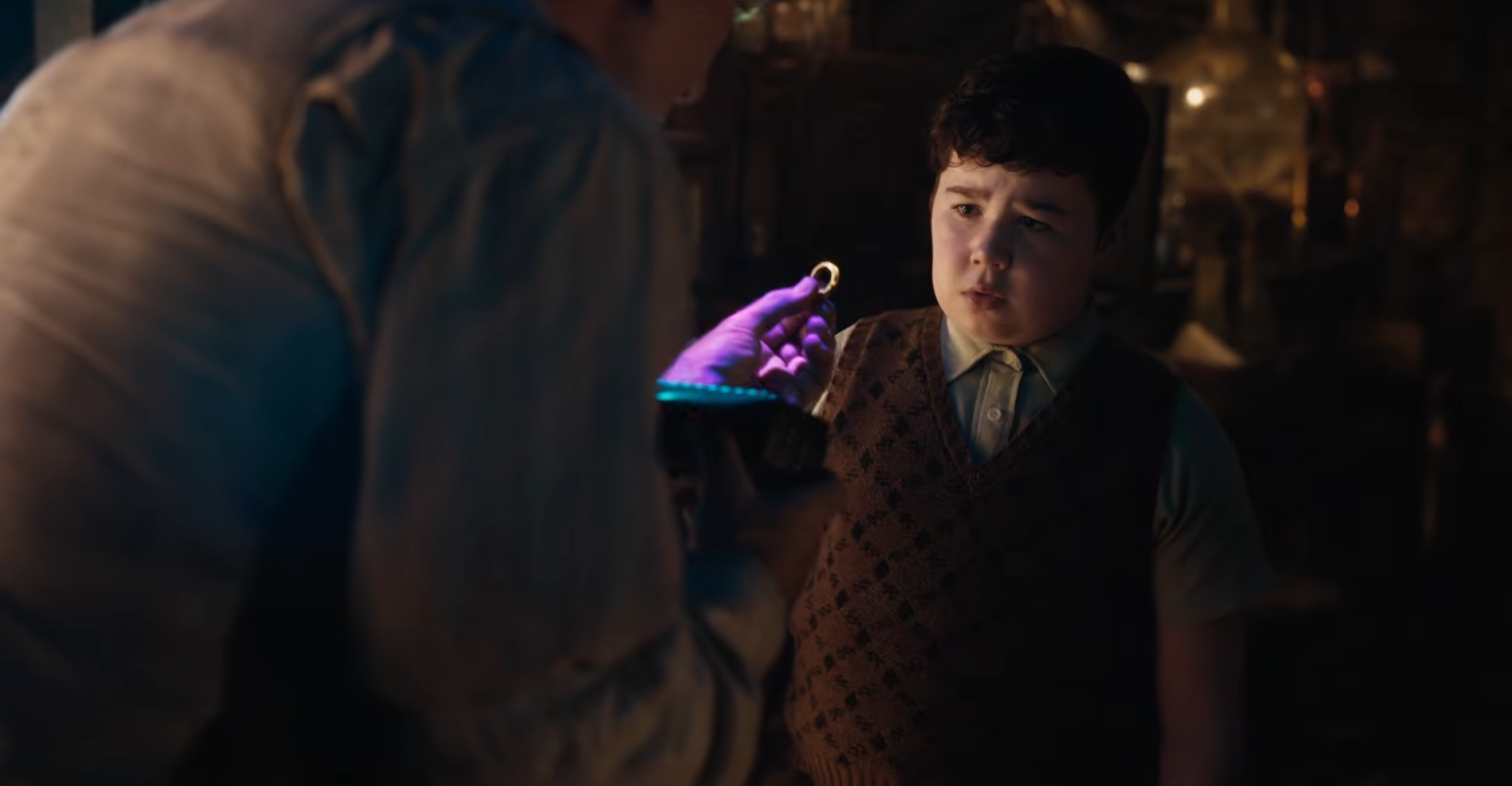
The 150-second promotional trailer offers a structured overview of the film’s narrative, beginning with the iconic wardrobe—a nod to the series’ most famous gateway—before transitioning into the Victorian-era London that serves as the story’s grounding point.
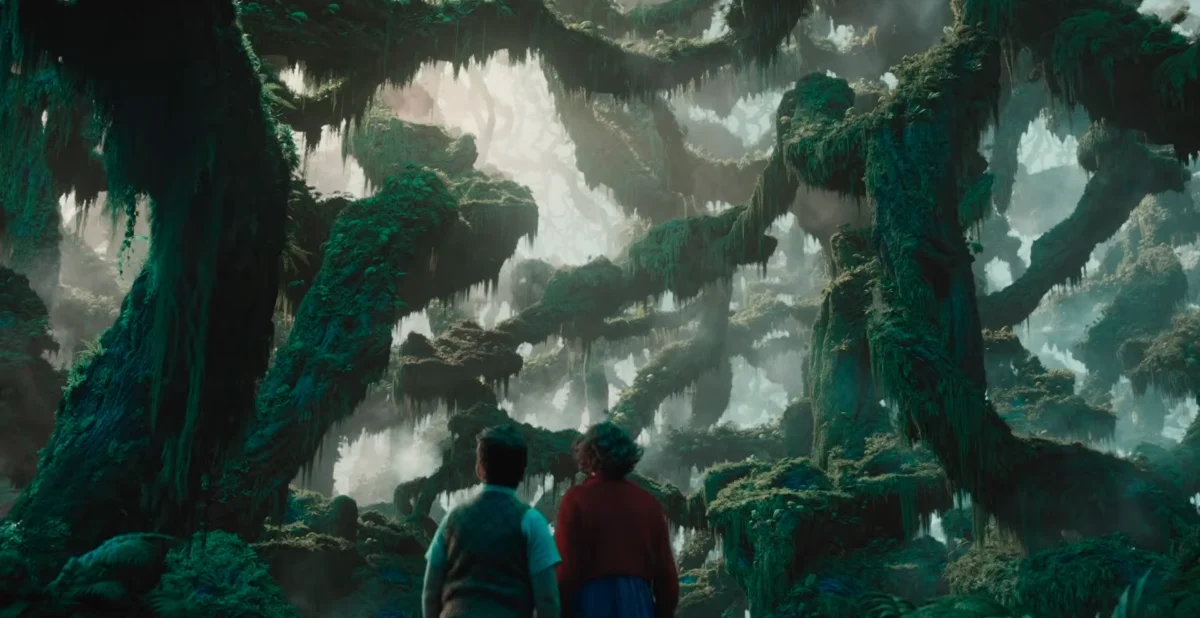
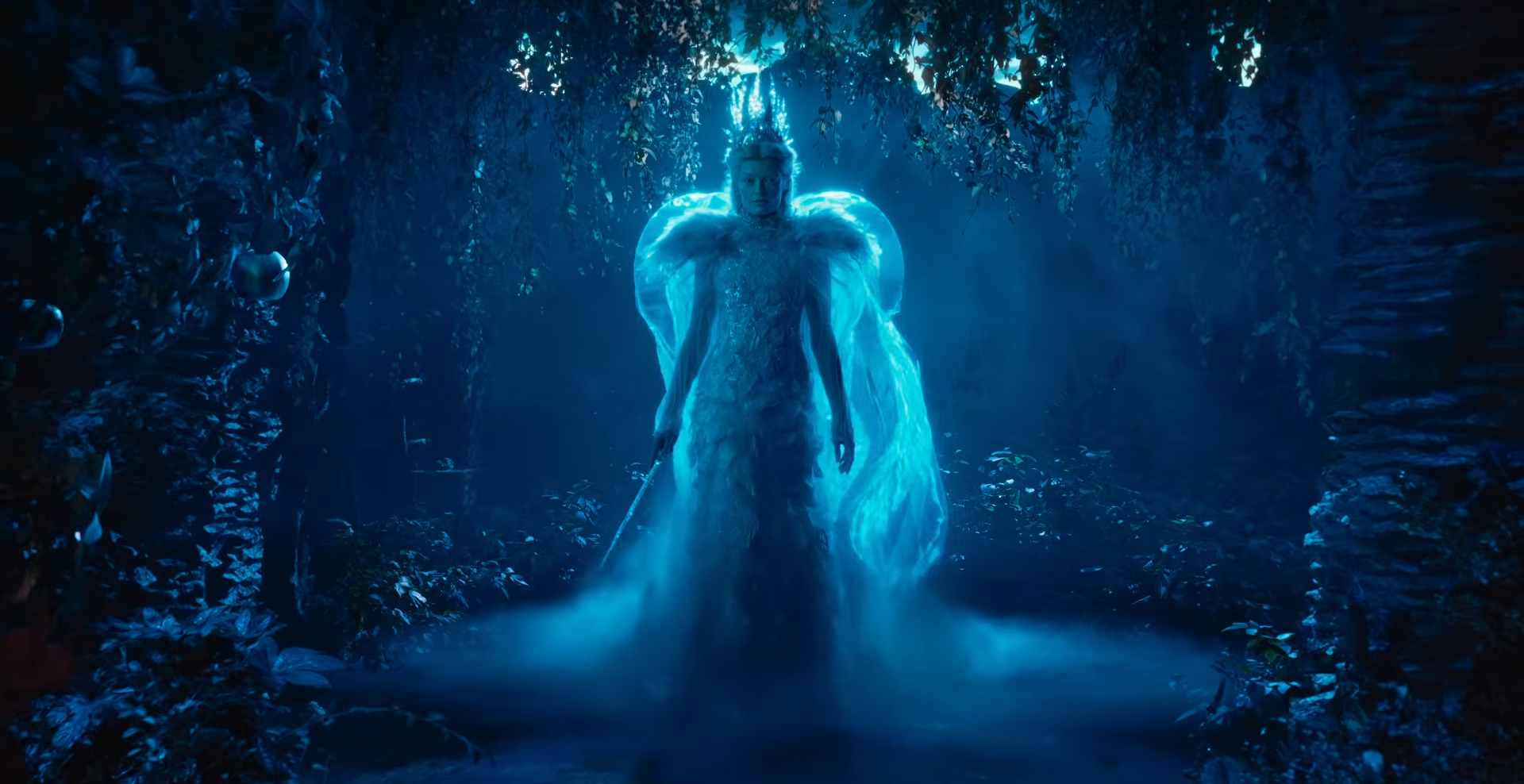
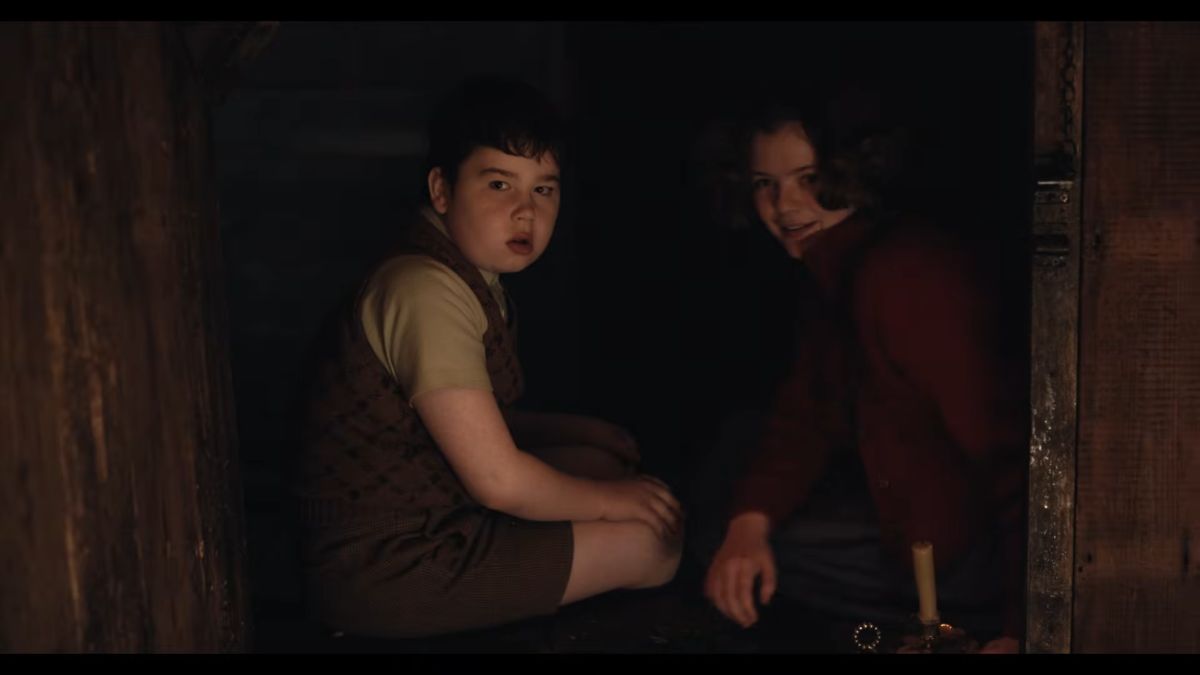
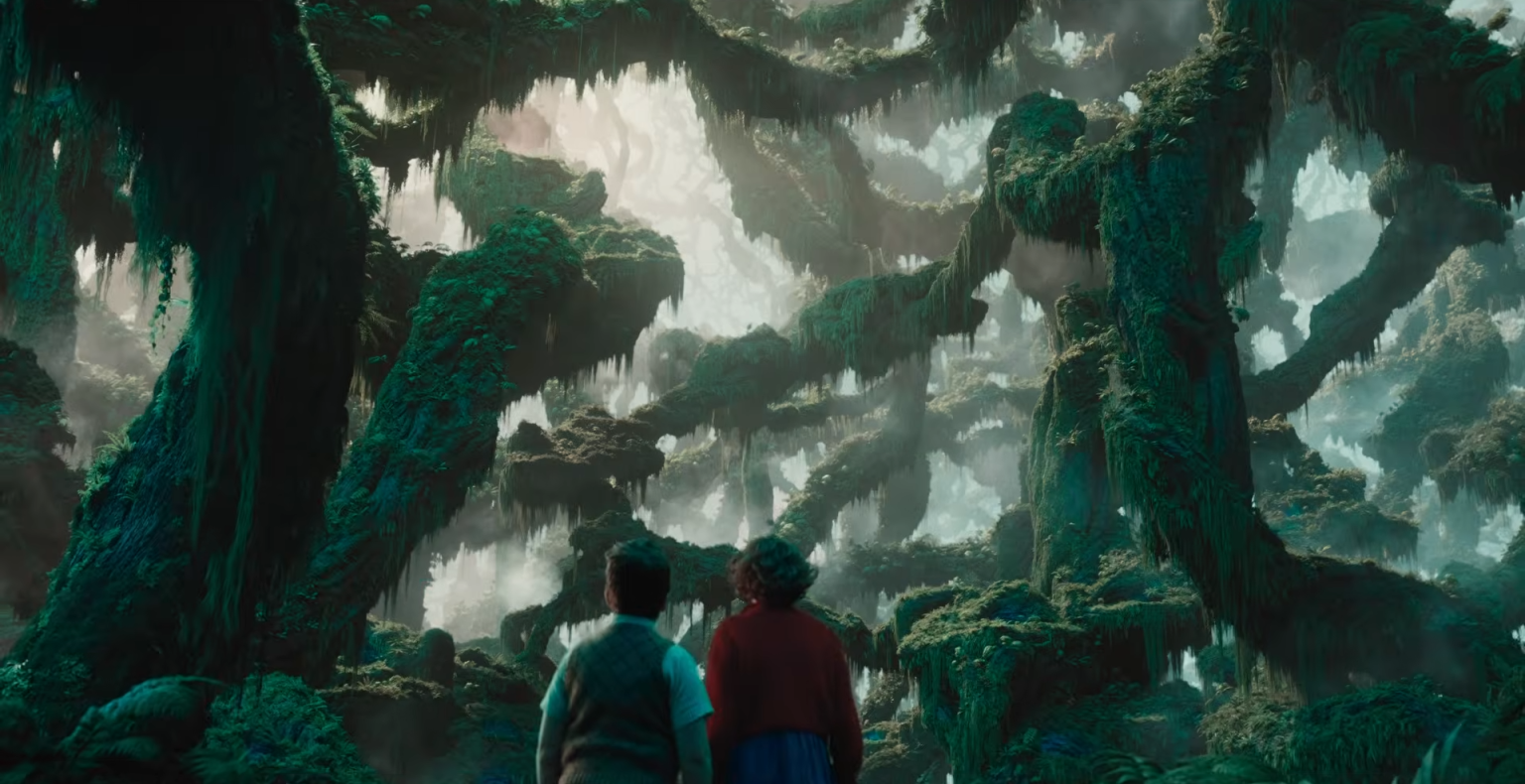
The plot follows Digory and Polly as they navigate the machinations of Uncle Andrew, whose experiments with magical rings facilitate travel between dimensions. The trailer showcases the Wood Between the Worlds, a liminal space acting as a nexus for various universes, and provides the first live-action depiction of Charn. This desolate, dying world serves as the origin point for Jadis, the antagonist who later becomes the White Witch.
A significant deviation from the source material is noted in the trailer: Jadis is shown exercising magical influence within the confines of London. In C.S. Lewis’s original text, the witch is largely stripped of her powers while on Earth. Whether this change suggests a broader alteration to the power dynamics of the Narnian universe remains a subject of intense speculation among literary purists and film analysts alike.
Contextual Significance of the Setting
The inclusion of the pub "The Eagle and Child" in the background of a sequence set in London serves as a deliberate nod to the "Inklings," the literary group comprising C.S. Lewis and J.R.R. Tolkien. This Easter egg acknowledges the historical context of the source material, rooting the fantasy world in the academic and creative environment of 20th-century Oxford.
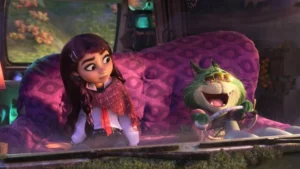
Furthermore, the trailer highlights the introduction of the winged horse, Fledge. Originally a London carriage horse named Strawberry, the animal is transformed by Aslan’s song. The visual execution of this sequence—merging high-fantasy creature design with a vibrant color palette—demonstrates the high-fidelity CGI approach the production is utilizing to differentiate itself from previous, more grounded adaptations.
Critical and Audience Reception
Initial public reaction, as measured through social media sentiment and industry discourse, has been largely positive, albeit divided on the stylistic departures. Many fans have praised the "bold and ambitious" visual direction, citing the final ten seconds of the trailer—which feature the creation of Narnia—as a particular highlight that establishes the film’s potential for visual spectacle.
Conversely, some observers have noted that the film’s aesthetic leans toward a theatrical or stage-play sensibility, which may contrast with the gritty, realistic textures common in contemporary epic fantasy. However, the prevailing sentiment is one of cautious optimism, with industry analysts noting that Gerwig’s track record for character-driven storytelling provides a robust foundation for a project that relies as much on its themes of morality and creation as it does on its visual scale.
Implications for the Narnia Brand
The success of this production is critical for Netflix’s long-term strategy regarding the Narnia intellectual property. Having secured the rights to the entirety of the C.S. Lewis library, the streaming giant is looking to build a sustainable, multi-film universe. If The Magician’s Nephew succeeds, it will likely pave the way for a series of sequels that explore the subsequent eras of Narnian history.
The decision to lean into a distinct, artistic vision rather than attempting a traditional high-fantasy imitation reflects a broader industry trend where auteur directors are granted significant latitude to reinvent classic properties. By moving away from the "Jackson-esque" epic style that defined the 2000s, Gerwig is attempting to capture a younger, more design-conscious demographic.
Economic and Logistical Factors
With a release date set for early 2027, the film is positioned to avoid direct competition with the mid-year blockbuster glut. The theatrical release model is a calculated move to reinforce the "event" nature of the film before it arrives on streaming. Industry data suggests that hybrid release strategies for high-profile IPs generally yield higher audience engagement metrics, as the initial theatrical run builds the necessary cultural cachet for sustained performance on a subscription-based platform.
The production also faces the challenge of adapting a story that, while chronologically first, is structurally distinct from the more action-oriented later entries. The narrative focus on the creation of the world and the origins of its primary players means the film must succeed as a character study as much as an action film. The casting of Meryl Streep as the voice of the divine entity Aslan is a crucial component of this, providing the gravitas needed to balance the whimsical and often surreal elements of the narrative.
Conclusion
The Magician’s Nephew is poised to be a defining moment in the modern adaptation landscape. By balancing the respect for source material with a willingness to experiment with tone and visual language, Greta Gerwig is setting a high bar for the future of the Narnia franchise. As the release date approaches, the focus will undoubtedly shift toward how the film manages the complex themes of redemption, origin, and power that define Lewis’s work. With its unique fusion of rock-and-roll energy and classic fantasy tropes, the film represents a bold, high-stakes endeavor that may well redefine how audiences perceive one of literature’s most enduring worlds. As the countdown to February 2027 begins, the industry will be watching closely to see if this ambitious vision finds its footing in an increasingly crowded fantasy marketplace.