


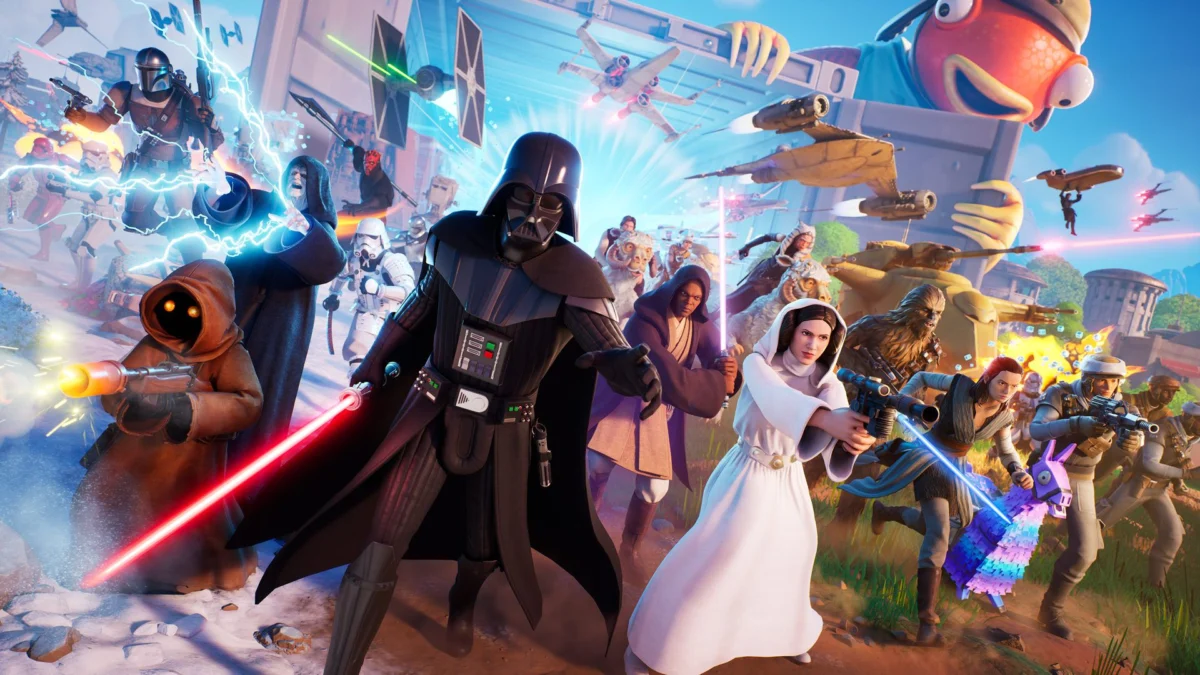
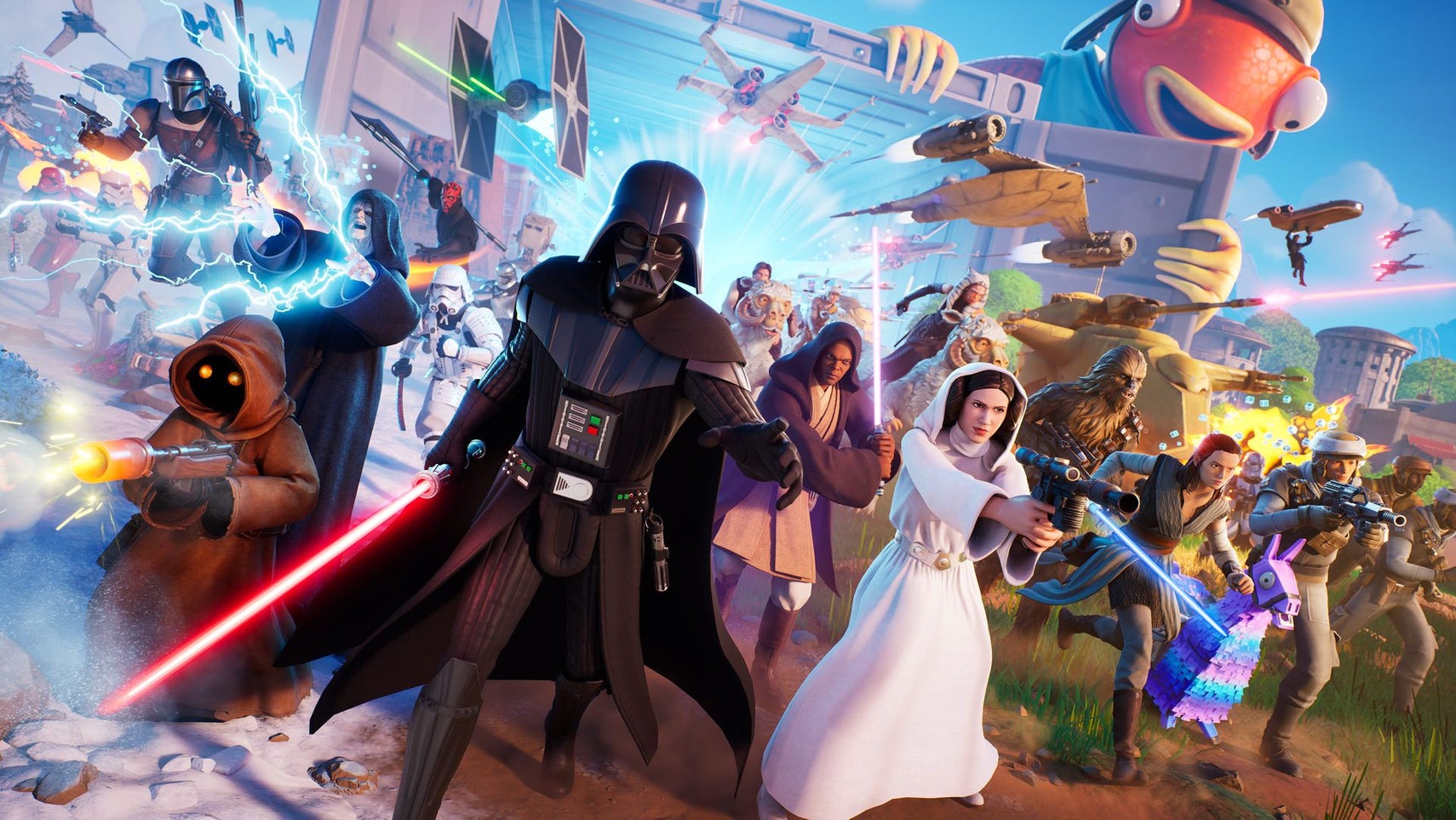
Epic Games, the developer behind the global cultural phenomenon Fortnite, has signaled a fundamental shift in its operational strategy, mandating an "AI-first" production pipeline for a highly anticipated, yet internally delayed, shooter title featuring iconic characters from the Marvel and Star Wars universes. This pivot, confirmed by recent reporting and internal communications, represents one of the most aggressive industry-wide adoptions of generative AI in high-budget, "triple-A" game development to date. The decision follows a series of setbacks for the ambitious collaborative project, which was originally slated for a March 2027 release.
The Genesis of the Disney-Epic Partnership
The collaboration between Epic Games and The Walt Disney Company traces its origins to early 2024, when Disney announced a significant $1.5 billion equity investment in the Cary, North Carolina-based developer. The partnership was framed as the creation of a persistent, expansive "games and entertainment universe" that would integrate deeply with the Fortnite ecosystem.
This venture was designed to allow users to engage with Disney’s massive intellectual property catalog—spanning Star Wars, Marvel, Pixar, and Avatar—in an interactive, user-generated environment. For Disney, the partnership served as a strategic entry point into the gaming market, bypassing the complexities of internal development by leveraging Epic’s Unreal Engine infrastructure and Fortnite’s massive, pre-existing player base. For Epic, the deal provided a massive infusion of capital and a massive boost to its long-term viability as it sought to evolve from a battle royale provider into a broader platform for digital socialization.
Chronology of the Development Pivot
The development of the crossover shooter has reportedly encountered significant hurdles, leading to the internal delay of its 2027 target window. According to sources familiar with the matter, the project—which combines the tactical shooting mechanics of Epic’s flagship titles with the high-fidelity aesthetics required for Star Wars and Marvel properties—faced mounting technical challenges.
In response to these delays, internal directives have shifted the focus toward radical automation. A game director, in a message circulated among the project’s development staff, suggested that the project would transition away from traditional manual coding and toward generative AI workflows. Specifically, developers have been instructed to utilize tools such as Anthropic’s Claude to assist in the generation of both technical infrastructure and creative assets. This mandate, which initially caught many employees by surprise, marks a departure from the conventional wisdom that high-budget games require purely human-led creative output to maintain quality standards.
Data-Driven Development: The "AI-First" Mandate
The push toward AI-assisted development is not merely an experimental phase but an institutional strategy. Epic CEO Tim Sweeney has publicly clarified the company’s stance, emphasizing that the primary objective of this transition is to maximize productivity and scalability.
"The aim isn’t to do the same stuff with fewer people, but to enable everyone here to build more and better stuff, and to bring the benefits to all teams using Unreal," Sweeney stated via social media. This philosophy posits that AI should act as a force multiplier, allowing smaller teams to produce assets that would previously have required significantly larger headcounts.
This strategy arrives against a backdrop of financial instability. In late 2023, Epic Games implemented a workforce reduction of over 1,000 employees, citing a disconnect between the company’s expenditures and its revenue streams. At the time, Sweeney acknowledged that the company was spending significantly more than it was earning, necessitated by the cost-intensive nature of building the "metaverse" vision. By integrating AI-driven workflows, Epic appears to be attempting to reconcile its massive overhead with the need for high-frequency content delivery.
Industry Implications and Technical Shifts
The reliance on tools like Anthropic’s Claude for game production represents a significant milestone in software engineering. Traditionally, game development relies on manual scripting in languages such as C++ (for Unreal Engine). The introduction of generative AI into this pipeline suggests that Epic is testing the limits of large language models (LLMs) to write, debug, and optimize game code at scale.
If successful, this transition could fundamentally alter the economics of the video game industry. High-end titles, which frequently take five to seven years to develop and cost hundreds of millions of dollars, could see their production timelines compressed and costs reduced. However, this approach also introduces significant risks regarding intellectual property, the quality of AI-generated assets, and the morale of the creative workforce.
The Human Capital Conflict
The move to replace manual labor with generative tools has prompted internal concerns regarding job security and the creative direction of the company. The juxtaposition of the 2023 mass layoffs with the current push for "AI-accelerated development" has created a tense atmosphere within the studio. Many developers are reportedly struggling to adapt to workflows that prioritize prompt engineering and AI-assisted debugging over traditional artisanal programming and design.
Epic’s communications director, Jake Jones, addressed these concerns in a formal statement, noting that the company’s vision is still driven by human creativity. "We’re embracing AI-accelerated development, led by Epic developers who are the visionaries and creative drivers for everything we do," Jones stated. Despite this, the tension remains: if AI becomes the primary engine for content generation, the definition of a "developer" may undergo a permanent transformation, shifting from a creator of code to an editor of machine-generated output.
Broader Market Context: The Disney Factor
The pressure on Epic to deliver the Star Wars-Marvel project is compounded by the evolving nature of the Disney-Epic relationship. Reports have surfaced suggesting that senior Disney executives have explored the possibility of an outright acquisition of Epic Games. While such an acquisition would represent a monumental consolidation of media and technology, it remains speculative. However, the interest underscores the stakes involved in the current collaboration. Disney is arguably the most valuable brand owner in the world, and any failure to effectively monetize its IP within a digital gaming space would be considered a significant strategic miss.
For Epic, the successful execution of this crossover is crucial for its long-term survival as an independent entity. The company’s valuation, bolstered by the $1.5 billion investment, is tied to its ability to turn the "Fortnite universe" into a destination for all forms of digital entertainment. If the current shooter project fails to meet expectations or continues to slip in its development timeline, the company’s reputation as the premier developer of live-service platforms could be jeopardized.
Analysis: Can AI Replace Traditional Development?
The debate surrounding AI in game development is multifaceted. Proponents argue that the complexity of modern games has reached a point where manual development is no longer sustainable, citing the rise in development costs and the frequency of "crunch" culture as evidence that the current model is broken. By automating repetitive tasks—such as environment asset generation, basic scripting, and QA testing—AI could potentially eliminate the burnout that plagues the industry.
Conversely, skeptics argue that the "soul" of a game—its narrative cohesion, mechanical nuance, and artistic vision—cannot be replicated by LLMs. There are also legal and ethical concerns regarding the training data used for these AI models, particularly when they are used to generate assets that mimic specific creative styles. Furthermore, the reliance on proprietary AI tools creates a dependency that may be difficult to reverse, potentially locking developers into specific technological ecosystems.
Looking Ahead: The Future of the Crossover
As the industry watches, the "AI-first" pivot at Epic Games will serve as a bellwether for the rest of the gaming sector. The Star Wars and Marvel crossover, once it eventually reaches the public, will be scrutinized not just for its gameplay and entertainment value, but for the visible fingerprints of the tools used to create it.
If Epic can demonstrate that AI-accelerated development leads to a more polished, feature-rich, and stable product, it is likely that other major studios will follow suit, accelerating a transition that could redefine the role of the game developer for the next generation. If the project falters, however, it may provide a cautionary tale about the limits of automation in a creative field that has long relied on the human element as its primary value proposition. For now, the roadmap for the project remains fluid, and the gaming community waits to see if the combination of Disney’s iconic characters and Epic’s technological gambit will set a new industry standard or prove to be a bridge too far.