

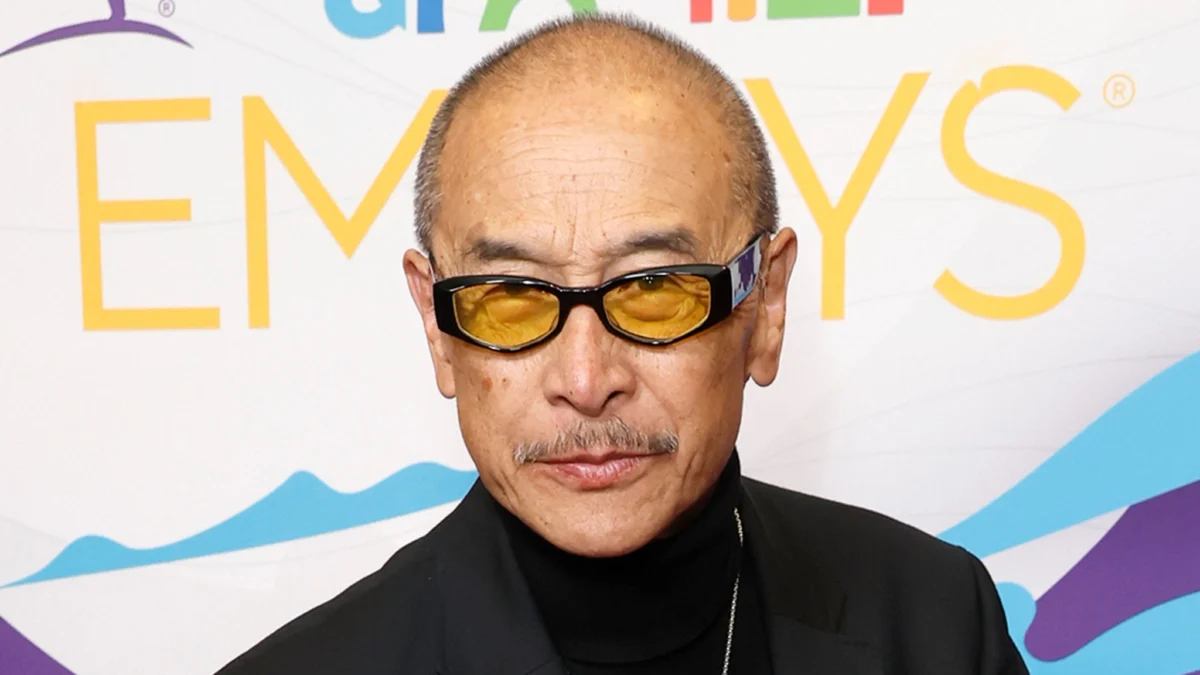
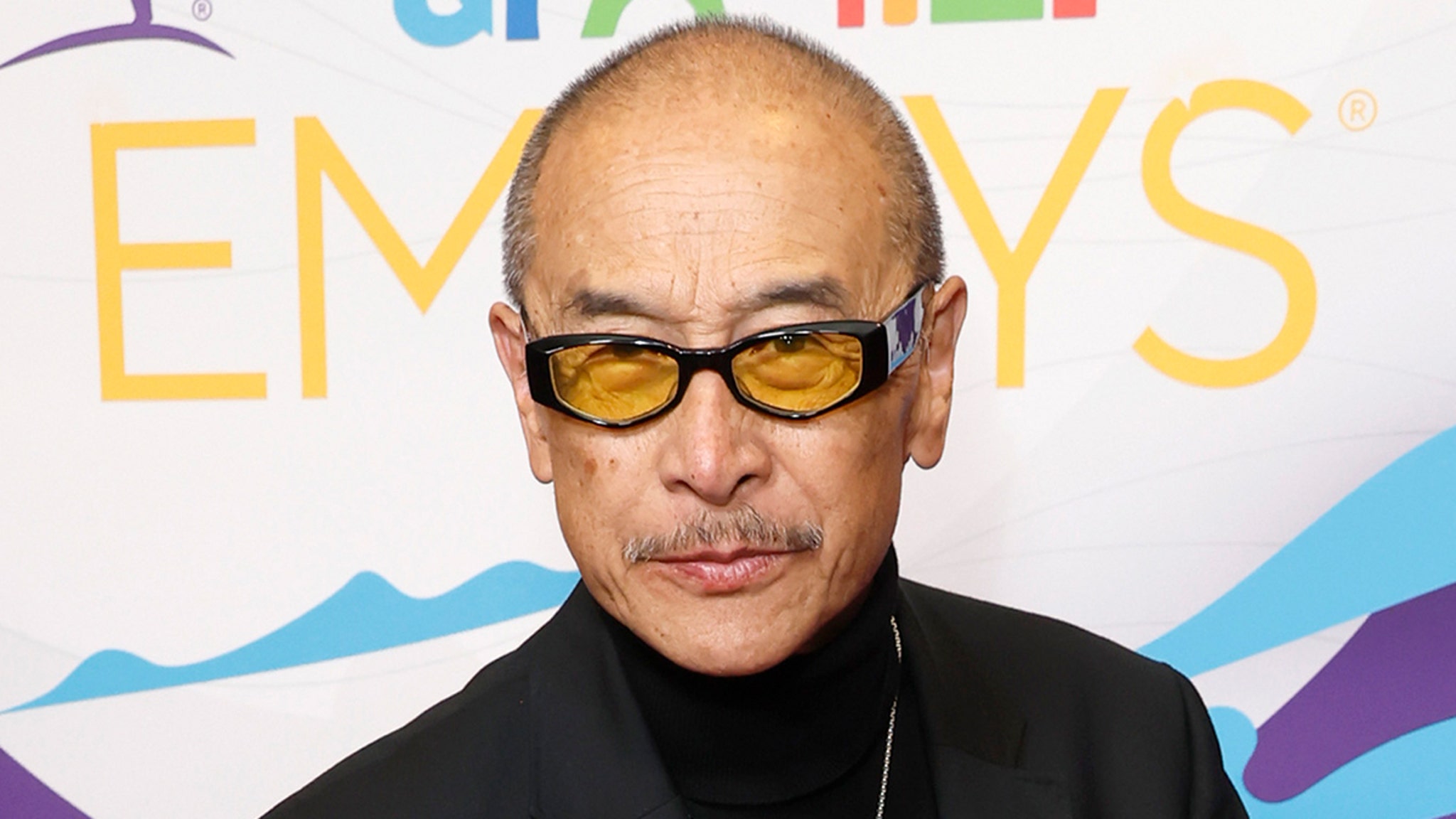
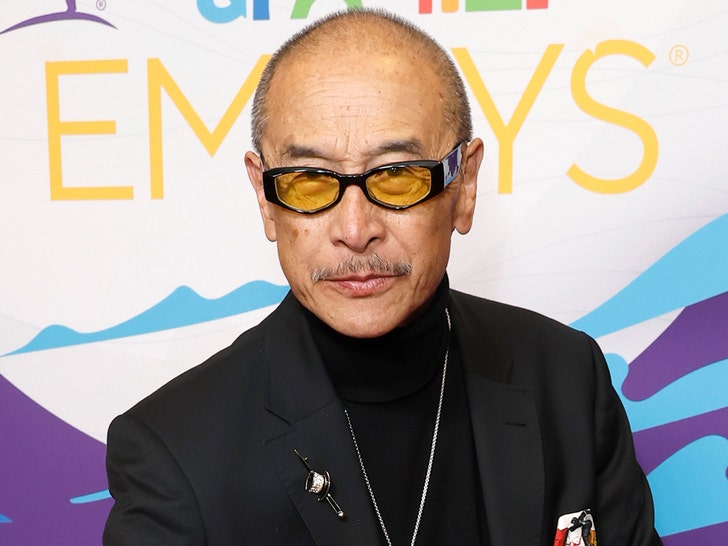
The official cause of death for legendary Hollywood stuntman, martial artist, and coordinator James Lew has been officially determined as end-stage congestive heart failure. According to documents obtained from the Los Angeles County Department of Public Health, Lew passed away on August 23 at an assisted living facility in Los Angeles at the age of 73. The medical documentation lists the heart condition as the sole significant factor in his passing, bringing clarity to an initial announcement made by his wife, Jordanna, who had previously noted that he succumbed following a private battle with unspecified health complications.
Over a career spanning more than four decades, Lew established himself as one of the most prolific and respected figures in physical action cinema. His contributions helped shape the action choreography of numerous blockbuster films and television franchises, bridging the gap between traditional martial arts mastery and modern cinematic storytelling. Following his passing, industry peers, filmmakers, and longtime fans shared tributes highlighting his pioneering role as an Asian-American stunt professional in an era when representation behind the scenes was exceptionally rare.
A Lifetime of Dedication to Martial Arts and Cinema
Born in Los Angeles, James Lew’s journey into the entertainment industry was paved through rigorous physical discipline. Long before stepping onto major Hollywood backlots, Lew immersed himself in the study of traditional martial arts, mastering various disciplines that would later define his signature style on screen. His deep understanding of movement, biomechanics, and timing allowed him to transition seamlessly from a competitive martial artist to a sought-after stunt performer in the 1970s and 1980s.
During an era when action sequences relied heavily on practical effects, precise choreography, and physical stamina, Lew quickly earned a reputation among directors and stunt coordinators as a dependable and innovative talent. He was not only capable of executing high-risk falls and intense physical combat, but he also possessed a visionary eye for how fights should be framed and captured on camera. This dual capability naturally propelled him into the role of stunt coordinator, where he oversaw the safety and execution of complex action set pieces for major studio releases.
Notable Filmography and Career Highlights
Lew’s filmography reads as a definitive retrospective of late-20th and early-21st-century action cinema. His credits include foundational work across multiple genres, spanning science fiction, buddy-cop comedies, and martial arts thrillers. Among his most prominent contributions are his work on iconic franchises and features such as "Star Trek," "Rush Hour," "Lethal Weapon 4," "Action Jackson," and "Timecop."
In addition to high-octane blockbusters, Lew demonstrated a versatile range that included comedic timing and physical parody. One of his most memorable on-screen appearances—frequently cited by fans—was his comedic fight scene alongside Charlie Sheen in the 1993 spoof "Hot Shots! Part Deux." In that sequence, Lew blended authentic martial arts precision with slapstick humor, showcasing an ability to entertain audiences not just behind the scenes as a coordinator, but directly in front of the camera as an identifiable performer.
His professional excellence was recognized by his peers within the stunt community. Throughout his career, Lew received multiple accolades and nominations, reflecting the high esteem in which he was held by fellow stunt coordinators, actors, and directors who relied on his expertise to bring dangerous sequences to life safely and effectively.
Chronology of Events Surrounding His Passing
The final chapter of James Lew’s life was marked by private health challenges that ultimately led to his admission into an assisted living facility in the Los Angeles area.
- August 23: James Lew passes away at the age of 73 at an L.A. facility. His wife, Jordanna Lew, initially confirms his passing to media outlets, noting that he had been managing health issues prior to his death.
- Late August: Initial tributes pour in from the Hollywood stunt community, acknowledging his status as a trailblazer and mentor to younger generations of performers.
- October 12: Official documentation from the Los Angeles County Department of Public Health is released, confirming that "end-stage congestive heart failure" was the official cause of death. Public records further indicate that Lew was subsequently cremated in accordance with his family’s wishes.
Broader Impact and Industry Implications
The passing of James Lew serves as a poignant reminder of the physical toll endured by veteran stunt performers and coordinators. While modern digital effects and computer-generated imagery have transformed how action sequences are produced today, the foundation of physical cinema rests squarely on the shoulders of pioneers like Lew, who performed high-impact stunts at a time when safety protocols were far less standardized than they are in contemporary filmmaking.
Furthermore, Lew’s legacy extends deeply into the realm of representation. As an Asian-American stunt professional who achieved prominence during decades when opportunities for minority crew members and performers were severely limited, Lew broke significant barriers. He served as a mentor, teacher, and role model for aspiring stunt workers, helping to pave the way for a more diverse and inclusive generation of action professionals working in Hollywood today.
As industry organizations continue to advocate for greater recognition of stunt coordinators—including ongoing industry efforts to establish an Academy Award category specifically for stunt work—the contributions of foundational figures like James Lew are frequently cited as vital to the evolution of the craft. His archival body of work remains a masterclass in cinematic movement, ensuring that his influence on Hollywood action will endure for generations to come.