


The release of the final two episodes of the HBO Max docuseries JAY-Z in 8 on Friday evening, October 9, marks the culmination of an ambitious cinematic exploration into the life, career, and enduring cultural footprint of Shawn "Jay-Z" Carter. Co-directed by legendary producer Rick Rubin and executive produced by Academy Award winner Daniel Kaluuya alongside Carter and Rubin himself, the eight-part series has positioned rap not merely as a commercial powerhouse, but as a quintessential American art form worthy of profound critical evaluation. With all eight episodes now available for streaming on the platform, the project provides an unprecedented, granular look at the creative mechanisms and ideological evolutions that defined the Brooklyn-born icon’s decades-long reign at the summit of modern music.
Main Facts of the Finale and Creative Direction
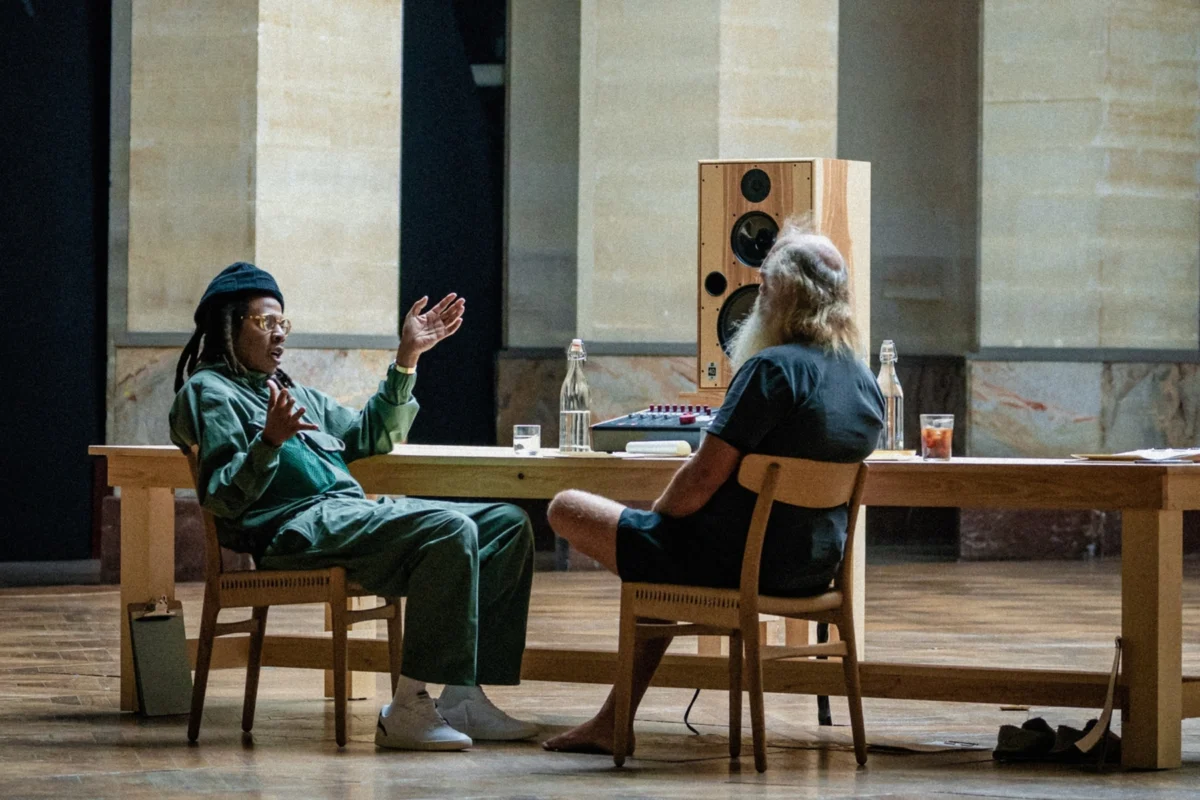
Episodes seven and eight of JAY-Z in 8 bridge the gap between Carter’s monumental commercial successes of the late 2000s and his later, more politically conscious and conceptually dense masterworks. Episode seven hones in on transformative anthems such as "Hard Knock Life (Ghetto Anthem)" and the Alicia Keys-assisted global phenomenon "Empire State of Mind," alongside critical touchstones like The Blueprint 3 and the film Streets Is Watching. During a reflective exchange in this installment, Carter and Rubin unpack how the release of his 2009 LP coincided with a fundamental pivot in the rapper’s visual presentation and personal interests. Carter concurred with Rubin’s assessment that this era marked his immersion into the fine art world, noting that his growing passion for high-end art collecting began directly influencing his album packaging, marketing aesthetics, and broader cultural positioning.
Transitioning into episode eight, the narrative shifts toward heavier sociopolitical terrain. Carter dissects the thematic architecture of "The Story of O.J.," explaining his commentary on systemic racism, wealth accumulation, and intracommunity fragmentation among Black Americans. The episode also explores his deliberate subversion of existing institutional power structures on the classic collaborative track "No Church in the Wild," before tracing a continuous line of generational healing, trauma processing, and familial legacy through the juxtaposed lenses of "Family Feud" and "Legacy." Through these discussions, the docuseries reinforces its overarching thesis: that Carter’s catalog serves as a living sociological archive documenting the triumphs, contradictions, and psychological evolutions of Black excellence in America.
Chronology of a Landmark Year
The arrival of the docuseries finale serves as a capstone to a remarkably active and celebratory year for the hip-hop mogul across multiple entertainment fronts. The chronology of Carter’s 2006 calendar highlights a calculated return to the live performance sphere on a grand scale. The momentum began in earnest in May, when Carter delivered a critically acclaimed, buzzy headlining performance at the Roots Picnic, sporting a distinctive afro that immediately dominated cultural discourse across digital platforms.
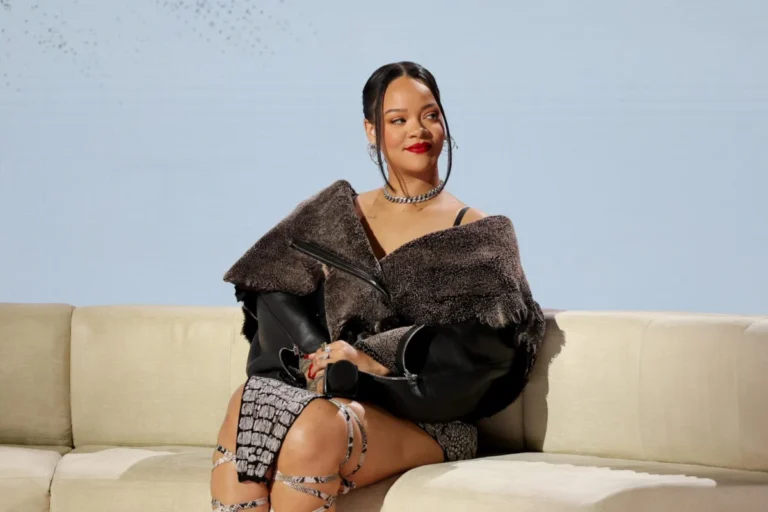
This festival appearance laid the groundwork for the JAY-Z 30 stadium tour, a massive international trek that packed venues across Los Angeles, London, Paris, and New York City. The tour commenced in New York with a historic three-night, sold-out residency at Yankee Stadium. These homecoming shows functioned as a living museum of modern music history, featuring an unprecedented roster of guest appearances. Among the luminaries who shared the stage with Carter during the stadium run were Beyoncé, Rihanna, Eminem, Blue Ivy Carter, Usher, Teyana Taylor, Slick Rick, Jaz-O, The-Dream, Clipse, and Pharrell Williams, cementing the expansive network of artistic debt and mutual respect Carter commands within the industry.
Legal Developments and Public Scrutiny
Amid the celebratory rollout of his television project and concert series, Carter’s public profile has also been shaped by significant legal developments. On September 24, a high-profile legal battle reached a dramatic turning point when a woman who had previously accused Carter of sexual assault stemming from an alleged incident when she was 13 years old fully recanted her allegations. During a proceeding in federal court, the accuser formally stated that her claims were entirely false, citing underlying mental health struggles and asserting that her former legal representation had filed the lawsuit without conducting the requisite legal due diligence. The total retraction of the claims effectively neutralized a major source of legal and reputational scrutiny that had shadowed the mogul, allowing public discourse to pivot back to his artistic output and cultural contributions.
Supporting Data and Production Pedigree
The production of JAY-Z in 8 represents a convergence of top-tier creative forces within the entertainment industry. Operating under the Tetragrammaton production banner, the docuseries benefits from the idiosyncratic, stripped-down interviewing style popularized by Rick Rubin, who co-directs the project and serves alongside Carter and Daniel Kaluuya as an executive producer. Production responsibilities were further managed by Leila Mattimore and David Rohde, ensuring a polished, cinematic presentation across all eight installments. The series utilizes broad, thematic strokes to synthesize decades of recorded history, blending archival concert footage, studio recording sessions, and intimate conversational interludes between Carter and Rubin. This methodology elevates the project above standard promotional artist biographies, aligning it with high-end cultural documentary standards typically reserved for classical composers or foundational jazz pioneers.
Broader Impact and Cultural Implications
The release of the complete JAY-Z in 8 series arrives at a pivotal juncture for the consumption and institutional validation of hip-hop music. As the genre continues to age past its fiftieth anniversary, retrospectives of this magnitude serve a vital archival function. By placing Carter’s lyricism, business acumen, and evolving artistic vision alongside traditional American art forms, the docuseries argues for the preservation and academic study of rap music within museum-grade cultural frameworks.
Furthermore, the timing of the project—sandwiched between international stadium sell-outs, high-profile festival headlining slots, and the resolution of severe legal challenges—underscores the resilience of Carter’s brand. Few artists have managed to maintain cultural relevance across four distinct decades while simultaneously transitioning from street-level chronicler to establishment billionaire and recognized cultural statesman. With the final two episodes now streaming on HBO Max, audiences and critics alike are afforded a comprehensive roadmap of how Shawn Carter engineered not just a legendary discography, but a blueprint for modern artistic independence and longevity.