The production cycle for the highly anticipated second season of Netflix’s reimagining of Little House on the Prairie has officially concluded, with cameras ceasing operation across the series’ expansive filming locations. This milestone, achieved several weeks ahead of the original November target, signals a significant step forward for the streaming giant’s ambitious adaptation of Laura Ingalls Wilder’s seminal literary series. As the production moves into the post-production phase, Netflix has confirmed a substantial influx of new talent, setting the stage for an expanded narrative scope that will delve deeper into the Ingalls family’s transition to the community of Walnut Grove.
The renewal of the series, which was greenlit in March 2026—well before the debut of the inaugural season on July 9—demonstrated early confidence from the platform. The shift from the intimate, isolated survivalist themes of the first season toward the communal dynamics found in the second book, On the Banks of Plum Creek, necessitated a broader ensemble cast. With filming having commenced in June 2026, the efficiency of the production team suggests that the workflow has matured significantly since the series’ inception, allowing the project to remain on a consistent trajectory toward a projected 2027 release window.
A Chronology of the Production Cycle
The timeline of the second season has been marked by strategic planning and rapid execution. Following the success of the series launch, showrunner Rebecca Sonnenshine and her team prioritized the casting of iconic figures from the source material to ensure the narrative transition to Walnut Grove felt grounded and authentic.
- March 2026: Netflix officially announces the renewal of Little House on the Prairie for a second season, citing strong viewer engagement metrics and critical reception of the inaugural episodes.
- June 2026: Principal photography begins. The production team utilizes a mix of practical sets and on-location filming to capture the evolving landscape of the American frontier.
- August–September 2026: Casting announcements for pivotal characters—including the expansion of the Oleson family and the introduction of critical educational figures—are finalized.
- October 2026: Production wraps ahead of the scheduled November deadline, allowing for an extended window of post-production, visual effects refinement, and sound design.
Expanding the Ensemble: New Faces in Walnut Grove
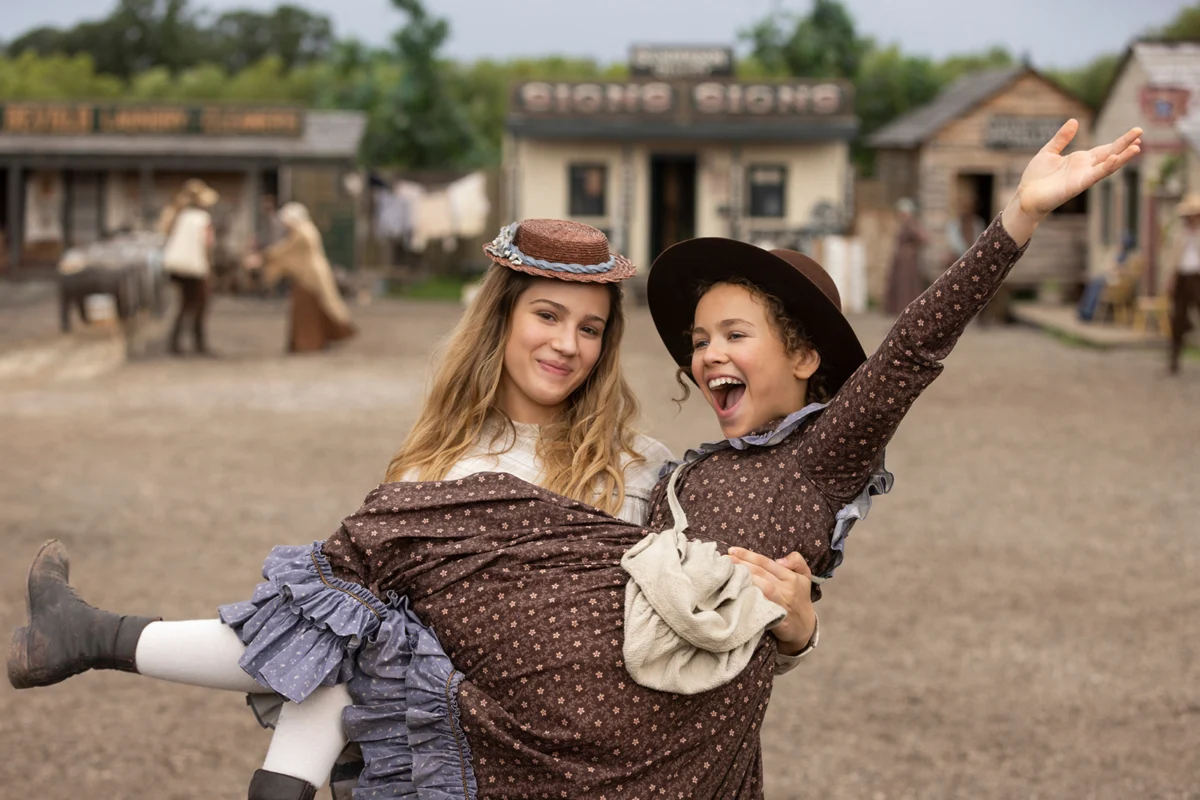
The narrative shift into the second volume of Wilder’s work brings with it the introduction of characters who are deeply woven into the fabric of American television history. While the core Ingalls family remains the anchor—with Alice Halsey reprising her role as Laura, Luke Bracey as Charles, Crosby Fitzgerald as Caroline, and Skywalker Hughes as Mary—the second season represents a significant expansion of the supporting cast.
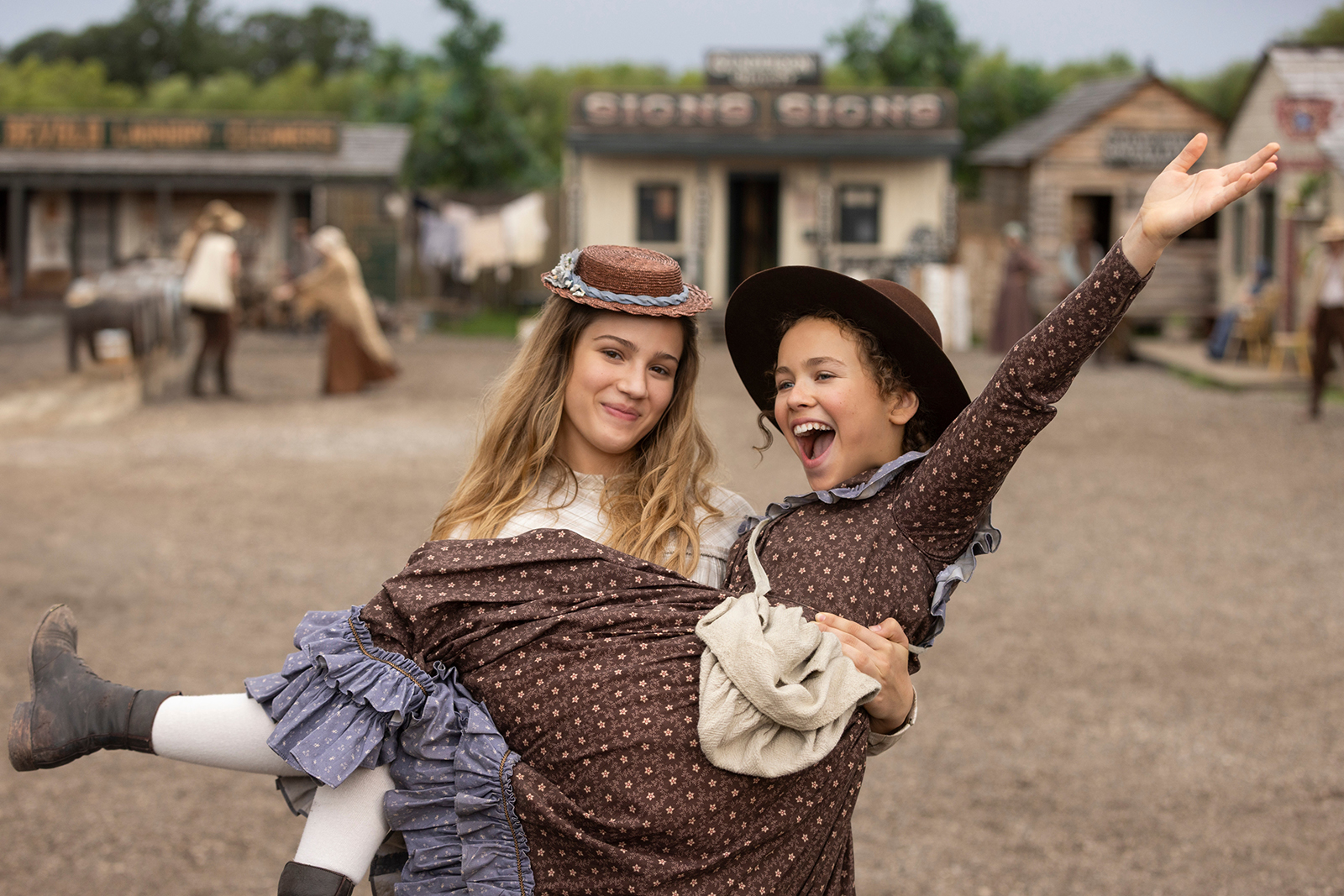
The addition of ten new actors brings a renewed vitality to the fictional town. Among the most anticipated arrivals are Willa Dunn as the spirited and often complex Nellie Oleson, supported by Charlotte Sullivan as the matriarch Margaret Oleson. The role of the schoolteacher, Eva Beadle, will be portrayed by Rachelle Lefevre, who is expected to provide a central point of stability and conflict for the younger characters.
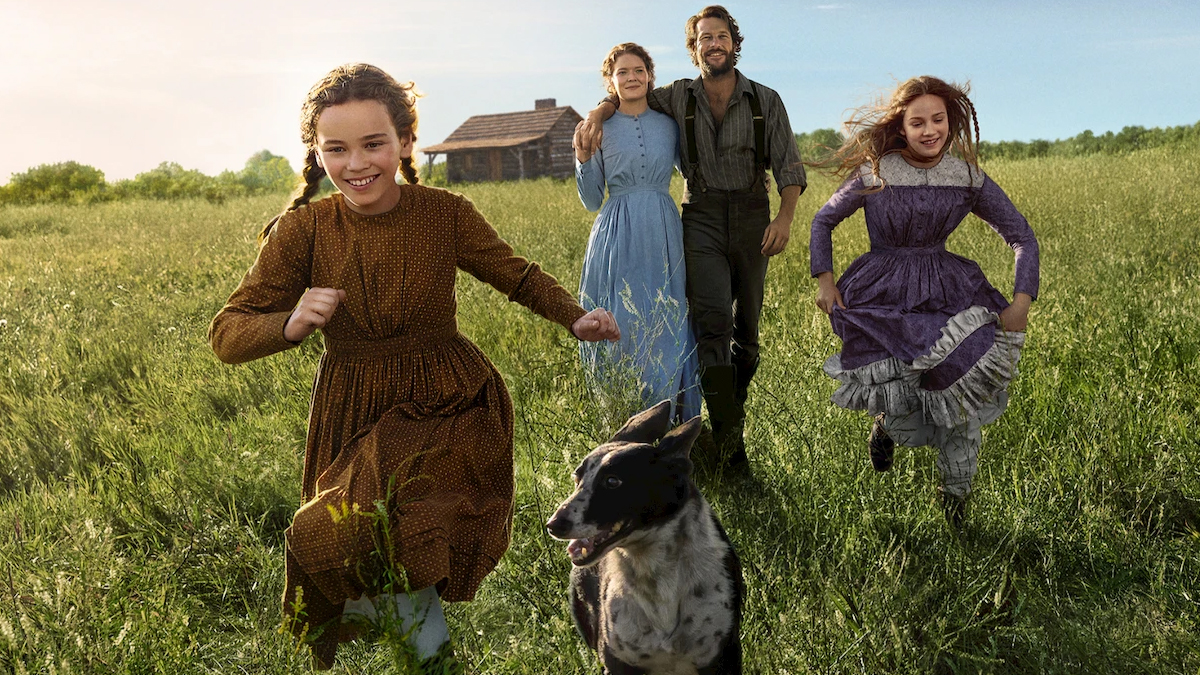
The casting choices reflect a commitment to balancing the nostalgia of the original 1974 NBC series with a contemporary interpretation of the material. By re-casting legendary roles while maintaining the core emotional pillars of the Ingalls family, the production aims to appeal to both long-time fans of the Wilder canon and a new generation of viewers who are discovering the franchise through the streaming medium. The inclusion of new, original, or slightly reimagined characters—such as the adjustment of William Oleson’s first name—suggests that while the adaptation respects the source text, it is also willing to adjust character dynamics to better serve the pacing of a modern television drama.
Behind the Lens: Directorial Vision
The creative direction for the second season is characterized by a collaborative, multi-faceted approach. Eight distinct directors have been tapped to helm the season, a strategy often utilized by prestige dramas to ensure stylistic consistency while allowing for individual episode nuance.
Key figures in this directorial lineup include those with extensive experience in period drama and character-driven storytelling. The oversight of this team falls under the executive producers, including Rebecca Sonnenshine, Joy Gorman Wettels, Trip Friendly, and Dana Fox. This administrative structure, supported by the collaborative efforts of CBS Studios and Anonymous Content, has been instrumental in maintaining the show’s visual identity. The production team’s ability to wrap ahead of schedule is being viewed by industry analysts as a sign of high morale and effective logistical coordination, which often translates to a more cohesive final product.
The Economic and Cultural Significance
The success of this adaptation is not merely a matter of viewership; it represents a broader trend in the television industry of revisiting "cozy" or historical comfort content. By translating the 19th-century frontier experience into a high-production-value series, Netflix is capitalizing on a market demand for family-oriented drama that does not sacrifice narrative depth.
The production of the second season has also had a tangible economic impact on the regions utilized for filming. Period dramas require extensive set construction, period-accurate wardrobe, and a large support crew, all of which contribute to local economic activity. The efficiency of the 2026 filming schedule likely minimized overhead costs, a critical metric for platforms seeking to maximize the return on investment for long-form serialized content.
Furthermore, the adaptation serves as a cultural case study. The original novels and the subsequent 1974 series possess a distinct moral clarity and aesthetic that is difficult to replicate. By integrating a more diverse cast and modern directing techniques, the production is attempting to bridge the gap between historical accuracy and contemporary sensibilities. This delicate balance is what will ultimately determine the show’s long-term legacy within the Netflix library.
Official Statements and Industry Outlook
In a formal statement following the wrap of production, showrunner Rebecca Sonnenshine highlighted the collaborative spirit that defined the second season. "All of our incredible cast additions this year have made this season in Walnut Grove absolutely magical," Sonnenshine remarked. "I am so grateful to our hard-working crew, who worked tirelessly to make this new chapter come to life, and our partners at CBS Studios, Anonymous Content, and Netflix for being our unwavering champions."
The sentiment of gratitude underscores the grueling nature of the filming process, which involved challenging outdoor conditions and the logistical demands of a period-accurate production. As the industry looks toward the 2027 release date, expectations remain high. Given that the first season arrived roughly nine months after the completion of filming, a summer 2027 premiere for the second season aligns with the current release cycle patterns established by the streamer.
Looking Ahead to 2027
While Netflix has not yet provided an official release date, the current status of the project—transitioning from physical production to post-production—suggests that fans can expect a rollout in the middle of 2027. This timing would mirror the inaugural season’s release, potentially positioning the series as a cornerstone of Netflix’s summer programming slate.
As the post-production team begins the process of editing, color grading, and musical composition, the focus will remain on maintaining the atmospheric integrity that established the show’s reputation. For now, the conclusion of filming marks the end of a pivotal chapter for the production, leaving the cast and crew to await the public’s reception of the expanded world they have created. The return to the banks of Plum Creek promises to be a significant cultural event, one that continues to test whether classic literary adaptations can find a permanent home in the digital era.