



Christa Pike, whose scheduled capital punishment made national headlines following a catastrophic procedural breakdown, is grappling with profound psychological trauma as she navigates the aftermath of surviving a botched execution. According to a formal statement released by her legal defense team—comprising attorneys Randy Spivey, Kelly Gleason, Stephen Ferrell, and Luke Ihnen—Pike’s physical recovery is progressing, yet the invisible scars left by the ordeal present a critical new dimension to her ongoing legal battle.
While medical professionals have confirmed that Pike’s immediate vital signs are stabilizing, her attorneys emphasize that surviving the terrifying ordeal has inflicted deep psychological and cognitive wounds. This latest development has intensified a complex legal and ethical debate surrounding capital punishment, Eighth Amendment protections against cruel and unusual punishment, and the broader implications of botched executions in the American criminal justice system.
The Physical and Mental Toll of a Failed Execution
During a recent emergency court hearing, attorney Luke Ihnen detailed the harrowing physical trauma Pike endured during the failed procedure. According to legal filings and courtroom descriptions, Pike suffered severe localized injuries, including pronounced swelling in her arms and hands, which attorneys graphically compared to being as swollen as an inflated surgical glove. This physical distress resulted in a temporary loss of motor function and movement in her upper extremities.

Despite these alarming physical symptoms, her legal team notes that her biological recovery has defied initial expectations. Pike is reportedly now able to maintain a regular diet, and medical evaluations indicate that her respiratory functions are clear. However, her lawyers stress that physical rehabilitation tells only half the story.
"While her physical recovery has been remarkable, significant questions remain about the long-term effects of what she endured," her defense team stated. They elaborated that Pike is actively grappling with severe post-traumatic stress disorder (PTSD), characterized by the psychological terror, intense physical pain, and profound existential dread of genuinely believing she was facing imminent death during the botched procedure. Furthermore, cognitive assessments indicate that she is experiencing ongoing struggles with memory retention and acute concentration deficits, further complicating her ability to process her current legal reality.
Background and Historical Context of the Case
To understand the gravity of Pike’s current situation, it is necessary to examine the origins of her incarceration. Christa Pike was originally sentenced to death for her role in the brutal and tragic 1995 murder of her Job Corps classmate, Colleen Slemmer. The crime, which took place in Knoxville, Tennessee, shocked the public due to its exceptionally violent nature and the youth of those involved. Pike was convicted of premeditated first-degree murder and conspiracy to commit murder, ultimately receiving a death sentence that made her one of the youngest women on death row in modern United States history.
For decades, Pike’s case moved through various stages of the appellate process, with her legal teams exhausting numerous state and federal appeals. However, the unexpected procedural failure during her recent execution date has entirely transformed the narrative of her case, shifting public and legal scrutiny from the historical brutality of her crime to the constitutional and humanitarian concerns surrounding the administration of the death penalty itself.

Chronology of Recent Legal and Medical Events
The timeline leading up to and following Pike’s botched execution highlights a rapid escalation of legal maneuvers and medical interventions:
- Late August to September 2026: Preparations for Pike’s execution move forward amidst mounting public debate and legal challenges from her defense team.
- Execution Date (Fall 2026): The state attempts to carry out Pike’s capital sentence, which results in a catastrophic failure of execution protocols, causing severe physical trauma, swelling, and systemic shock.
- Immediate Aftermath: Pike is rushed to medical facilities for emergency stabilization, where doctors treat her physical injuries, including severe trauma to her arms and hands.
- Early October 2026: Pike’s legal team files emergency motions to address her condition and demand transparency regarding the execution protocol breakdown.
- October 7–8, 2026: An emergency court hearing is held, during which attorney Luke Ihnen details the extent of her injuries. Simultaneously, her legal team issues comprehensive statements regarding her cognitive decline, memory issues, and profound psychological trauma, while renewing direct appeals to state leadership.
Legal Defense Strategy and Appeals for Clemency
In the wake of the failed execution, Pike’s defense team has recalibrated its primary legal objectives. Beyond addressing her immediate medical and psychological needs, her attorneys are aggressively petitioning Tennessee Governor Bill Lee to intervene directly in the case.
The legal strategy centers on a formal request for executive clemency. Spivey, Gleason, Ferrell, and Ihnen are publicly and legally urging Governor Lee to commute Pike’s death sentence to life imprisonment without the possibility of parole. Their argument posits that subjecting an individual to the terror and agony of a botched execution—only to force them to survive the experience and face renewed legal proceedings—constitutes a violation of fundamental human dignity and the constitutional prohibitions against cruel and unusual punishment.

While executive commutations in capital cases are historically rare and subject to intense political scrutiny, legal scholars suggest that the unprecedented nature of a botched execution introduces unique constitutional arguments that appellate courts and executive authorities cannot easily dismiss.
Broader Implications and Ethical Debates
The situation surrounding Christa Pike has reignited national conversations concerning the mechanics, ethics, and reliability of capital punishment in the United States. In recent years, a growing number of legal experts, human rights organizations, and medical professionals have raised alarms over the increasing frequency of complicated or botched executions across various states.
Critics of the death penalty argue that procedural errors, difficulties with intravenous access, and equipment failures demonstrate that humane execution is an impossibility. They contend that when an execution fails, the psychological torture inflicted upon the condemned individual—who must process the terrifying realization of approaching death, only to be pulled back into survival—compounds the cruelty of the punishment far beyond what any court originally intended.
Conversely, proponents of capital punishment maintain that the severity of the original crimes committed by individuals like Pike warrants the continuation of the death penalty, arguing that technical failures should be addressed by refining protocols rather than abandoning capital sentencing altogether. However, even within traditional law enforcement and judicial circles, cases involving severe procedural breakdowns generate significant administrative and legal liabilities.
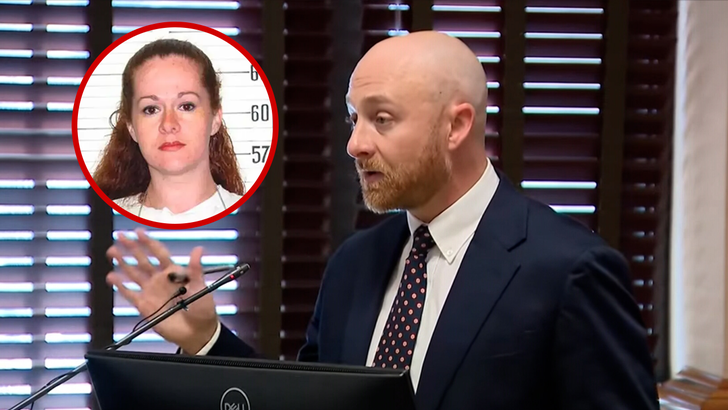
As Christa Pike continues her physical and psychological recovery under heightened medical observation, her legal team remains focused on navigating the uncharted waters of post-execution trauma litigation. Whether state authorities will respond to the defense’s pleas for clemency or whether the courts will establish new precedents regarding the constitutionality of executing a survivor of a botched execution remains one of the most pressing and contentious legal questions of the current judicial landscape.