The landscape of televised holiday programming has long been anchored by nostalgic animated specials that capture the imagination of generations. Among these cherished artifacts of late-1970s television, the 1978 production Witch’s Night Out occupies a distinctive niche, blending whimsical folklore, gothic aesthetics, and high-caliber comedic talent. This October, viewers will have the opportunity to experience this vintage classic once again as it joins the curated "Spooktacular Sundays" programming block on MeTV Toons. Scheduled to air on Sunday, October 18, at 7:30 p.m. ET / 6:30 p.m. CT, the broadcast brings a celebrated piece of animation history back to contemporary television screens, offering both long-time fans and a new audience a chance to rediscover its unique brand of Halloween magic.
Main Facts of the Broadcast and Production
At its core, Witch’s Night Out tells the whimsical and slightly subversive story of a benevolent yet eccentric witch who decides to teach the local townspeople and unenthusiastic children a lesson about the true spirit of Halloween. Frustrated by the community’s lack of genuine appreciation for the holiday, the witch uses her powerful magic to transform a group of monster-loving children into real, authentic monsters for a single night. What follows is a comedic and chaotic adventure as the newly transformed youngsters navigate the festivities, ultimately ensuring that the town takes the holiday seriously.
The enduring appeal of the special stems not only from its clever premise but also from its extraordinary voice cast. The production boasts performances by comedy icons who would go on to shape the landscape of North American humor. Gilda Radner, a foundational pillar of early Saturday Night Live, leads the cast as Winifred the Witch. She is joined by fellow comedy legend Catherine O’Hara, renowned for her work in SCTV, Schitt’s Creek, and numerous cinematic classics, who voices the character Malicious. Rounding out the primary trio is Fiona Reid, a celebrated stage and screen actress, in the role of Nicely. This convergence of comedic talent infuses the animated characters with sharp timing, warmth, and a distinct theatricality that elevates the material beyond standard children’s holiday fare.
Chronology and Historical Background
To understand the place of Witch’s Night Out within the broader history of animation, one must examine the timeline of its creators and production studio. The special was conceived and produced by Leach/Rankin Productions, a creative partnership based in Toronto, Canada, helmed by John Leach and Isobel Jean Rankin. The duo had previously established their collaborative credentials in the realm of holiday broadcasting with their 1974 Christmas animated special, The Gift of Winter. Encouraged by the reception of their holiday debut, Leach and Rankin turned their creative focus toward Halloween, a holiday that, at the time, lacked the extensive slate of dedicated animated television specials enjoyed by Christmas and Thanksgiving.

Witch’s Night Out officially premiered on the NBC television network on October 27, 1978. During this era, holiday specials served as major cultural touchstones, drawing vast family audiences who gathered around singular television sets to view newly minted seasonal traditions. Following its initial broadcast, the special maintained a cult following, sustained by sporadic television syndication and the fond memories of viewers who came of age during the late 1970s and 1980s.
Decades later, the special reached a significant milestone when it celebrated its 40th anniversary in 2018. The passage of four decades did not diminish the appreciation for the hand-drawn aesthetic and clever writing of the production. In the years following its anniversary, efforts to preserve and properly license the special for modern distribution platforms became a priority for its creators. John Leach, who now operates professionally under the name Jonathan Rogers, has continued to champion the legacy of his earlier works. Partnering with animator Jimmy Cross under the Cross/Rogers banner, Rogers has worked to ensure that foundational works like Witch’s Night Out remain accessible to contemporary viewers through strategic licensing partnerships, culminating in the current arrangement with MeTV Toons.
Supporting Data and Programming Context
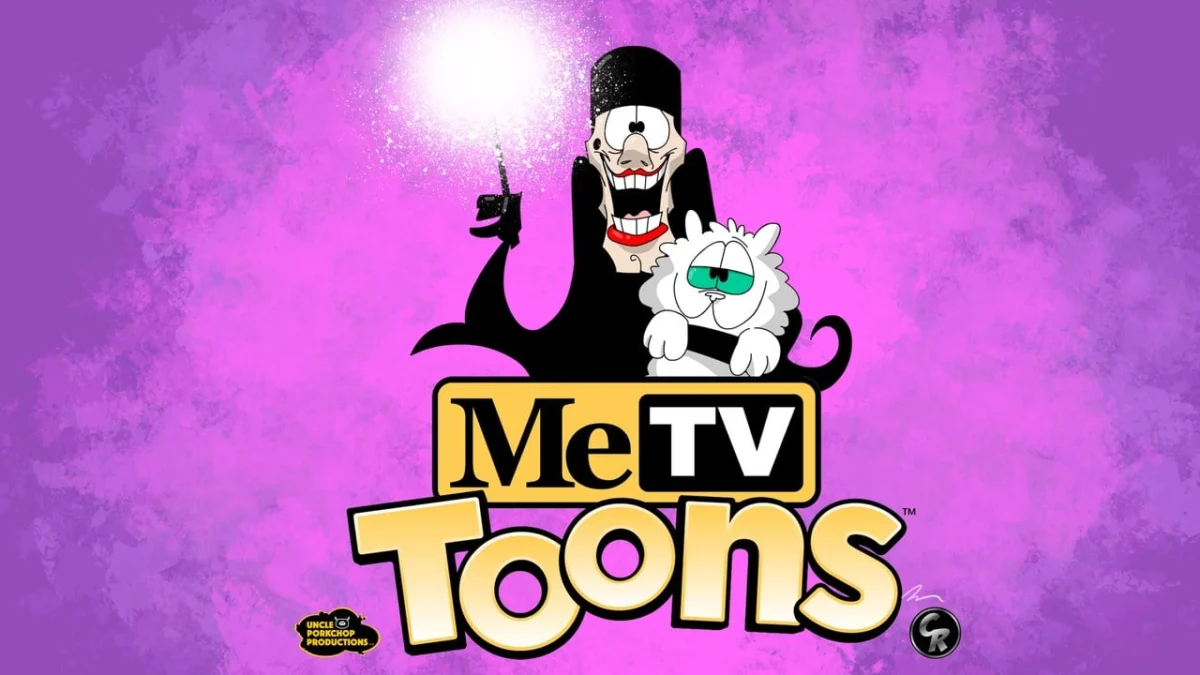
The inclusion of Witch’s Night Out within the MeTV Toons "Spooktacular Sundays" lineup is reflective of a broader industry trend: the revival and celebration of classic, retro animation for modern audiences. MeTV Toons, a specialty broadcast network dedicated entirely to the medium of animation, has carved out a distinct market niche by offering viewers a curated journey through cartoon history, ranging from theatrical shorts to syndicated television series and rare television specials.
Programming blocks focused on seasonal themes, such as Halloween and the autumn holidays, consistently perform well in terms of viewership engagement. Data from broadcast analytics firms indicate a rising consumer appetite for comfort viewing and nostalgic media, particularly among adult demographics who experienced these programs during their youth, as well as younger audiences interested in historical animation styles. By scheduling Witch’s Night Out during a prime Sunday evening slot—7:30 p.m. ET—the network positions the special to capture family viewing blocks and adult animation enthusiasts alike, bridging the generational divide that often characterizes retro television viewership.
Furthermore, the technical preservation of the special highlights the challenges and triumphs of maintaining archival media. Animated works from the late 1970s often exist in varying states of physical film preservation. Through the dedicated efforts of rights holders like Cross/Rogers, archival elements have been maintained and optimized for high-definition broadcast standards, ensuring that the visual richness of the cel animation, the distinct color palettes, and the audio design are presented with optimal clarity for today’s high-definition television displays.
Official Responses and Industry Perspectives

While formal corporate statements surrounding specific retro syndication deals are frequently concise, the logistical journey of bringing Witch’s Night Out to MeTV Toons speaks volumes about the priorities of independent creators and rights management teams. Representatives for the Cross/Rogers banner have consistently emphasized the importance of keeping classic hand-drawn animation in the public eye. In the current media landscape, where computer-generated imagery and fast-paced digital pipelines dominate the animation industry, reminding audiences of the tactile artistry inherent in 1970s cel animation remains a vital cultural endeavor.
Animation historians and industry analysts have likewise noted the significance of these targeted broadcasts. Editorial voices within the animation community, such as those from Animation World Network, frequently underscore that specials like Witch’s Night Out represent an era of risk-taking in television production. During the late 1970s, networks were often willing to experiment with unconventional artistic styles and sophisticated voice casts that did not pander exclusively to the youngest demographic segments. The presence of Gilda Radner and Catherine O’Hara in an animated Halloween special demonstrates a cross-pollination between prime-time sketch comedy and children’s programming that is rarely replicated in the modern era of highly siloed network demographics.
Broader Impact and Cultural Implications
The return of Witch’s Night Out to national television via MeTV Toons carries broader implications for how classic media is valued, curated, and consumed in the twenty-first century. As streaming platforms continually alter the economics of television distribution, dedicated linear networks focusing on niche retro content have emerged as vital custodians of broadcast heritage. These networks do more than merely fill airtime; they provide cultural context, scheduled anticipation, and a shared viewing experience that on-demand streaming algorithms often struggle to replicate.
For the animation industry at large, the ongoing appreciation of works by creators like John Leach and Isobel Jean Rankin serves as a testament to the enduring power of strong storytelling and character design. The thematic elements of Witch’s Night Out—emphasizing empathy, acceptance, and a deeper understanding of those who appear different or unconventional—remain as relevant today as they were in 1978. By turning children into monsters to teach a lesson, the narrative subverts traditional tropes, suggesting that true monstrosity lies in cynicism and a lack of imagination, while genuine wonder is found in embracing the strange and unusual.
As October 18 approaches, the broadcast of Witch’s Night Out stands as a celebration of creative longevity. It highlights the journey of independent Canadian creators whose work captured the imagination of a major U.S. network over four decades ago and continues to find a welcoming home on specialized modern platforms. Through careful preservation, strategic partnerships, and an enduring appetite for nostalgic seasonal programming, Winifred the Witch and her comedic cohorts are prepared to cast their spell over a new generation of viewers, ensuring that the magic of 1978 television animation continues to thrive in the modern era.