


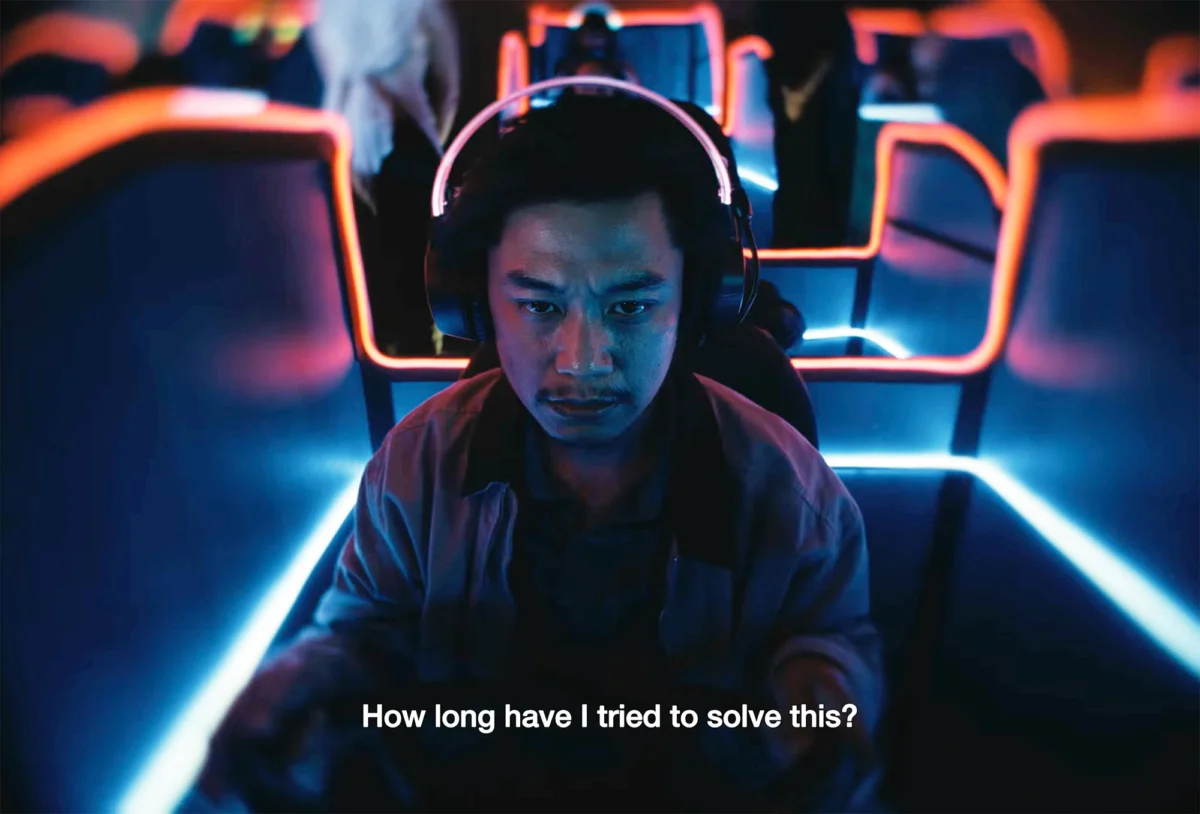
The cinematic landscape of 2026 has welcomed a striking entry from Southeast Asia with the release of the official festival trailer for The Remotes, an atmospheric, genre-bending film directed by Manila-based filmmaker John Torres. Merging speculative science fiction with the gritty aesthetics of neo-noir and the observational cadence of documentary filmmaking, the project has quickly established itself as a critical darling on the international autumn festival circuit. Following prominent screenings at both the Toronto International Film Festival (TIFF) and the New York Film Festival (NYFF), the film has drawn acclaim from cinephiles and critics alike for its unconventional approach to storytelling, mood, and political commentary.
At its narrative core, The Remotes follows a grieving detective stationed in the fog-enshrouded, surveillance-heavy cityscape of Manila. One year after losing his wife in a mysterious automobile accident tied to an enigmatic driver navigation application, the detective finds his personal sorrow compounding as he investigates two sisters who share a chilling connection to the same sinister software. As the investigation deepens, the protagonist is forced to confront not only the digital architecture of the city but also the unseen voices seemingly regulating his choices, his identity, and his lingering trauma. The film stars an accomplished ensemble cast featuring Alchris Galura, Gabby Padilla, Julia Richards, and Enchong Dee.
The Socio-Political Blueprint: Surveillance and the Ghost of the Drug War
To fully understand the cinematic weight of The Remotes, one must examine the socio-political crucible from which it emerged. Director John Torres, alongside co-writer Dodo Dayao, has structured the film partly as a direct response to the long-reaching shadow of former Philippine President Rodrigo Duterte’s controversial "war on drugs." The sweeping state-sanctioned campaigns of that era drastically transformed the nation’s infrastructure, plunging metropolitan areas into intensified states of surveillance, institutional anxiety, and heavily policed public spaces.

Rather than approaching this history through a conventional political drama or a standard investigative procedural, Torres uses the speculative elements of science fiction to externalize the psychological residue of living within an aggressive surveillance state. In the universe of The Remotes, the apparatus of control is no longer solely operated by human law enforcement or visible authoritarian regimes; instead, it has metastasized into ubiquitous consumer technology, automated algorithms, and ambient data collection.
Artistic statements released by the production team emphasize that the film acts as an inquiry into how modern infrastructure capitalizes on human vulnerability. "The Remotes is about how longing can become infrastructure," director John Torres explained in recent festival commentary. "How grief stifles us while technology listens in and automates our choices in life. It is a world where people willingly surrender to it because it brings them closer to someone they lost, or someone they used to be."
A Stylistic Departure: Blending Sci-Fi, Neo-Noir, and Documentary Realism
Torres, who has built a prolific career as a multidisciplinary artist, musician, and independent filmmaker with previous credits including Lukas the Strange, Todo todo teros, and People Power Bombshell: The Diary of Vietnam Rose, brings his distinct stylistic signatures to this high-concept project. Produced by Sherad Sanchez, Shireen Seno, and Torres himself, the film employs an impressionistic visual language that deliberately manipulates time, expanding and compressing temporal pacing to mirror the internal, fractured psyche of its grieving protagonist.
Critics reviewing the film at the New York Film Festival noted that Torres successfully bridges the gap between classic cinematic tropes and avant-garde art-house sensibilities. The traditional conventions of the American neo-noir detective story—characterized by cynical protagonists, rain-slicked nocturnal streets, and fatalistic plots—are transposed onto the sprawling, densely populated, and technologically saturated environment of modern-day Manila.

Furthermore, the integration of documentary techniques gives the speculative narrative an unsettling realism. The line between fiction and documentary blur as the film incorporates elements of urban reality in Manila, grounding its science-fiction elements in tangible socio-economic conditions. The presence of a telepathic sister-in-law whose recorded voice holds the key to the central mystery adds a supernatural, haunting dimension to an otherwise grounded exploration of dataveillance and trauma.
Festival Reception and Critical Response
The international rollout of The Remotes began in earnest during the autumn 2026 festival calendar. Industry insiders and slow-cinema enthusiasts have praised the project for its daring structural choices and refusal to rely on exposition-heavy world-building. Instead of spoon-feeding the audience the mechanics of its dystopian setting, the film relies on mood, sound design, and atmospheric cinematography to immerse viewers in a state of sustained unease.
The partnership with high-profile cultural institutions like the Film at Lincoln Center for NYFF and TIFF has positioned the film as a significant export for contemporary Philippine cinema. Independent film distributors and critics have highlighted the project as a prime example of how regional auteurs are utilizing genre filmmaking to engage with heavy, localized political and philosophical questions on a global stage.
Despite the positive reception from festival attendees, commercial prospects remain fluid. As of October 2026, no official wide release date or streaming distribution partner has been formally announced for territories outside the festival circuit. Industry analysts anticipate that specialty arthouse distributors specializing in international and experimental cinema will likely acquire the rights following its continued run on the global film festival circuit.

Broader Implications for Global Sci-Fi and Regional Cinema
The emergence of The Remotes points to a larger, ongoing shift within the science-fiction genre. Historically dominated by Western studios focusing on high-budget, futuristic dystopias characterized by neon-soaked mega-cities or post-apocalyptic wastes, contemporary sci-fi increasingly embraces localized, hyper-realistic, and socio-politically grounded narratives from the Global South.
By framing surveillance capitalism through the deeply personal lens of grief and bereavement, Torres and his creative team offer a counter-narrative to technocratic optimism. The film poses uncomfortable questions about the psychological cost of convenience, suggesting that the systems designed to navigate our physical journeys through urban spaces are simultaneously charting the emotional architecture of our private lives.
As audiences and critics await further updates regarding a formal release schedule, The Remotes stands as a testament to the vitality of Philippine independent cinema. It proves that speculative storytelling can serve as a potent vehicle for confronting historical trauma, holding a mirror up to contemporary anxieties about privacy, automation, and the digital commodification of human memory.