


The release of Adrian Chiarella’s debut feature film, Leviticus, marks a significant addition to the contemporary landscape of psychological and supernatural horror. Set against the bleak backdrop of an industrial Australian regional town, the film utilizes genre conventions to explore themes of institutionalized homophobia, religious trauma, and the psychological weight of the closet. By intertwining the visceral tropes of 1980s creature features with the stark realities of contemporary bigotry, Chiarella establishes a cinematic language that frames systemic prejudice not merely as an ideological conflict, but as an existential and physical threat.
Main Facts and Narrative Premise
Leviticus opens with an archetypal horror sequence involving a lesbian lifeguard who falls victim to an invisible, shape-shifting entity in a secluded poolside shower. The entity—which manifests to its targets as the individual they desire most—is rooted in a local church-sanctioned hex born of conversion therapy initiatives. This central premise operates on a literalization of a common homophobic dictum: that queer desires are inherently self-destructive.
The narrative shifts to focus on Naim, portrayed by Joe Bird, a shy adolescent who has recently relocated to the industrial town. Naim becomes romantically entangled with Ryan, played by Stacey Clausen, a charismatic and assertive classmate. Their relationship is complicated by the intrusion of Hunter, played by Jeremy Blewitt, the closeted son of the local preacher. Motivated by jealousy and fear, Naim reports the illicit tryst to local authorities, inadvertently unleashing a cycle of supernatural retaliation that forces the teenagers to navigate a landscape where safety is an illusion and trust is weaponized.
Background Context and Genre Lineage
The thematic framework of Leviticus draws heavily from historical precedents in horror cinema that covertly or overtly addressed queer identity. During the 1980s, horror directors frequently utilized subtext to explore marginalized experiences under the thumb of conservative social structures. Classics such as Wes Craven’s A Nightmare on Elm Street 2: Freddy’s Revenge (1985) and John Carpenter’s The Thing (1982) established blueprints for exploring paranoia, bodily transformation, and the friction between the individual and a hostile community.
Chiarella has noted that these films served as vital touchstones during his own youth, offering a mirror to the alienation experienced by queer teenagers. By stepping out of the realm of subtext and into explicit metaphor, Leviticus addresses the recent resurgence of institutional bigotry and political rhetoric targeting LGBTQ+ communities globally. Over the past decade, data compiled by civil rights organizations and human rights watchdogs has indicated a measurable global rollback in social protections and an increase in targeted harassment against queer youth, providing a grim contemporary relevance to the film’s fictionalized conversion therapy hex.
Chronology of Production and Thematic Evolution
The conceptual development of Leviticus evolved over several years of pre-production, focusing heavily on atmospheric world-building and the juxtaposition of industrial decay with pastoral Australian landscapes.
Phase one of the production involved establishing the visual grammar of isolation. Chiarella and his design team deliberately selected anonymous, weathered architecture and barren horizons to evoke the feel of a modern biblical parable. This setting emphasizes the friction between human nature and rigid societal edicts.
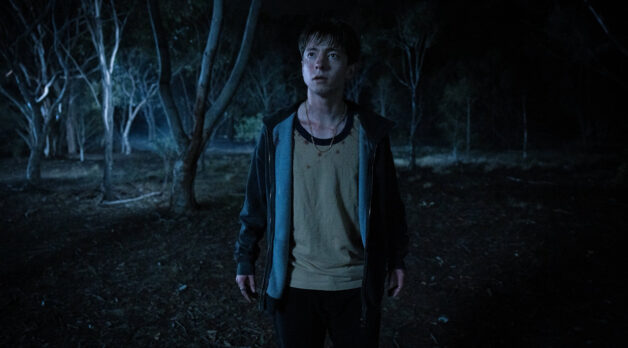
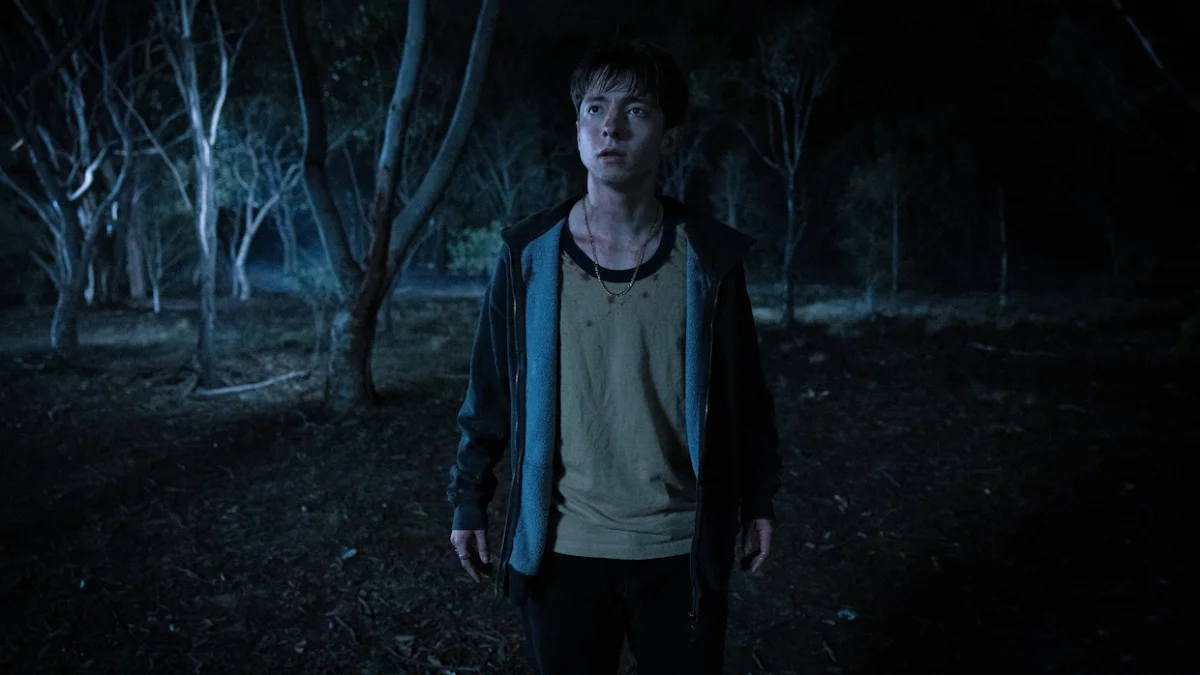
Phase two centered on casting and character dynamics, prioritizing naturalistic performances to ground the supernatural elements in emotional reality. Joe Bird and Stacey Clausen’s on-screen chemistry anchors the narrative, transforming abstract sociological critique into an intimate character study.
Phase three focused on the technical execution of the entity’s mechanics. The monster’s limitation—that it only attacks when victims are isolated, yet is capable of mimicking trusted companions—creates a sustained atmosphere of paranoia. This mechanic directly mirrors the psychological isolation experienced by individuals undergoing conversion practices or living in unsupportive environments.
Industry Implications and the Evolution of Queer Cinema
In recent years, mainstream queer cinema has largely shifted away from narratives centered primarily on trauma, crisis, and societal rejection, focusing instead on coming-of-age normalization, romance, and joy. While this evolution has been widely welcomed by audiences and critics seeking positive representation, Leviticus deliberately re-engages with the horror genre’s dark history to confront lingering social anxieties.
Film historians and industry analysts note that the return to horror-inflected trauma narratives does not represent a regression, but rather a broadening of the cinematic spectrum. By utilizing the cathartic release inherent to horror, filmmakers can externalize systemic harms that standard drama often struggles to articulate. The film’s approach aligns with a growing subgenre of elevated horror—exemplified by works like It Follows or Hereditary—that uses supernatural elements as stand-ins for inescapable psychological burdens.
Visual Architecture and Cinematic Execution
Visually, Leviticus relies heavily on motifs of perception and deception. The cinematography frequently frames characters through windows, mirrors, and security lenses, emphasizing a world of constant surveillance and restricted vision. Those characters untouched by the supernatural curse are entirely blind to its presence, mirroring the willful ignorance often displayed by communities that dismiss the mental health struggles of queer youth as manufactured or superficial.
The narrative’s conclusion rejects traditional resolution in favor of lingering ambiguity. Eschewing the definitive triumph typical of Hollywood blockbusters or the absolute nihilism of older tragedy-driven queer cinema, the film’s final moments suggest that trauma is not easily exorcised. By leaving the monster’s ultimate fate unresolved, Chiarella underscores the reality that the systemic impacts of bigotry and isolation do not vanish when a narrative ends; rather, they must be continuously managed and survived.
Ultimately, Leviticus positions itself as both a genre exercise and a cultural artifact. By marrying the visceral mechanics of traditional monster movies with the quiet terrors of social alienation, the film offers a rigorous examination of faith, fear, and the enduring resilience required to navigate a hostile world.