


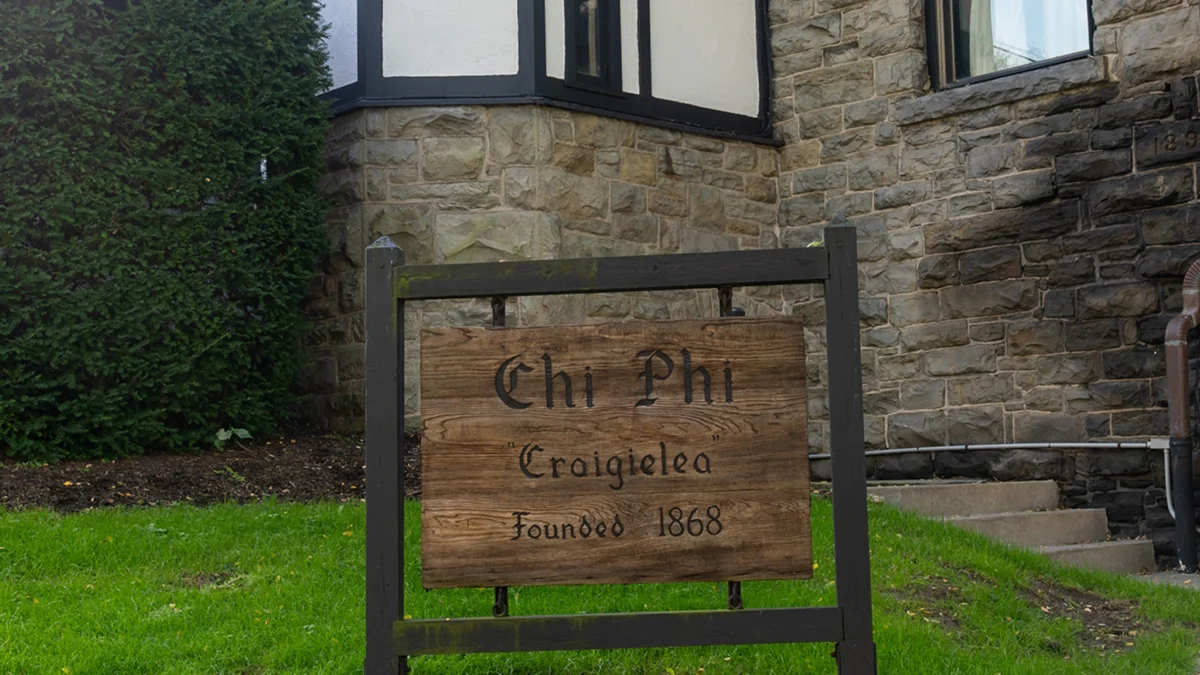
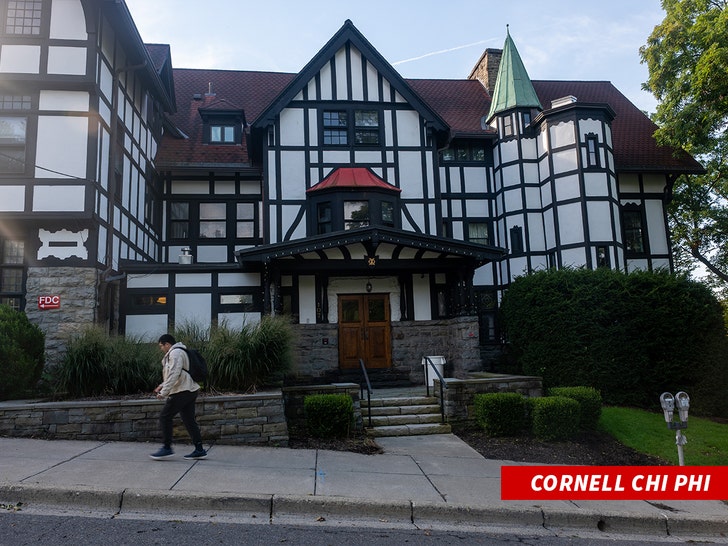
The fallout from a high-profile sexual assault allegation at Cornell University has intensified following the public release of investigative documents, text messages, and audio recordings. The newly surfaced evidence indicates that several fraternity members implicated in the case engaged in coordinated efforts to manage public perception and safeguard their academic futures immediately following the alleged incident. The legal battle centers on an October 2024 encounter at the Chi Phi fraternity house involving seven young men and a former student who is identified in court documents as Jane Doe.
The lawsuit, which was formally filed last month, has triggered widespread campus protests, heightened scrutiny regarding institutional handling of sexual violence at Ivy League universities, and direct intervention from state-level executive officials. As legal proceedings transition from local law enforcement oversight to an independent state-level inquiry, the examination of digital communications and witness testimonies has provided a clearer, albeit deeply contested, picture of the events that transpired during that autumn weekend.
Detailed Examination of the Allegations
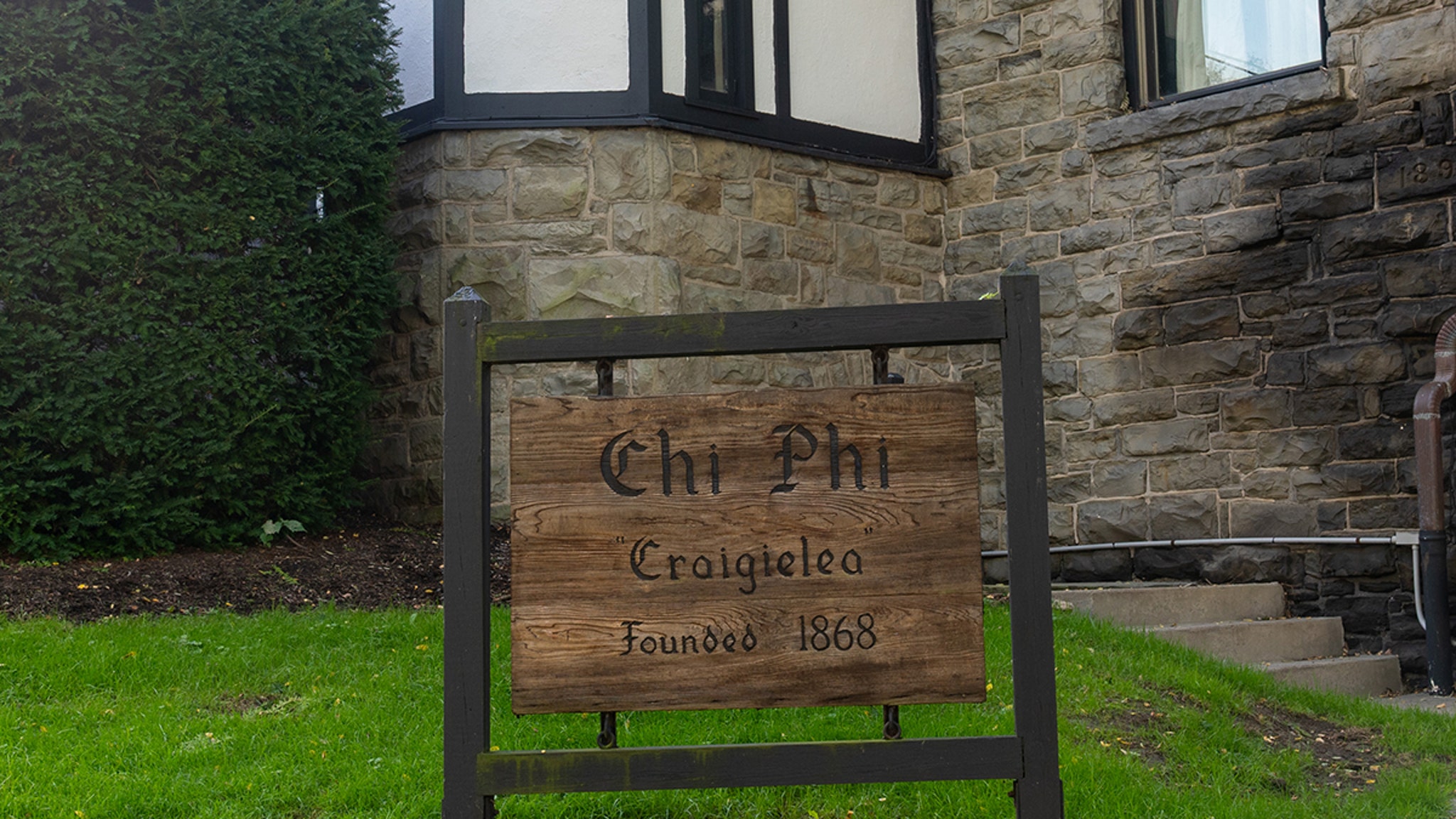
According to court filings and investigative reviews conducted by media organizations including ABC News, the incident occurred during a weekend marked by heavy consumption of alcohol and illicit substances. The plaintiff alleges that she was administered ketamine without her knowledge or consent, rendering her incapable of making rational decisions or providing lawful consent. Following the incapacitation, the lawsuit claims, seven members of the Chi Phi fraternity subjected her to a gang rape within the fraternity’s residential property.
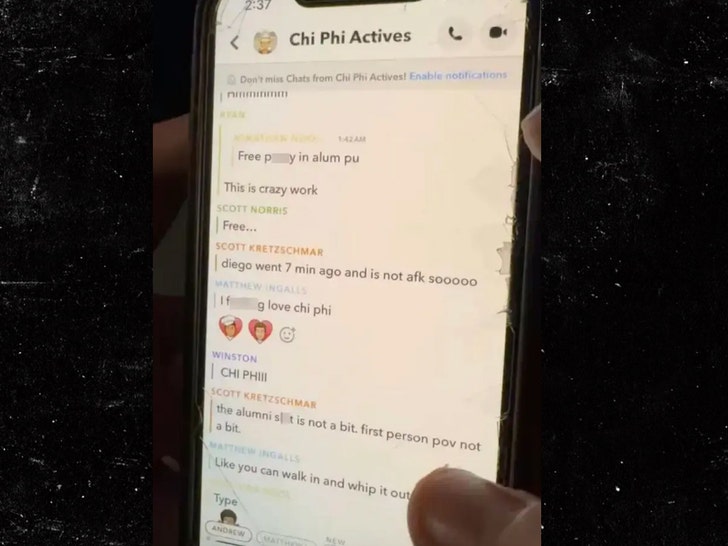
Digital evidence presented in the case reveals a complex sequence of initial interactions. Text message threads and Snapchat communications retrieved from the phones of various fraternity brothers show discussions regarding the presence of a woman available for sexual encounters, with some messages actively encouraging participation. Legal representatives for the plaintiff argue that these digital exchanges demonstrate premeditation and a disregard for the boundaries of consent. Conversely, defense teams and initial statements from individuals present at the house maintain that the encounters began with consensual elements, specifically pointing to initial agreements involving a threesome before the situation allegedly escalated.
The distinction between initial consent and subsequent incapacitation remains the central legal battleground. Under New York penal law, sexual activity with a person who is incapable of consent due to physical helplessness, mental incapacitation, or the influence of drugs administered without their knowledge constitutes a felony offense. The plaintiff’s legal team contends that even if initial interactions appeared voluntary, any consent was legally nullified once the administration of drugs and subsequent escalation occurred.
Chronology of Events and Digital "Damage Control"
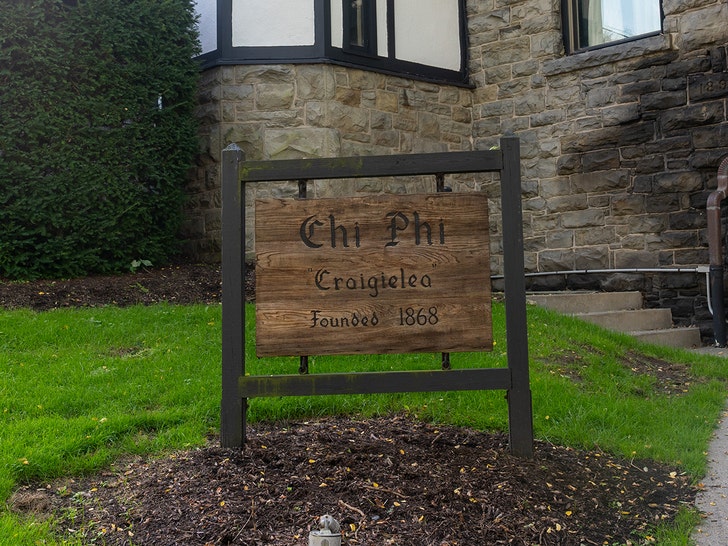
The timeline of the case spans from the initial night in October 2024 to recent state-level interventions.
October 2024: The alleged assault takes place at the Chi Phi fraternity house. In the hours and days immediately following the incident, text messages and phone records show that several fraternity brothers began initiating contact with Jane Doe.
Late 2024 to Early 2025: Campus officials receive reports from students indicating that fraternity members were actively attempting to ensure the accuser was "not upset about the situation." Internal communications suggest the brothers were growing increasingly anxious that Jane Doe was altering her narrative—shifting from describing the evening as a series of consensual encounters to characterizing the event as a non-consensual gang rape.
Audio recordings obtained during the investigation capture a phone conversation between Jane Doe and one of the accused fraternity members. During the call, the plaintiff expresses deep confusion regarding the night’s events, stating that the "only way for me to heal is to know what happened" and noting that she was attempting to "piece it together."
Spring and Summer 2025: Jane Doe eventually comes forward to campus police, providing a formal statement detailing the allegations. However, procedural issues arise when campus law enforcement compiles a six-page summary of her statement for local prosecutors. Crucially, this summary omits or downplays her explicit assertion that she was entirely non-consensual to the broader acts that occurred, a reporting omission that would later become a focal point of public controversy.
September 2026: Jane Doe formally files a civil lawsuit against the seven fraternity brothers, bringing national attention to the case and prompting renewed calls for accountability from student advocacy groups.
October 2026: Public disclosure of text messages, phone logs, and Snapchat records reveals the extent of the fraternity’s internal crisis management and communications.
Official Responses and Institutional Failures
The handling of the case by local law enforcement and prosecutorial bodies has drawn severe criticism from legal experts, state officials, and student bodies. Tompkins County District Attorney Matthew Van Houten faced intense scrutiny after declining to pursue criminal charges against the fraternity members. Van Houten defended his office’s decision by stating that the initial summaries and statements provided by law enforcement suggested the interactions were consensual, thereby failing to meet the rigorous burden of proof required for a criminal indictment.
Critics, however, argue that the local prosecutor’s office failed to thoroughly investigate the evidence, pointing to the omitted portions of the victim’s statement and the failure to subpoena digital communications in a timely manner. The reliance on summarized police reports rather than direct, unedited victim testimonies has been highlighted as a critical systemic failure in handling sexual assault allegations within university towns.
In response to the public outcry and perceived inaction by local authorities, New York Governor Kathy Hochul stepped into the controversy. Governor Hochul announced a formal criminal investigation into the matter, stripping Tompkins County District Attorney Matthew Van Houten of jurisdiction over the case. The investigation has been reassigned to the New York State Attorney General’s office, signaling a major escalation in the state’s oversight of campus sexual assault allegations and municipal prosecutorial accountability.
Broader Impact and Implications for Higher Education
The Cornell University Chi Phi case serves as a watershed moment for discussions surrounding sexual violence, Greek life culture, and institutional accountability across American universities. Ivied and elite institutions have long struggled with the insular nature of fraternity systems, where peer pressure, digital communication channels, and hierarchical loyalty frequently impede transparent investigations into misconduct.
The revelation that students engaged in calculated "damage control" highlights the sophisticated ways in which modern perpetrators attempt to manage digital footprints and manipulate narratives before formal legal authorities become involved. The widespread use of ephemeral messaging applications, such as Snapchat, alongside traditional text messaging platforms, presents ongoing challenges for forensic investigators seeking to reconstruct events where incapacitation and consent are disputed.
Furthermore, the intervention of the New York State Attorney General sets a significant precedent for state-level overrides of local prosecutorial discretion in cases involving sexual assault at institutions of higher education. As the state-led investigation proceeds, legal analysts anticipate that the findings could lead to comprehensive reforms in how campus police departments document and transfer sexual assault cases to municipal prosecutors, ensuring that critical details regarding consent and incapacitation are accurately represented from the outset.
The civil lawsuit and the renewed criminal inquiry continue to develop, leaving the Cornell University community, the national Greek life system, and legal observers closely monitoring the pursuit of justice for Jane Doe.