



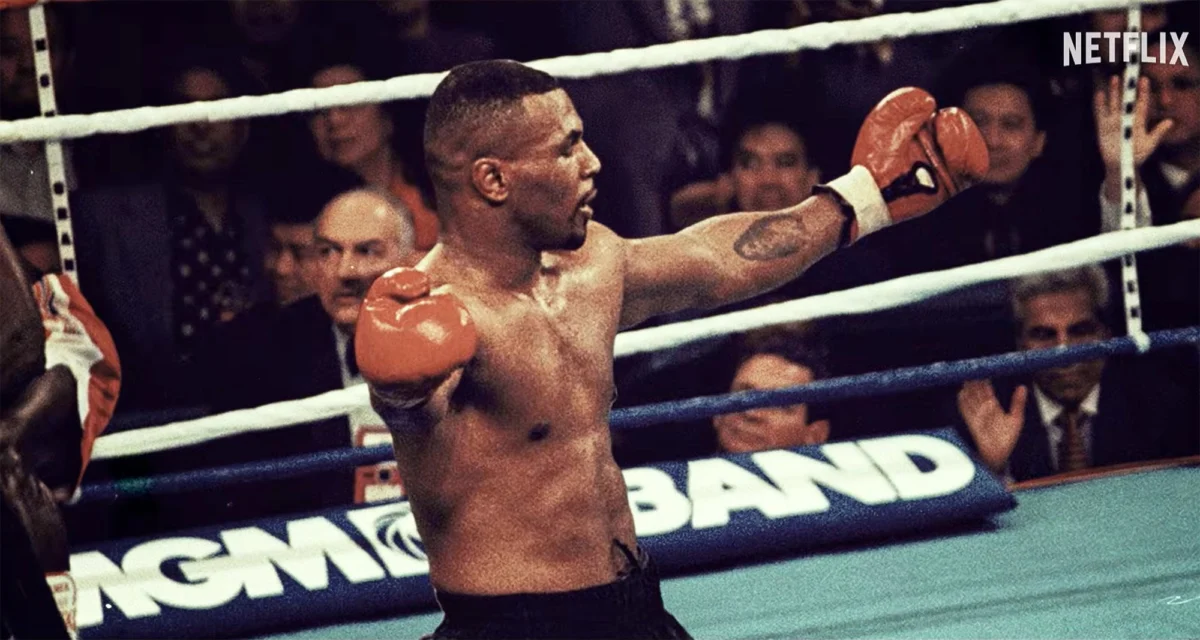
The streaming landscape is once again turning its lens toward the complex intersection of sports, celebrity, and personal redemption. Netflix has officially released the high-anticipated trailer and premiere details for Tyson, a comprehensive four-part documentary series directed by acclaimed filmmaker Floyd Russ. Scheduled for a global release on October 13, 2026, the project offers an uncompromising look at the life, career, and enduring cultural footprint of former undisputed heavyweight champion Mike Tyson. The release arrives alongside a separate Netflix venture featuring a filmed recording of Tyson’s one-man theatrical show at the Seminole Hard Rock Hotel and Casino in Hollywood, Florida, signaling a renewed corporate and public interest in the boxer’s narrative arc.
The documentary series, spearheaded by a robust production team including Jenna Millman, Jacob Miller, and Alexa Ginsburg, with executive production from industry veterans such as Bill Simmons and Ian Orefice, promises to strip away the mythos surrounding one of the most polarizing figures in modern sports history. Rather than relying solely on archival footage and standard sports journalism tropes, the project relies heavily on Tyson’s own voice, utilizing rare access to his family, lifelong friends, and historic adversaries to construct a multi-layered portrait of a man who conquered the athletic world only to nearly consume himself in the process.
The Main Facts of the Production
Set to premiere globally on October 13, 2026, Tyson is structured as a four-part docu-series that traces the trajectory of its subject from the impoverished and volatile streets of Brooklyn to the dizzying heights of global athletic dominance. Director Floyd Russ, known for his previous documentary works including American Manhunt: The Boston Marathon Bombing and Untold: Malice at the Palace, brings a sharp investigative and psychological lens to the material.
The official trailer, distributed via Netflix’s primary YouTube channel, sets a somber and confessional tone. In the footage, Tyson remarks candidly about his past, stating, "This is the dark side of me. That’s just who I became. Addicted to chaos…" This self-awareness serves as the thematic anchor for the series, which explores not only his athletic achievements but also the systemic pressures, personal demons, and public controversies that defined his adult life.

The project incorporates never-before-seen archival material, offering a granular examination of the moments that shocked the sporting world and captivated the general public. From his record-breaking ascension in the ring to his highly publicized legal troubles, financial collapses, and psychological rehabilitation, Tyson aims to present an exhaustive accounting of a life lived under an unforgiving spotlight.
Chronology and Rise to Prominence
To understand the scope of Floyd Russ’s documentary, one must trace the extraordinary and turbulent chronology of Mike Tyson’s life—a timeline defined by unprecedented early success followed by swift and catastrophic public implosions.
Born in 1966 in Brownsville, Brooklyn, Tyson’s early years were characterized by poverty, juvenile delinquency, and exposure to urban violence. His introduction to boxing while in a juvenile detention center proved to be a pivotal turning point, catching the attention of legendary trainer Cus D’Amato, who became a surrogate father figure and instilled in Tyson the defensive style and psychological fortitude that would define his early career.
By November 1986, at the age of just 20 years and four months, Tyson achieved historical immortality by defeating Trevor Berbick to win the WBC heavyweight title, subsequently becoming the youngest heavyweight champion in boxing history—a record he still holds. Over the next four years, Tyson unified the division, capturing the WBA and IBF titles and establishing himself as one of the most feared punchers in the history of the sport, characterized by terrifying first-round knockouts and an aura of invincibility.
The turning point of his professional and personal life arrived in the early 1990s. The death of Cus D’Amato, combined with turbulent personal relationships and changing management structures, preceded a steep decline. In 1992, Tyson was convicted of rape and sentenced to prison, serving three years before his release in 1995. While he attempted a comeback and briefly recaptured championship gold in 1996, his career was irrevocably altered. The nadir of his athletic career occurred during his 1997 rematch against Evander Holyfield, where Tyson was disqualified for biting his opponent’s ears—an incident that cemented his status as a cautionary tale of unmanaged fame and volatile temperament.

Supporting Data and Production Context
The sports documentary genre has experienced an unprecedented boom over the past decade, driven largely by subscription video-on-demand platforms seeking high-engagement, prestige non-fiction content. Netflix, in particular, has mastered the art of the sports docu-series, utilizing deep archival access and high-end production values to re-examine historical athletic figures. Projects like The Last Dance established a template for how sports biographies could function simultaneously as historical documents and premier entertainment.
In the case of Tyson, the production arrives at a time when the subject has successfully undergone a significant public rehabilitation. Through podcasting, comedic acting cameos, cannabis entrepreneurship, and occasional exhibition bouts, Tyson has transitioned from a pariah of the late 1990s into an elder statesman of combat sports. However, critics of the streaming documentary model often point out the delicate ethical balance required when platforms produce biographical series about living subjects who maintain creative or promotional ties to the projects. The dual release of both the serious four-legged investigative docu-series and the filmed one-man theatrical performance highlights the ongoing commercial monetization of Tyson’s personal narrative.
Director Floyd Russ approaches the subject with a proven track record in handling high-stakes, morally complex narratives. His work on American Manhunt and various installments of Netflix’s Untold anthology demonstrated an ability to unpack institutional failure, public hysteria, and individual trauma. In Tyson, Russ applies these sensibilities to an intimate biography, working alongside executive producers such as Bill Simmons—whose banner has been instrumental in shaping modern sports documentary culture—to ensure the project resonates beyond traditional boxing enthusiasts.
Official Responses and Industry Reception
While full-scale critical reviews will not be available until closer to the October premiere date, the release of the trailer has generated substantial engagement across digital platforms and industry trades. Sports journalists and documentary film critics have noted that the success of the series will depend heavily on whether Russ and his production team maintain editorial independence or if the narrative leans too heavily into the self-mythologizing tendencies often found in athlete-adjacent projects.
Representatives for Netflix have emphasized the raw and unfiltered nature of the interviews, positioning the series as a definitive psychological exploration rather than a standard sports highlight reel. Insiders close to the production suggest that Tyson’s willingness to confront his past mistakes—including his time in prison, his financial mismanagement, and his volatile relationships—distinguishes this project from previous authorized biographies.

Broader Impact and Implications
The release of Tyson on October 13, 2026, holds broader implications for how sports culture documents its most controversial icons. As modern media increasingly re-evaluates the mental health struggles and systemic pressures faced by elite athletes, figures like Mike Tyson are viewed through a more empathetic yet objective lens. Once dismissed purely as a cautionary tale of wasted talent, Tyson is now frequently analyzed as a complex product of institutional neglect, racial dynamics in sports, and the crushing psychological weight of early stardom.
Furthermore, the project underscores the enduring commercial viability of boxing as a storytelling medium. Even decades after his prime, Mike Tyson retains a magnetic pull on public curiosity. By offering a deep dive into the architecture of his rise and fall, Netflix’s new series is poised to spark renewed conversations about the price of greatness, the mechanics of redemption, and the permanent imprint left by one of the most formidable athletes to ever step into the ring.