


The landscape of video game modification is currently undergoing a contentious transformation as a new wave of "vibe-coded" or AI-generated mashup mods gains traction on social media platforms. These modifications, which rely on generative AI tools to rapidly splice assets and code from disparate game titles, have sparked a significant outcry from veteran modders who view the trend as an existential threat to the integrity and craftsmanship of the hobby. While these projects have yet to find a permanent home on major distribution platforms, their rapid proliferation on social media has triggered a debate regarding the ethics of automation, intellectual property rights, and the future definition of digital modification.
The Emergence of AI-Driven Mashup Mods
The current trend is defined by the use of advanced large language models—most notably the recently updated Claude Opus 5.5—to decompile game files and inject assets from one title into another. Unlike traditional modding, which often requires hundreds of hours of manual asset creation, script writing, and debugging, these "vibe-coded" projects are characterized by their speed and relative lack of polish.
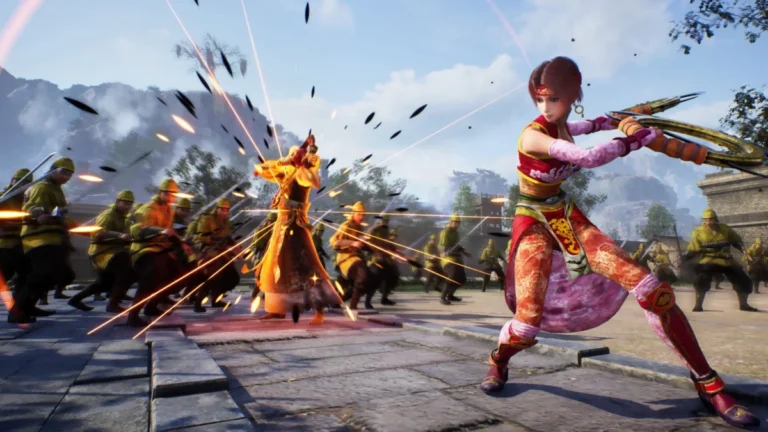
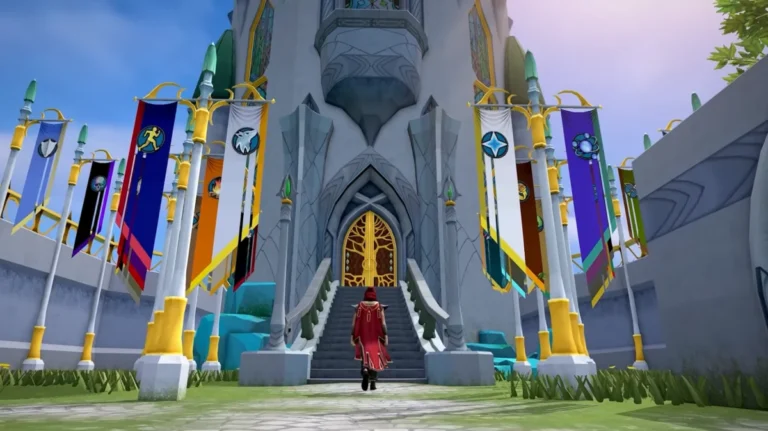
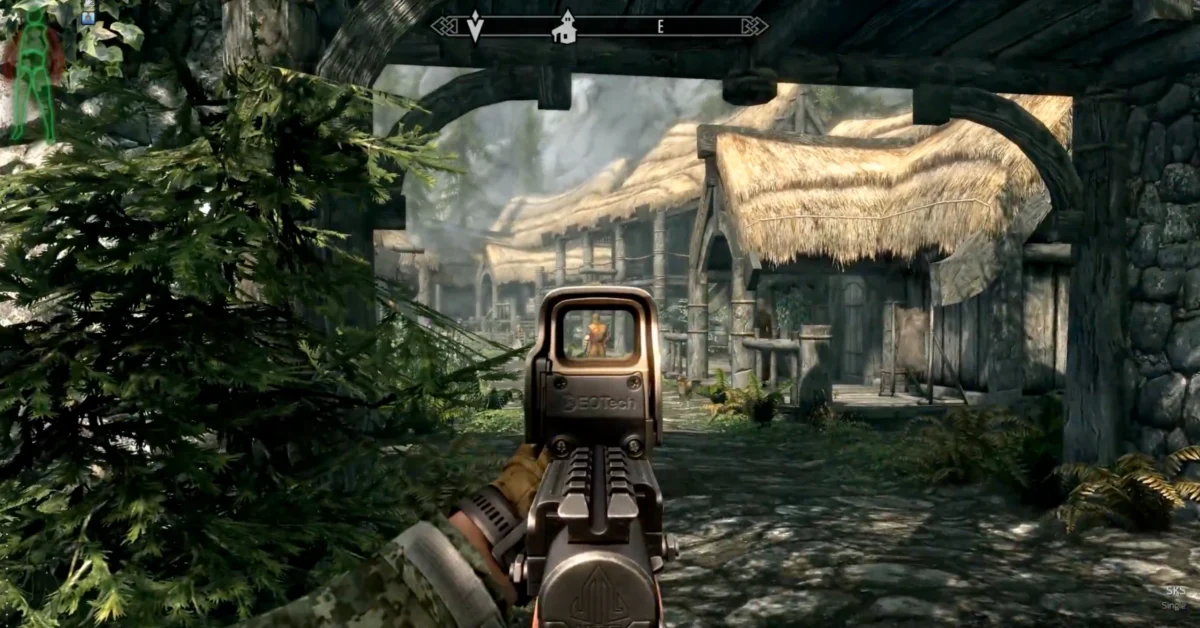
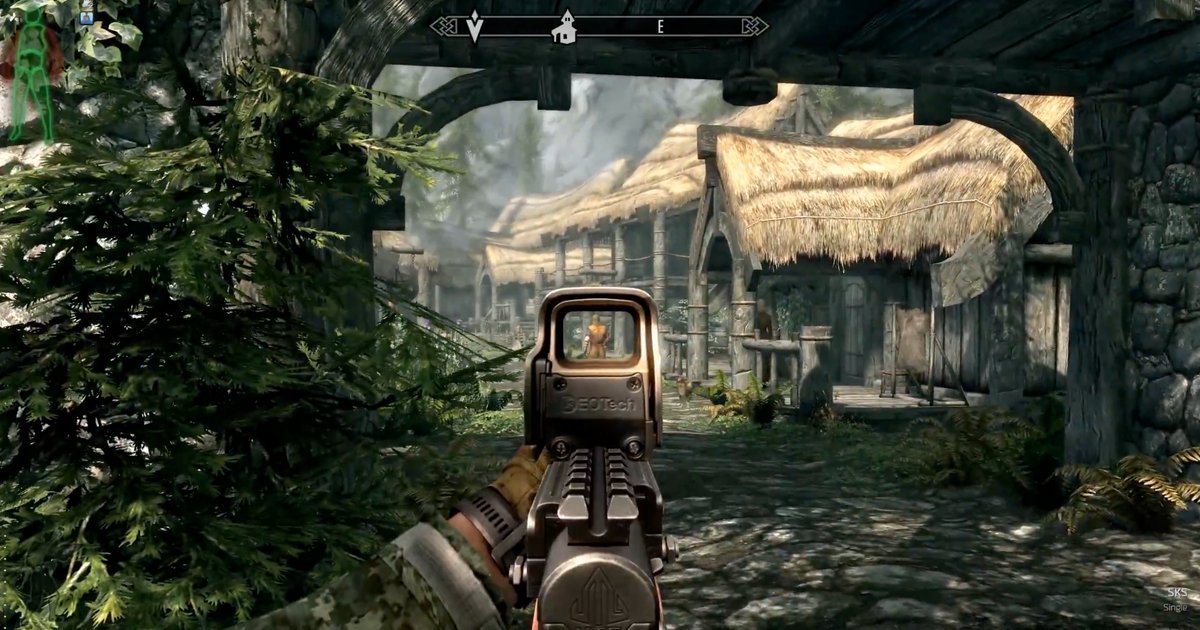
Social media feeds, particularly on X (formerly Twitter), have been flooded with clips showcasing incongruous combinations: World of Warcraft environments rendered within the historical setting of Call of Duty: World at War, or the mechanics of Escape From Tarkov superimposed onto the open-world architecture of The Elder Scrolls V: Skyrim. In one prominent example, users showcased a build of Insomniac Games’ Spider-Man mechanics functioning within the map of Batman: Arkham City. While these demonstrations are designed for high-engagement "click" potential, they have been met with severe criticism from the established modding community.
A Chronology of the Backlash
The escalation of this tension reached a boiling point over the past week. The discourse began as a quiet frustration among niche modding circles before transitioning into a broader industry conversation.
- Initial Discovery: Early in the week, developers began identifying an influx of "low-effort" content circulating on social media, often presented as finished mods despite being fundamentally broken.
- Public Outcry: Renowned modders, including prominent figures such as kran27, publicly denounced the trend. Kran27 categorized the movement as "pure slop," arguing that the reliance on AI removes the human element of creativity that has defined the modding community for decades.
- The Technical Critique: Content creators like Brendan Jowett began publishing comparative analyses of current AI models, such as Claude Opus 5.5 and OpenAI’s Astra 6. These tests highlighted significant technical failures, including pathfinding errors, broken physics, and fundamental game-logic inconsistencies that render the "mods" essentially unplayable.
- Community Ultimatum: Long-time contributors have threatened to abandon their projects entirely. The sentiment expressed by figures such as discountmodder reflects a growing existential anxiety: if the modding ecosystem becomes saturated with automated, low-quality content, the incentive for professional-grade, community-led development may vanish.
The Role of Technology and Economic Drivers
The surge in these projects is directly tied to the decreasing barrier to entry in generative AI. With the latest iterations of models like Opus 5.5, the computational cost of generating code has dropped significantly. These models are now capable of analyzing decompiled game executables and suggesting code injections that allow for cross-game asset importation.
However, the "vibe-coded" moniker stems from the fact that these models often "hallucinate" functionality. They prioritize a visual aesthetic—the "vibe"—over the underlying stability of the game engine. The result is a product that looks compelling in a ten-second video clip but fails under the scrutiny of actual gameplay.
Legal and Platform Policy Implications
The most significant barrier preventing these projects from migrating to established distribution platforms like Nexus Mods is the complex legal framework surrounding intellectual property. Most of the circulating mashup mods rely on the unauthorized extraction of assets from proprietary software.
Nexus Mods established a clear stance on this in 2023, noting that they encourage developers to avoid using AI tools unless they possess explicit permission for all assets utilized. Because these "mashup" mods involve the cross-pollination of copyrighted assets from different developers—such as taking textures from a Blizzard title and placing them in an Activision-published game—they exist in a legal grey area that borders on outright copyright infringement.
Major gaming platforms are increasingly protective of their digital ecosystems. As demonstrated by Rockstar Games’ recent decision to impose stricter guidelines on the modding community ahead of the highly anticipated release of Grand Theft Auto 6, publishers are becoming more proactive in limiting how their code is manipulated. The presence of AI-generated content only complicates these relationships, as it makes it harder for publishers to distinguish between fan-made tributes and unauthorized commercial or derivative exploitation.
Industry Analysis: The Impact on Craftsmanship
The divide between traditional modders and AI-adopters is effectively a clash of philosophies. Traditional modding is a process of learning complex tools—such as the Creation Kit, Blender, or Unreal Engine—to improve, expand, or fix games. It is a slow, iterative process often spanning years.
AI-generated modding, conversely, prioritizes immediate output. From an industry perspective, the concern is that the "noise" created by thousands of AI-generated projects will drown out high-quality community contributions. If modding platforms were to lower their standards to accommodate these projects, the curation and quality control that currently define the best mods would be compromised.

Broader Implications for the Gaming Ecosystem
The implications of this trend extend beyond the frustration of individual developers. There is a tangible risk of a "content glut." If AI tools continue to make it trivial to generate massive amounts of low-quality modifications, the reputation of the modding community could suffer, potentially prompting publishers to enact "walled garden" policies that restrict all third-party modifications, even the legitimate ones.
Furthermore, the issue of attribution remains unresolved. When an AI model scrapes code and assets to create a new mod, the original creator of that asset—the human developer who spent hours texturing or rigging a character—receives no credit or compensation. This mirrors broader concerns in the art and software development sectors regarding the ethical use of generative AI.
Looking Toward the Future
As the industry moves forward, it is likely that platforms will need to develop more sophisticated detection tools to manage the influx of AI-generated content. There is also the possibility of a "verified modder" system, where platforms prioritize content from creators with a track record of manual, original work.
The backlash from the community is not merely a reaction to a "trend," but a defensive maneuver to protect the value of human labor. While the allure of instant gratification through AI is strong, the technical failures documented by analysts suggest that these tools are not yet capable of replacing the nuanced decision-making required for functional game modification.
For the time being, the "vibe-coded" movement remains a social media phenomenon rather than a structural change in the industry. However, the intensity of the pushback from established modders serves as a warning: the community is prepared to police its own standards, and the value of "human-made" content may become a premium designation in the coming years. Whether this trend fades as a passing fad or evolves into a persistent challenge for digital preservationists remains to be seen. What is clear, however, is that the definition of what constitutes a "mod" is undergoing a period of intense, and often painful, negotiation.