



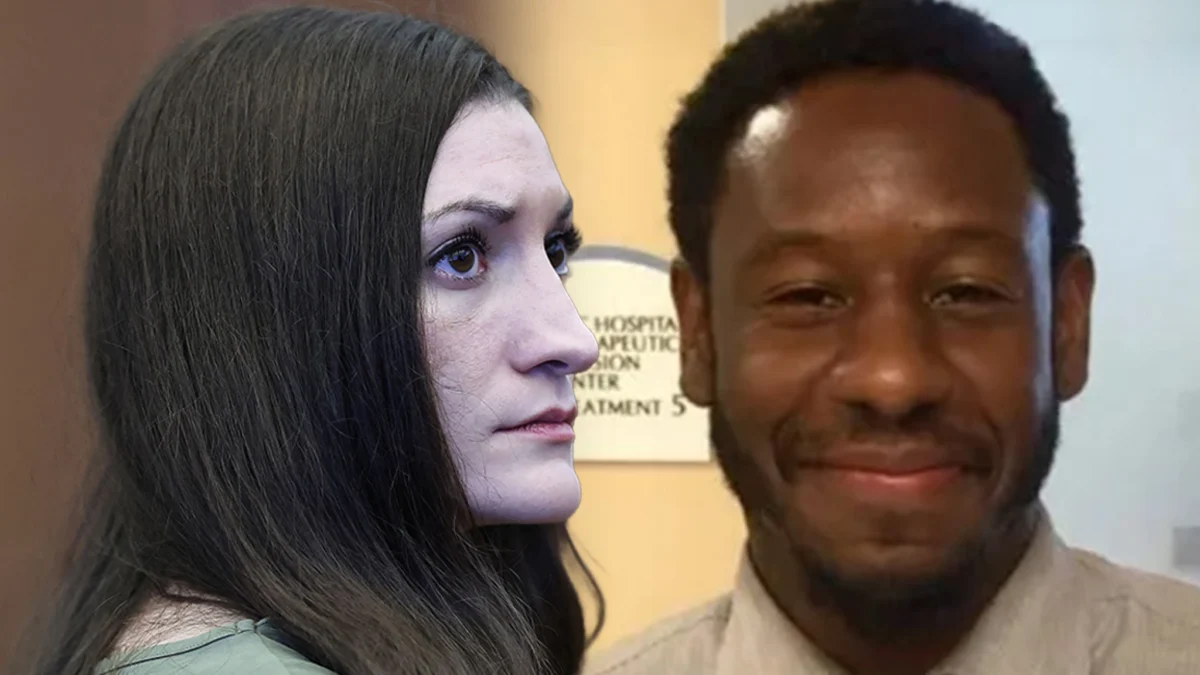
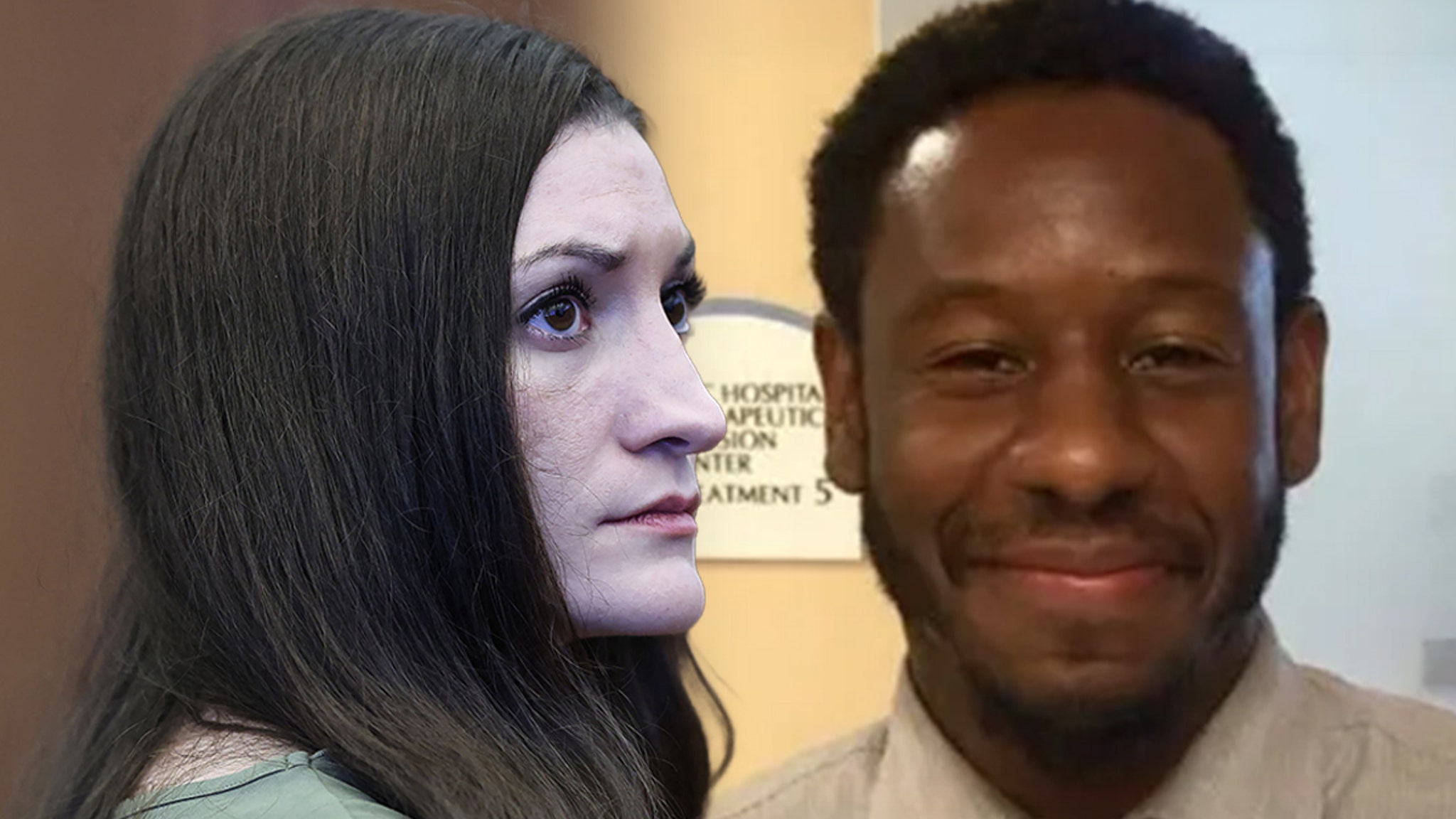
Michael Desronvil, the lone holdout juror who became the center of a national media firestorm following the high-profile mistrial in the Lindsay Clancy murder case, has broken his silence. In a video statement broadcast exclusively on Fox News’ "Hannity" on September 28, 2026, Desronvil addressed the intense public scrutiny and criticism directed at him, pleading with the public to redirect its attention away from his personal experience and back toward the core tragedy of the case: the lives of three young children.
The dramatic conclusion of the trial—resulting from a deadlocked jury unable to reach a unanimous verdict—has reignited fierce debates regarding legal accountability, the complexities of mental health defenses, and the profound trauma experienced by families and communities caught in the wake of such tragedies. While Desronvil has faced accusations from fellow panelists regarding his interpretation of the evidence, his recent public appearance seeks to pivot the narrative from institutional gridlock back to the human cost of the proceedings.
Background Context of the Tragedy
The legal proceedings stem from a devastating event that shocked communities across Massachusetts and sparked a nationwide conversation regarding maternal mental health. Lindsay Clancy, a former labor and delivery nurse from Duxbury, Massachusetts, admitted to the killings of her three young children—5-year-old Cora, 3-year-old Dawson, and 7-month-old Callan—in January 2023.
From the outset, the case divided legal experts, mental health advocates, and the public. The defense team argued that Clancy was suffering from severe, untreated psychiatric illness, specifically identifying postpartum psychosis and depression. According to expert witnesses presented by the defense, Clancy experienced a complete break from reality driven by a rapid escalation of medication and postpartum trauma, rendering her incapable of understanding the nature of her actions or conforming her conduct to the requirements of the law at the time of the incident.
Conversely, the prosecution maintained that Clancy’s actions were calculated and deliberate. State attorneys argued that despite her struggles with postpartum mental health, she retained the cognitive capacity to understand what she was doing. The prosecution presented evidence suggesting that Clancy took deliberate steps to carry out the acts, establishing legal responsibility under the strict statutes governing insanity defenses in criminal jurisprudence.
Chronology of the Legal Proceedings and Deliberations
The path to the September 2026 mistrial was marked by extensive pre-trial motions, exhaustive medical testimony, and weeks of emotionally grueling courtroom arguments.
- January 2023: The tragic incident occurs in Duxbury, Massachusetts, leading to Clancy’s hospitalization and subsequent arrest upon stabilization.
- 2024–2025: Legal teams spend months gathering psychiatric evaluations, medical records, and expert witness depositions to prepare for the insanity defense.
- September 2026: The trial commences, drawing intense media coverage from regional and national outlets. Jurors hear detailed, often harrowing testimony from medical professionals, first responders, and family members.
- Late September 2026: After days of intense deliberations, the jury informs the court that it has reached an impassawed deadlock. Despite judicial instructions to continue deliberations, the panel remains divided over whether Clancy met the legal threshold for not guilty by reason of insanity.
- September 28, 2026: Judge declares a mistrial due to the hung jury. Shortly thereafter, Michael Desronvil breaks his silence via video statement on Fox News.
Statements and Reactions from Involved Parties
The declaration of a mistrial unleashed a wave of public discourse, much of it focused on the mechanics of jury deliberations and the identity of the holdout juror. Reports emerged indicating that tension within the jury room was high, with anonymous sources and fellow panelists accusing Desronvil of refusing to yield to the majority’s interpretation of the evidence and legal instructions.
In his exclusive statement on "Hannity," Desronvil pushed back against these characterizations while maintaining a somber tone centered on the victims.
"I know the whole focus has been on me, but we want to reel everything back and put the focus on the three angels," Desronvil stated in the brief video clip.
By referring to Cora, Dawson, and Callan Clancy as "three angels," Desronvil sought to honor the memory of the children and deflect the microscope of sensationalized media coverage away from his personal identity and professional life. He firmly denied allegations that he acted unreasonably during deliberations, maintaining that his stance was the result of a rigorous, conscientious evaluation of the complex evidence presented during the weeks-long trial.
Legal analysts note that holdout jurors frequently face intense psychological pressure and public scrutiny when high-profile trials end in deadlocks. However, public video statements by individual jurors during ongoing legal limbo remain relatively rare, highlighting the extraordinary nature of the Clancy case.
Fact-Based Analysis of Legal and Social Implications
The mistrial carries significant implications for the judicial system in Massachusetts and sets the stage for critical decisions regarding the next steps in the prosecution.
The Viability of a Retrial
Under criminal procedure, a mistrial due to a hung jury does not constitute an acquittal. Prosecutors retain the legal right to retry the defendant on the same charges. Legal experts suggest that the district attorney’s office must weigh several factors before deciding whether to proceed with a second trial:
- Resource Allocation: Preparing for a complex, expert-heavy insanity defense trial requires substantial financial and institutional resources.
- Evidentiary Assessment: Prosecutors must evaluate whether additional evidence or refined trial strategies could persuade a future jury to reject the insanity defense.
- Emotional Toll: The impact of a second trial on surviving family members, first responders, and the community remains a primary consideration for judicial and prosecutorial stakeholders.
The Insanity Defense and Public Perception
The case underscores the persistent friction between clinical definitions of psychiatric illness and the rigid statutory requirements of the legal insanity defense. In many jurisdictions, proving legal insanity requires demonstrating that the defendant lacked substantial capacity to appreciate the criminality of their conduct or conform to the law. Postpartum psychosis—characterized by hallucinations, delusions, and severe mood disturbances—presents unique challenges for juries tasked with distinguishing between severe mental illness and criminal intent.
Public reaction to the mistrial reflects a deeply polarized society. Advocates for maternal mental health argue that the case highlights a systemic failure to adequately screen, diagnose, and treat severe postpartum psychiatric conditions, viewing the tragedy through a public health lens. Conversely, victims’ advocates and those supporting the prosecution emphasize the undeniable loss of three young lives, arguing that societal safety and accountability demand legal consequences regardless of underlying psychological distress.
Broader Impact on Jury Dynamics
The public emergence of Michael Desronvil also brings renewed attention to the secret nature of jury deliberations. While jurors are generally permitted to speak about their experiences after a trial concludes, doing so while a potential retrial looms can complicate the legal landscape. Defense attorneys and prosecutors alike monitor such public statements closely, as they may provide insights into jury room dynamics that could influence voir dire (jury selection) strategies in any future legal proceedings.
As the legal community awaits a formal announcement from the prosecution regarding their next moves, the core of the matter remains anchored in the tragedy itself. Desronvil’s appeal to refocus the narrative on the children serves as a poignant reminder of the human lives lost, cutting through the legal maneuvers and media analysis that continue to surround one of the most polarizing criminal cases of the decade.