


The release of Control Resonant has marked a significant pivot for Remedy Entertainment, steering the studio’s acclaimed paranatural universe into more pronounced action-RPG territory. While the title is currently available to players, the development team has confirmed a robust roadmap of post-launch content designed to extend the longevity of the experience. Among the most notable additions are a highly requested Photo Mode, an expanded cosmetic system, and an ambitious "New Game++" feature, which aims to provide near-infinite replayability for the title’s dedicated community.
A New Chapter in the Remedy Connected Universe
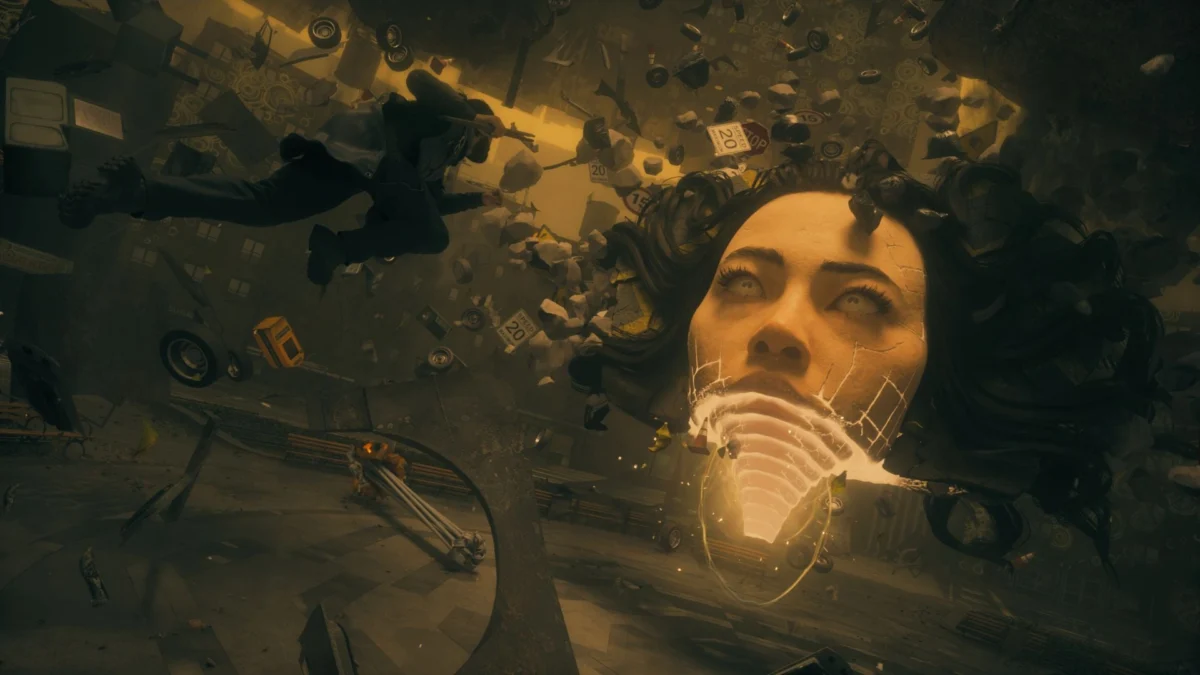
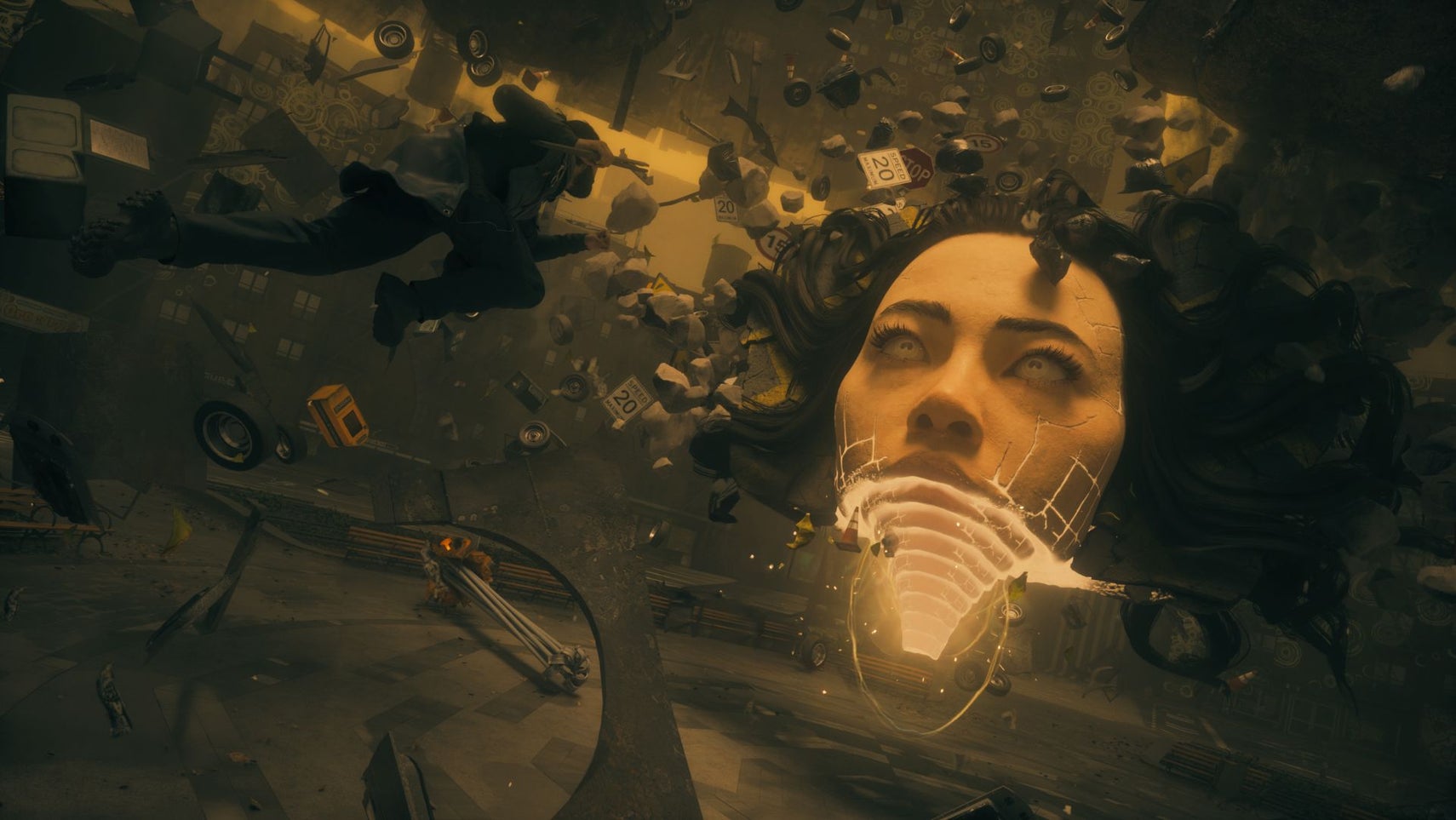
Control Resonant represents a departure from the claustrophobic, brutalist architecture of the original game’s "Oldest House." By shifting the setting to an inverted, surreal version of Manhattan, Remedy has expanded the scope of the narrative and the complexity of the environments. The game centers on Dylan Faden, whose journey through this fractured reality involves complex combat mechanics and supernatural traversal abilities.
Following the game’s launch, the development team at Remedy has been actively monitoring player engagement and feedback loops. The decision to prioritize specific post-launch updates stems from a desire to address community demand while maintaining the technical stability that has become a hallmark of the studio’s output. The transition from the core game to this extended support phase highlights the studio’s commitment to iterative design—a practice that was also central to the long-term support of the original Control and the Alan Wake series.
Chronology of Planned Updates
Remedy Entertainment has structured its post-launch schedule into distinct phases, beginning with the implementation of advanced replay features and culminating in creative tools for the community.
- October 2024: The introduction of "New Game++" (New Game Plus Plus). This feature serves as an evolution of the existing New Game Plus mode, which allows players to retain paranatural upgrades. The new iteration will remove the necessity of erasing progress between consecutive runs, effectively allowing for an indefinite number of playthroughs.
- November 2024: The deployment of a dedicated Photo Mode. This feature is intended to capitalize on the game’s unique visual design, allowing players to manipulate camera angles, filters, and depth-of-field settings to document the game’s abstract environments.
- Future Updates (Date TBD): Ongoing release of cosmetic items and character skins. Remedy has acknowledged the popularity of character customization among the player base and intends to expand the wardrobe options available for Dylan Faden.
Technical Analysis: The Logic Behind New Game++
The introduction of a recursive New Game Plus system—referred to by the studio as New Game++—is a rare feature in modern action-RPGs. Most games in the genre typically cap progression at a single New Game Plus cycle to avoid breaking game balance or trivializing encounter difficulty. By allowing for unlimited runs, Remedy is effectively inviting players to treat the game as a long-term service, encouraging the mastery of combat systems and traversal optimization.
From a design perspective, this creates a challenge regarding progression gating. The current New Game Plus mode already restricts certain traversal abilities to prevent players from bypassing key narrative sequences. To maintain the integrity of the game loop across hundreds of potential runs, the development team must ensure that enemy scaling and power progression remain meaningful, preventing the player from becoming so powerful that the core gameplay loop loses its tension.
Addressing the Community: The Photo Mode Implementation
The decision to delay the release of the Photo Mode until November was a calculated move by the studio. According to official statements from Remedy, the studio’s priority during the final stages of development was the stability and performance of the core gameplay experience.
"We hear you, you want it, and we want to get it into your hands," the studio stated in a recent blog post. "We needed to prioritize making sure the game was in the best possible shape."
This approach reflects a broader industry trend where developers often hold back non-essential aesthetic features to ensure that the primary game engine is fully optimized. The integration of Photo Mode is not merely a technical addition; it is a collaborative effort. Remedy has confirmed that they consulted with professional virtual photographers to ensure the toolset provides sufficient creative depth. This signals an understanding of the "screenshot culture" that currently drives social media engagement for visually striking titles, potentially serving as a powerful marketing tool in the months following release.
Market Context and Reception
Control Resonant has received a polarized, albeit interested, reception from the gaming press. While critics have lauded the game’s ambition and visual fidelity, some have noted that the move toward a more rigid action-RPG structure occasionally sacrifices the atmospheric mystery that defined its predecessor.
In its review, Eurogamer noted that while Control Resonant is a highly capable action title, it risks distancing itself from the "magic" of the Oldest House. This critique highlights the difficulty of iterating on a beloved franchise: the necessity of innovation must be balanced against the expectations of a legacy audience. By focusing on post-launch content that emphasizes replayability and player expression, Remedy is attempting to bridge this gap, providing tools that allow players to engage with the world on their own terms.
The Broader Implications for Remedy Entertainment
The post-launch strategy for Control Resonant is indicative of Remedy’s current business model. As the studio continues to develop its "Connected Universe," the ability to maintain a consistent player base between major releases is vital. By providing substantial updates that extend the life of the game, Remedy ensures that the Control franchise remains relevant in the public discourse long after the initial review cycle has concluded.
Furthermore, the focus on cosmetic customization and the creation of a "fashion icon" persona for the protagonist, Dylan Faden, suggests an interest in expanding the game’s appeal to a broader demographic. This focus on "eclectic outfit combinations" underscores a shift toward a more player-centric experience, where the game is not just a narrative to be completed, but a digital space to be inhabited and customized.
As the industry moves further into the era of the "forever game," the strategies employed by Remedy with Control Resonant provide a template for how single-player, narrative-driven studios can successfully navigate the demand for ongoing engagement without resorting to the predatory monetization models often found in live-service titles. The success of these upcoming updates will likely determine the long-term standing of the game in the broader market, as well as the studio’s capacity to maintain its reputation for delivering both high-concept storytelling and polished, responsive gameplay.
For players currently navigating the twisty-turvy buildings of Resonant, these planned updates offer a clear path forward. Whether one is looking to optimize their character builds through multiple New Game++ cycles or simply seeking to capture the perfect image of the game’s distorted Manhattan, the coming months promise to significantly alter the way the community interacts with the world of Control.