




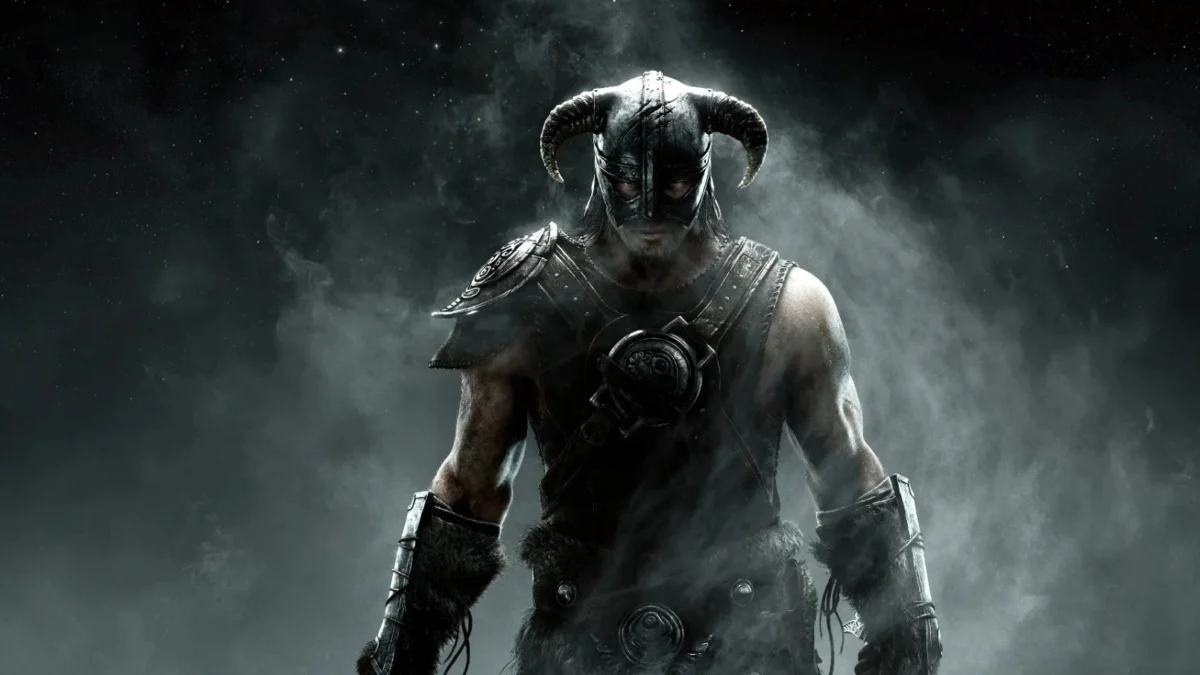
It has been nearly fifteen years since the release of The Elder Scrolls V: Skyrim, a title that remains a cultural titan in the gaming industry, yet the wait for its successor, The Elder Scrolls 6, continues to extend into an unprecedented development cycle. While fans have frequently theorized about the possibility of an outside developer stepping in to bridge the gap between mainline releases—much like Obsidian Entertainment did with Fallout: New Vegas in 2010—it appears that such a collaboration was never truly on the table. According to Kurt Kuhlmann, a veteran lead developer and former loremaster for the series, Bethesda Game Studios has maintained a staunch, protective stance over its intellectual property that effectively barred any third-party intervention.
The historical context of this decision reveals a complex interplay between creative control, brand identity, and the long-term strategic vision of Bethesda’s leadership, particularly director Todd Howard. By examining the studio’s internal culture and the shifting landscape of the RPG genre, one can understand why the "New Vegas model" was never replicated for the continent of Tamriel.
The Shadow of New Vegas and the Burden of Comparison
The relationship between Bethesda and Obsidian Entertainment remains one of the most debated topics in RPG history. Fallout: New Vegas, released just two years after Bethesda’s Fallout 3, was developed by Obsidian—a studio founded by former Black Isle Studios staff who had worked on the original Fallout games. The result was a title that many critics and fans praised for its narrative depth, faction reactivity, and moral ambiguity, often leading to polarized discussions regarding which studio was the "true" steward of the Fallout franchise.
Kurt Kuhlmann, speaking on the FRVR podcast, highlighted that these debates created a significant amount of friction. Within the walls of Bethesda, the success of New Vegas was not viewed merely as a win for the brand, but as a source of long-term complications. The persistent narrative that Obsidian was "better" at making Fallout games than Bethesda itself became a distraction that leadership was keen to avoid repeating. Kuhlmann noted that Todd Howard, who has been the public face and creative director of both the Fallout and Elder Scrolls franchises, was remarkably protective of the latter. The fear was that outsourcing a spin-off would inevitably lead to a similar "us versus them" mentality, forcing Bethesda to compete with its own licensed product in the court of public opinion.
The Role of The Elder Scrolls Online
One of the primary reasons the pressure to release a single-player spin-off was mitigated over the last decade is the sustained success of The Elder Scrolls Online (ESO). Launched in 2014, ESO provided a steady stream of new content, expansions, and lore, effectively keeping the brand relevant and active in the eyes of the consumer.
Kuhlmann observed that for a large segment of the audience, the distinction between "mainline" and "spin-off" has blurred. For millions of players, ESO is their primary touchstone for the series. By creating an ongoing service that satisfied the appetite for new stories and regions within Tamriel, Bethesda was able to avoid the "content drought" that typically necessitates a stopgap spin-off. This allowed the core development team at Bethesda Game Studios to focus their resources on massive projects like Fallout 4, Starfield, and eventually, the long-gestating The Elder Scrolls 6, without feeling the urgent market pressure to outsource to maintain brand visibility.
A Chronology of Bethesda’s Development Philosophy
To understand the current state of the studio, it is necessary to look back at the development cadence that defined the mid-2000s and early 2010s.
- 2006: The Elder Scrolls IV: Oblivion is released to critical acclaim, cementing Bethesda’s status as a premier developer of open-world RPGs.
- 2008: Fallout 3 marks Bethesda’s entry into the franchise, utilizing the engine technology developed for Oblivion.
- 2010: Fallout: New Vegas is released. While published by Bethesda, it is developed by Obsidian Entertainment, utilizing a modified version of the Fallout 3 engine.
- 2011: The Elder Scrolls V: Skyrim launches, becoming one of the best-selling games of all time and establishing a record-breaking longevity in the market.
- 2014: The Elder Scrolls Online launches. Initially met with mixed reviews, it eventually pivots to a buy-to-play model and becomes a consistent financial pillar for ZeniMax Online Studios.
- 2023: Microsoft completes its acquisition of ZeniMax Media/Bethesda. Kurt Kuhlmann departs the studio.
- 2024-Present: Under the Microsoft/Xbox umbrella, the industry landscape shifts, with Obsidian now under the same parent company as Bethesda, leading to renewed discussions about potential collaborative projects.
The Impact of the Xbox Acquisition
The acquisition of ZeniMax Media by Microsoft in 2021 changed the internal corporate structure significantly. With Bethesda and Obsidian now existing under the same organizational banner, the historical boundaries that once prevented a "New Vegas-style" collaboration have technically vanished.
Furthermore, the recent restructuring of the gaming division has brought these teams closer together. Obsidian is currently working on its own projects, but the official messaging from Bethesda president Jill Braff suggests a desire to preserve the "creative identity" of the studios. While this might sound like a move to keep teams separate, it actually provides a more secure framework for potential future collaborations. The friction that once existed between competing companies has been replaced by a synergy that could theoretically allow for a spin-off title without the risk of brand dilution or corporate rivalry.

Strategic Implications and Market Analysis
From a business perspective, the decision to keep The Elder Scrolls in-house is a calculated move to maintain "brand purity." In the current gaming climate, where franchises are often subject to rapid iteration, Bethesda’s strategy of "long-tail" development is a rarity. By keeping the development cycle under strict internal control, Bethesda ensures that every entry in the series adheres to a specific design philosophy, UI standard, and narrative tone.
However, the industry is increasingly moving toward a model where franchises are managed by multiple teams to increase release frequency. Companies like Ubisoft and Activision have long utilized a "co-development" model where various studios share the burden of development. Bethesda’s resistance to this model for The Elder Scrolls is a testament to the influence of its core creative leadership. Todd Howard’s commitment to a singular vision for the series has arguably contributed to its status as a premium product; there is a perceived quality floor that comes with the "Bethesda Game Studios" name that might be compromised if the development were handled elsewhere.
Conclusion: The Future of the Franchise
While the dream of an Obsidian-developed Elder Scrolls game remains a popular fantasy among a subset of the community, the evidence suggests it was never a serious consideration for Bethesda. The studio’s protective culture, combined with the successful pivot to the live-service model of ESO, rendered the "New Vegas" approach unnecessary.
As the industry continues to evolve, the question remains whether the sheer scale of modern game development will eventually force Bethesda to abandon its traditional, isolationist approach. With the resources of Xbox behind them and the talent of teams like Obsidian and others within the portfolio, the potential for a spin-off is higher now than at any point in the last fifteen years. Yet, for now, the loremasters and directors of Bethesda seem content to continue their own path, ensuring that when the next chapter of The Elder Scrolls finally arrives, it will be exactly as the studio intended, free from the complications of third-party influence.