

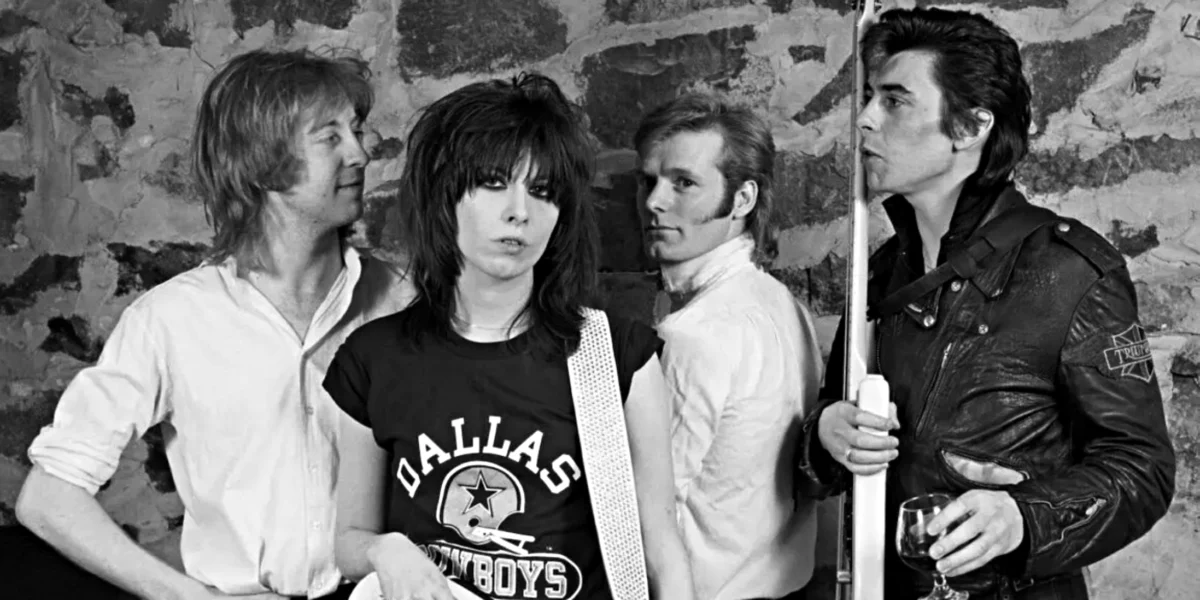
The story of The Pretenders is intrinsically tied to the singular, unrelenting vision of Chrissie Hynde, a musician whose trajectory from an American transplant in the London punk scene to a global rock icon remains one of the most compelling narratives in modern music history. Directed by Joss Crowley, the 107-minute documentary Pretenders offers a granular, if at times guarded, examination of the band’s formation, their meteoric rise to prominence in the late 1970s, and the enduring, often turbulent legacy of the group. Through a combination of archival footage and interviews with key figures, including founding drummer Martin Chambers, the film serves as both a celebration of the band’s melodic, punk-infused sound and a reflection on the personal costs associated with rapid superstardom.
The Genesis of a Rock Institution
The Pretenders exploded into the cultural consciousness in the spring of 1978, emerging from the post-punk ferment of London. Hynde, an Ohio-born musician who had spent time as a music journalist for the New Musical Express (NME), brought a sharp, critical eye and a distinctive, muscular songwriting style to the table. She famously cut her teeth as a writer, with her early critiques—such as her scathing take on the soundtrack to Jonathan Livingston Seagull—showcasing the wit that would later define her lyrics.
By 1979, the band’s debut single, a cover of The Kinks’ "Stop Your Sobbing," charted in the UK, signaling the arrival of a group that balanced 1960s British pop sensibilities with a raw, aggressive edge. The original quartet—Hynde, guitarist James Honeyman-Scott, bassist Pete Farndon, and drummer Martin Chambers—quickly garnered critical acclaim. Their self-titled debut album, released in early 1980, topped the UK charts and achieved significant success in the United States, anchored by the hit "Brass in Pocket."
Chronology of a Volatile Rise
The early history of The Pretenders is marked by both incredible artistic output and profound personal tragedy. The group’s trajectory can be divided into distinct phases:
- 1978–1980: The Breakthrough. Formation of the original quartet and the release of their chart-topping debut album. The band establishes a reputation for tight, high-energy performances.
- 1982: The Tragic Turning Point. Within a period of just ten months, the band suffered the loss of two founding members. James Honeyman-Scott died of heart failure related to cocaine use in June 1982, followed by the dismissal and subsequent overdose death of Pete Farndon in April 1983.
- 1984–1990s: Resurgence and Evolution. Hynde maintained the band’s identity through shifting lineups, proving her role as the group’s indispensable core. This era saw the release of hits like "Back on the Chain Gang" and "Middle of the Road."
- 1994: The Commercial Zenith. The release of the ballad "I’ll Stand By You" signaled a shift in the band’s commercial profile, cementing their place as a legacy act capable of producing radio-friendly staples.
The Dynamics of Leadership and Reticence
One of the central themes of the Crowley documentary is the tension between Hynde’s public persona and her private life. The film highlights her consistent insistence that she is merely one part of a collaborative whole, a notion frequently contradicted by the reality of the band’s history. As members rotated in and out—often due to the aforementioned tragedies of the early 80s or creative evolution—Hynde remained the constant.
The documentary’s approach to these interviews is notable for its unconventional structure. Hynde, notoriously protective of her private life, is featured primarily through audio-only interviews. This stylistic choice creates a voyeuristic atmosphere, with the camera frequently struggling to find a stable composition during sessions. Critics and industry observers have noted that this curatorial approach limits the depth of the narrative. By avoiding the more complex, painful aspects of the band’s internal dynamics or the nuances of her high-profile relationships—such as her marriage to Simple Minds frontman Jim Kerr—the film presents a curated portrait rather than an exhaustive biography.
Analytical Perspectives on the Documentary’s Scope
The documentary’s editorial decisions offer a clear study in selective memory. By dedicating the vast majority of the 107-minute runtime to the formative years, the film effectively sidelines several decades of the band’s later career. The omission of major cultural milestones—such as their performance at the 1985 Live Aid concert—is a deliberate choice that prioritizes the band’s early, more "punk" years over their eventual transition into a global stadium act.
Furthermore, the lack of exploration into Hynde’s solo collaborations and her work with artists outside of The Pretenders leaves a gap for viewers seeking a comprehensive career overview. From a media studies perspective, this creates an imbalance: the film excels as an atmospheric piece regarding the late 70s London scene but struggles to provide a definitive account of the band’s ongoing influence.
Implications and Legacy
Despite its narrative limitations, Pretenders remains an essential watch for those interested in the architecture of rock fame. The film’s greatest strength lies in its use of archival footage, which captures the raw kinetic energy of the original lineup. For modern audiences, the documentary serves as a reminder of the band’s role in bridging the gap between the structured pop of the 60s and the confrontational ethos of the punk movement.
The band’s influence continues to be felt in the work of subsequent generations of female-fronted rock acts who cite Hynde as a primary influence. Her refusal to conform to the expectations of the music industry—whether as a writer, a performer, or a subject in a documentary—is perhaps the most consistent element of her career.
Critical Reception and Audience Reception
Reaction to the film has been varied. While many fans have praised the access to previously unseen footage of Honeyman-Scott and Farndon, others have echoed the sentiments of reviewers who found the film’s avoidance of "hard" questions to be a weakness. In the context of contemporary music documentaries, which often lean into the "warts and all" approach popularized by platforms like Netflix and HBO, Crowley’s film stands out for its restraint.
Industry analysts suggest that the documentary’s success is largely due to the enduring popularity of the band’s catalog. With songs like "Don’t Get Me Wrong" and "Brass in Pocket" still receiving heavy airplay, the cultural appetite for the band’s story remains high. The film acts as a companion piece to the music, providing a visual texture to songs that have long been embedded in the classic rock canon.
Conclusion
Joss Crowley’s Pretenders is an imperfect but undeniably compelling look at one of rock music’s most resilient figures. By focusing on the gravitational pull of Chrissie Hynde, the film captures the essence of a leader who has navigated the deaths of bandmates, the pressures of the spotlight, and the inevitable shifts in musical fashion. While it may leave some questions unanswered and some chapters of the band’s history largely unexamined, it succeeds in its primary goal: to document the arrival and enduring relevance of a band that, from its inception, refused to be anything other than its own entity.
For those familiar with the band’s discography, the film is a nostalgic, albeit incomplete, trip through a transformative era of music. For those less acquainted, it provides a sufficient, if stylized, introduction to a group whose influence far exceeds the narrow focus of the screen. Ultimately, the documentary reflects the very nature of its subject—defiant, guarded, and musically profound—making it a worthy addition to the growing library of rock history documentation.